Cognitive Development Normal Phonics Worksheets for Ages 4-6
5 filtered results
-
From - To
Unlock your child's potential with our Cognitive Development Normal Phonics Worksheets for ages 4-6! These expertly designed worksheets combine engaging phonics activities with essential cognitive skills to enhance your little one's learning experience. Through fun exercises, children will develop critical thinking, problem-solving, and pattern recognition while mastering the foundational sounds of language. Our user-friendly format allows for easy print-and-play, making learning both accessible and enjoyable at home or in the classroom. Encourage a love for reading and language with this valuable resource tailored specifically for young learners. Get started today and watch your child's confidence soar!
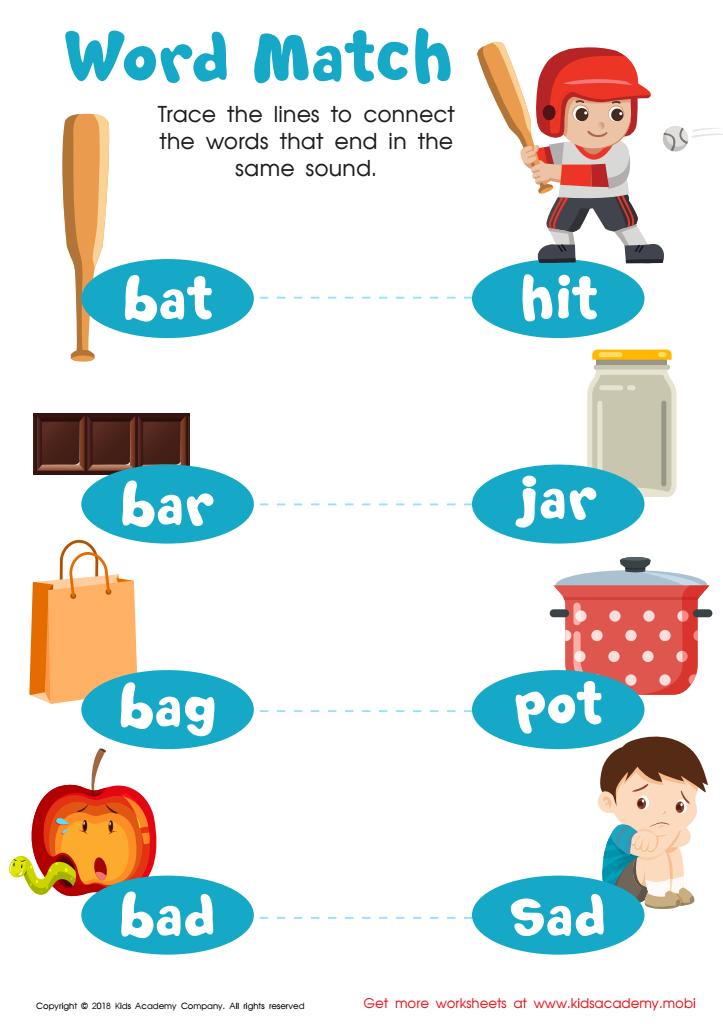
Word Match Reading Worksheet
 Assign to My Students
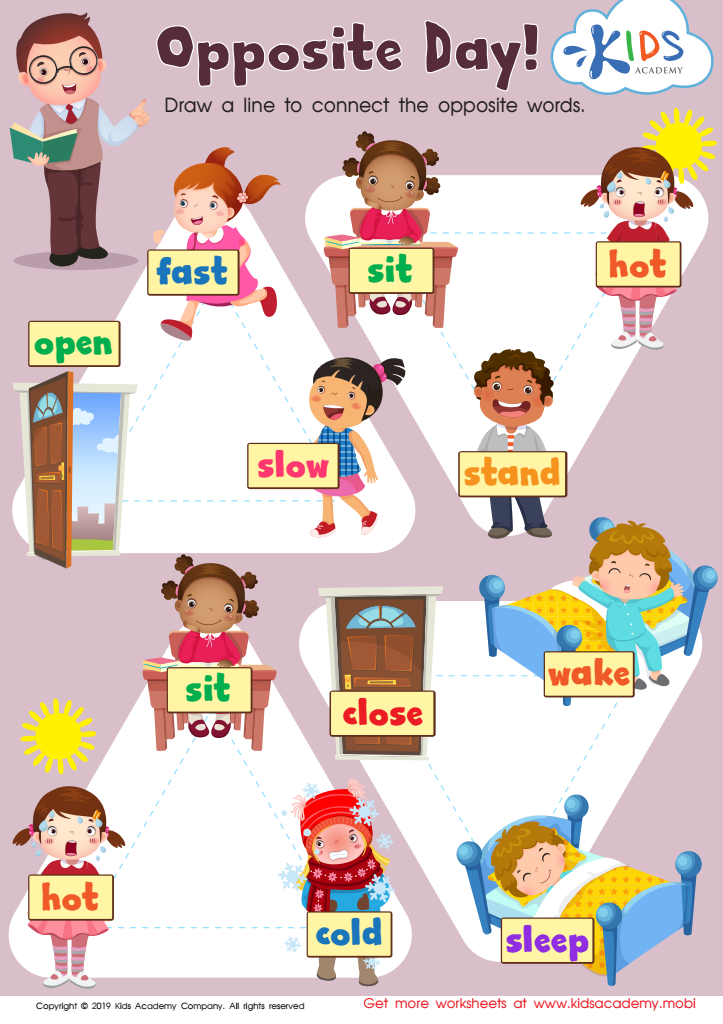
Opposite Day Worksheet
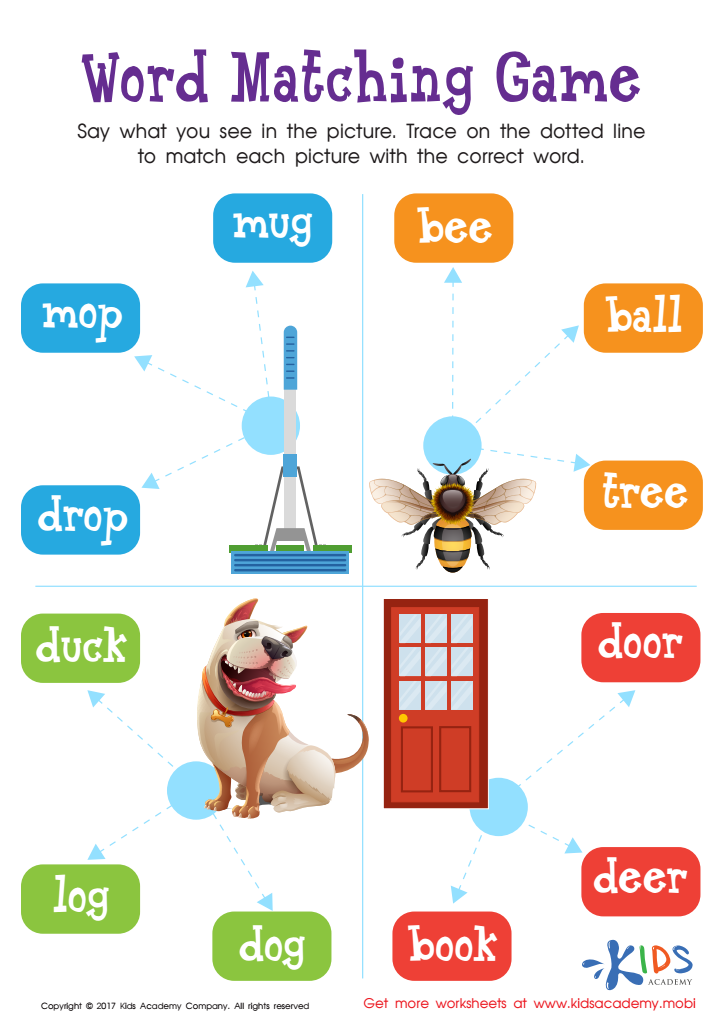
Word Matching Game Worksheet
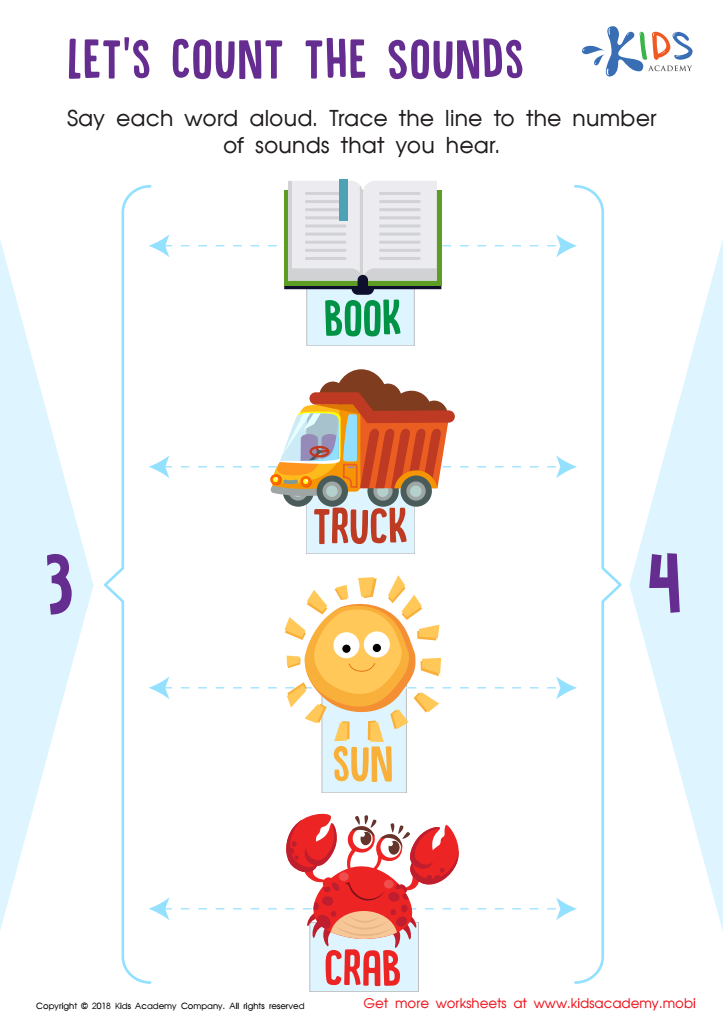
Let's Count the Sounds Worksheet
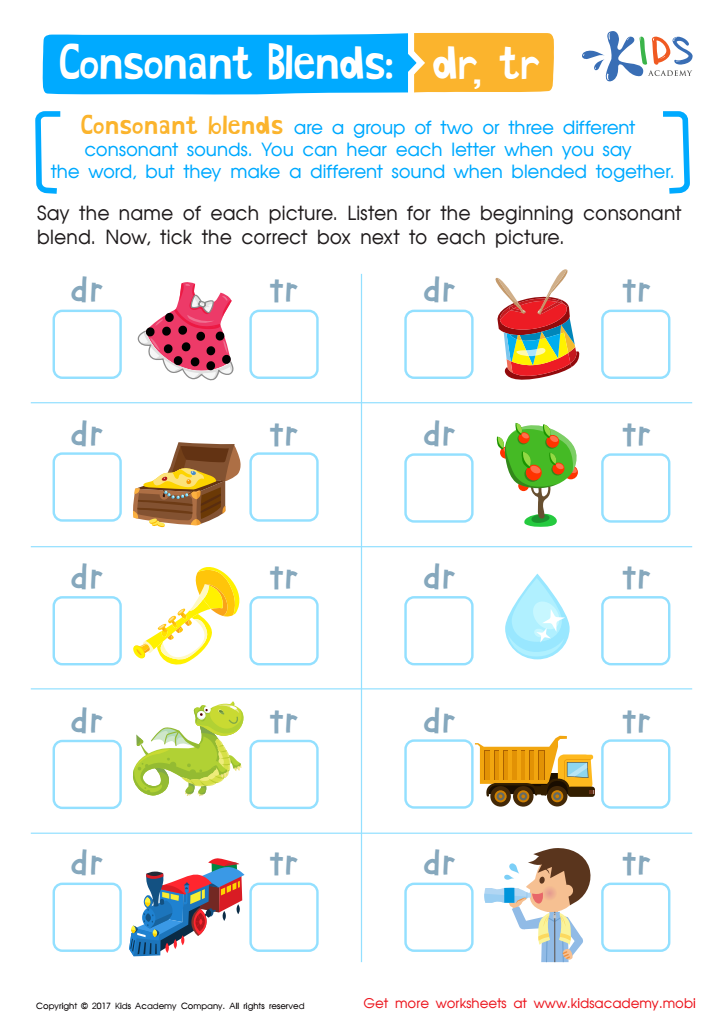
Consonant Blends: "Dr" and "Tr" Printable








Cognitive development plays a crucial role in a child's early learning, particularly in the realm of literacy, which is where phonics comes into play. For children aged 4-6, mastering phonics forms the foundation for reading and writing, and understanding how sounds connect to letters is pivotal. Parents and teachers should care about cognitive development normal phonics because phonics influences a child's ability to decode words, which is essential for effective reading.
During this developmental stage, children's brains are exceptionally receptive to learning new concepts. Introducing phonics in a structured manner can enhance their vocabulary, spelling, and comprehension skills. By focusing on cognitive development alongside phonics, educators and caregivers can provide tailored learning experiences that cater to individual needs, fostering a love for reading from the outset.
Additionally, phonics instruction does not just support reading skills; it builds confidence in young learners. When they can recognize and vocalize words, children are more likely to engage actively in learning environments, which stimulates further cognitive growth. Overall, prioritizing cognitive development in phonics indicates a commitment to equipping children with essential skills that will benefit them academically and socially throughout their lives. This foundation serves not just literacy but also promotes critical thinking and problem-solving abilities in various contexts.







