Comparative analysis Normal Worksheets for Ages 4-6
3 filtered results
-
From - To
Explore our engaging collection of "Comparative Analysis Normal Worksheets" designed for children ages 4-6. These worksheets focus on enhancing critical thinking skills by encouraging young learners to compare and contrast various objects, animals, and scenarios. Each activity is tailored to stimulate curiosity and promote cognitive development through fun and interactive exercises. Ideal for both classroom settings and at-home learning, these printables are aligned with early education standards, making learning both enjoyable and effective. Help your child master the concept of comparison while cultivating essential analytical skills in a playful and enriching environment. Start your learning journey today!
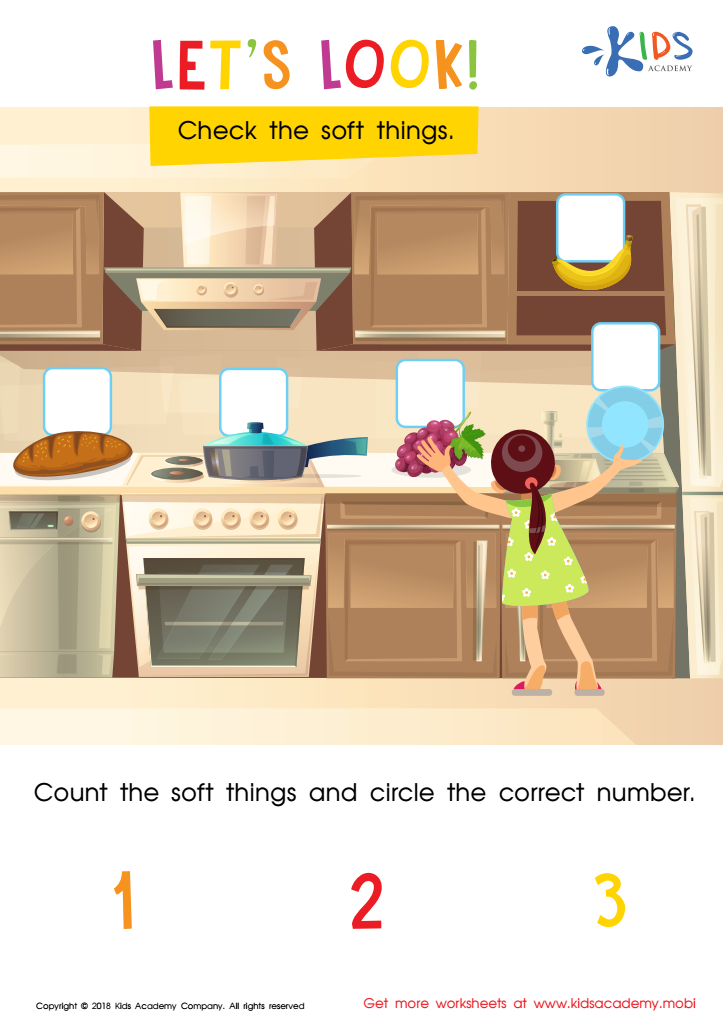
Let's Look! Assessment Worksheet
 Assign to My Students
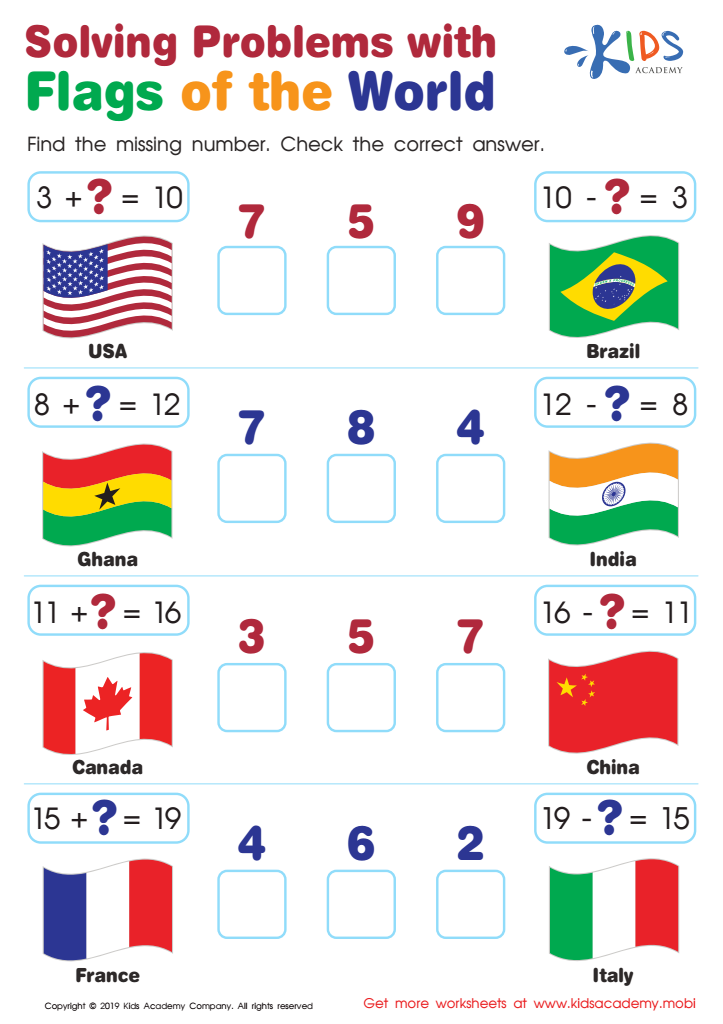
Solving Problems with Flags of the World Worksheet
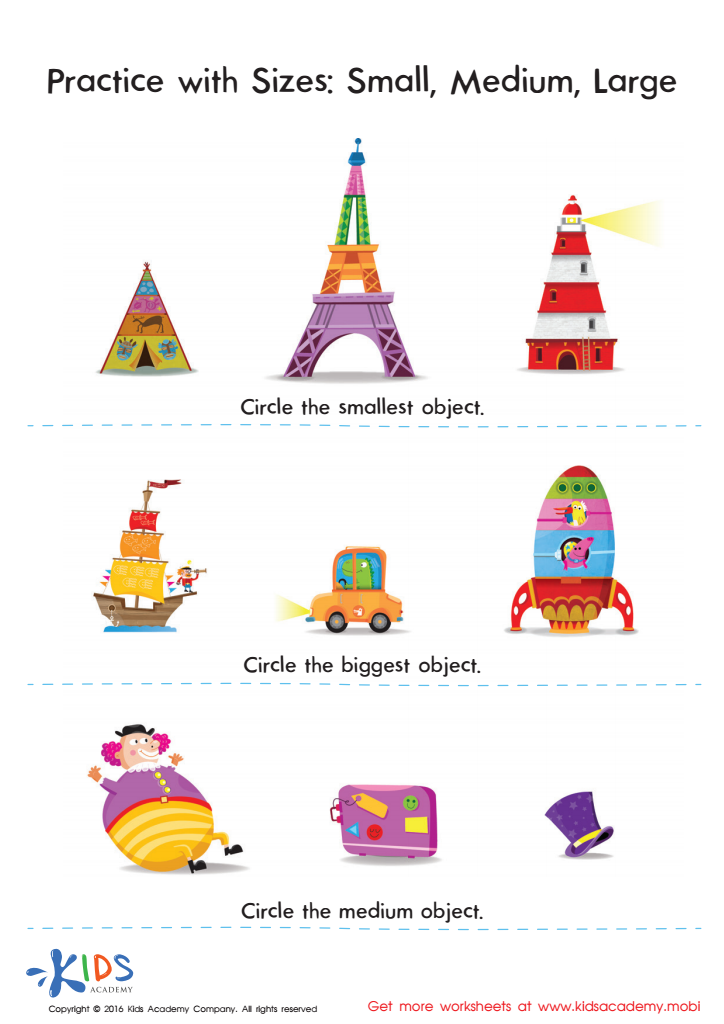







Parents and teachers should care about comparative analysis norms for children aged 4-6 because these norms provide critical benchmarks for child development. At this age, children undergo significant cognitive, emotional, social, and physical growth. Understanding comparative norms allows adults to gauge how a child is developing relative to their peers, helping identify both typical development patterns and potential areas of concern.
Using comparative analysis, educators and parents can tailor their approaches to support each child’s unique needs. For example, if a child is lagging in language development compared to peers, targeted interventions can be initiated, such as enhanced vocabulary activities or speech therapy. Conversely, knowing a child is excelling helps in providing enrichment opportunities, ensuring they remain engaged and challenged.
Moreover, foster collaboration between parents and teachers; sharing insights based on comparative data encourages a holistic view of a child's growth. This data-driven approach can promote timely interventions, reduce anxiety among parents, and build confidence in children as they navigate their early years. Ultimately, caring about comparative analysis norms equips stakeholders with strategies that not only enhance individual development but also support healthy, well-rounded classroom environments.








