Developing analytical skills Normal Worksheets for Ages 4-6
6 filtered results
-
From - To
Unlock your child's potential with our engaging "Developing Analytical Skills Normal Worksheets" designed for ages 4-6. These thoughtfully crafted worksheets encourage critical thinking and problem-solving abilities in young minds. Through a variety of fun, age-appropriate activities, children will learn to recognize patterns, make predictions, and enhance their reasoning skills. Each worksheet is tailored to promote cognitive development while keeping the learning experience enjoyable. Ideal for parents and educators seeking to support early learning, these resources foster creativity, boost confidence, and lay a strong foundation for future academic success. Explore our collection today and inspire your child’s analytical journey!
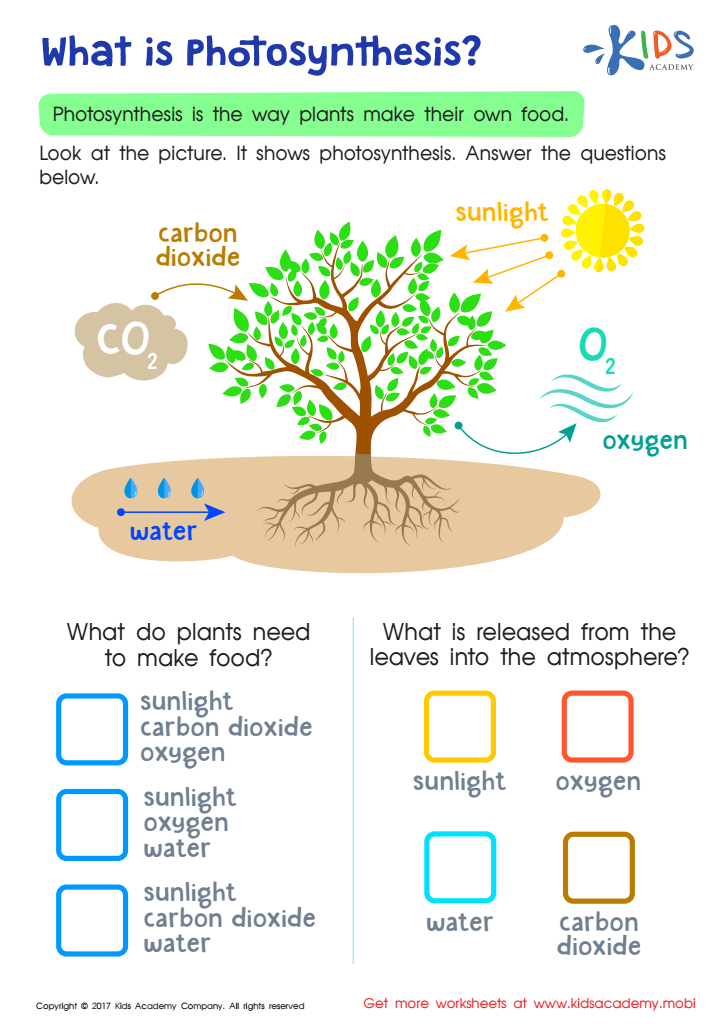
What is Photosynthesis Printable
 Assign to My Students
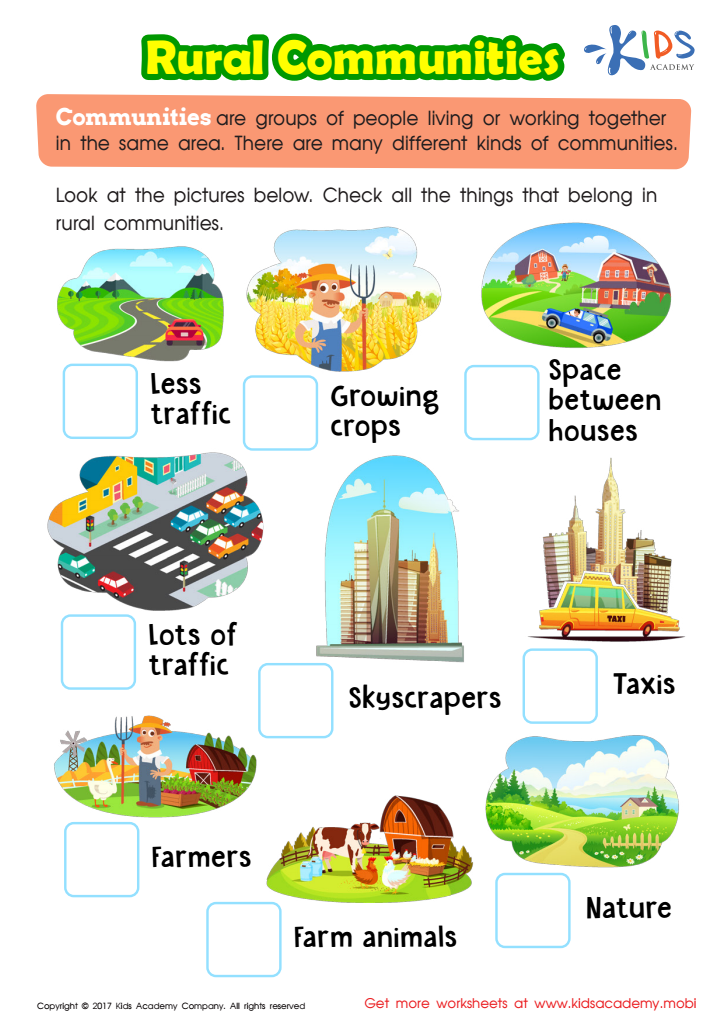
Rural Communities Printable

What Needs Electricity Printable
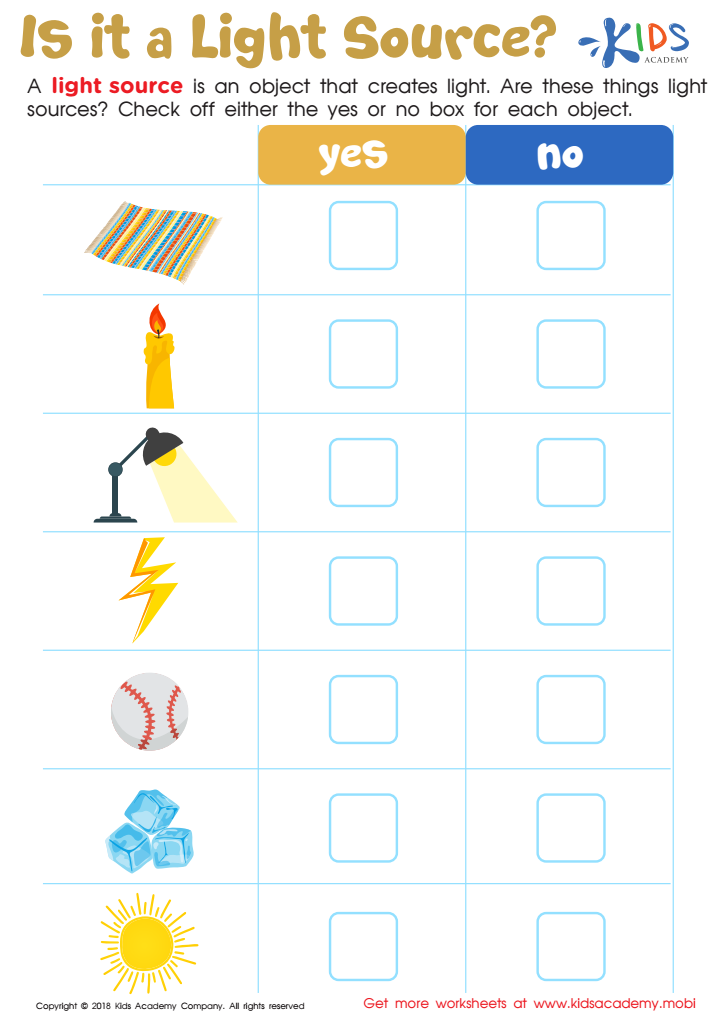
Is It a Light Source? Worksheet
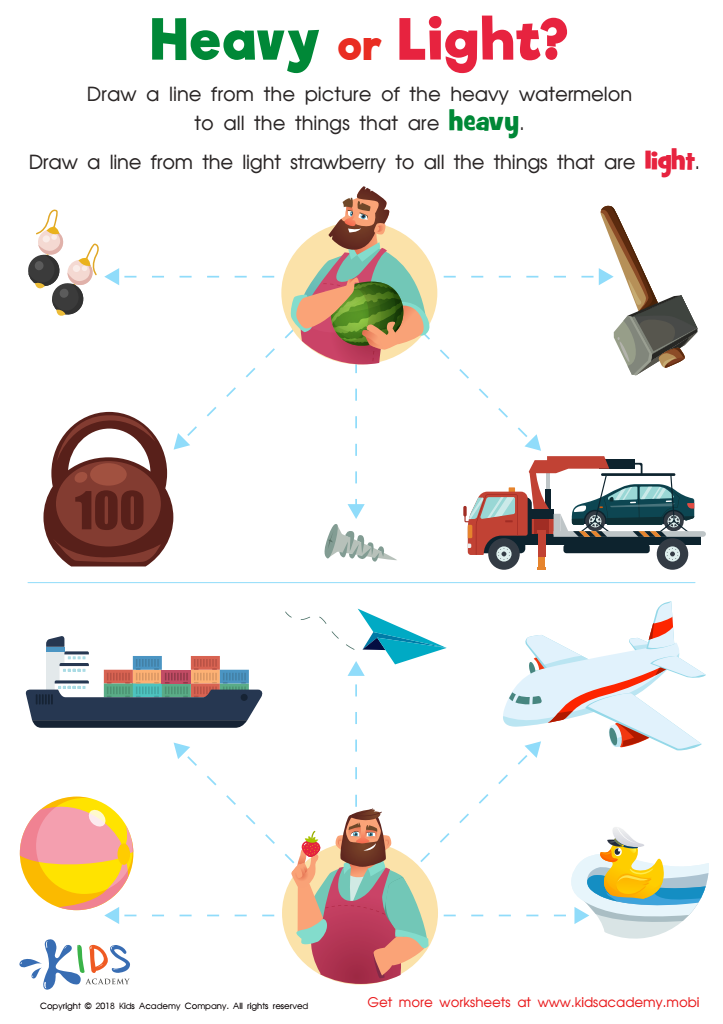
Heavy or Light? Worksheet

How Light Travels Worksheet








Developing analytical skills in children aged 4-6 is crucial for several reasons. At this early stage, children are naturally curious and eager to explore, making it an ideal time to nurture their analytical abilities. Analytical skills enable children to observe, question, and reason, helping them to make sense of the world around them. When parents and teachers focus on these skills, they encourage children to engage in critical thinking and problem-solving, which are foundational for future learning.
Fostering analytical skills also enhances children's ability to understand and interpret information. As they engage in activities like sorting objects, recognizing patterns, or drawing comparisons, they strengthen their cognitive skills and emotional intelligence. This early development is pivotal as it forms the backbone of their academic journey.
Moreover, analytical skills contribute to better decision-making and improved communication as children express their thoughts and reasoning. Encouraging a mindset that values inquiry and exploration prepares children to tackle more complex challenges as they grow, both in school and in life. Ultimately, instilling these skills creates confident, independent thinkers who are better equipped for the demands of the future, making it essential for parents and teachers to prioritize this aspect of learning.








