Enhancing critical thinking Normal Worksheets for Ages 4-6
6 filtered results
-
From - To
Discover how our "Enhancing Critical Thinking Normal Worksheets for Ages 4-6" can boost your child's cognitive development. Designed with colorful illustrations and engaging activities, these worksheets foster curiosity and logical reasoning in young learners. Through puzzles, matching games, and simple problem-solving tasks, children practice analyzing information, recognizing patterns, and making decisions. Perfect for at-home learning or classroom use, these worksheets complement various educational priorities. Help your child build essential thinking skills early on and prepare them for academic success with our expertly crafted resources. Visit us at Kids Academy to access our full selection.
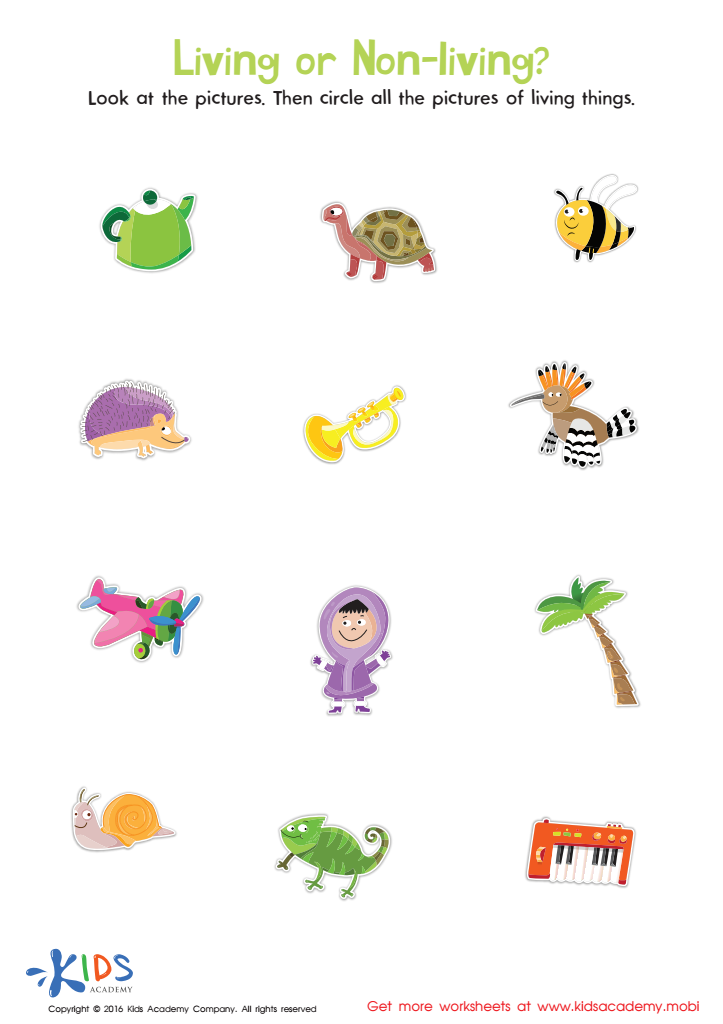
Identifying Living and Non–living Things Sorting Worksheet
 Assign to My Students
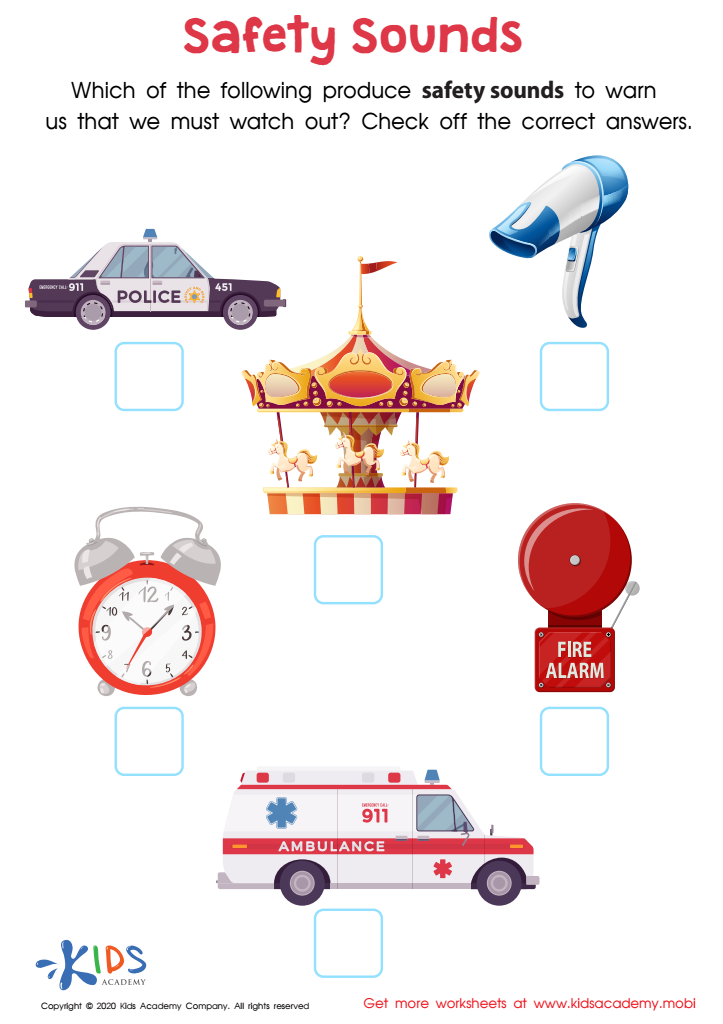
Safety Sounds Worksheet
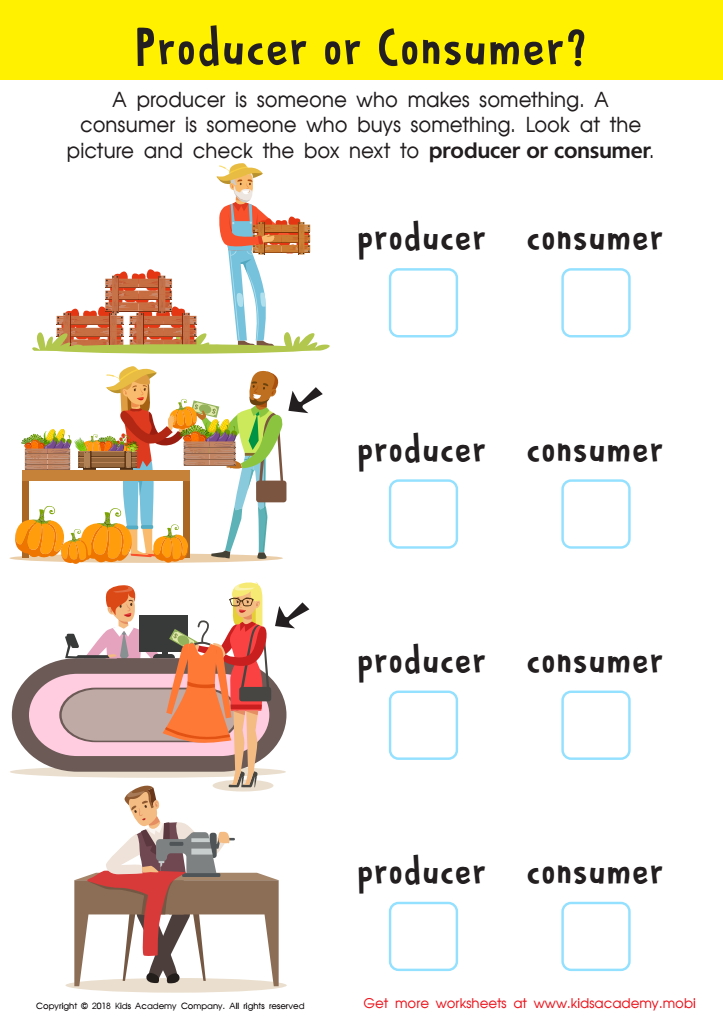
Producer or Consumer? Worksheet
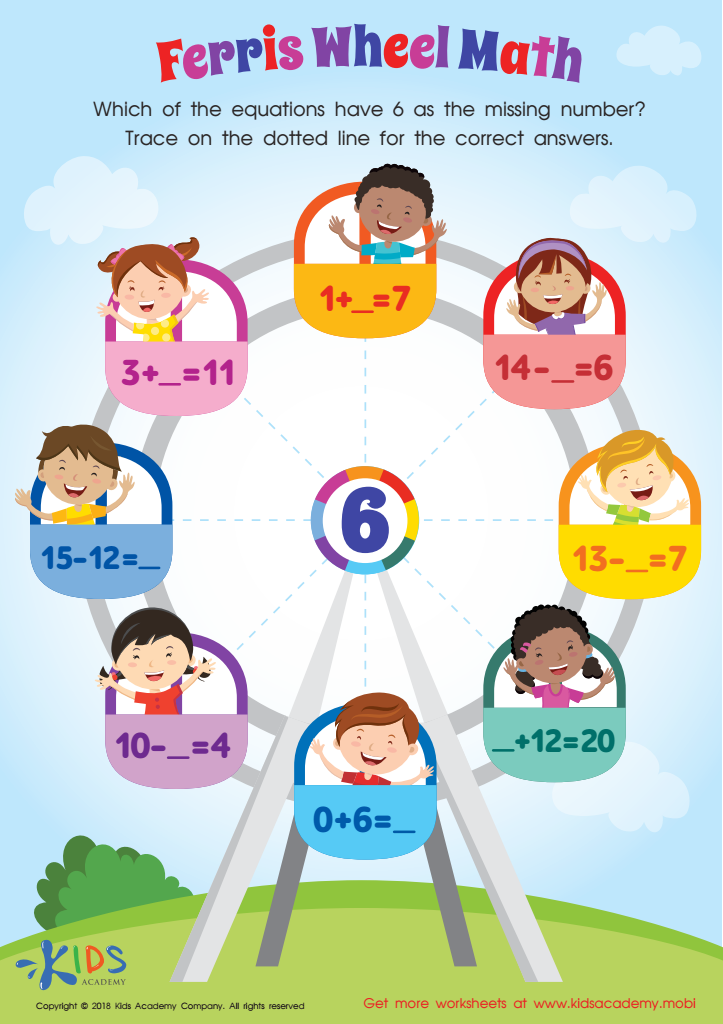
Missing Number: Ferris Wheel Math Worksheet
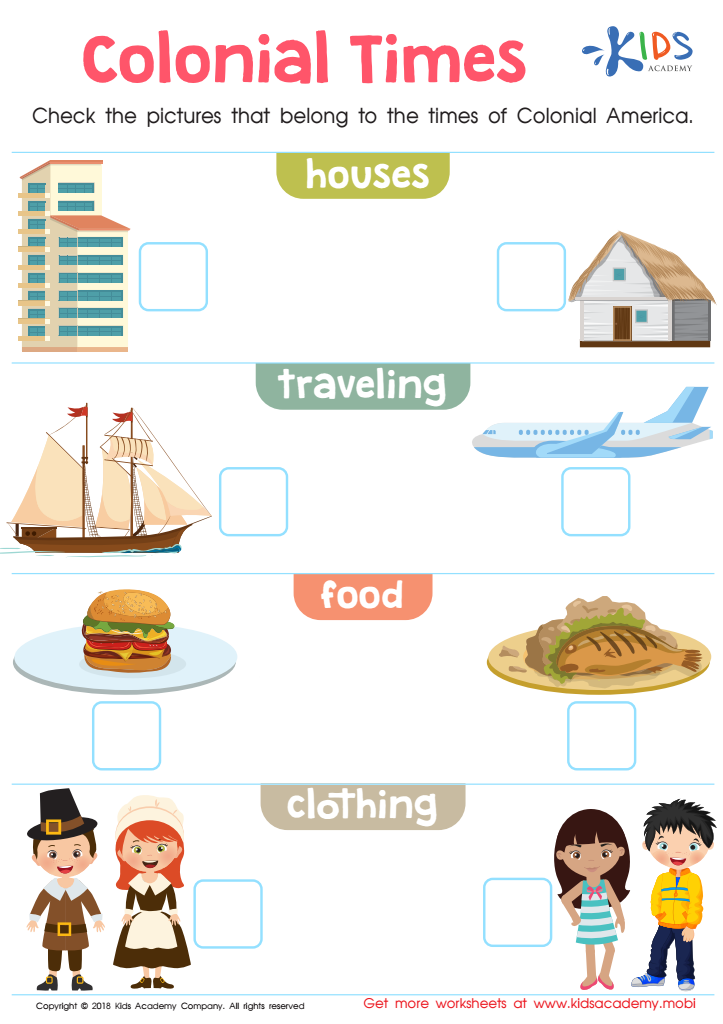
Colonial Times Worksheet
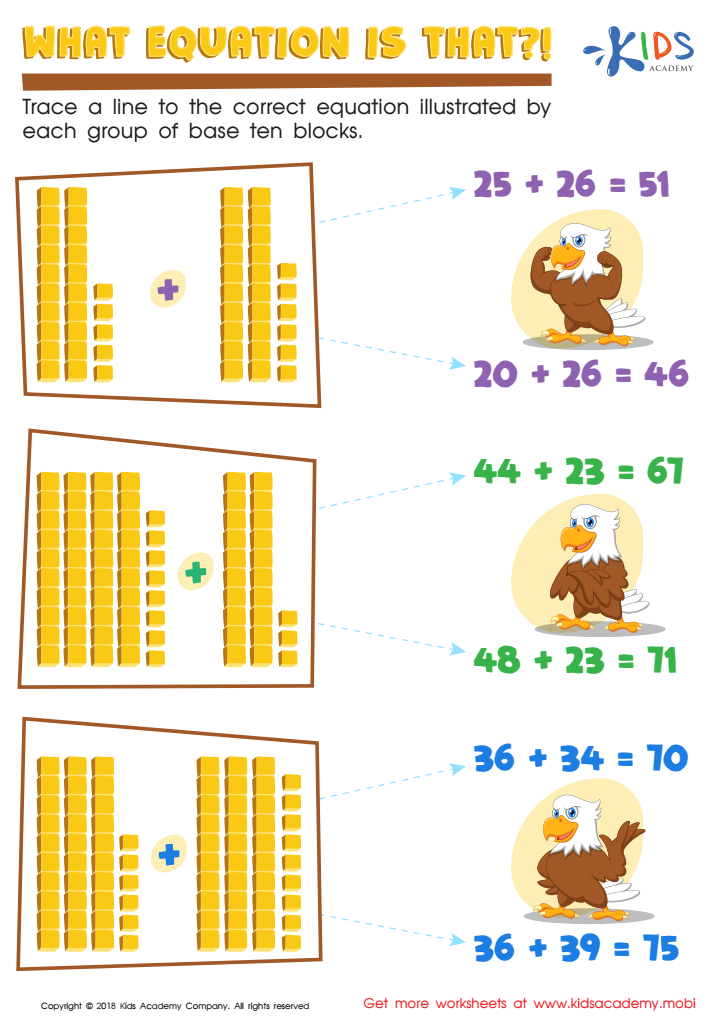
What Equation Is That? Worksheet








Enhancing critical thinking in young children, ages 4-6, is crucial for several key reasons. At this formative stage, children are rapidly developing cognitive skills that lay the foundation for future learning and problem-solving abilities. First, critical thinking fosters independent thinking, enabling children to evaluate information, understand concepts, and make informed decisions. This foundational skill helps them not just in academics but in everyday situations, promoting a habit of analyzing and questioning rather than passively accepting information.
Second, enhancing critical thinking nurtures creativity. The process involves looking at situations from different perspectives, which encourages children to think divergently and come up with multiple solutions to problems. This creativity is vital in helping them adapt to new challenges and opportunities throughout their lives.
Third, developing critical thinking skills from an early age can improve emotional intelligence. By teaching children to understand cause and effect, recognize patterns, and foresee potential consequences, they become better equipped to manage their emotions and interactions with others.
Lastly, an early focus on critical thinking helps in building resilience. Children learn to navigate problems independently and are more likely to rebound from setbacks because they view challenges as opportunities for learning and growth. Enhancing these skills early on, therefore, sets the stage for well-rounded, capable, and confident individuals.








