Hand-eye Coordination Normal Worksheets for Ages 4-6 - Page 2
32 filtered results
-
From - To
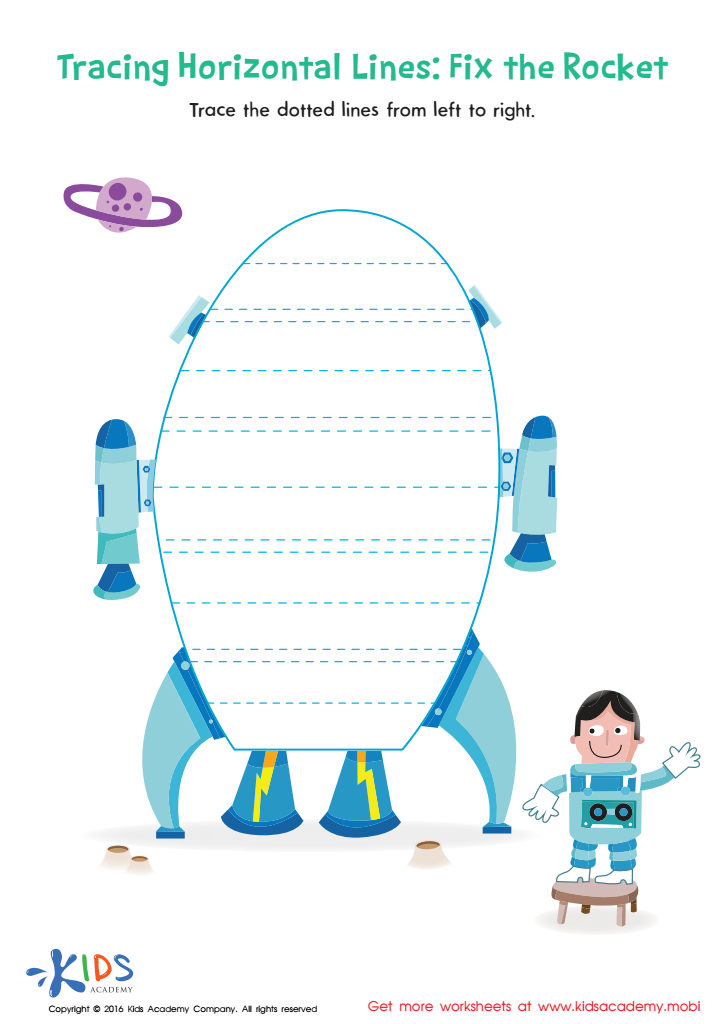
Tracing Horizontal Lines Worksheet
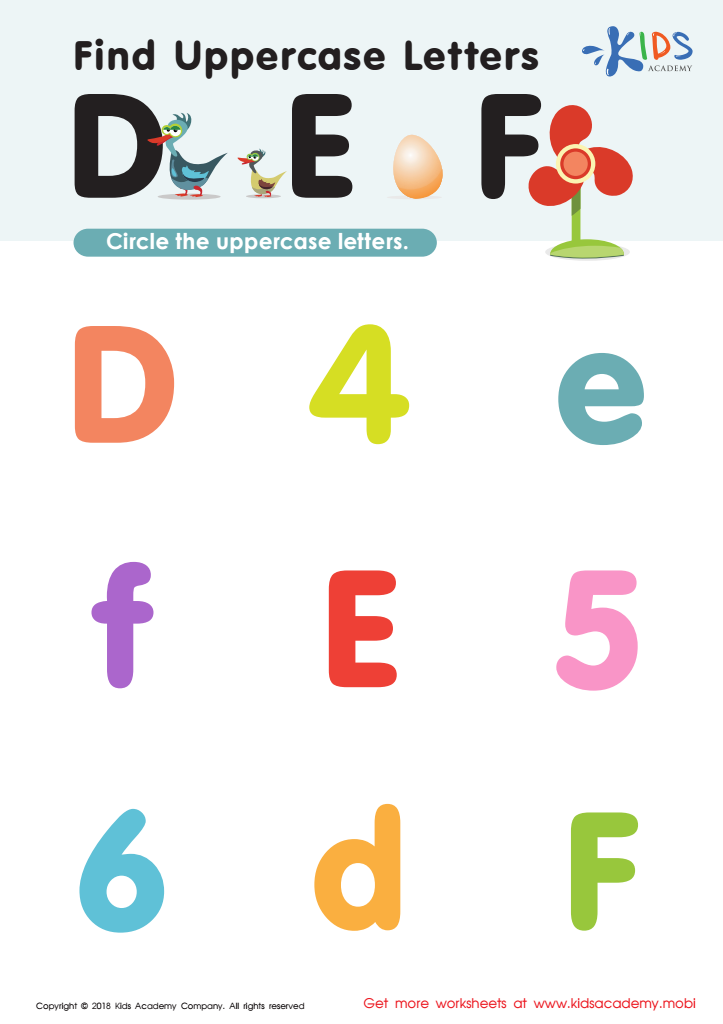
Find Uppercase Letters D, E, and F Worksheet
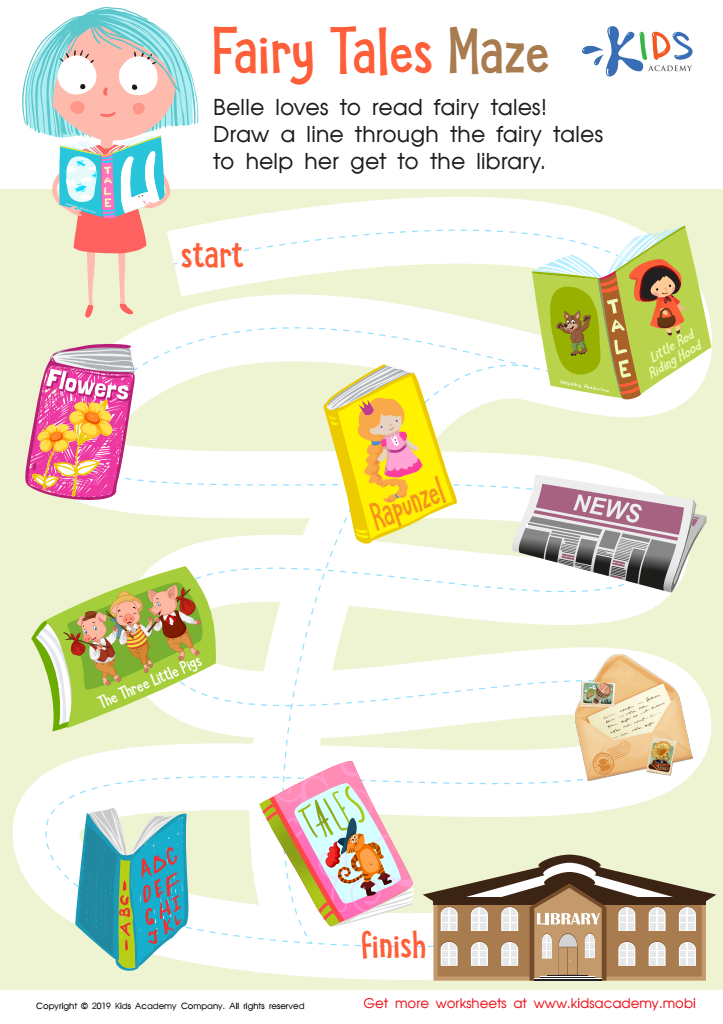
Fairy Tales Maze Worksheet
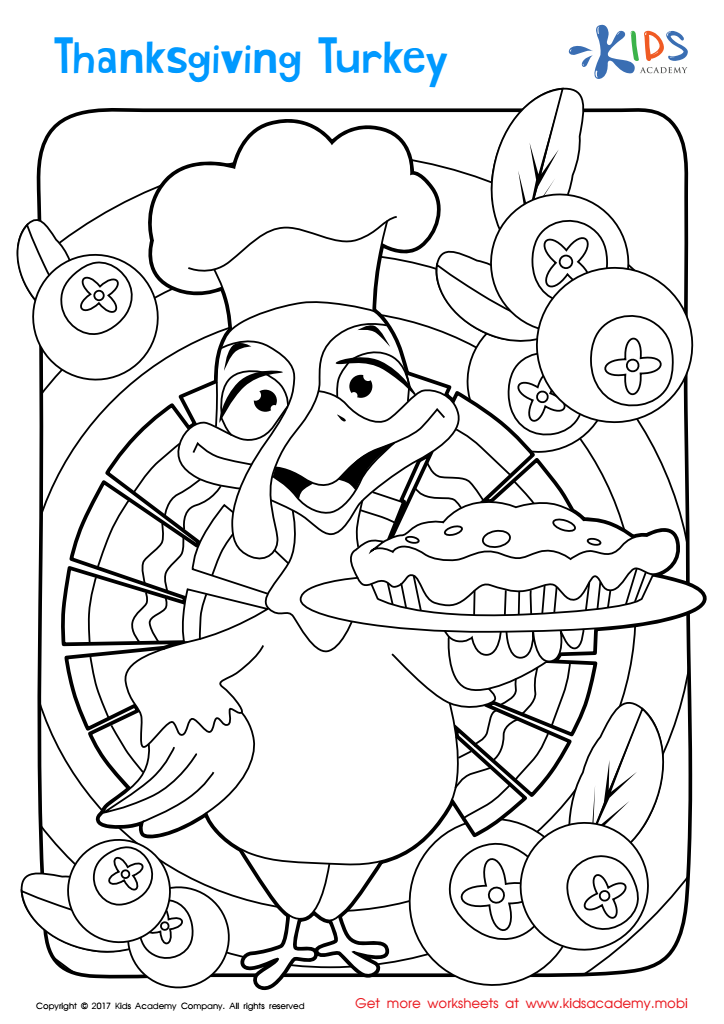
Turkey Thanksgiving Day Worksheet
 Assign to My Students
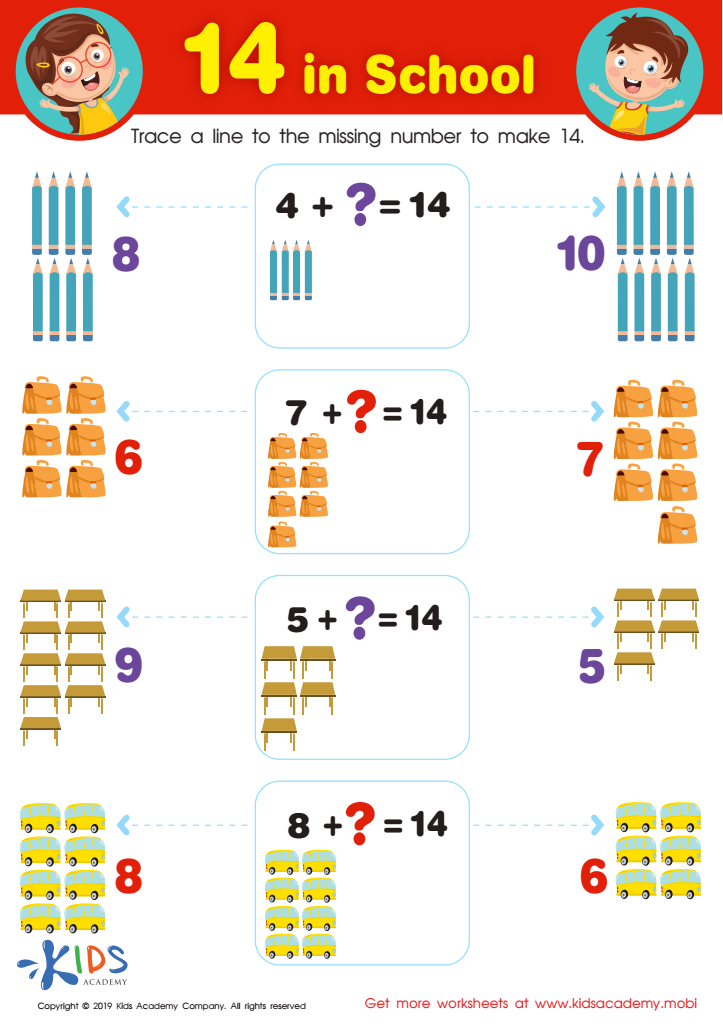
14 in School Worksheet
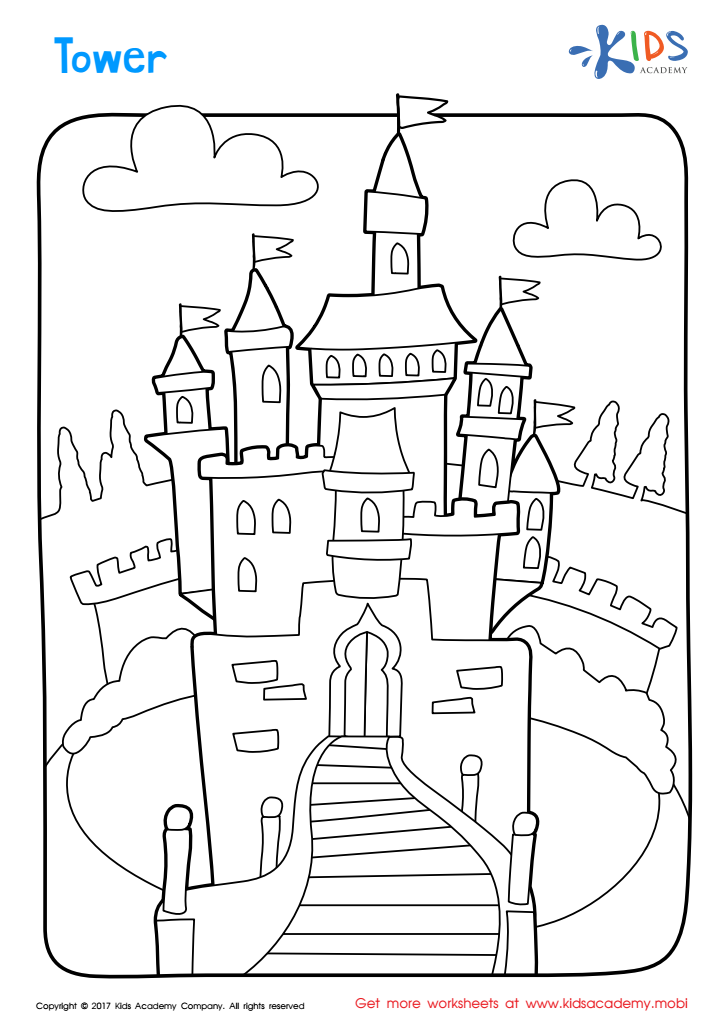
Tower Coloring Page
Assign to My Students
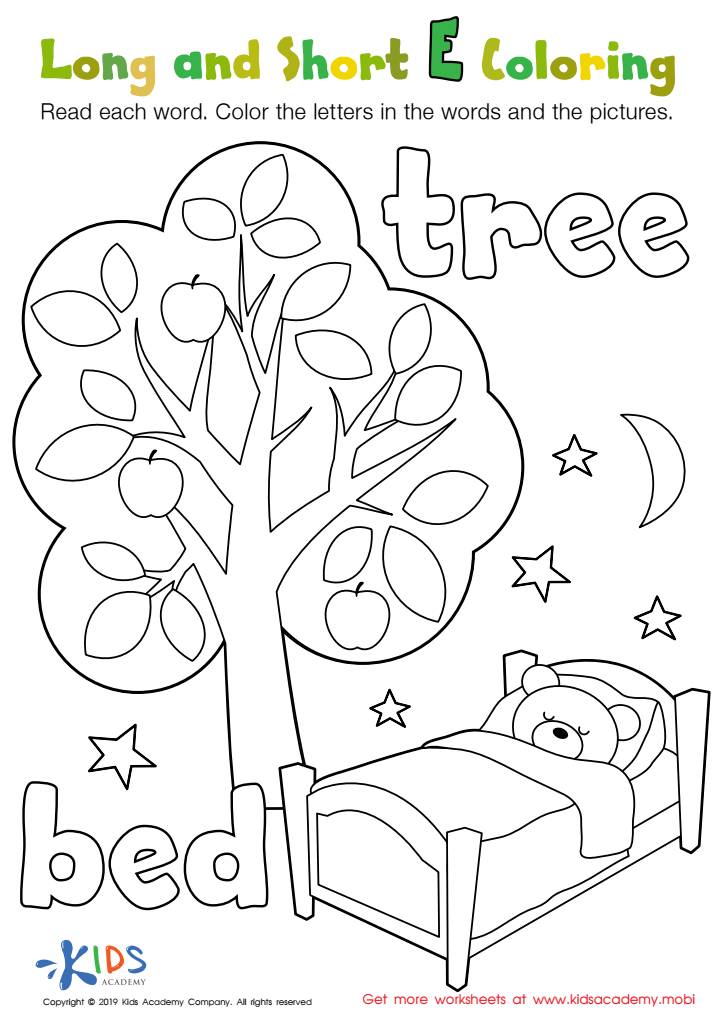
Long and Short E Worksheet
Assign to My Students

Letter D Tracing Page





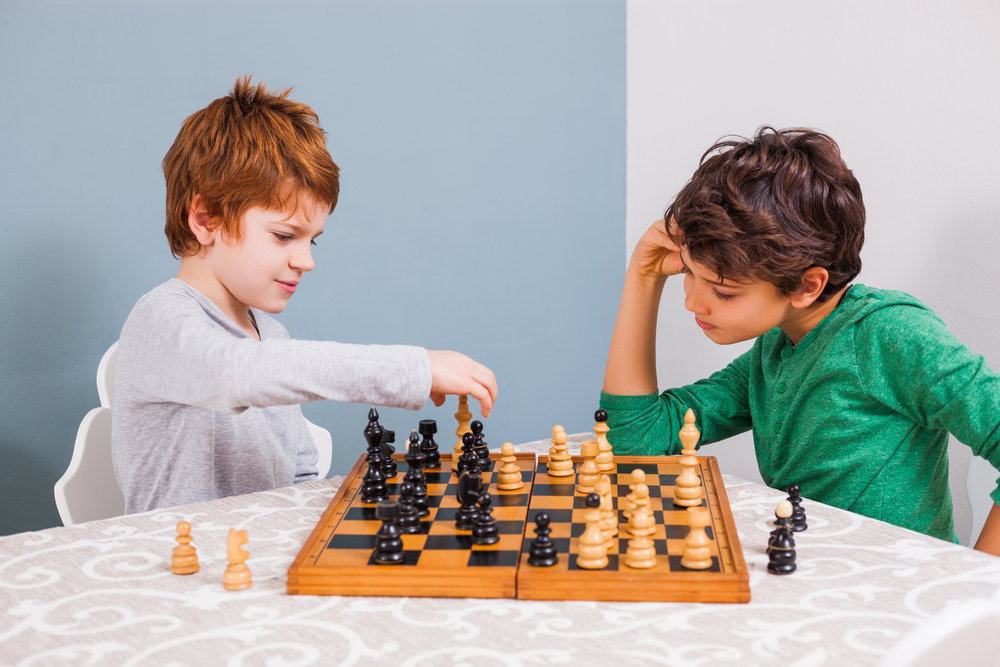


Hand-eye coordination is a crucial developmental milestone for children aged 4-6, as it significantly influences their ability to engage in everyday activities and academic success. This skill involves the ability to synchronize visual input with hand movements, a necessary function for tasks such as writing, drawing, coloring, and participating in sports.
For parents and teachers, fostering hand-eye coordination is essential for several reasons. Firstly, children with strong hand-eye coordination are often more confident in their physical abilities. This confidence can lead to increased participation in classroom activities and physical play, promoting overall social and emotional development. Secondly, proficient hand-eye coordination sets the foundation for fine motor skills, which are vital for writing and academic performance as children progress to higher grade levels.
Additionally, activities that enhance hand-eye coordination, such as puzzles, crafting, or interactive games, can be both enjoyable and beneficial. Engaging children in these activities can improve focus, concentration, and patience while nurturing a love for learning. By prioritizing hand-eye coordination, parents and teachers can equip children with essential skills that will enhance their academic and personal lives, setting a positive trajectory for their future development.








