Matching numbers Normal Worksheets for Ages 4-6
6 filtered results
-
From - To
Welcome to our "Matching Numbers Normal Worksheets" for children ages 4-6! These engaging worksheets are designed to enhance number recognition and fine motor skills through fun matching activities. Perfect for early learners, our worksheets incorporate colorful illustrations and easy-to-follow instructions that keep kids excited while learning. By connecting the dots between numbers and corresponding images, children improve their counting abilities and mathematical foundation. Educators and parents will find them valuable for classroom or home learning. Start your child’s mathematical journey today with our interactive and educational resources that make learning numbers not only effective but enjoyable!
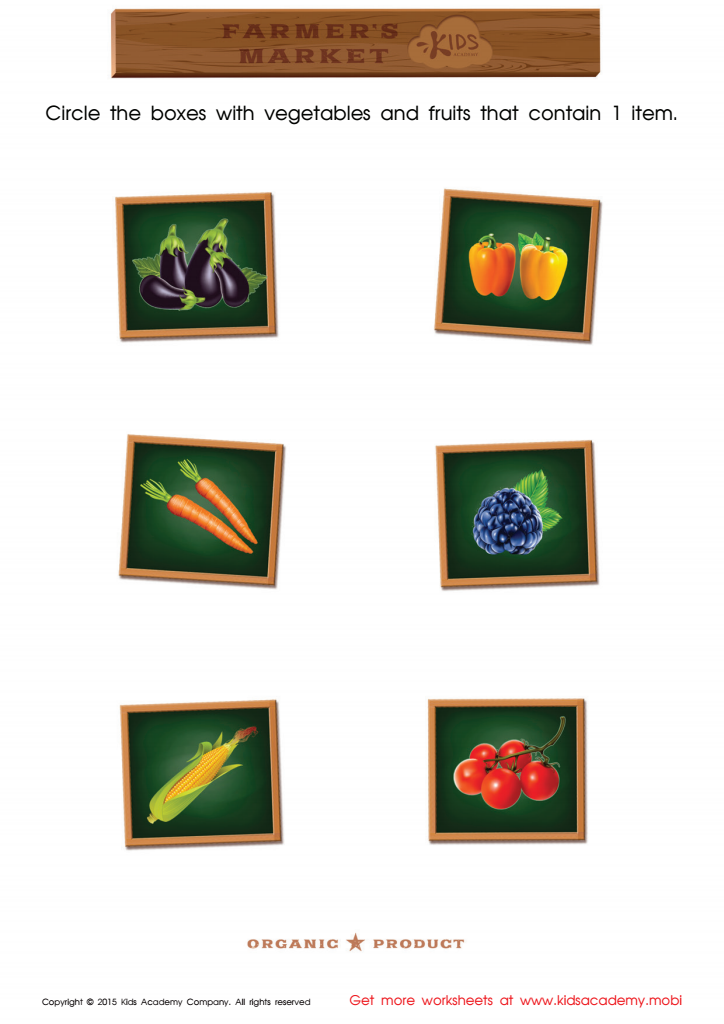
Count and Match Boxes with Vegetables
 Assign to My Students
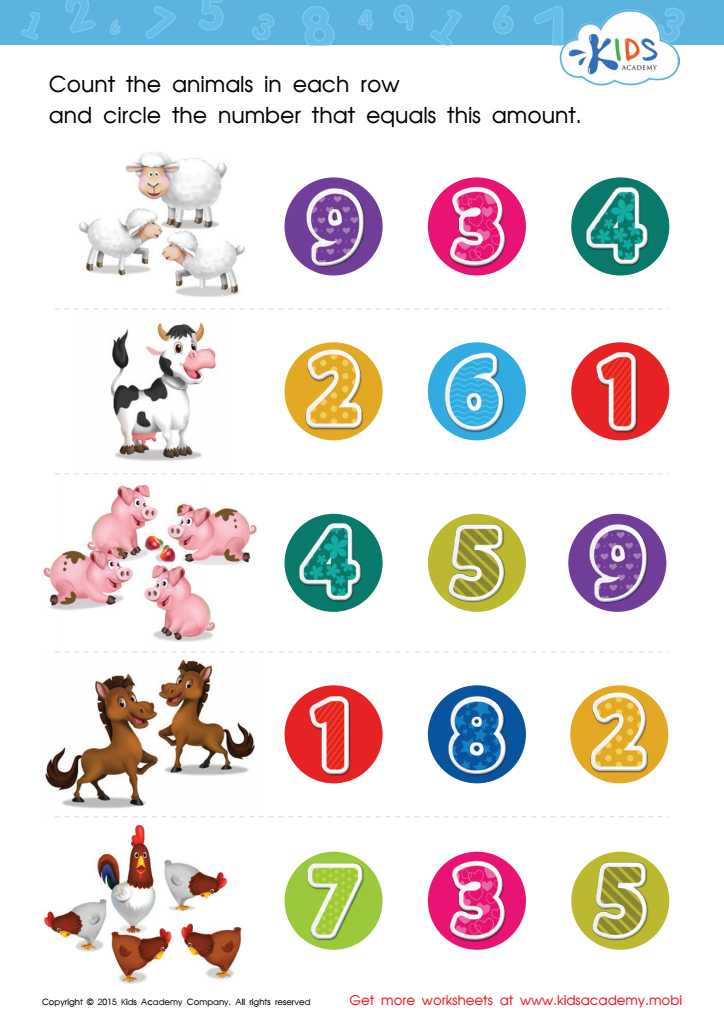
Count and Match 1 – 5 Math Worksheet
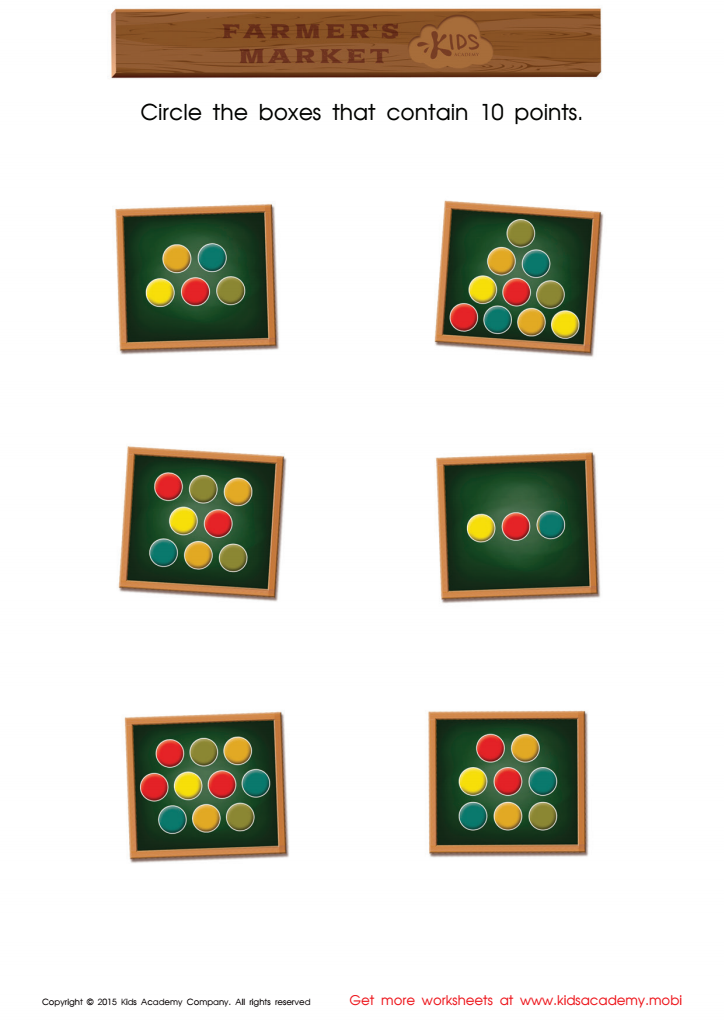
Count and Match Points 10 Math Worksheet
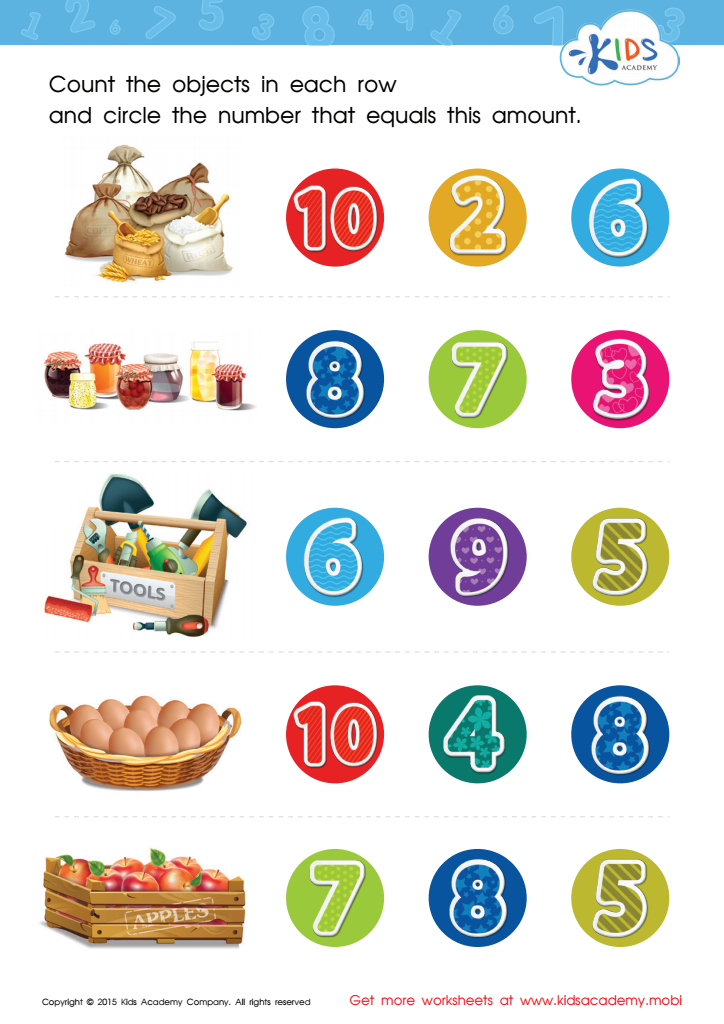
Count and Match 6 – 10 Math Worksheet
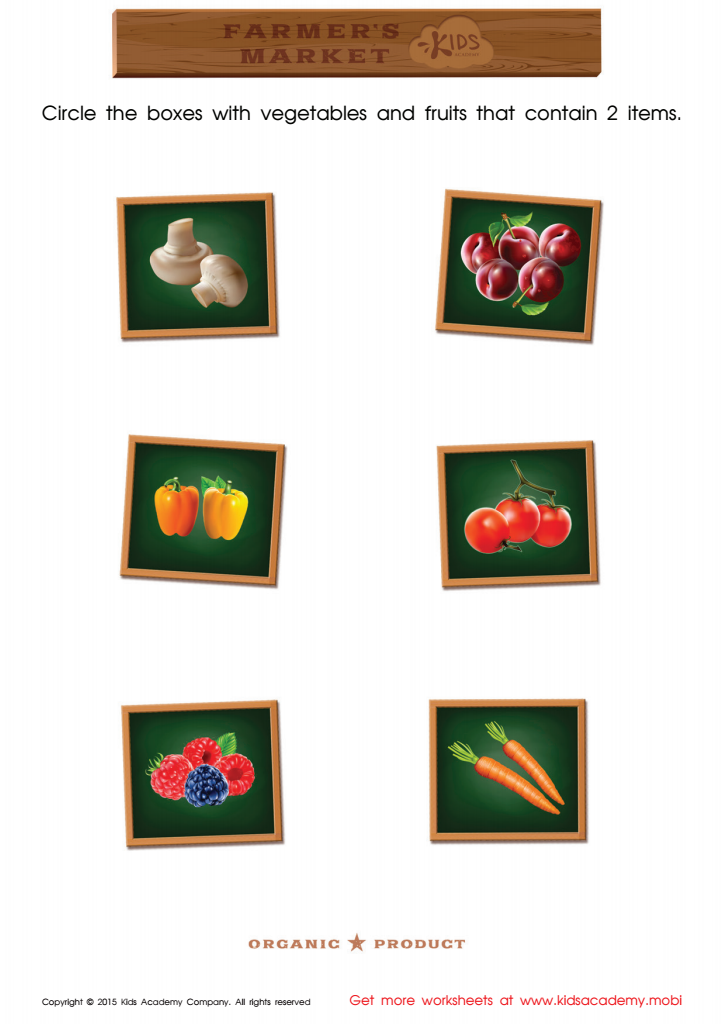
Count and Match Vegetables and Points Math Worksheet
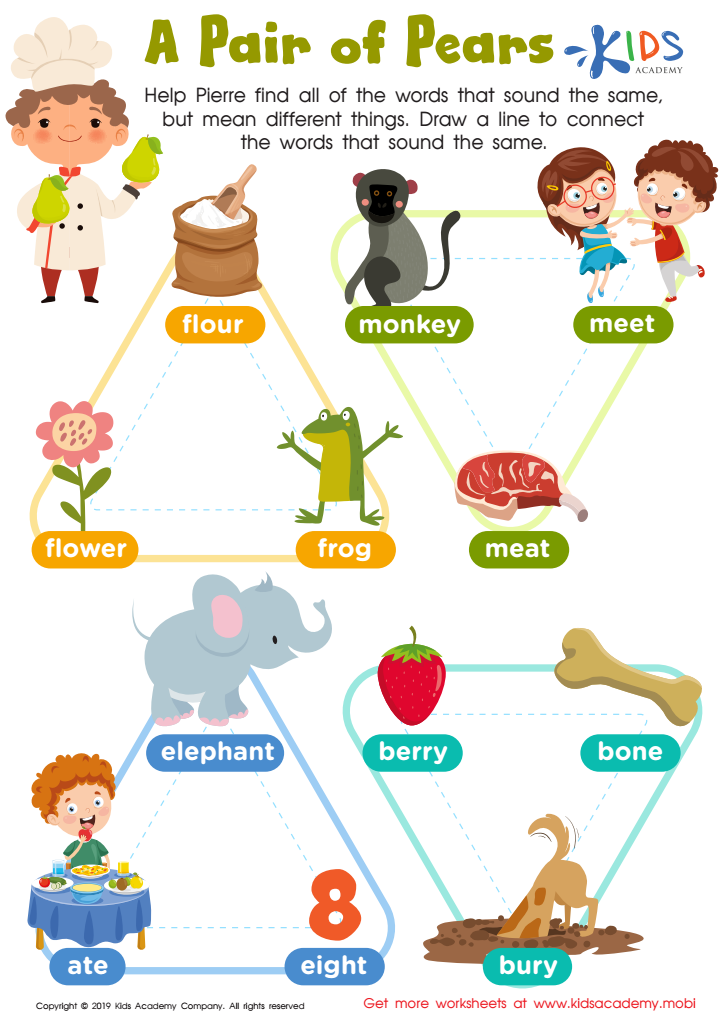
Pair Pears Worksheet


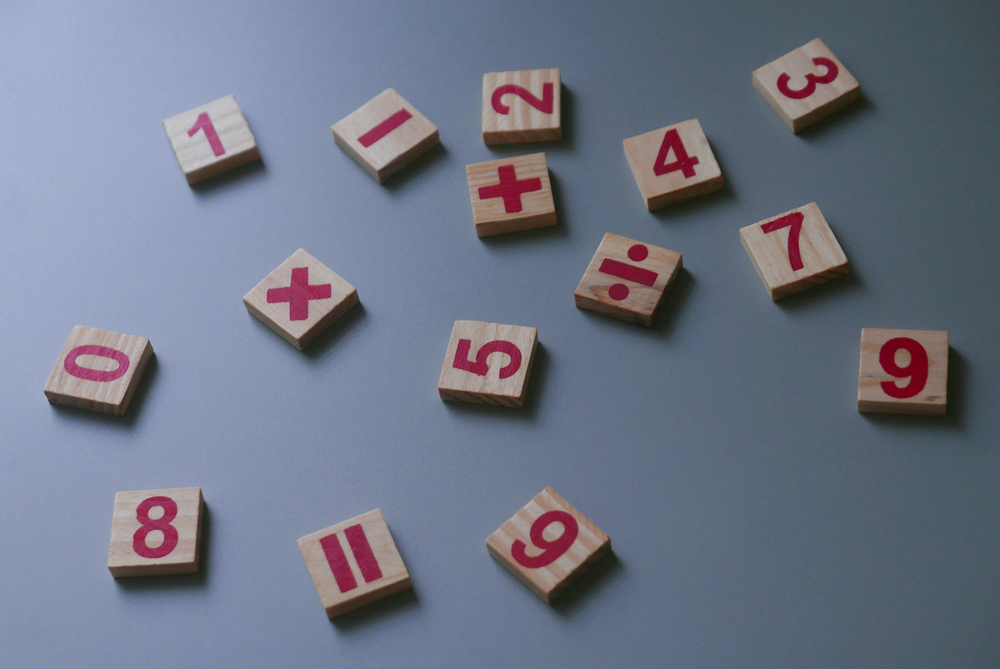





Parents and teachers should care about matching numbers while engaging children aged 4-6 because this activity lays the foundation for critical early math skills. At this developmental stage, children begin to understand numerical concepts, patterns, and the relationships between quantities. Matching numbers enhances their number recognition, helps with counting skills, and fosters spatial awareness.
This activity also contributes to cognitive development by promoting problem-solving and analytical thinking. When children match numbers, they not only learn to identify values but also start recognizing the uniqueness of each numeral. Furthermore, engaging in number matching can build fine motor skills through handling materials such as cards or counting objects, which is beneficial for overall physical development.
Socially, as children participate in matching numbers with peers or adults, they develop communication skills, learn to share, take turns, and collaborate—all vital components of social interaction. Hence, pairing skills from math with social elements enriches their learning experience, making it not just educational but also enjoyable.
In essence, matching numbers is more than just a numeric exercise; it is a multifaceted tool that supports key developmental milestones in young children, making it a significant focus for both parents and educators.








