Reading Skills Normal Worksheets for Ages 4-6
19 filtered results
-
From - To
Improve your child's reading skills with our engaging Normal Worksheets for Ages 4-6! Designed specifically for early learners, these worksheets combine fun and education to help kids develop essential reading comprehension and recognition abilities. Featuring vibrant illustrations and age-appropriate exercises, our printable resources make learning enjoyable. From identifying letters and sounds to simple reading exercises, each worksheet is crafted to support your child's literacy journey. Perfect for use at home or in the classroom, these materials encourage independence and creativity while building a solid foundation in reading. Start enhancing your child's reading skills today with our comprehensive and interactive worksheets!
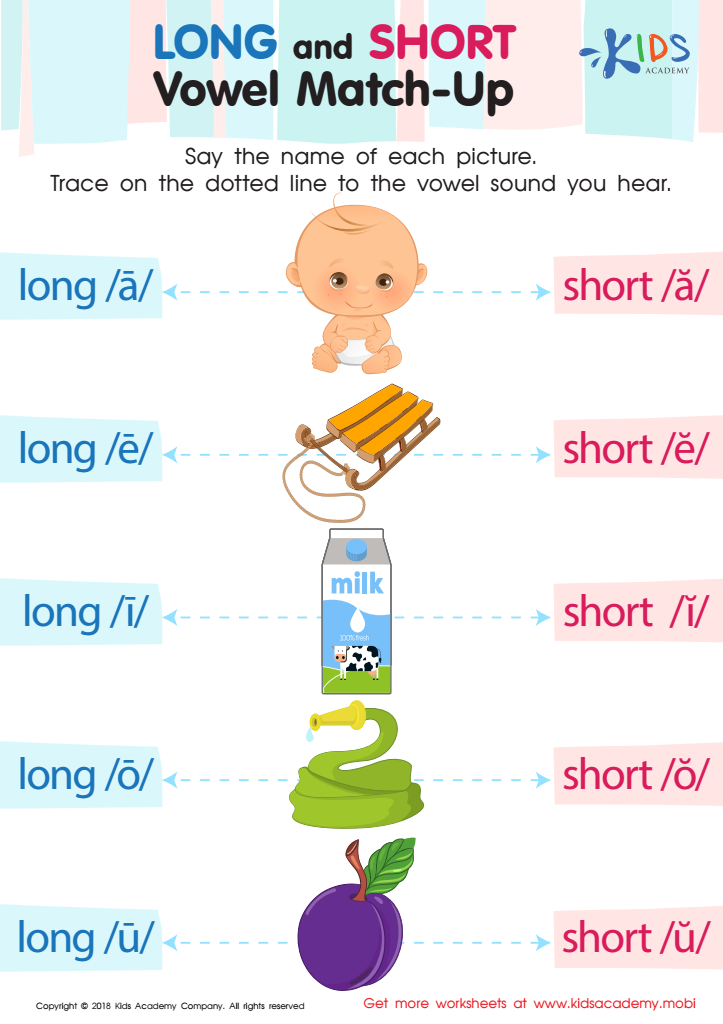
Long and Short Vowel Match up Reading Worksheet
 Assign to My Students
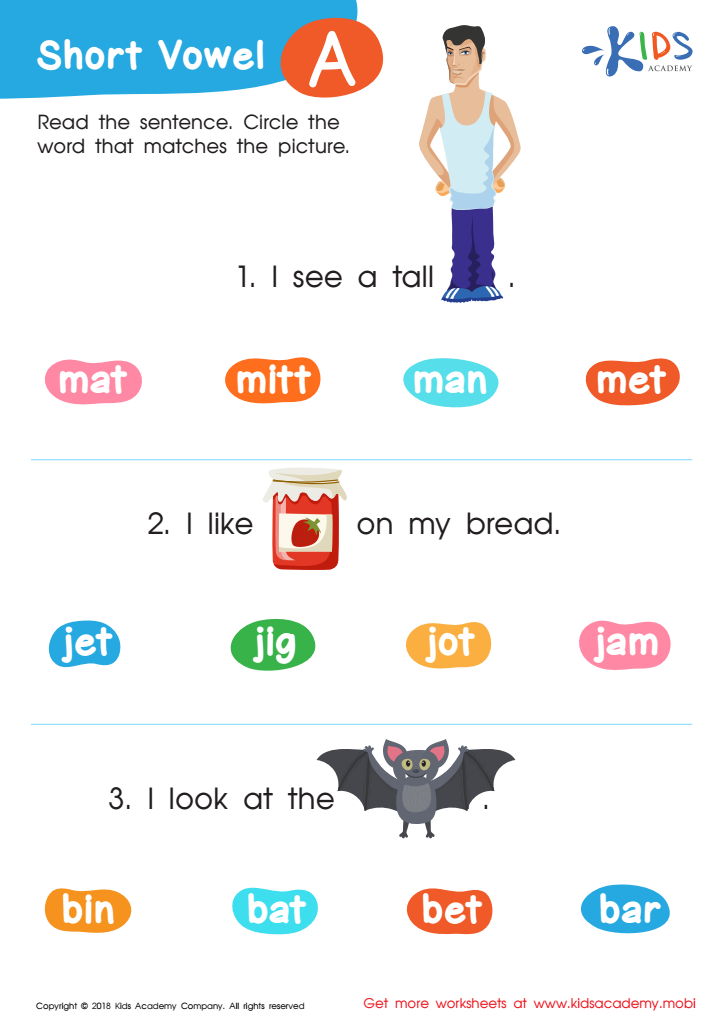
Short Vowel /a/ Worksheet
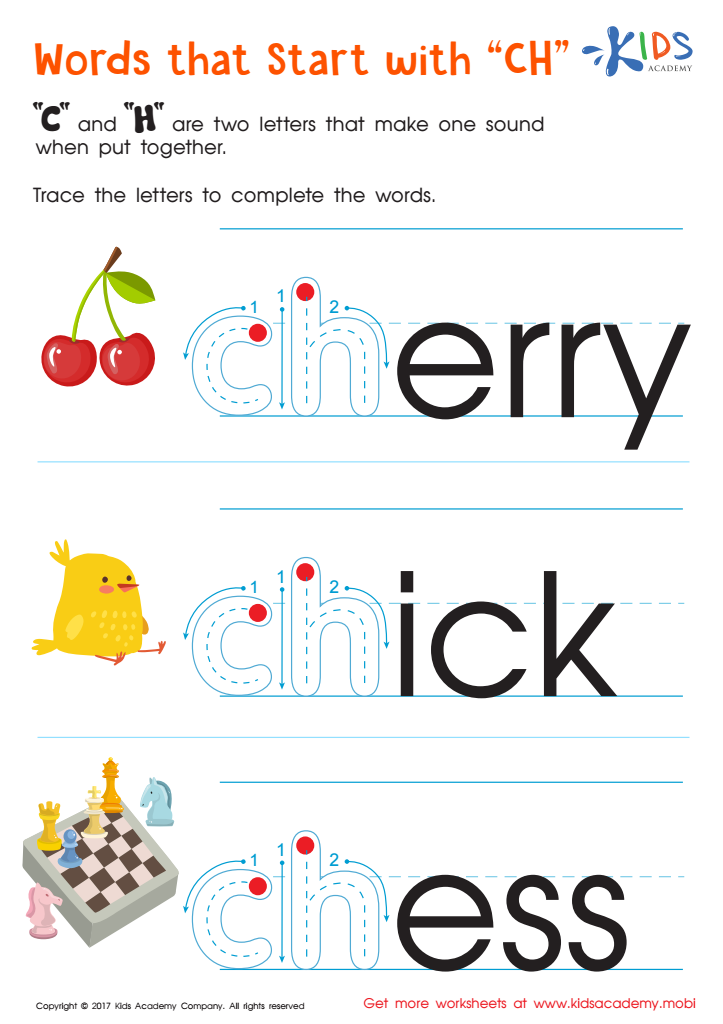
Words That Start with "ch" Spelling Worksheet
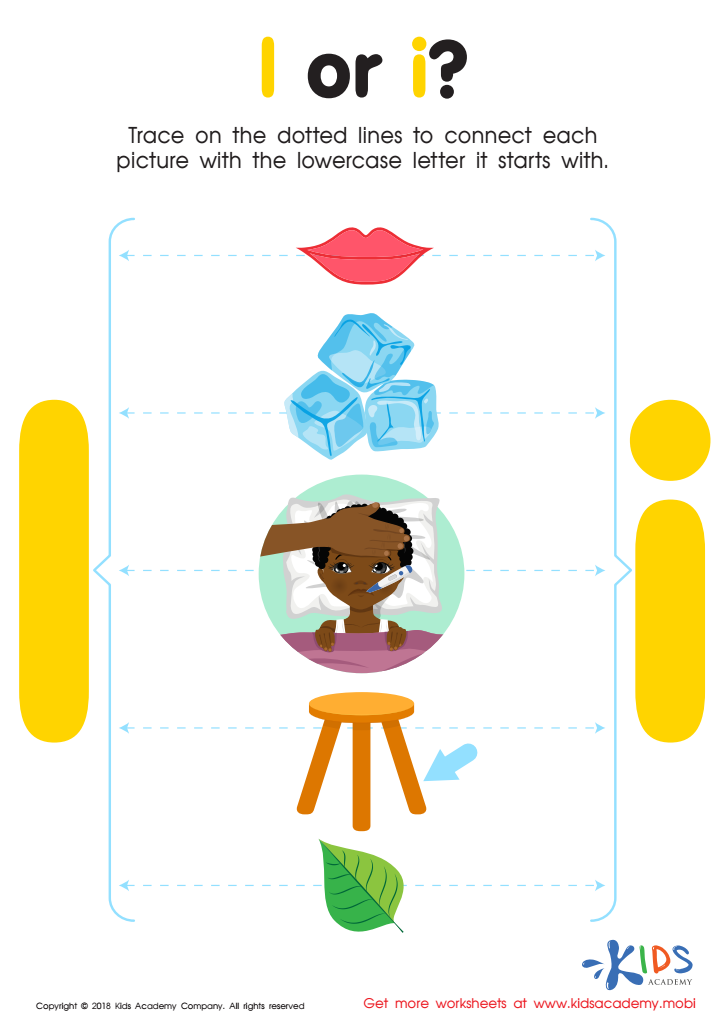
l or i? Worksheet
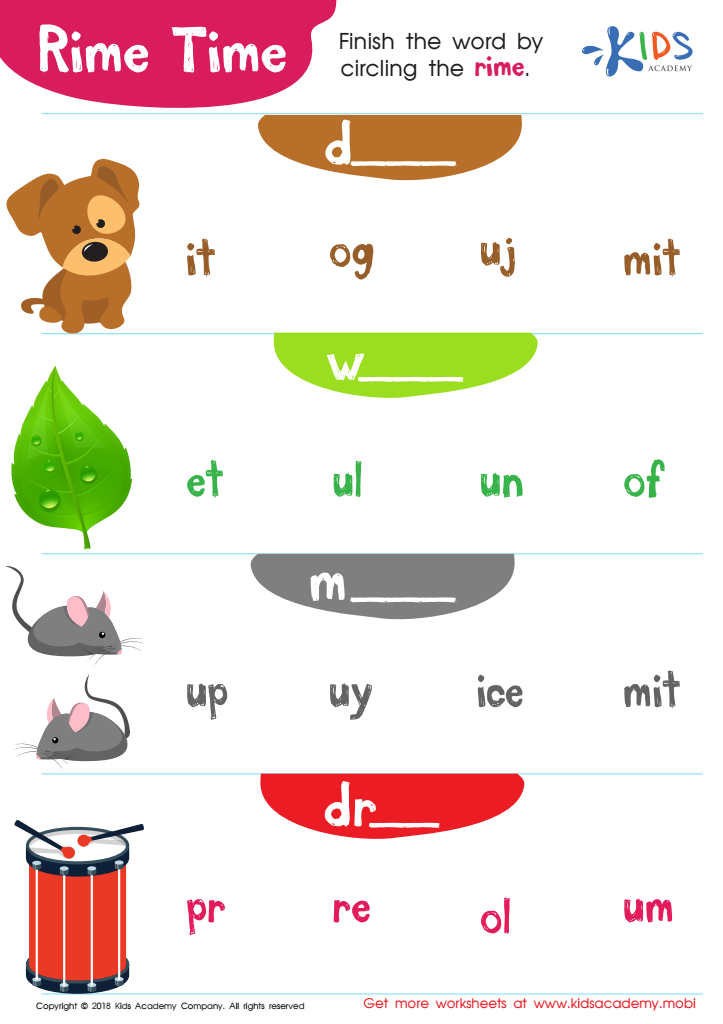
Rime Time Worksheet
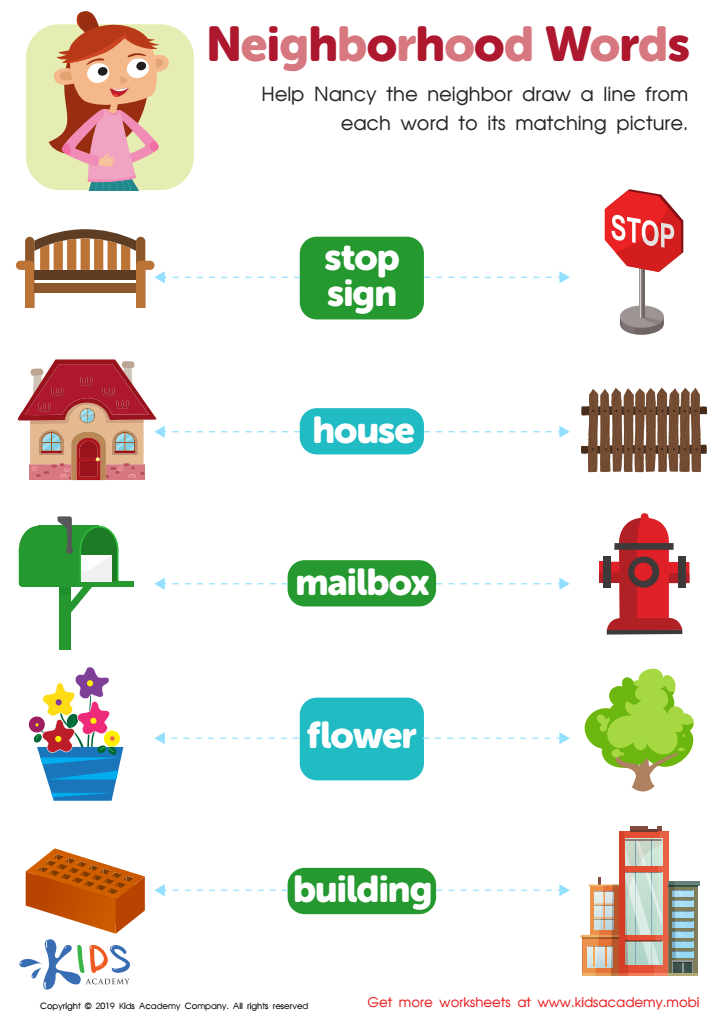
Neighborhood Words Worksheet
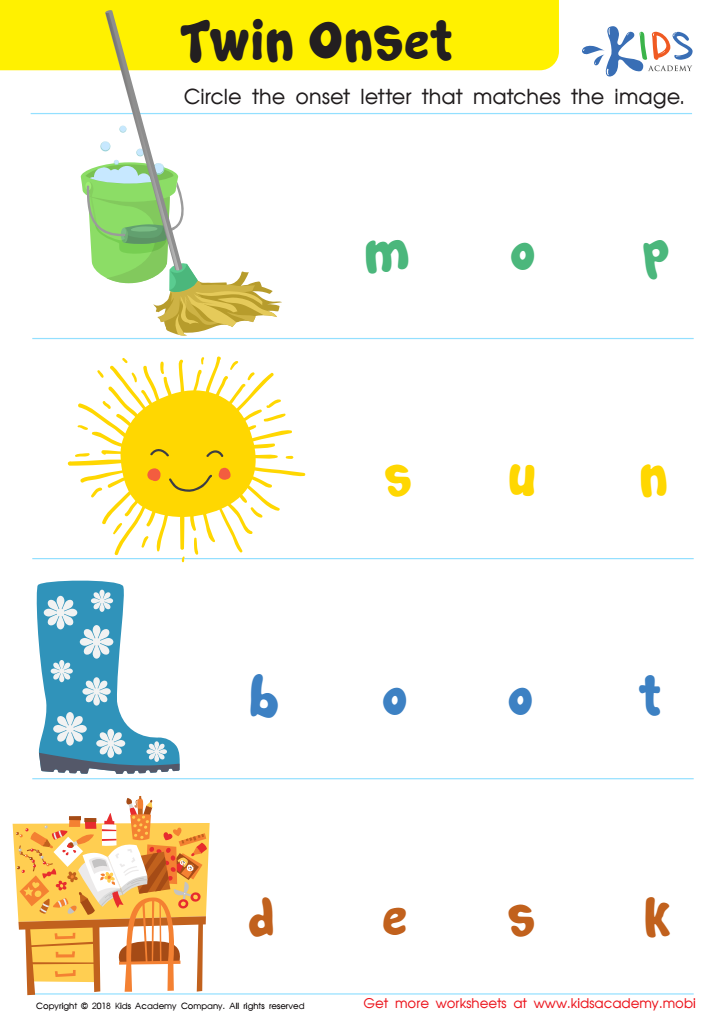
Twin Onset Worksheet
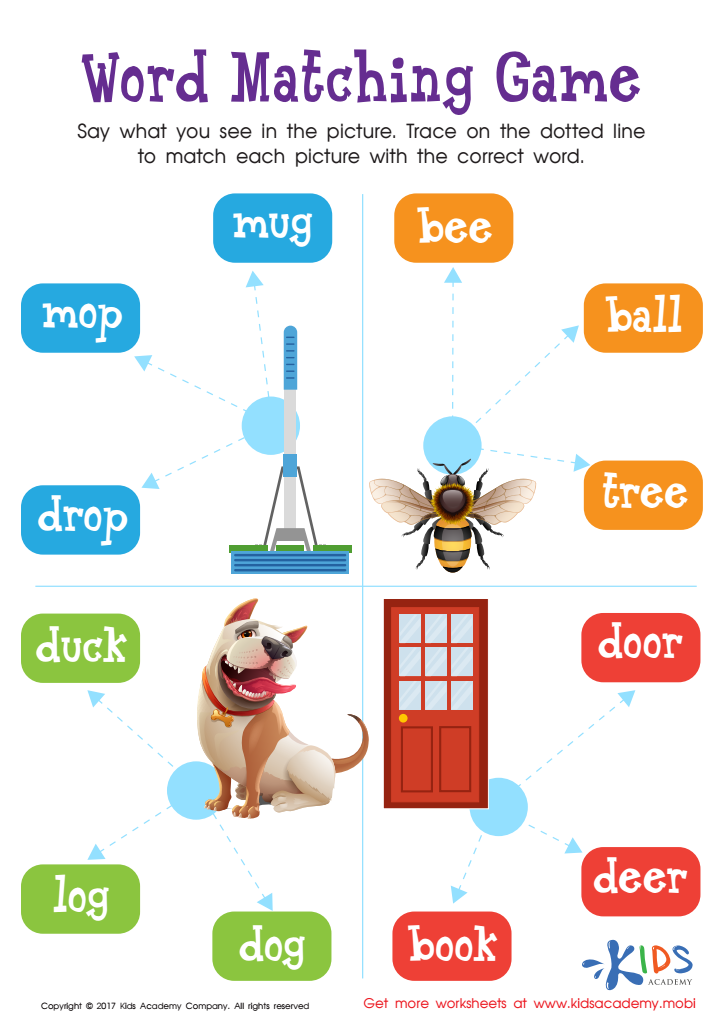
Word Matching Game Worksheet
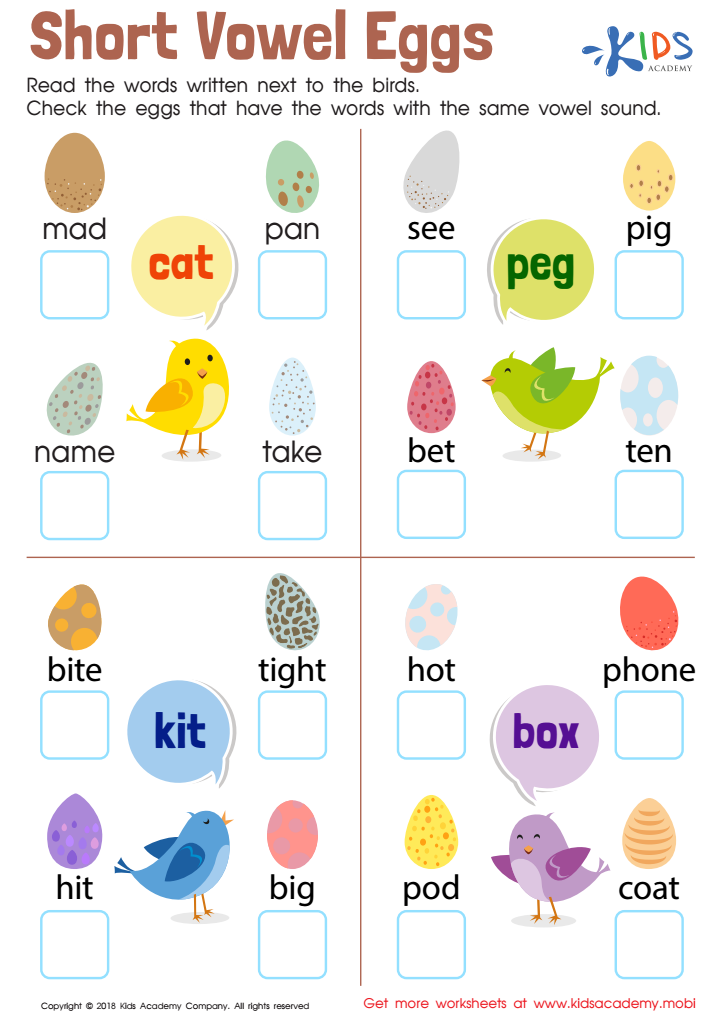
Short Vowel Eggs Worksheet
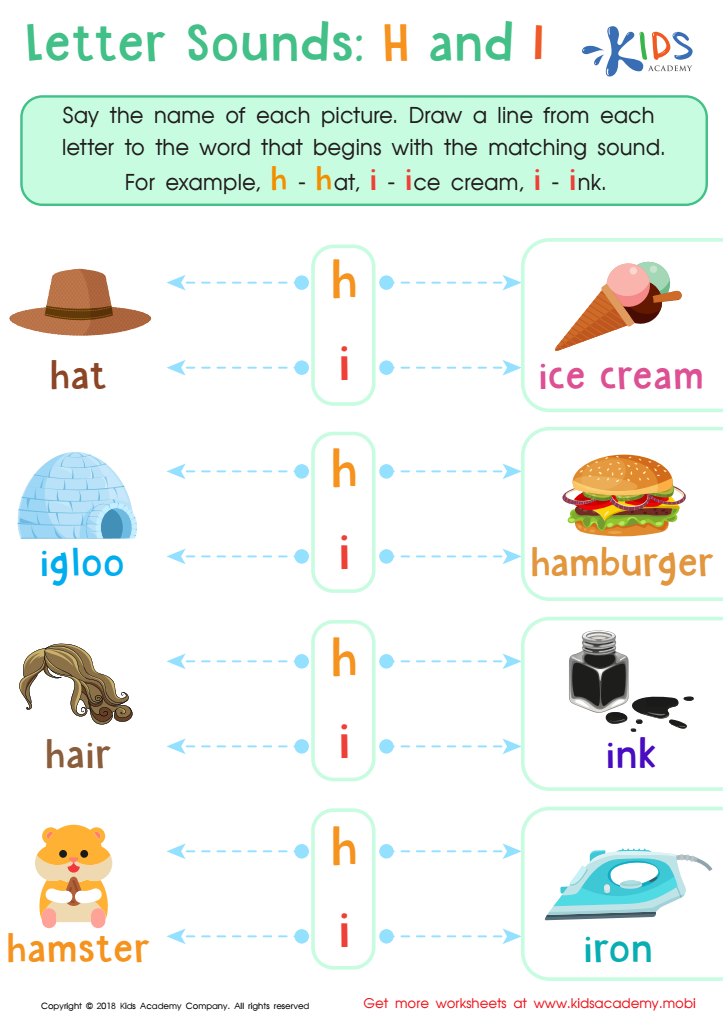
Letter H and I Sounds Worksheet
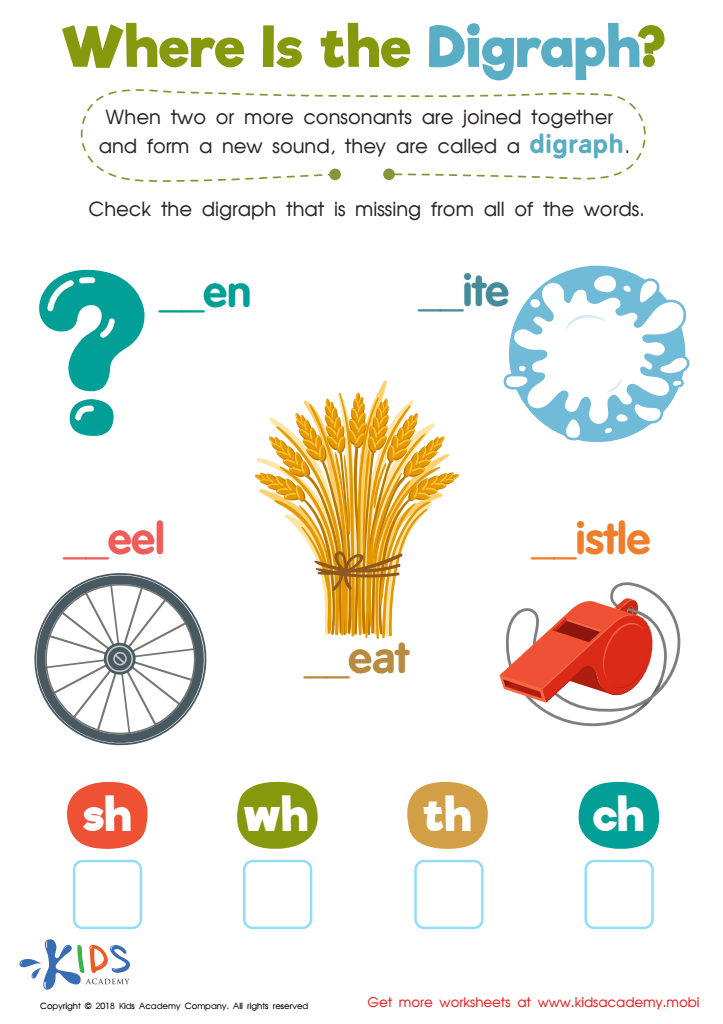
Where Is the Digraph? Worksheet
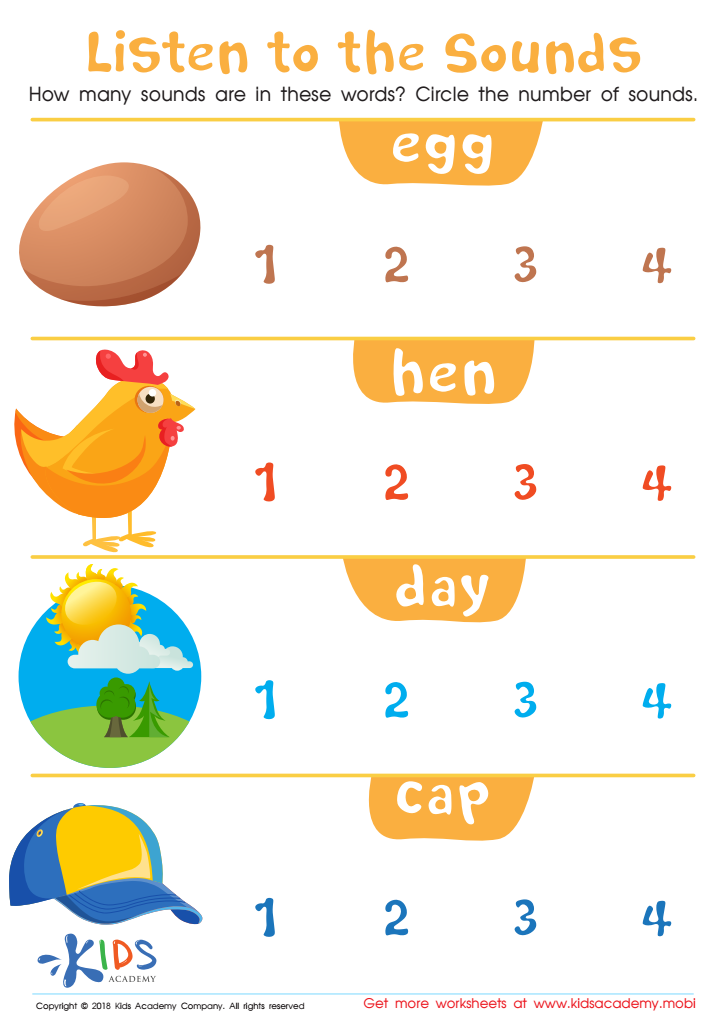
Listen to the Sounds Worksheet
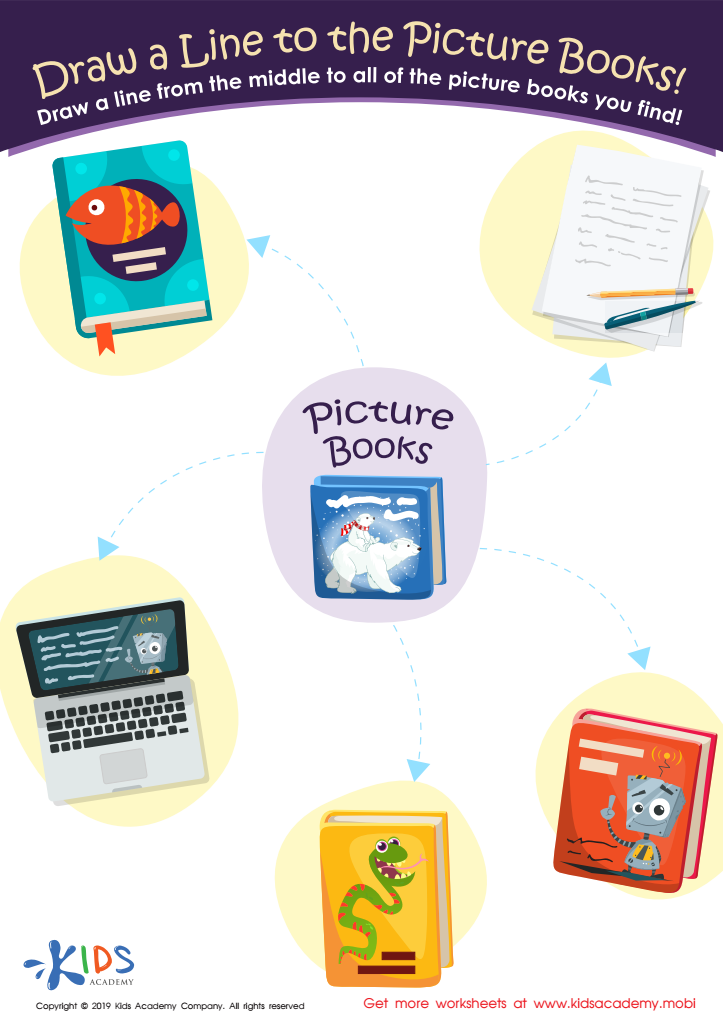
Draw a Line to the Picture Books Worksheet
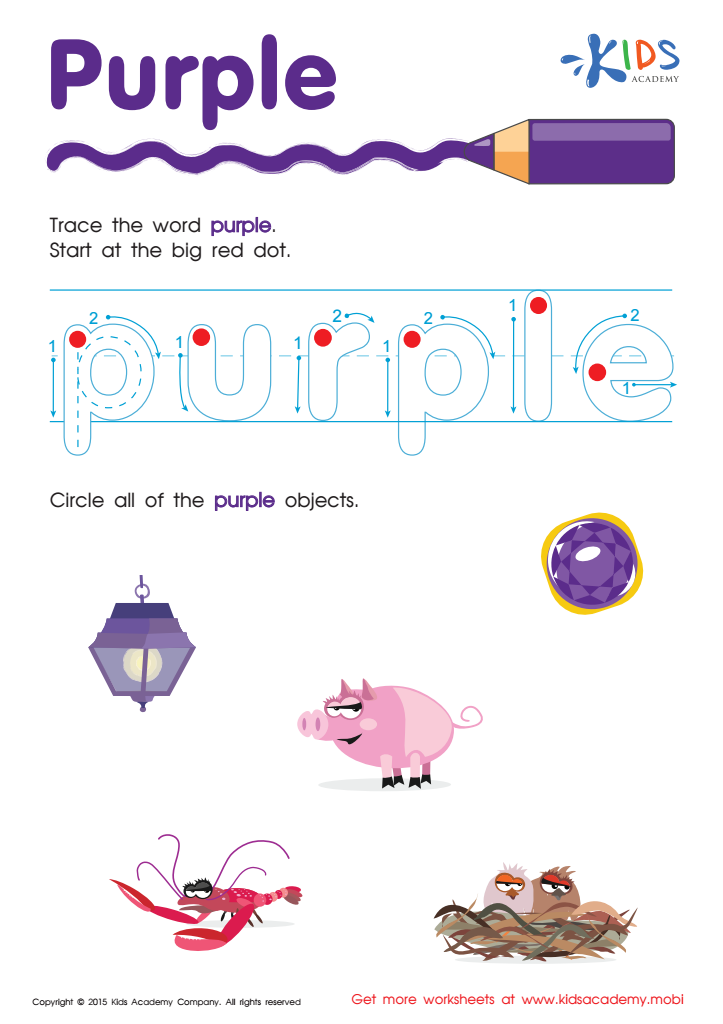
Purple Tracing Color Words Worksheet
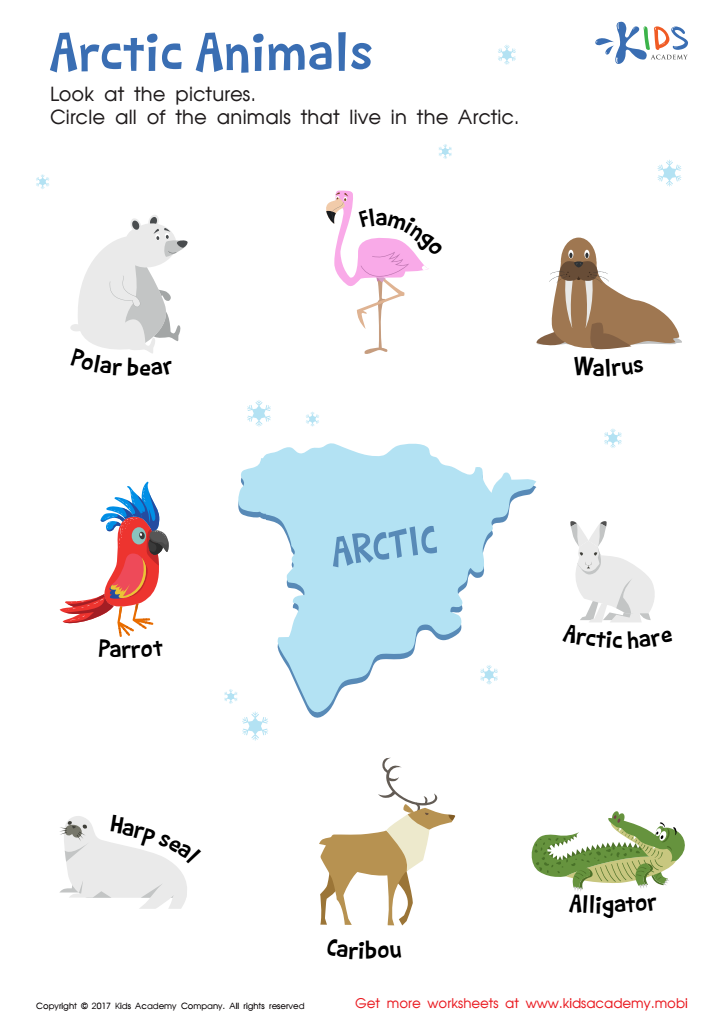
Arctic Animals Worksheet
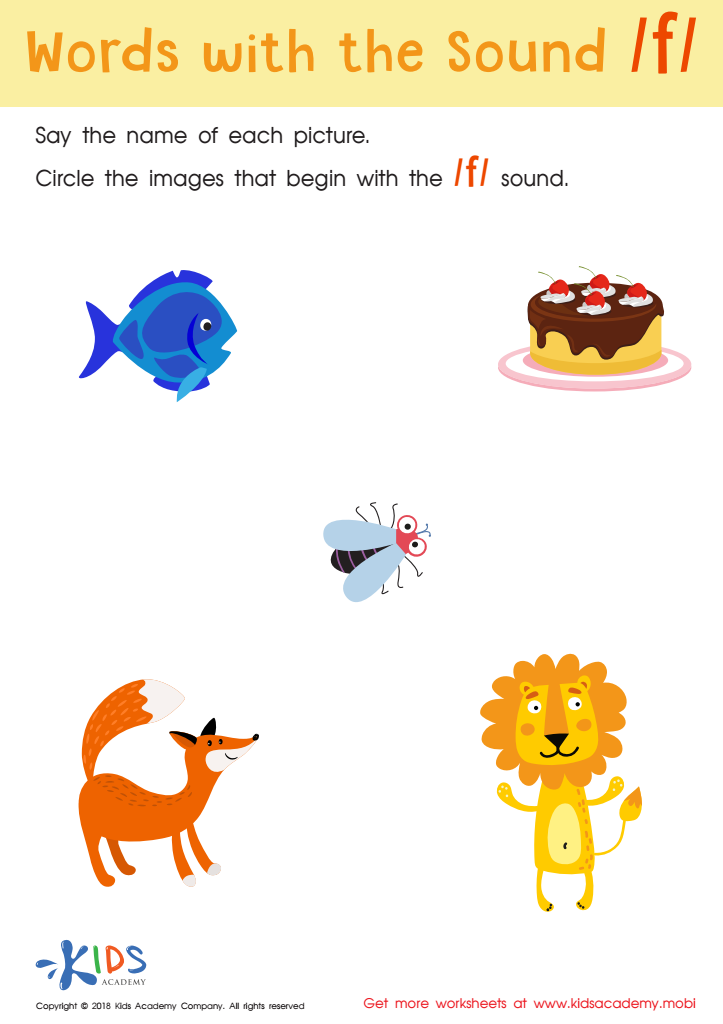
Words with sound f Reading Worksheet
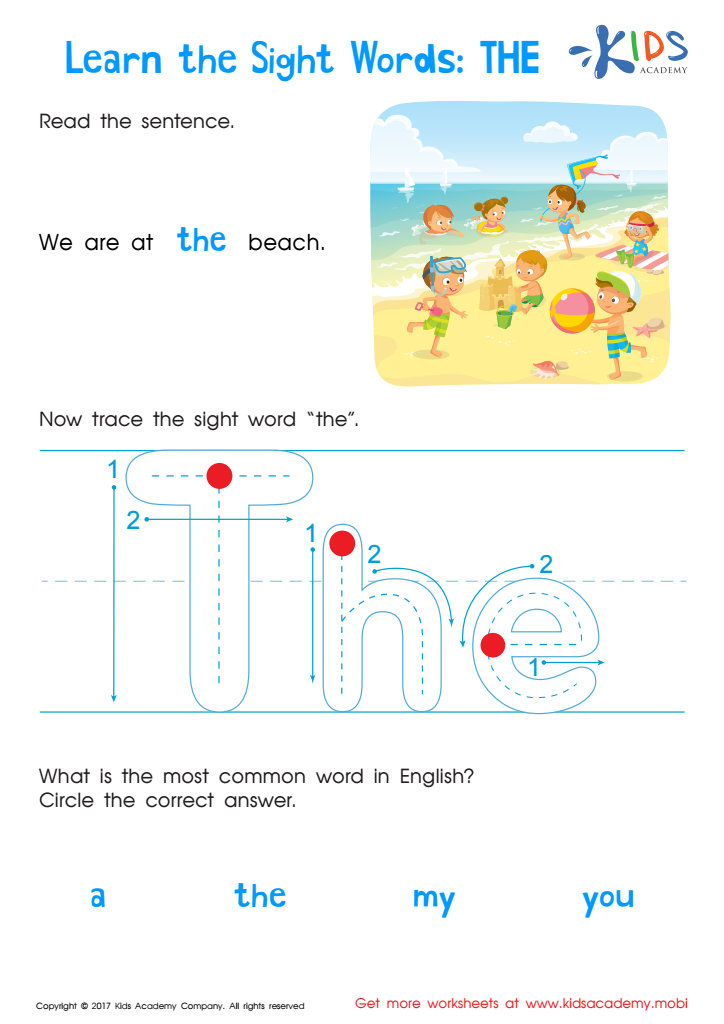
Sight Words: The Worksheet
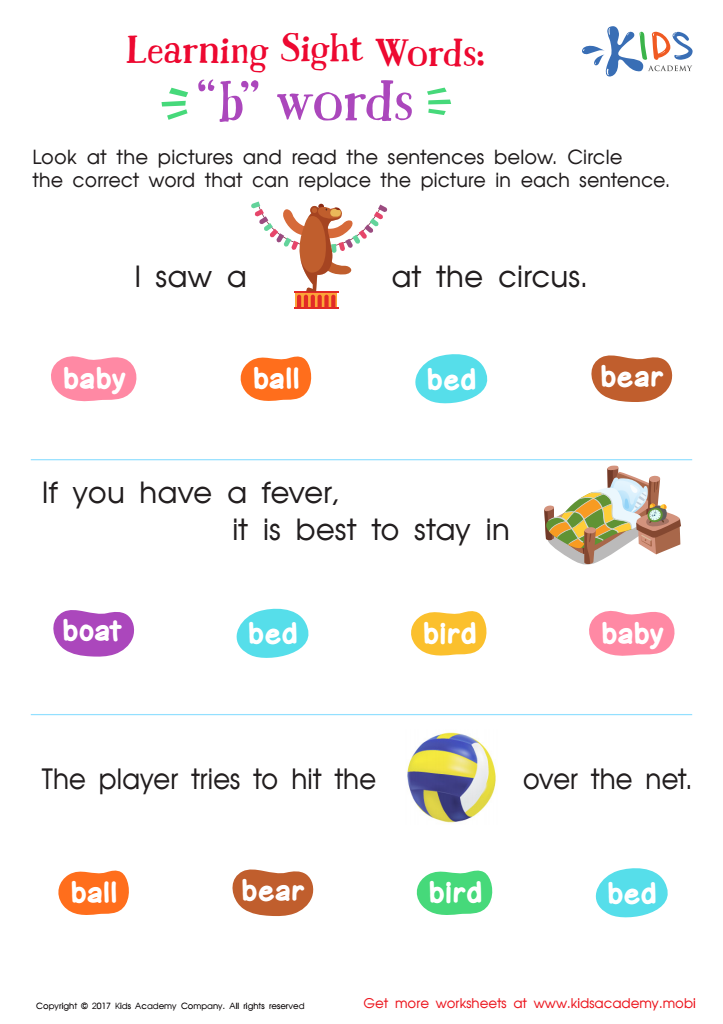
"B" Words Printable Sight Words Worksheet
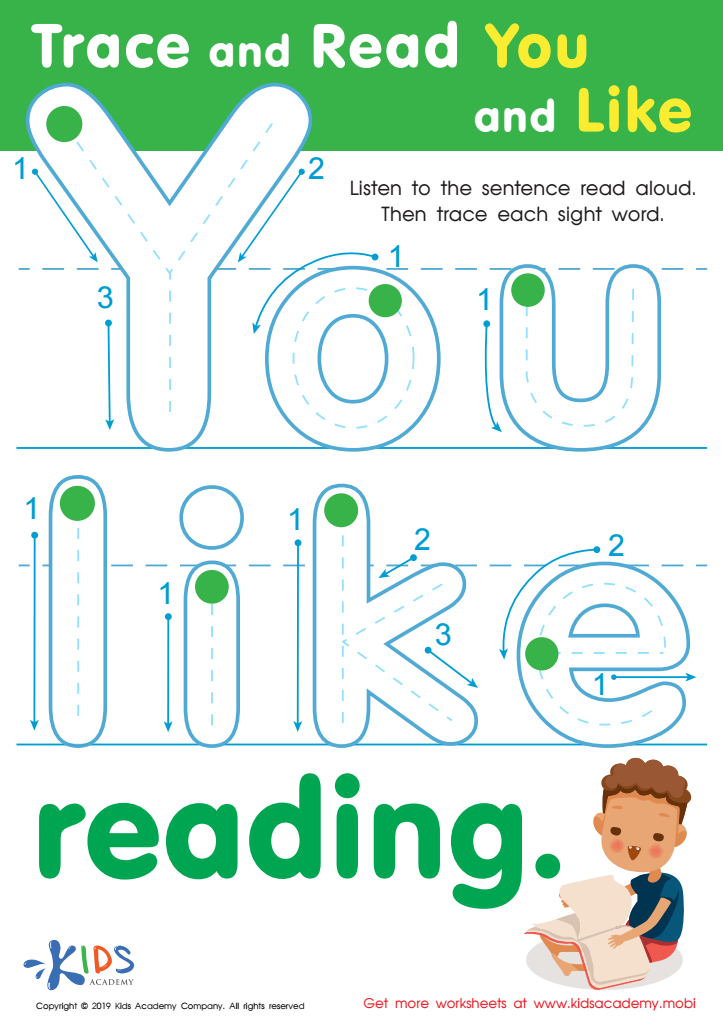
Trace Read You Like Worksheet






Reading skills development for children aged 4-6 is crucial for their academic and social success. During these formative years, children demonstrate rapid cognitive growth, making it essential for parents and teachers to actively engage in fostering literacy skills. Strong early reading skills create a solid foundation for future learning. Children who develop literacy skills at an early age tend to exhibit better vocabulary, comprehension, and communication abilities, which are vital in later years.
Furthermore, these skills support overall cognitive development. Reading introduces children to new concepts and ideas, enhancing their critical thinking and comprehension abilities. Additionally, it boosts their creativity and imagination, as exposure to stories helps them visualize and understand diverse perspectives.
Involvement in early reading activities can also improve parent-child and teacher-student relationships. Shared reading not only enriches vocabulary but also cultivates a love for books and learning. It encourages social interaction, listening skills, and collaborative engagement.
As children learn to decode, comprehend, and enjoy stories, they become more confident learners. This early investment in reading sets the stage for academic achievement, self-esteem, and lifelong learning habits, making it a priority for families and educators alike.








