Understanding shapes Normal Worksheets for Ages 4-6
5 filtered results
-
From - To
Explore the engaging world of shapes with our "Understanding Shapes Normal Worksheets" designed for children ages 4-6! These printable worksheets provide a fun and interactive way for young learners to identify, differentiate, and match various shapes. Each activity promotes essential skills such as critical thinking and fine motor development through vibrant illustrations and easy-to-follow instructions. Whether at home or in the classroom, these resources encourage creativity and enhance visual recognition skills. Perfect for early education, our worksheets foster a love for learning while ensuring that your child gains confidence in recognizing shapes in their everyday surroundings. Get started today!
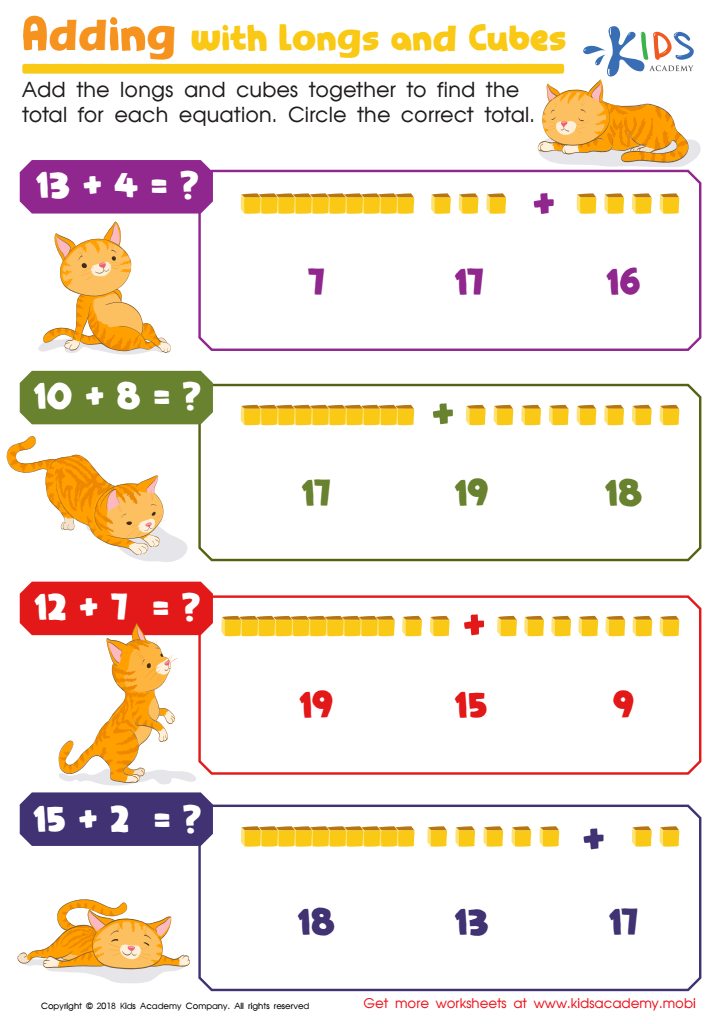
Adding With Longs and Cubes Worksheet
 Assign to My Students
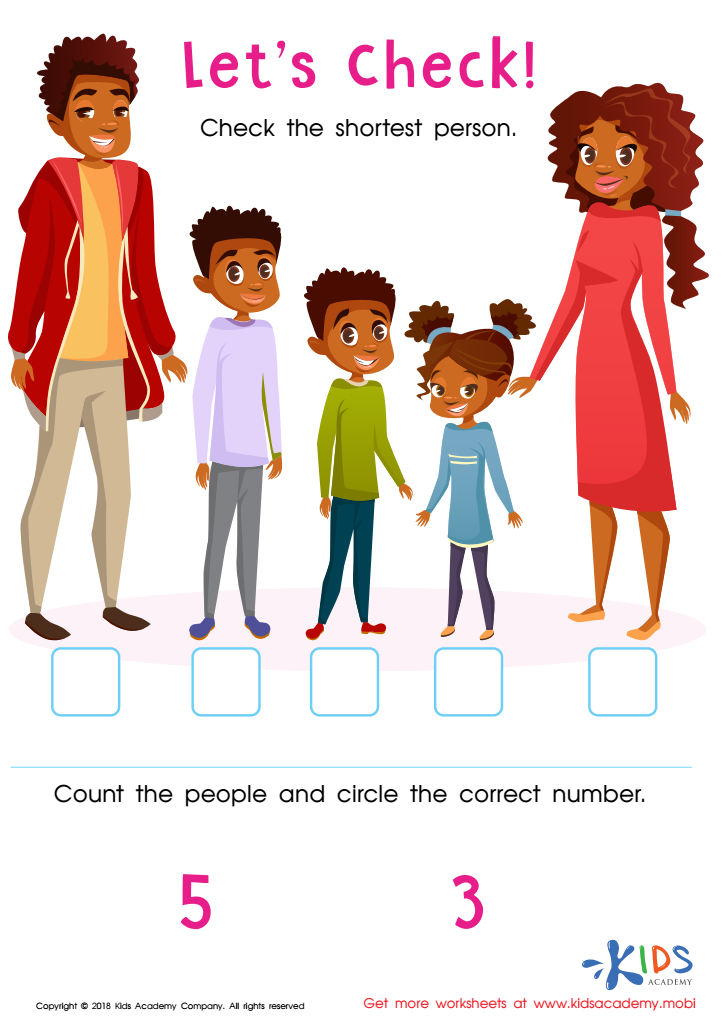
Let's Check! Assessment Worksheet
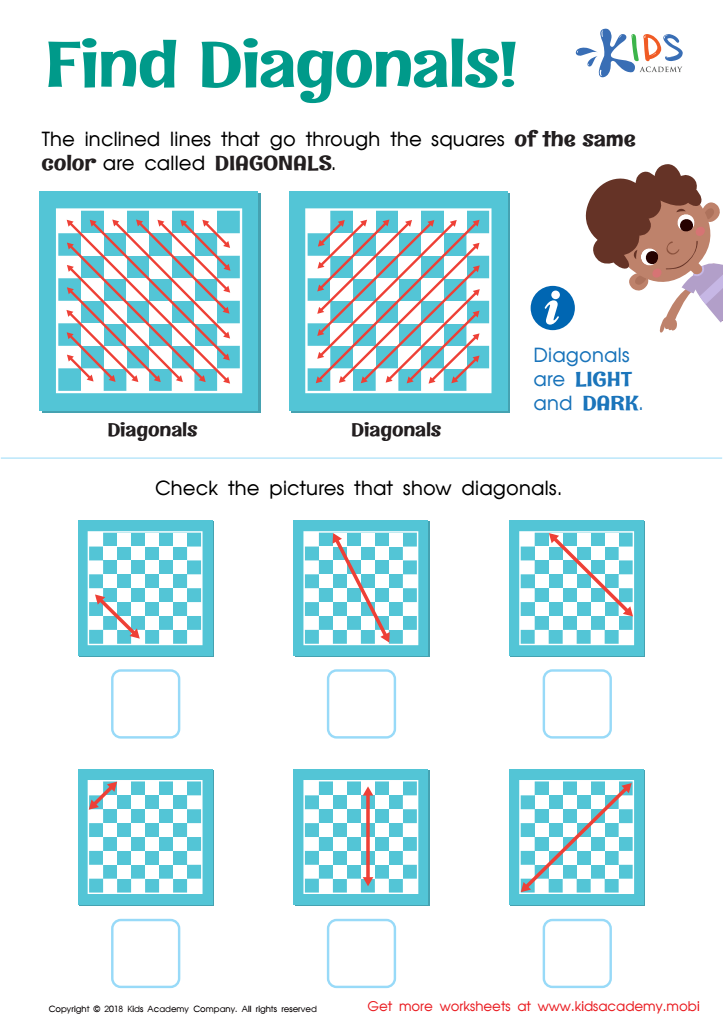
Find Diagonals Worksheet
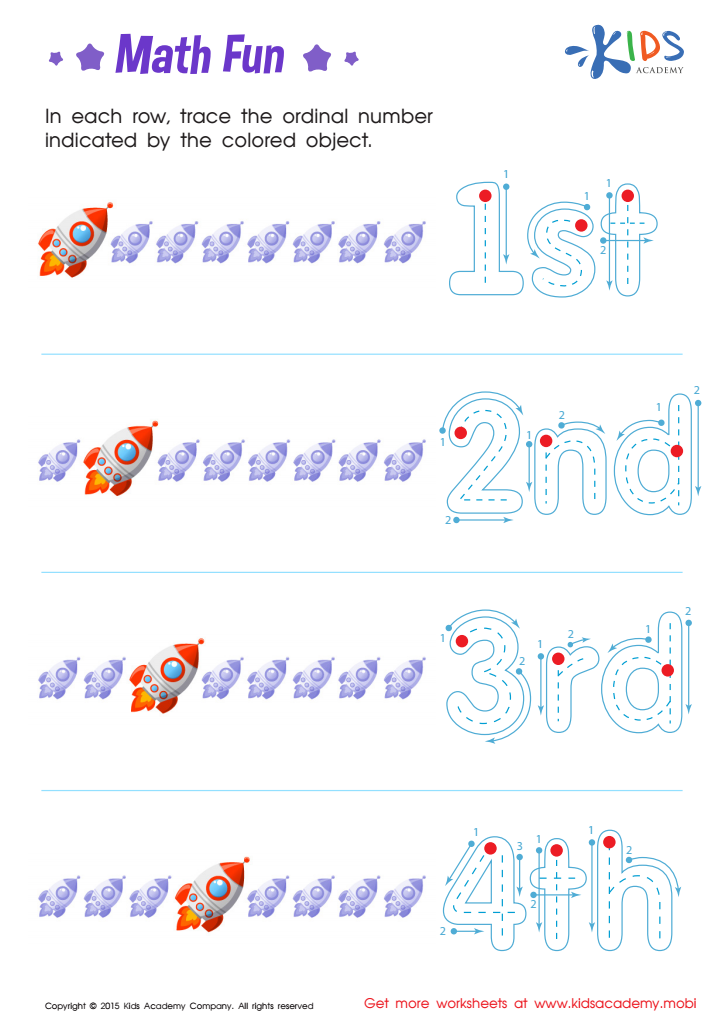
Ordinal Numbers: Math Fun Worksheet
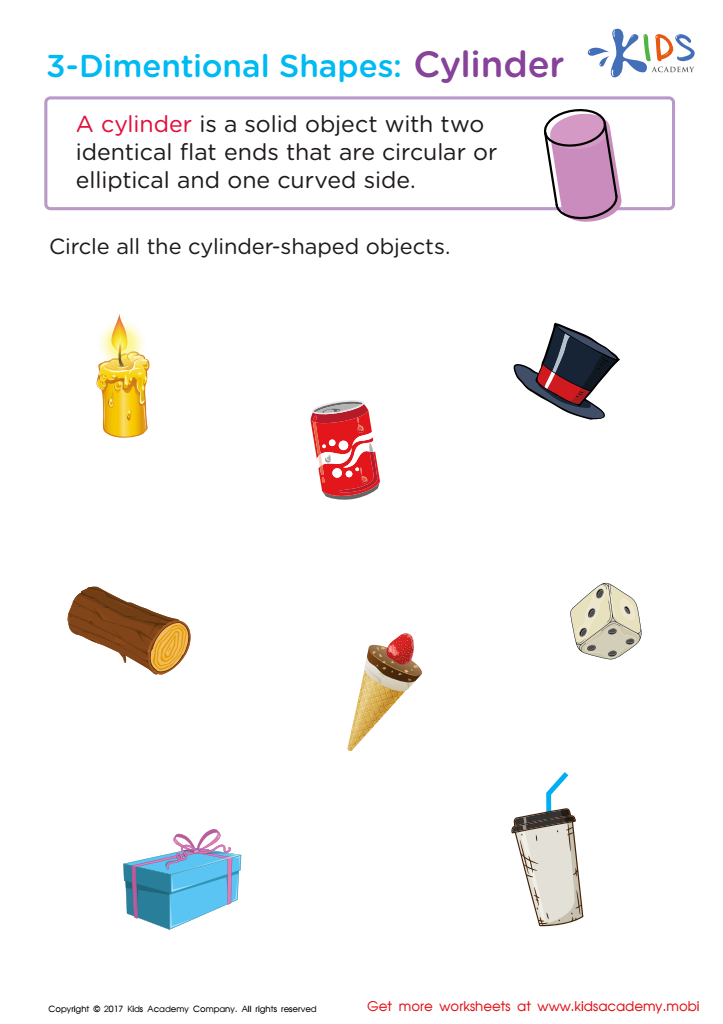
Three–Dimensional Shapes: Cylinder Worksheet







Understanding shapes is a fundamental skill for children aged 4-6, making it crucial for parents and teachers to focus on. At this stage, children are developing essential cognitive and motor skills, and learning about shapes bolsters both. Shape recognition enhances critical thinking and problem-solving abilities, laying the groundwork for more complex mathematical concepts later in their education.
Identifying shapes also encourages spatial awareness, helping children navigate their surroundings and understand how objects relate to each other. This skill is pivotal not only in mathematics but also in everyday life, from recognizing traffic signs to organizing spaces and understanding art and design.
Moreover, understanding shapes can boost language development. As children learn to name and describe shapes, they enhance their vocabulary and communication skills. Engaging with shapes through play and hands-on activities fosters creativity and makes learning enjoyable, which is essential for this age group.
Additionally, incorporating shape recognition into everyday activities promotes a positive attitude towards learning, laying the foundation for a lifetime of curiosity. By prioritizing shape understanding, parents and teachers empower children with vital skills for academic success and everyday functionality, making it an important aspect of early education.








