Cognitive Development Normal 2D Shapes Worksheets for Ages 4-6
5 filtered results
-
From - To
Our "Cognitive Development Normal 2D Shapes Worksheets for Ages 4-6" are specially designed to enhance your child's understanding of basic geometric concepts while promoting critical thinking and problem-solving skills. Perfect for preschoolers and kindergarteners, these engaging worksheets introduce young learners to various 2D shapes through fun activities such as tracing, matching, and identifying shapes in everyday objects. By providing a mix of visual and hands-on learning experiences, these worksheets not only boost cognitive development but also lay a strong foundation for future math success. Spark your child's curiosity and foster a love of learning with our expertly crafted educational worksheets.
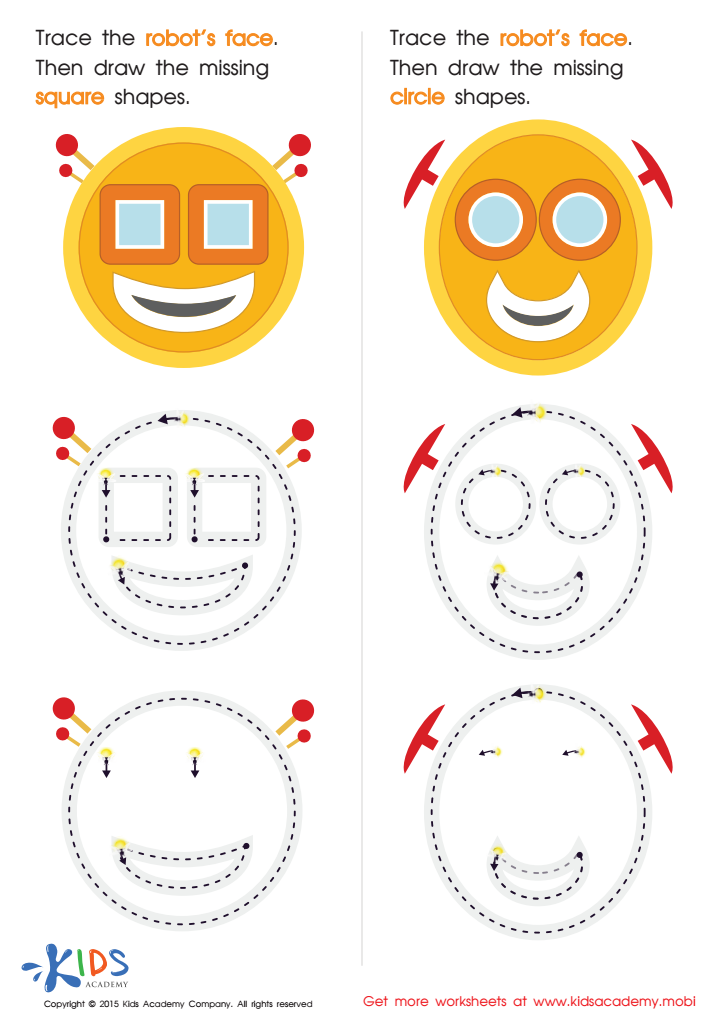
Practicing to Draw Circles And Squares Printable
 Assign to My Students


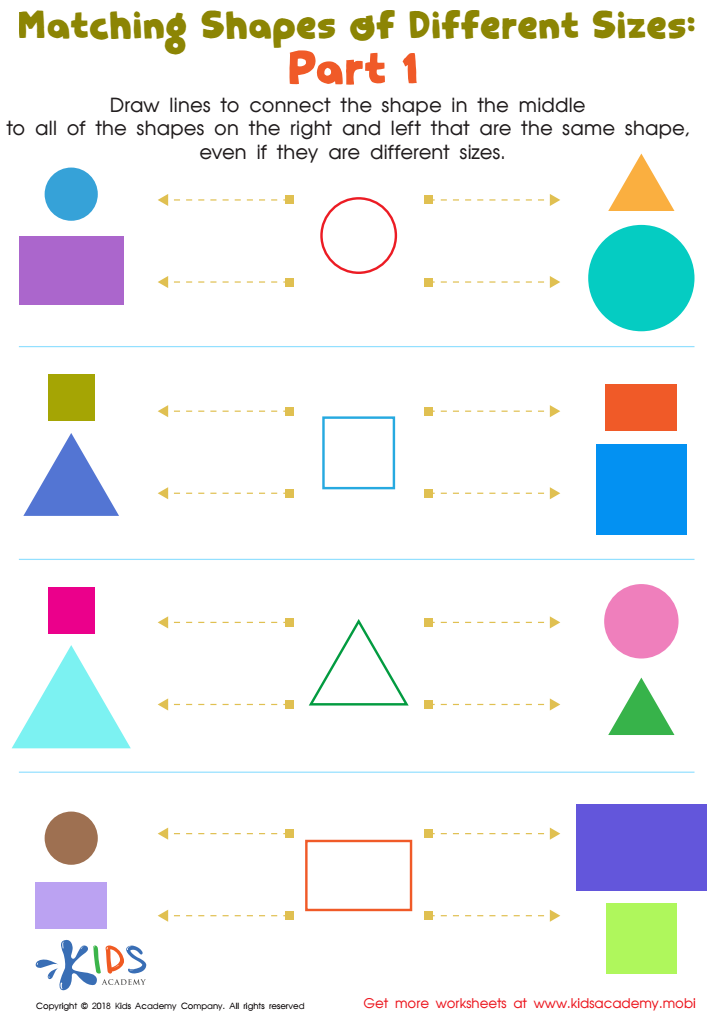
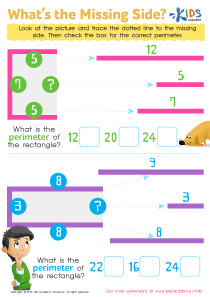
Geometry: part 1 Worksheet
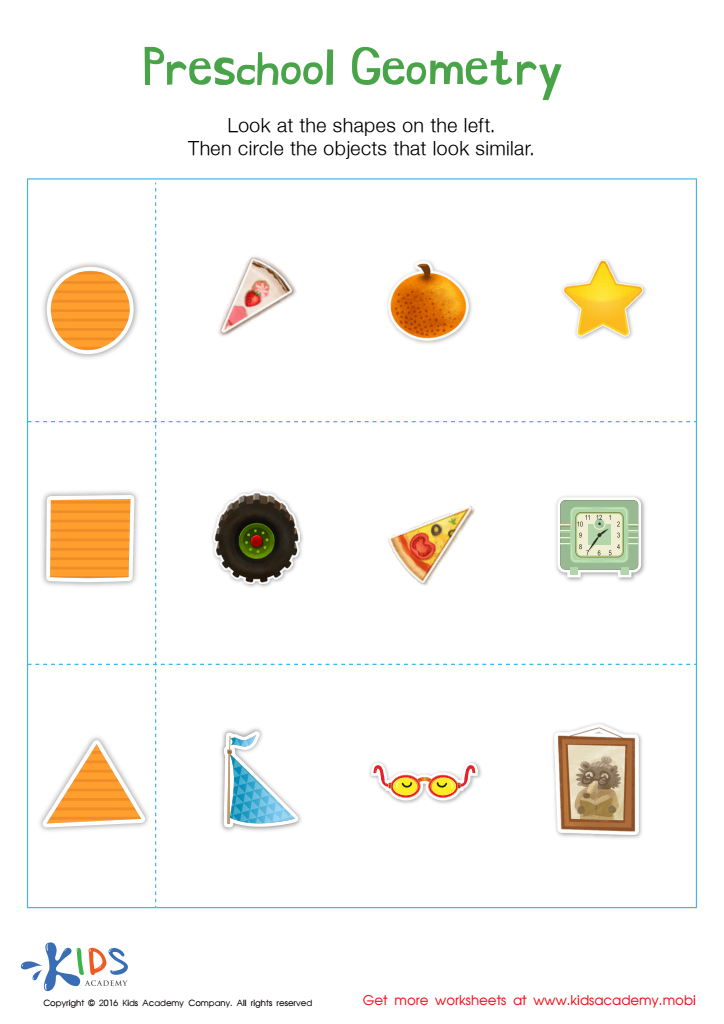
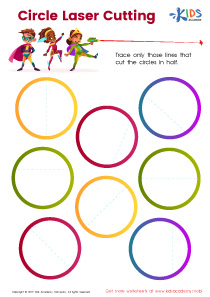
Preschool Geometry Match Up Worksheet
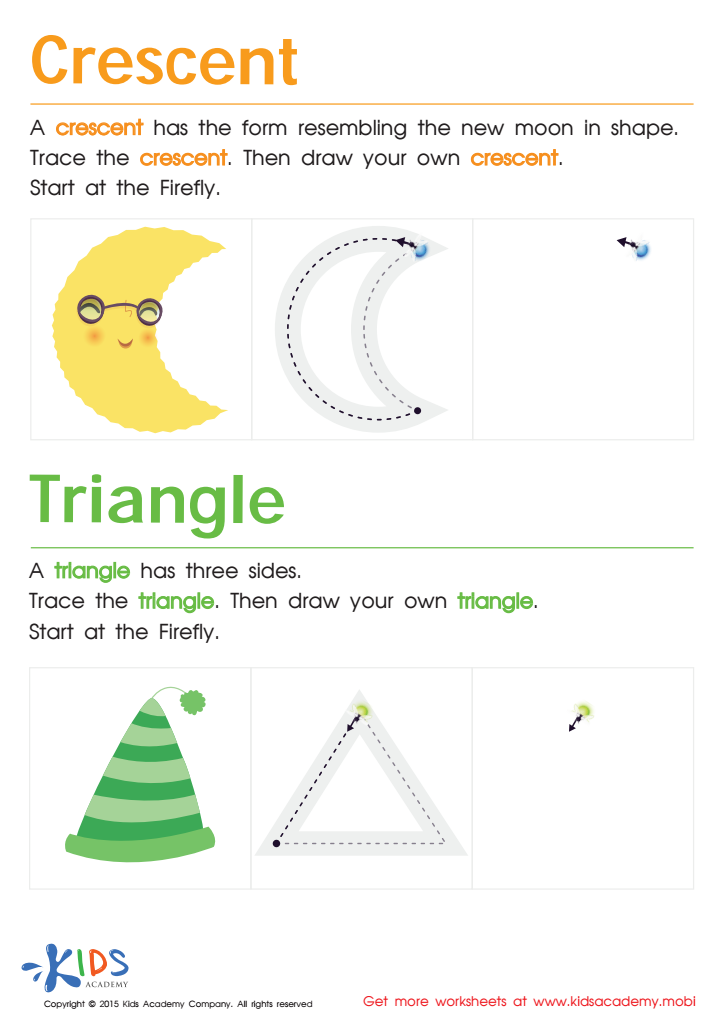
Learning to Draw Crescents And Triangles Worksheet
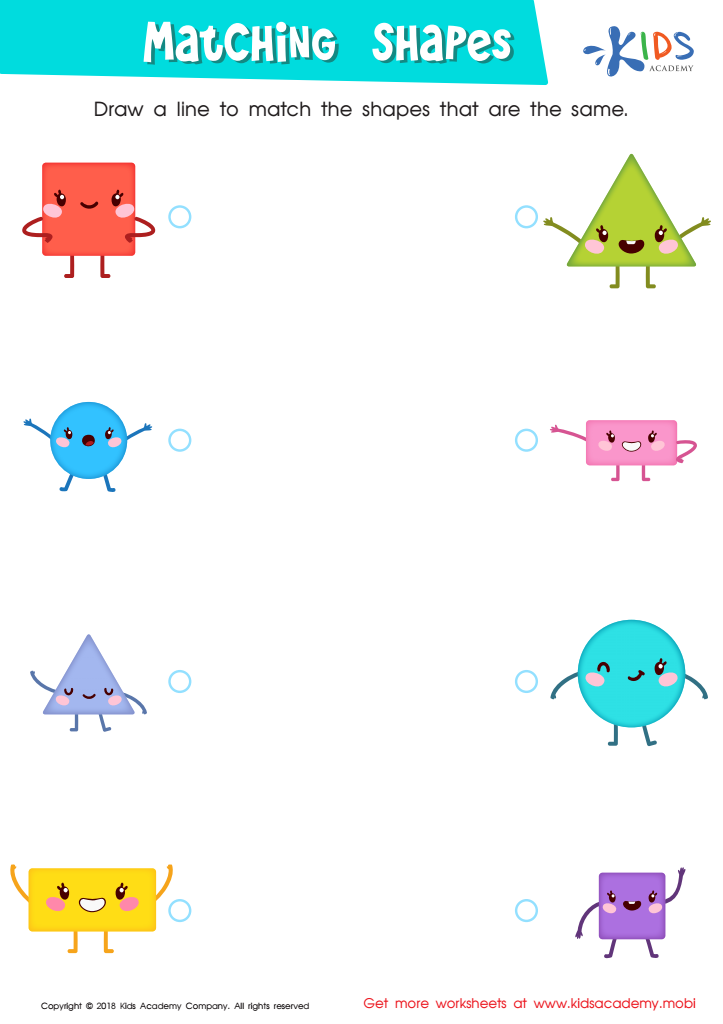
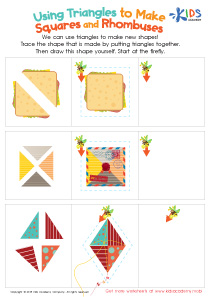
Matching Shapes Worksheet








Understanding and promoting cognitive development in relation to normal 2D shapes for children aged 4-6 is essential for several reasons. At this developmental stage, children's brains are highly receptive to new information and experiences that shape their future learning capabilities. Introducing basic 2D shapes such as circles, squares, triangles, and rectangles helps develop foundational mathematical and spatial reasoning skills.
Recognizing and naming these shapes boosts children's vocabulary and language skills, essential for effective communication. Additionally, engaging with shapes can enhance problem-solving abilities and logical thinking, as children learn to categorize and identify patterns.
Moreover, understanding 2D shapes supports fine motor skill development. Activities like drawing, cutting, or assembling shapes foster hand-eye coordination and precision. Shapes also form a fundamental basis for more complex geometric concepts they'll encounter later in their education journey.
Emphasizing 2D shapes contributes to cognitive flexibility, where children learn to view objects from different perspectives and make connections between abstract and concrete thinking. This mental flexibility is crucial as they grow older and start facing more complex academic and life tasks.
Therefore, parents and teachers should prioritize cognitive development with 2D shapes in early education to build a robust foundation for a child's future academic and personal success.