Problem-Solving Skills Normal Addition Facts Worksheets for Ages 4-6
5 filtered results
-
From - To
Unlock the potential of young learners with our engaging Problem-Solving Skills Normal Addition Facts Worksheets, specially designed for children ages 4 to 6. These worksheets offer a fun and interactive way to develop essential math skills while reinforcing foundational addition concepts. Each activity focuses on problem-solving techniques, encouraging kids to think critically and creatively. With colorful visuals and age-appropriate exercises, children will enhance their understanding of addition through real-life scenarios and playful challenges. Foster a love for math and develop confidence in problem-solving abilities with our resourceful worksheets, perfect for home or classroom use. Start your educational journey today!
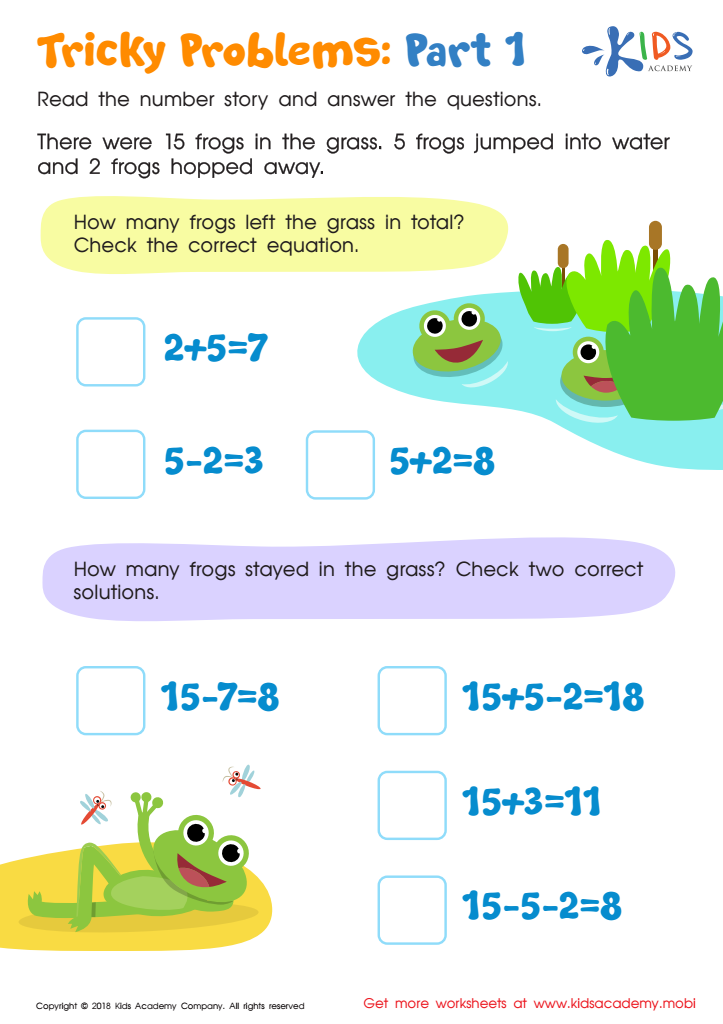
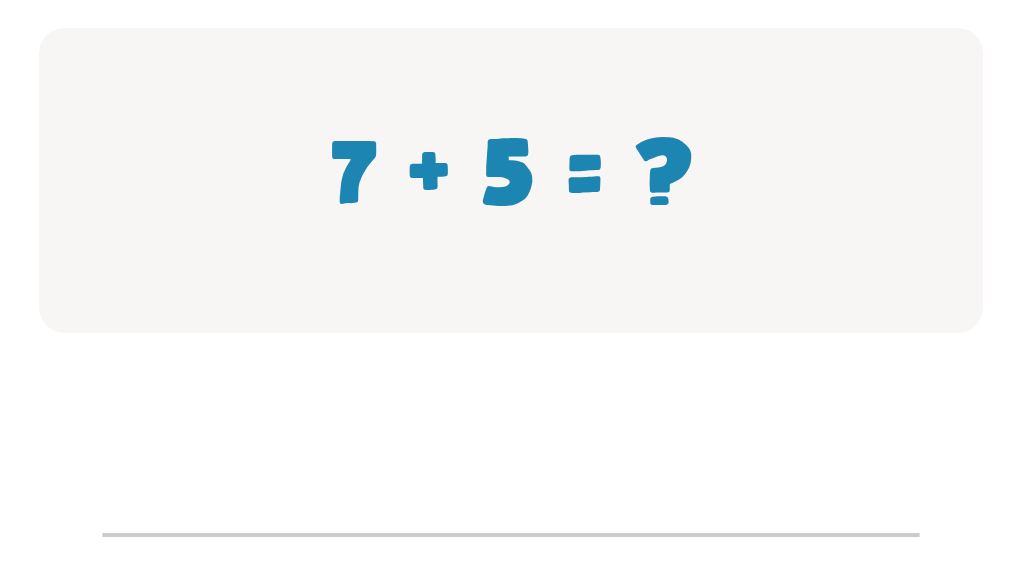
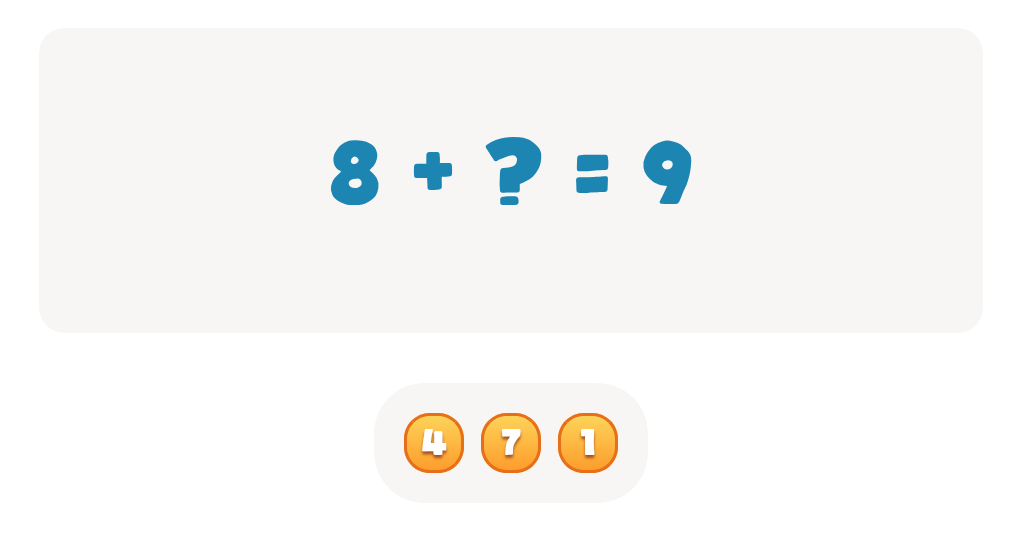
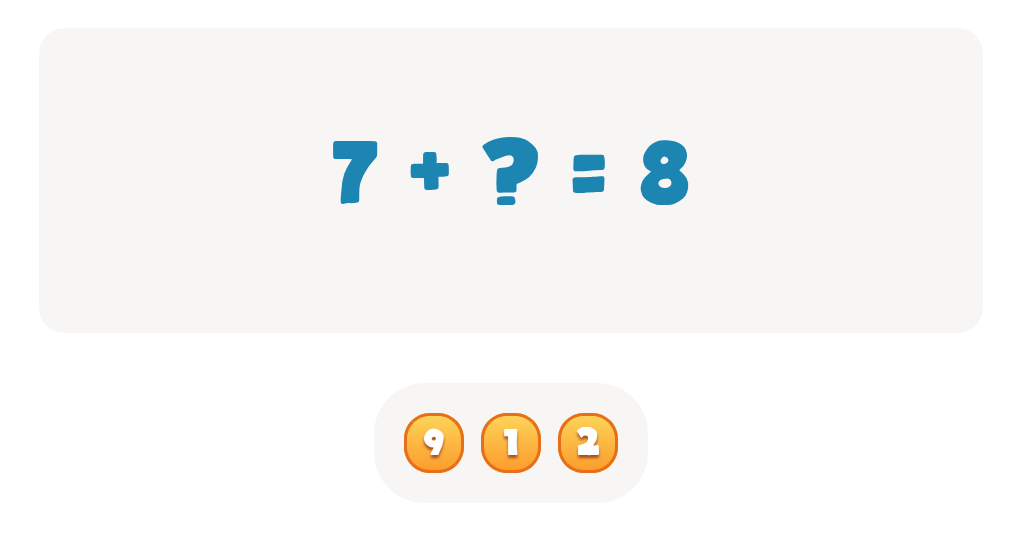
Tricky Problems Worksheet: Part 1
 Assign to My Students



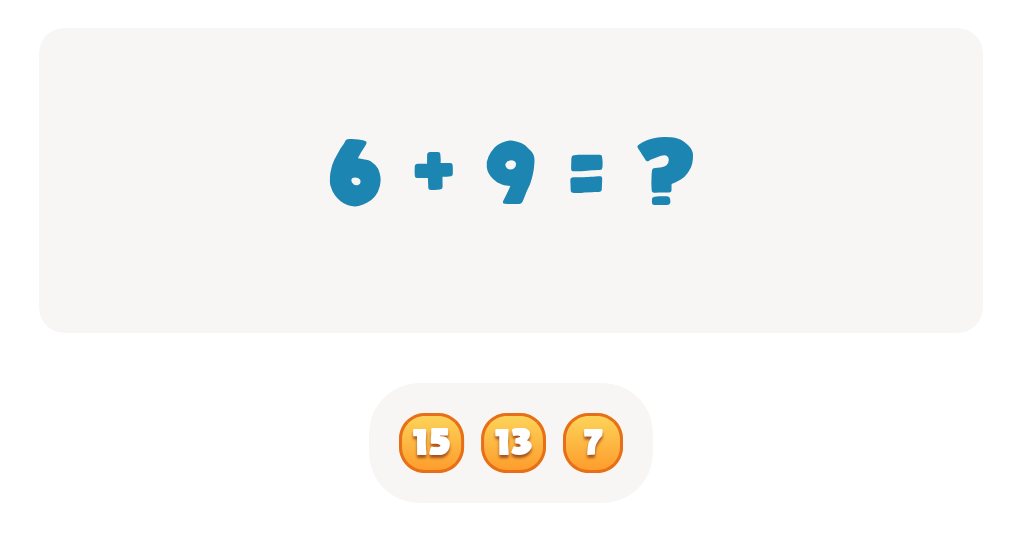
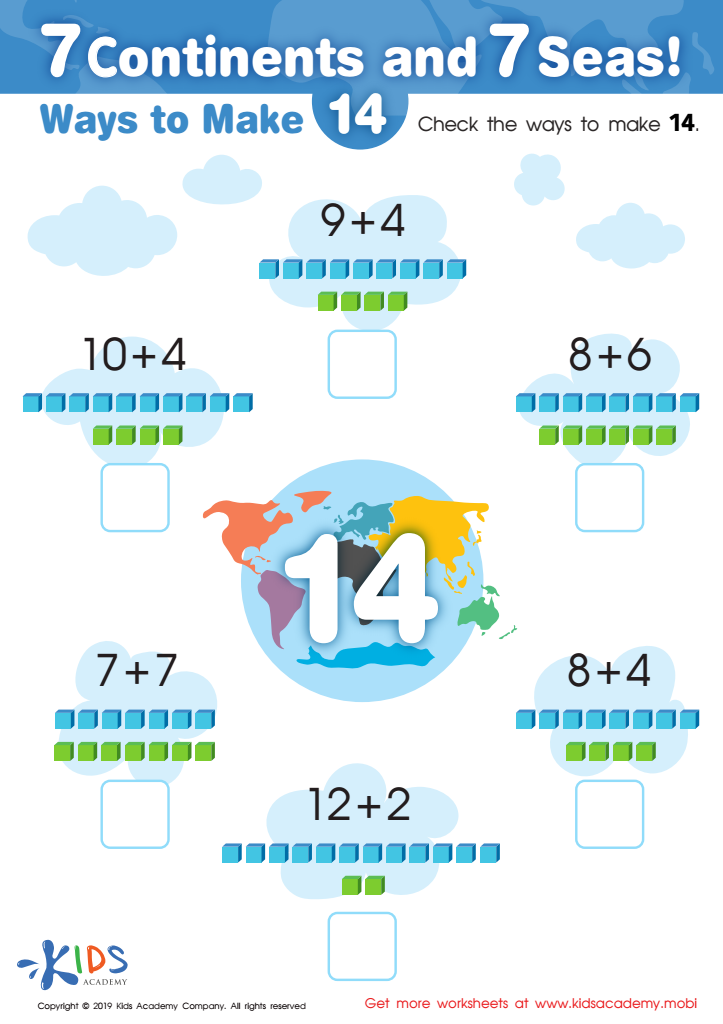
7 Continents and 7 Seas Worksheet
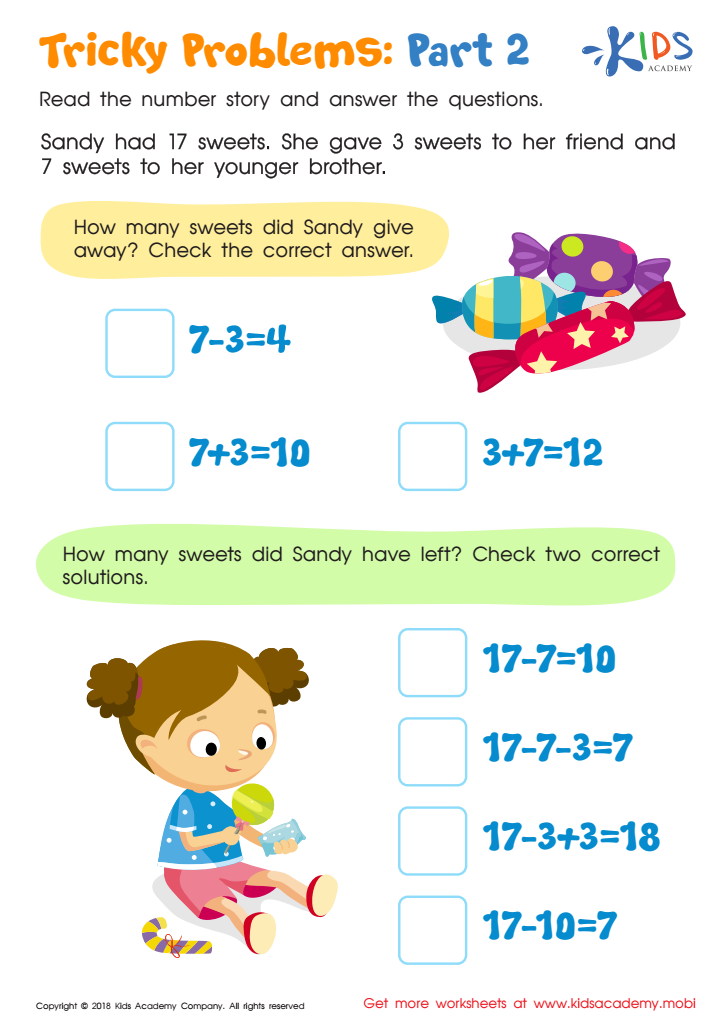
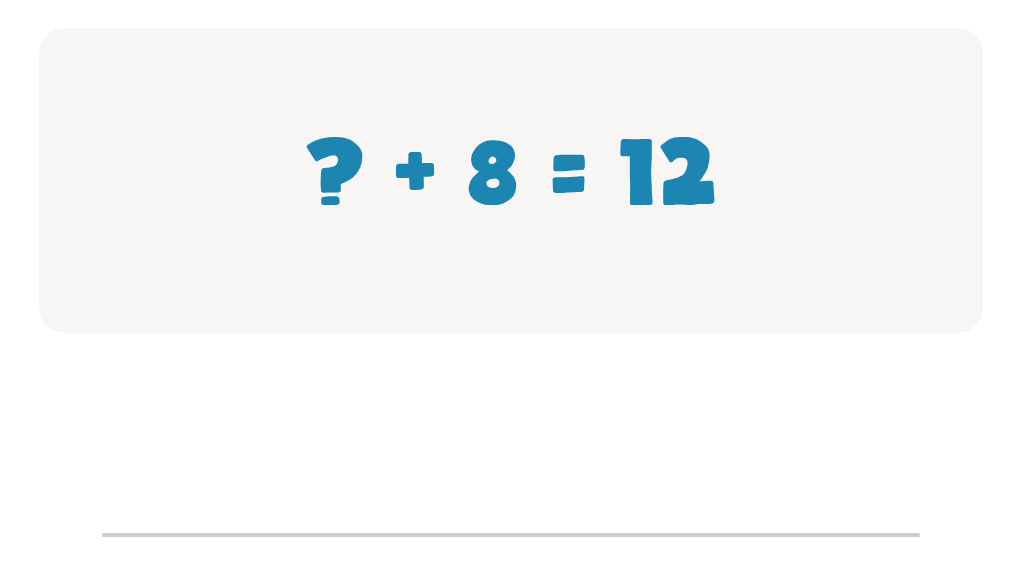
Tricky Problems Worksheet: Part 2
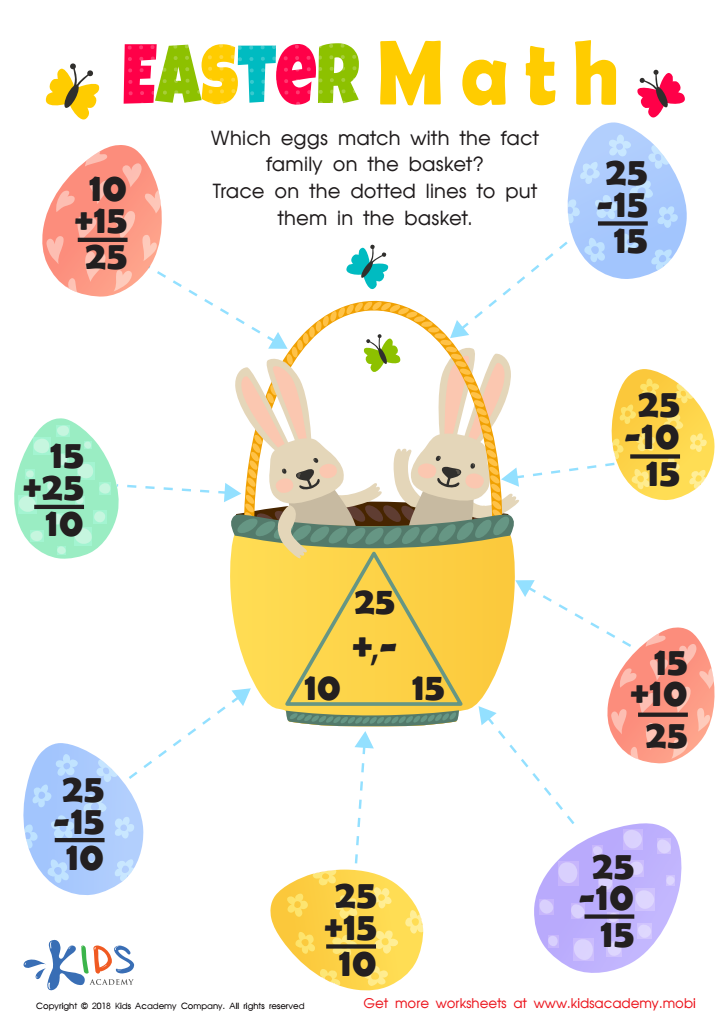
Fact Families: Easter Math Worksheet
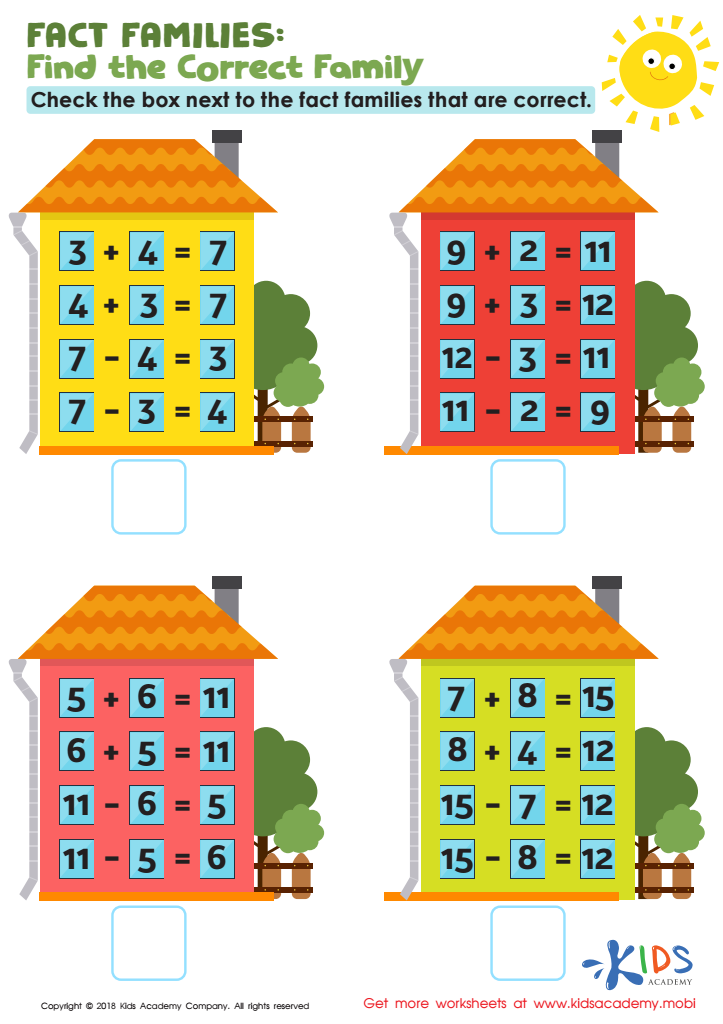
Fact Families: Find Correct Family Worksheet








Problem-solving skills, particularly in mastering normal addition facts, are fundamental for children aged 4-6 as they lay the groundwork for their future academic success. Parents and teachers should recognize that these early math skills are not just about numbers; they foster critical thinking, logical reasoning, and the ability to approach challenges systematically.
At this young age, children are naturally curious and eager to explore. By engaging them in problem-solving activities that involve addition, we nurture their cognitive development, enhancing their ability to think critically and independently. Mastery of basic addition facts allows children to solve math problems efficiently, preparing them for more complex concepts later on.
Furthermore, these skills boost confidence. When children experience success in solving addition problems, it fosters a love for learning and a willingness to tackle new challenges. This positive attitude directly influences their overall academic engagement.
Involving parents in the learning process encourages a supportive learning environment. Together, they can create fun, engaging activities that demonstrate practical applications of addition, making math enjoyable. Ultimately, prioritizing problem-solving skills in normal addition tasks is an investment in a child’s educational journey, equipping them with tools that extend beyond math and into everyday life.








