Number Recognition Normal Addition & Subtraction Worksheets for Ages 4-6 - Page 2
31 filtered results
-
From - To
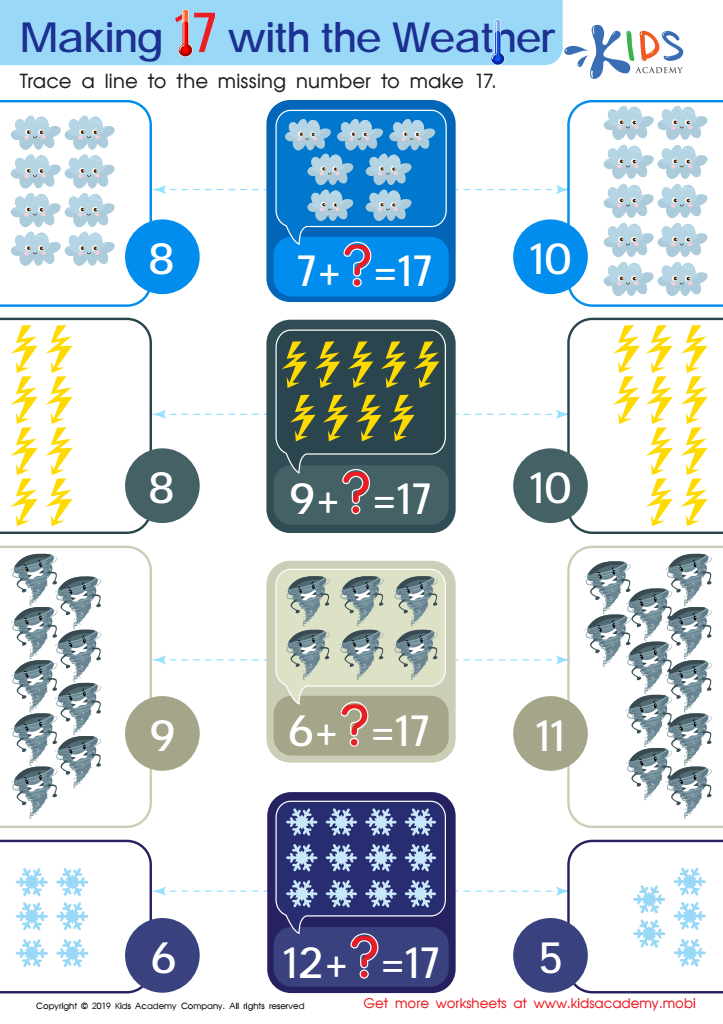
Making 17 with the Weather Worksheet
 Assign to My Students
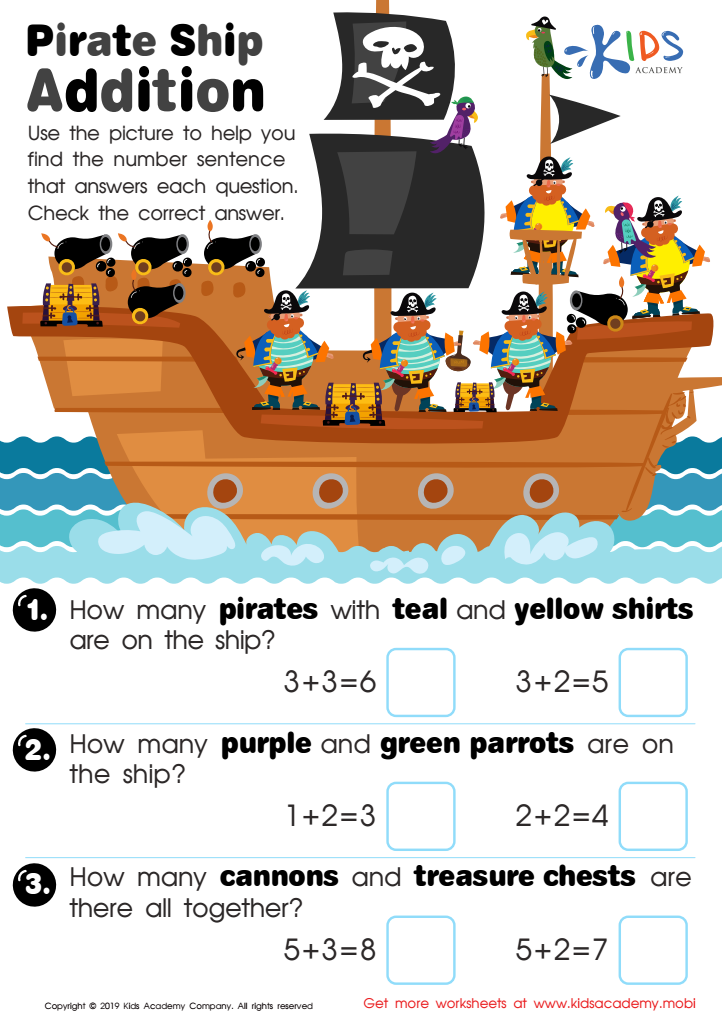
Pirate Ship Addition Worksheet
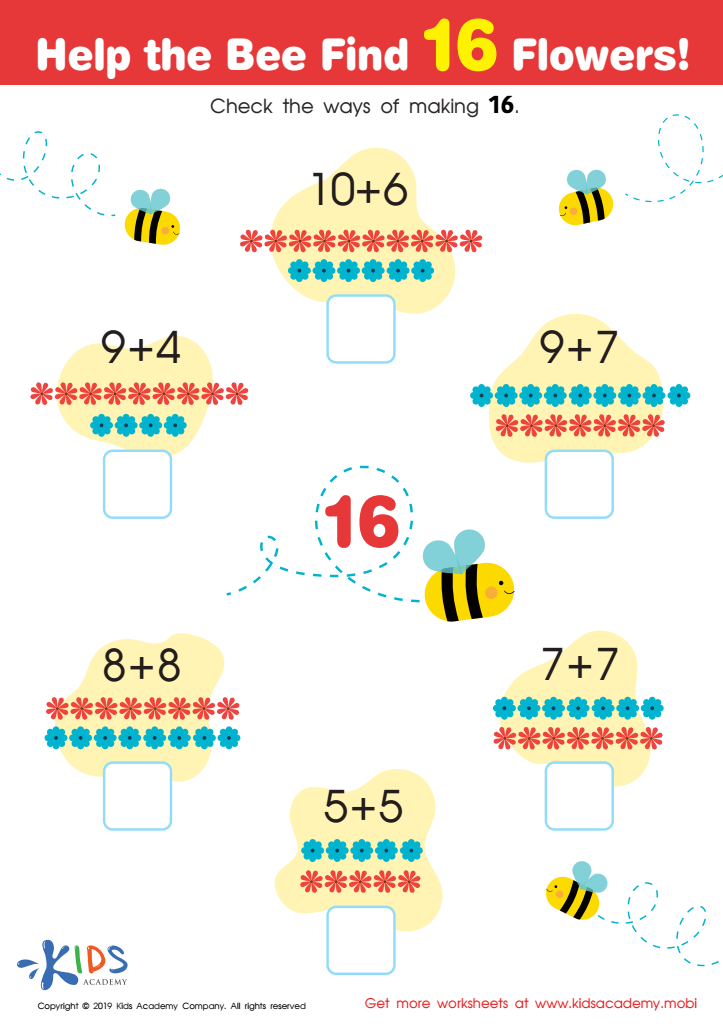
Help the Bee Find 16 Flowers Worksheet
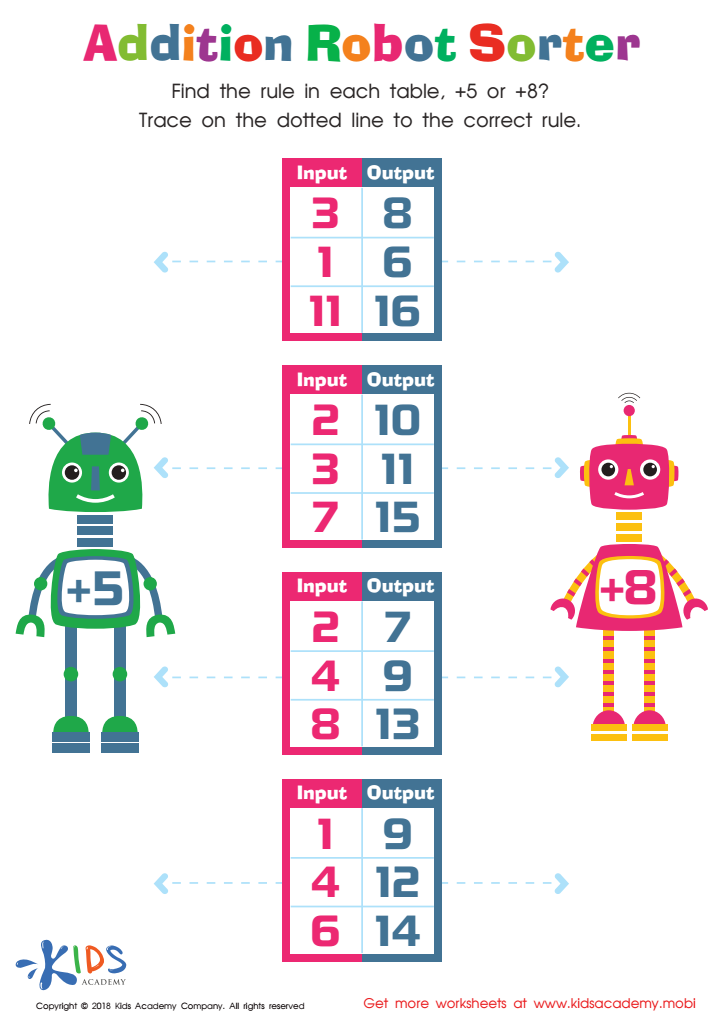
Addition Robot Sorter Worksheet
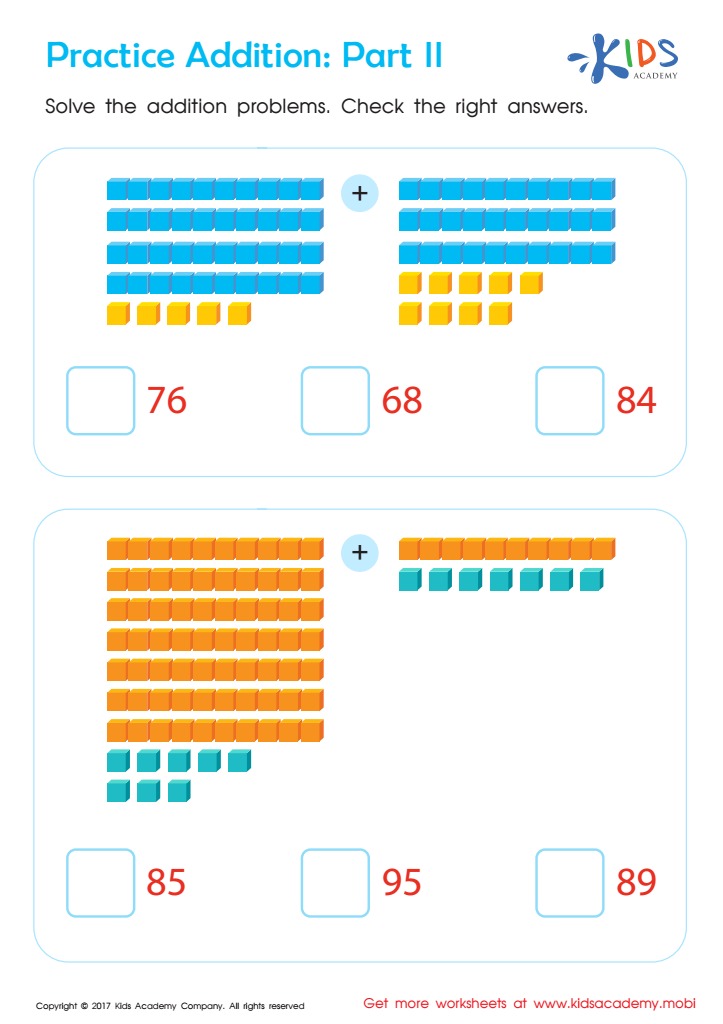
Practice Addition: Part 2 Worksheet
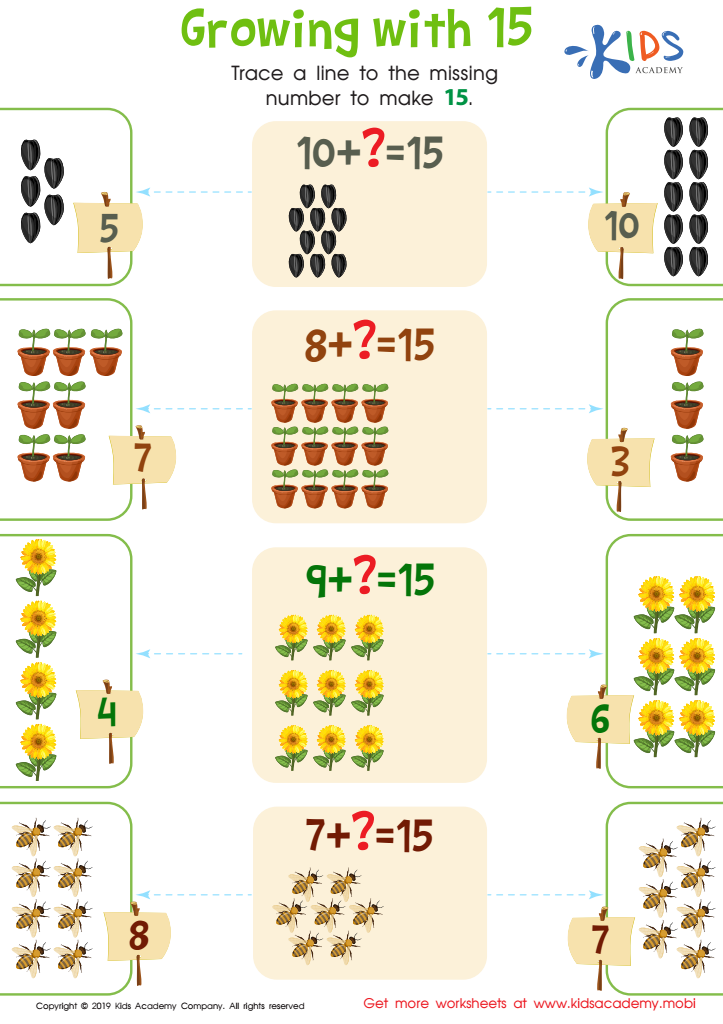
Growing with 15 Worksheet
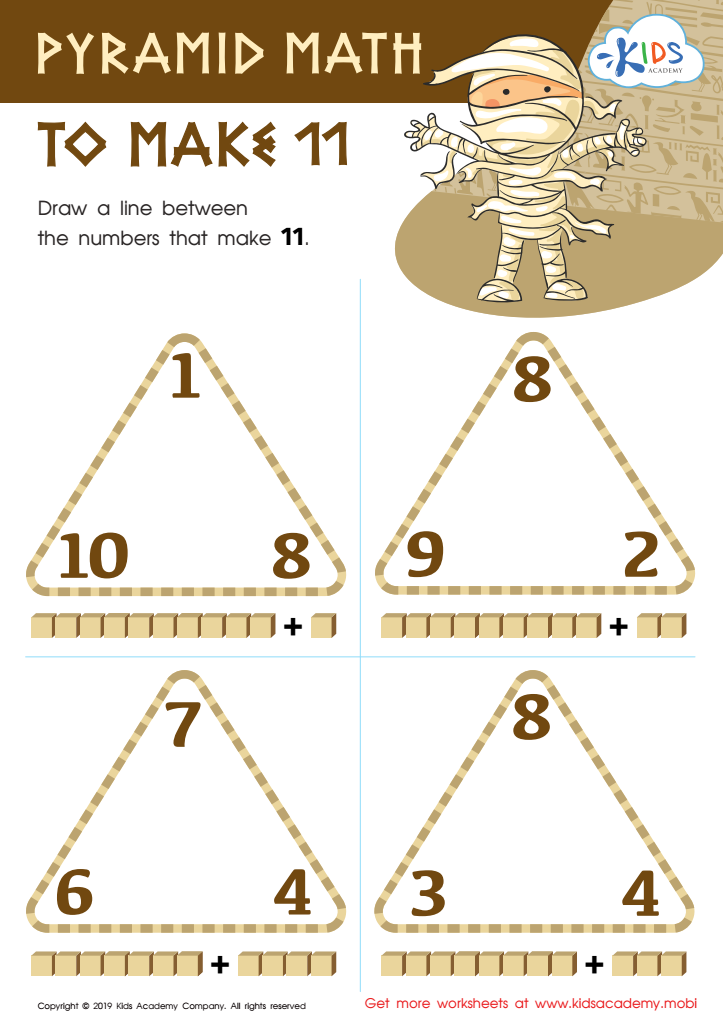
Pyramid Math to Make 11 Worksheet








Number recognition and basic addition and subtraction skills are foundational elements of early mathematics education for children aged 4-6. During these formative years, children's cognitive abilities are rapidly developing; thus, teaching them to recognize numbers and understand simple mathematical operations sets the stage for future academic success.
Parents and teachers should care about number recognition because it fosters critical thinking and problem-solving skills. Recognizing numbers helps children understand their world, enhancing everyday tasks like counting toys, telling time, or managing chores. When children can identify and manipulate numbers, they build confidence in their abilities, setting a positive tone for their ongoing education.
Moreover, mastering basic addition and subtraction serves functional purposes in daily life. It teaches children to manage resources, share fairly, and solve real-world problems, which translates to essential life skills. Early proficiency in these aspects creates a strong mathematical foundation, making advanced concepts easier to learn later.
Finally, research has shown that early math skills are strong predictors of future academic achievement, thus, investing time in these areas yields long-term benefits. Supporting children as they develop number recognition and foundational math skills is crucial for their overall educational journey and lifelong learning.








