Problem Solving Normal Addition & Subtraction Worksheets for Ages 4-6
7 filtered results
-
From - To
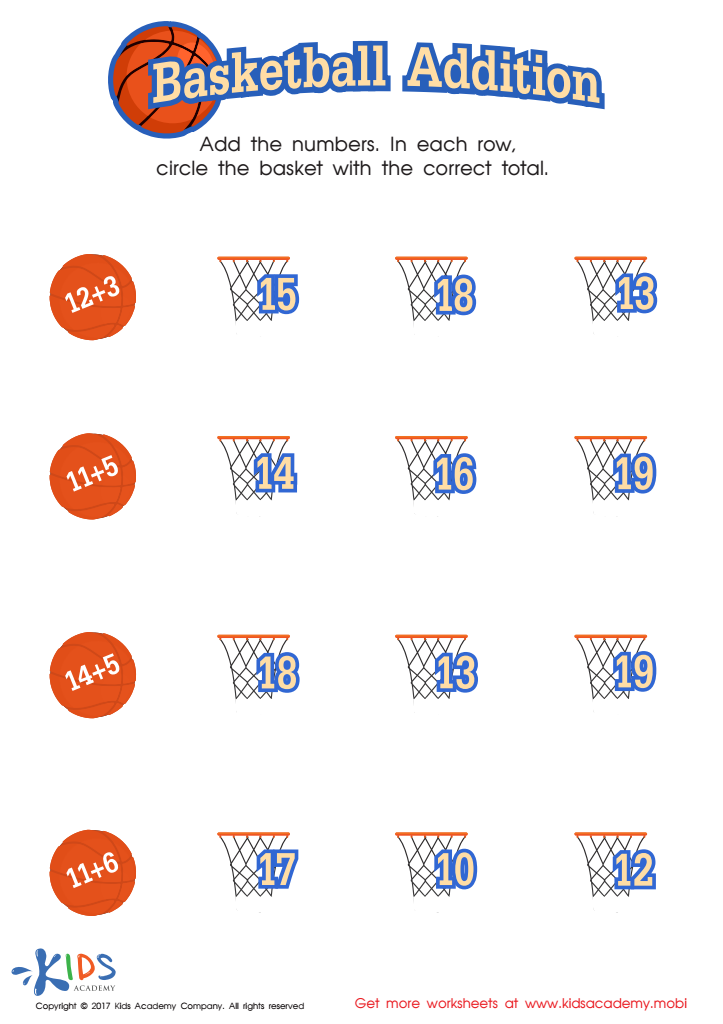
Explore our engaging Problem Solving Normal Addition & Subtraction Worksheets designed specifically for children ages 4-6. These worksheets help young learners master essential math skills through fun, interactive exercises that encourage critical thinking and problem-solving. With a variety of colorful illustrations and relatable scenarios, each worksheet provides an enjoyable way for children to practice their addition and subtraction skills in real-world contexts. Perfect for homeschooling or supplemental learning, these resources foster a solid math foundation while promoting cognitive development. Download today to empower your child's learning journey and make math an enjoyable experience!
 Assign to My Students
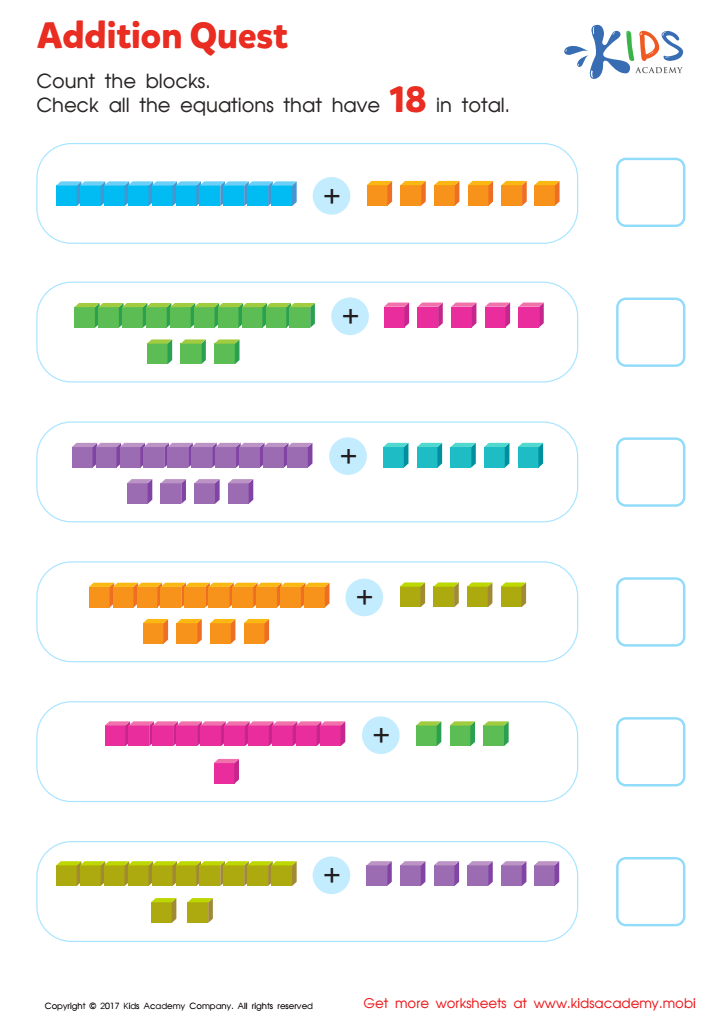
Addition Quest Worksheet: Part 2
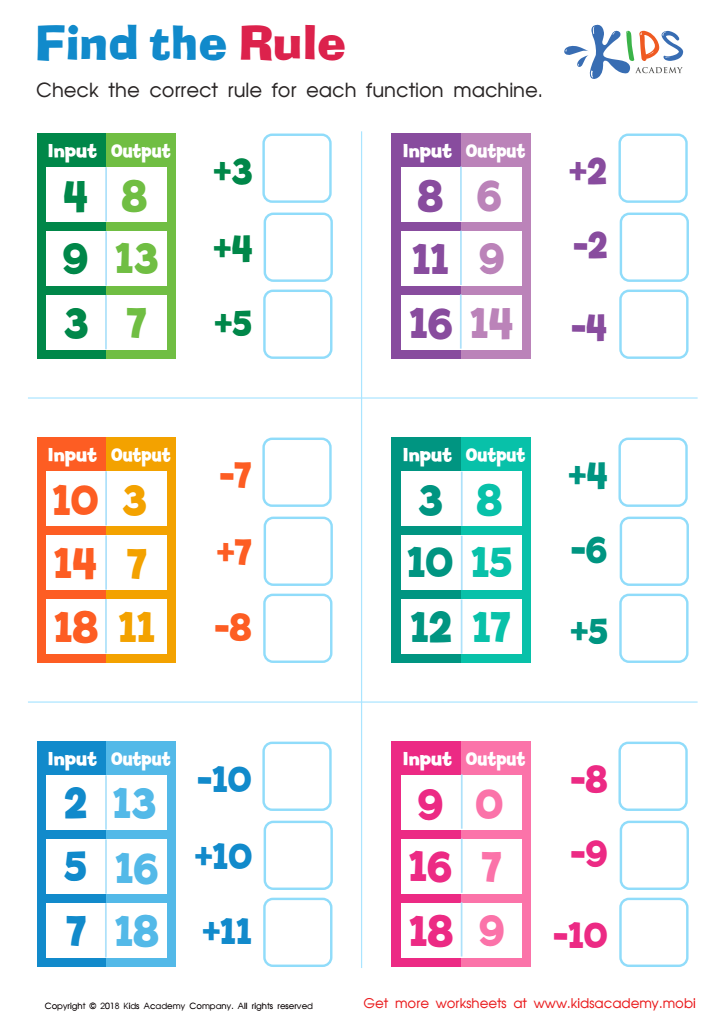
Find the Rule Worksheet
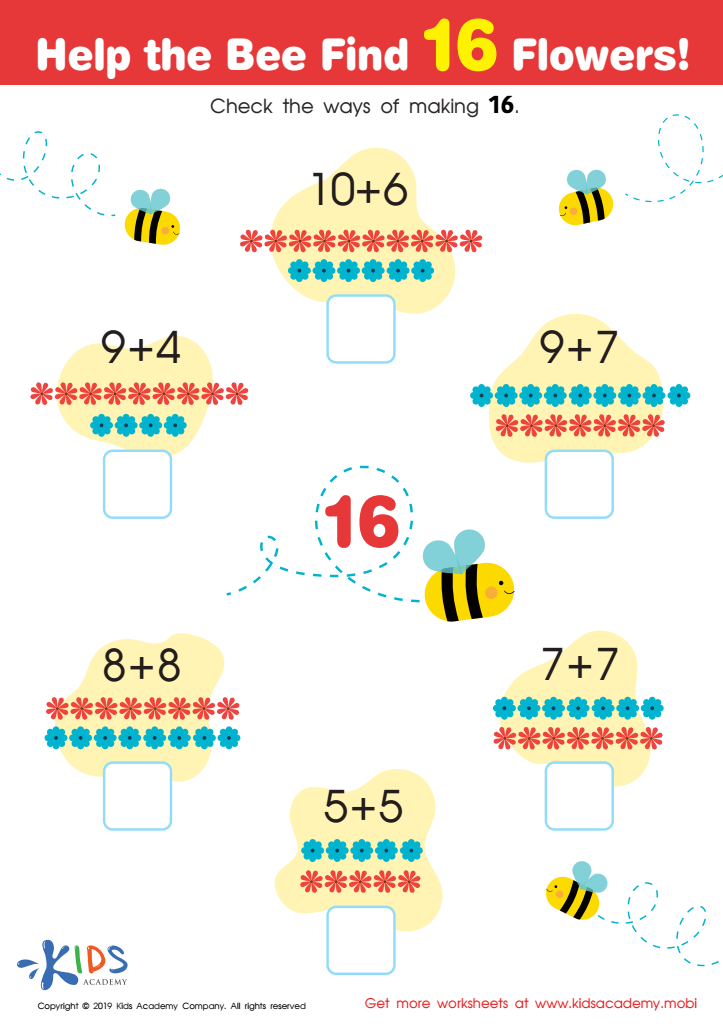
Help the Bee Find 16 Flowers Worksheet
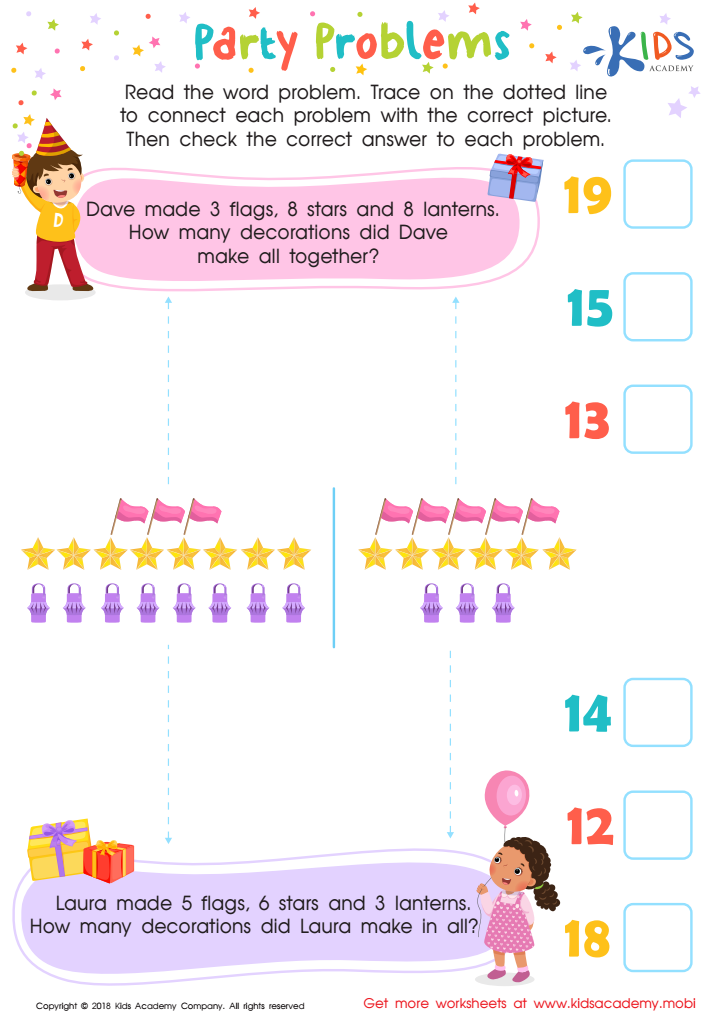
Party Problems Worksheet
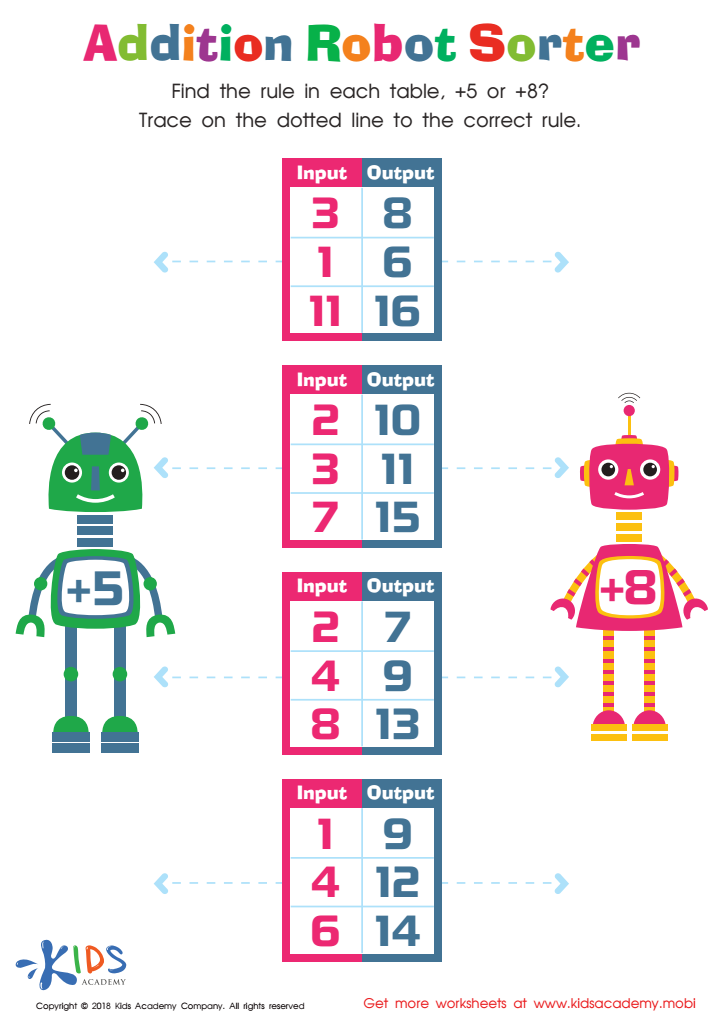
Addition Robot Sorter Worksheet
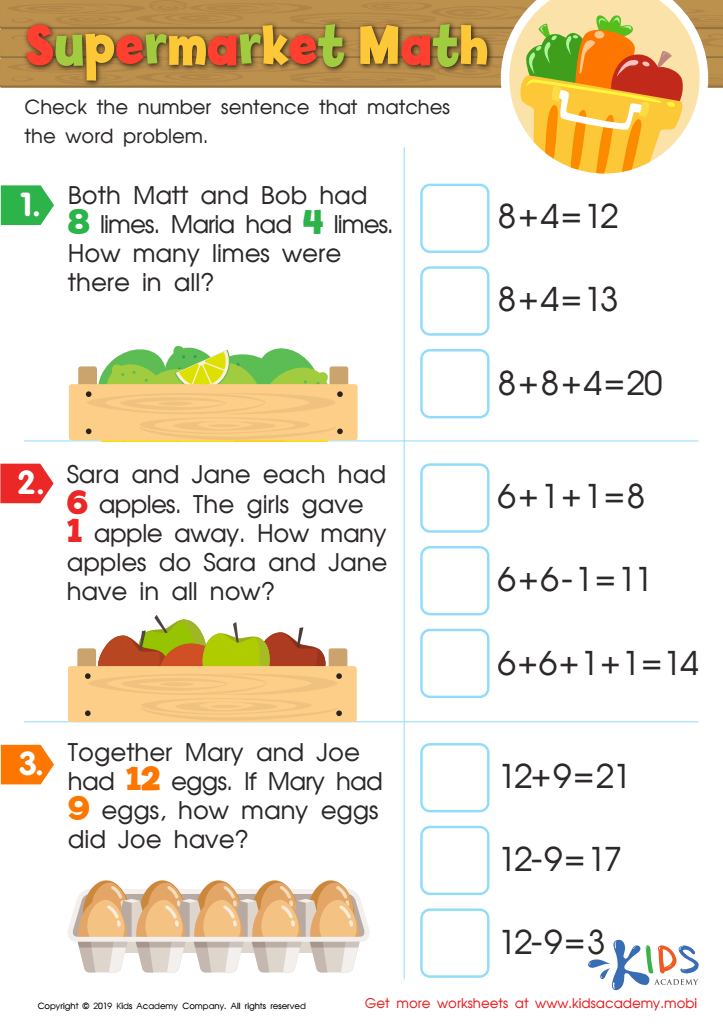
Supermarket Math Worksheet








Parents and teachers should care about Problem Solving in Normal Addition and Subtraction for children aged 4-6 because these foundational skills form the cornerstone of a child’s early mathematical understanding. At this age, children are naturally curious and eager to learn, making it an ideal time to introduce problem-solving strategies that enhance their critical thinking and cognitive development.
Engaging kids in addition and subtraction through relatable problems fosters a deeper comprehension of concepts, allowing them to apply math to real-world situations. This not only helps build mathematical fluency but also encourages resilience as they learn to approach challenges and find solutions.
Moreover, developing strong problem-solving skills at this stage sets the groundwork for future academic success. It promotes logical reasoning and encourages children to explore different strategies, making them more adept learners.
Parents and teachers can create a fun and supportive learning environment that emphasizes exploration and creativity in math. By doing so, they not only teach children how to solve problems but also instill a love for learning and an appreciation for mathematics that will last throughout their educational journey. In essence, fostering these skills now is an investment in their future potential.








