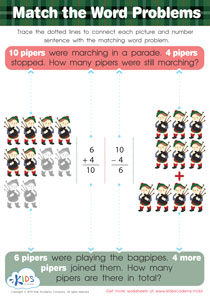
Addition skills Normal Addition Worksheets for Ages 4-6
5 filtered results
-
From - To
Enhance your child's early math skills with our engaging Normal Addition Worksheets designed for ages 4-6! These colorful and interactive activities introduce basic addition concepts in a fun and accessible way, ensuring your little one develops a strong foundation in mathematics. Each worksheet features visually appealing illustrations and simple problems that make learning addition enjoyable. Perfect for at-home practice or classroom use, our resources aim to boost confidence and comprehension in young learners. Watch as your child's math skills flourish through targeted practice that ignites a love for numbers. Explore our collection and give your child the gift of learning today!
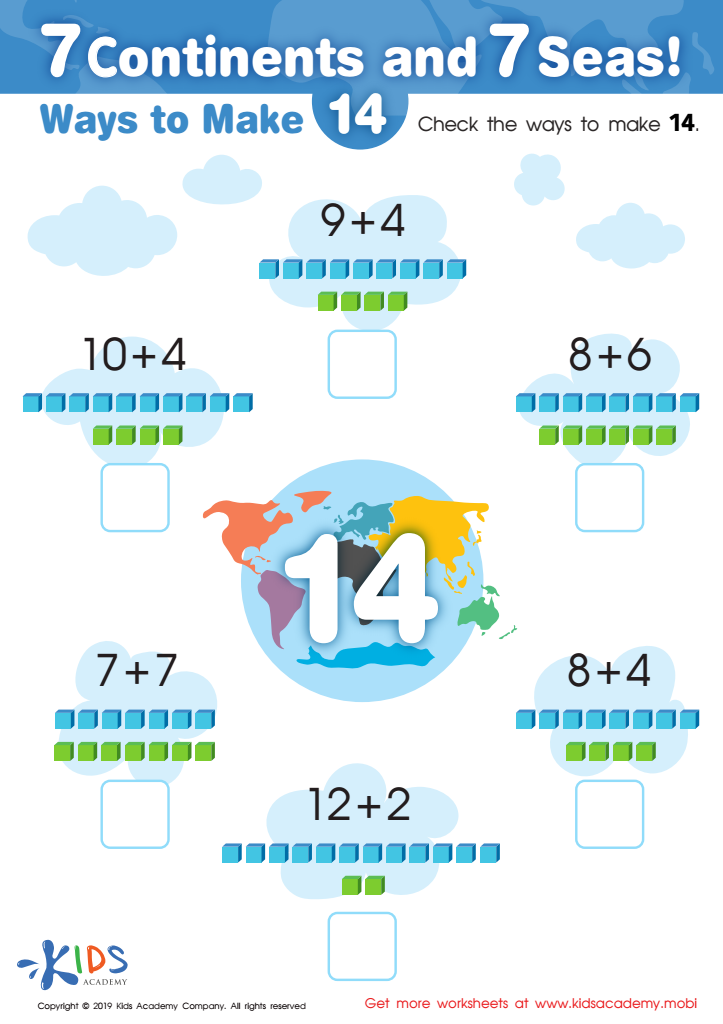
7 Continents and 7 Seas Worksheet
 Assign to My Students
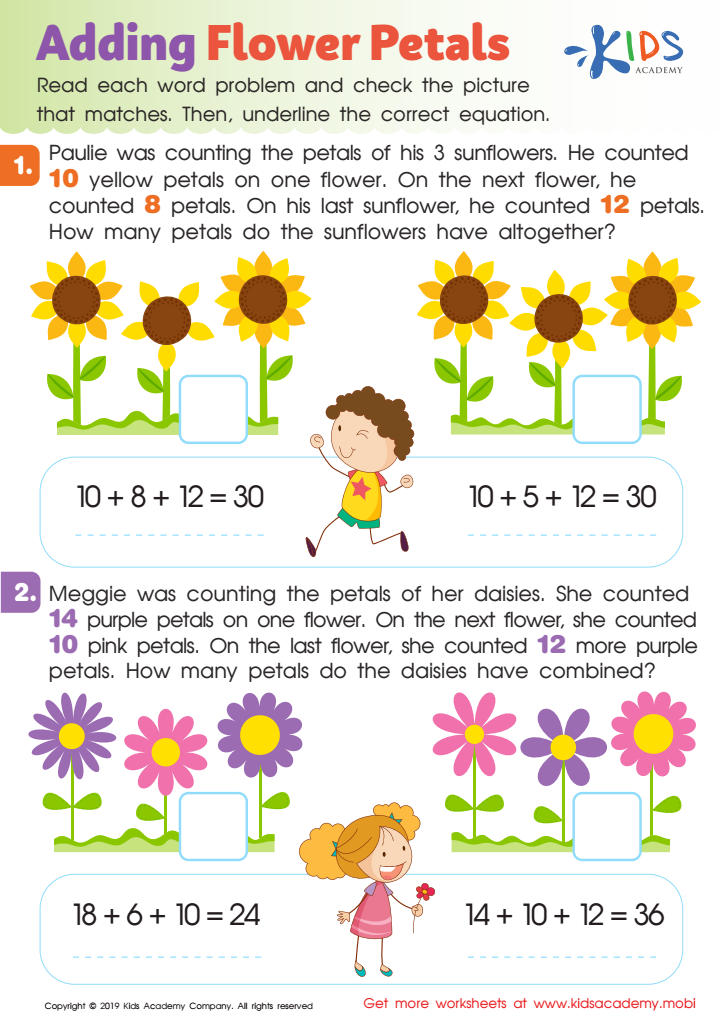
Adding Flower Petals Worksheet
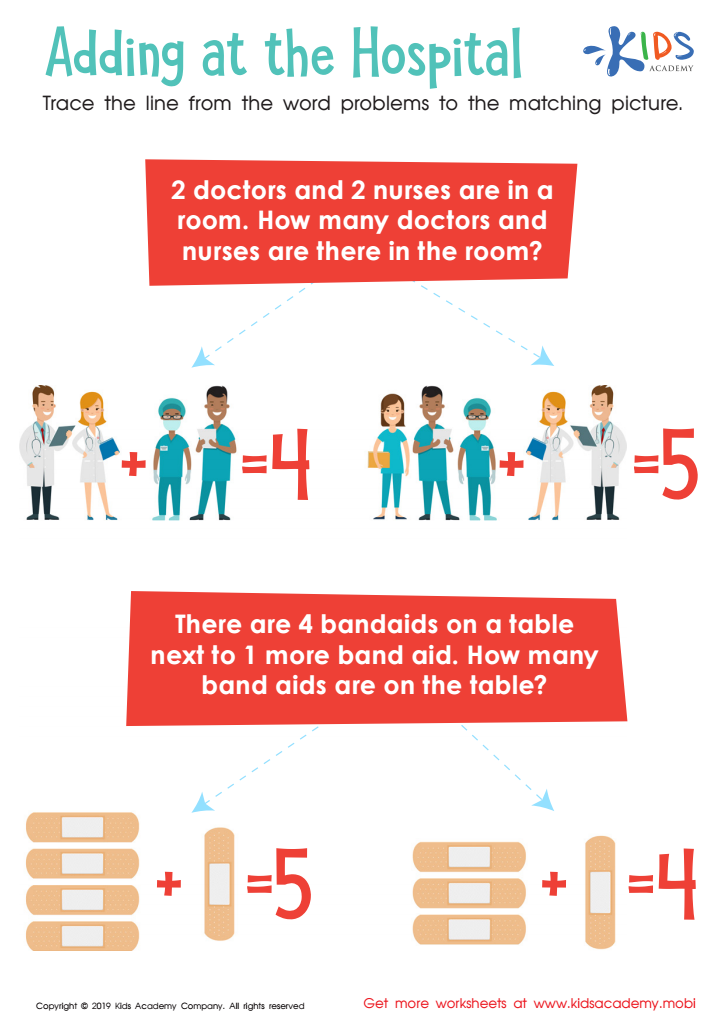
Adding at the Hospital Worksheet
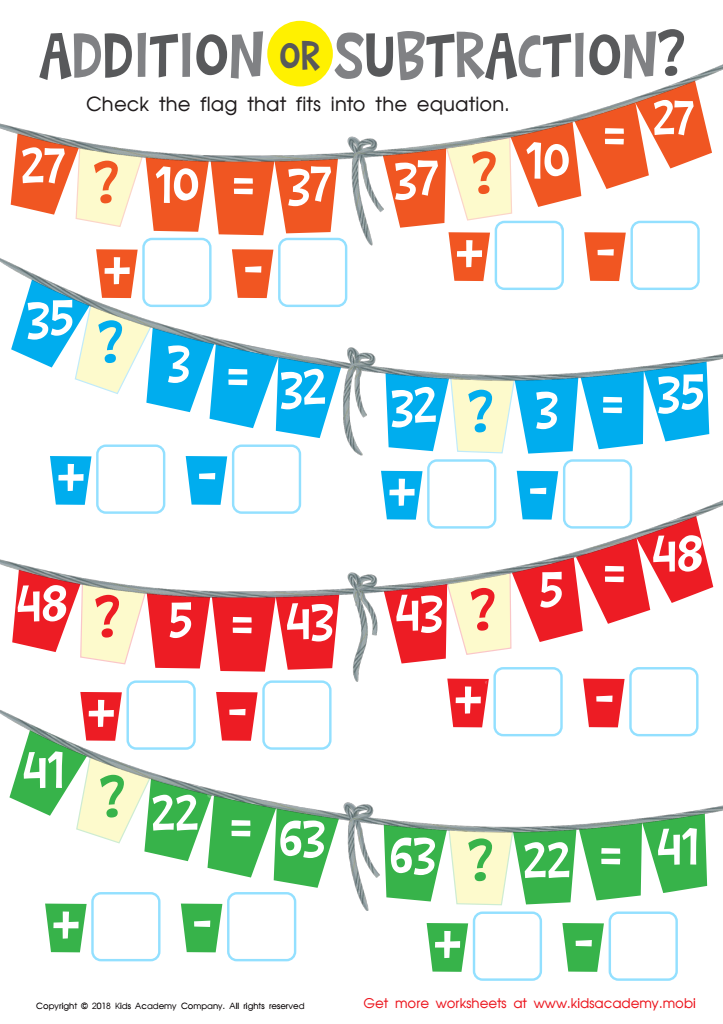
Addition or Subtraction? Worksheet
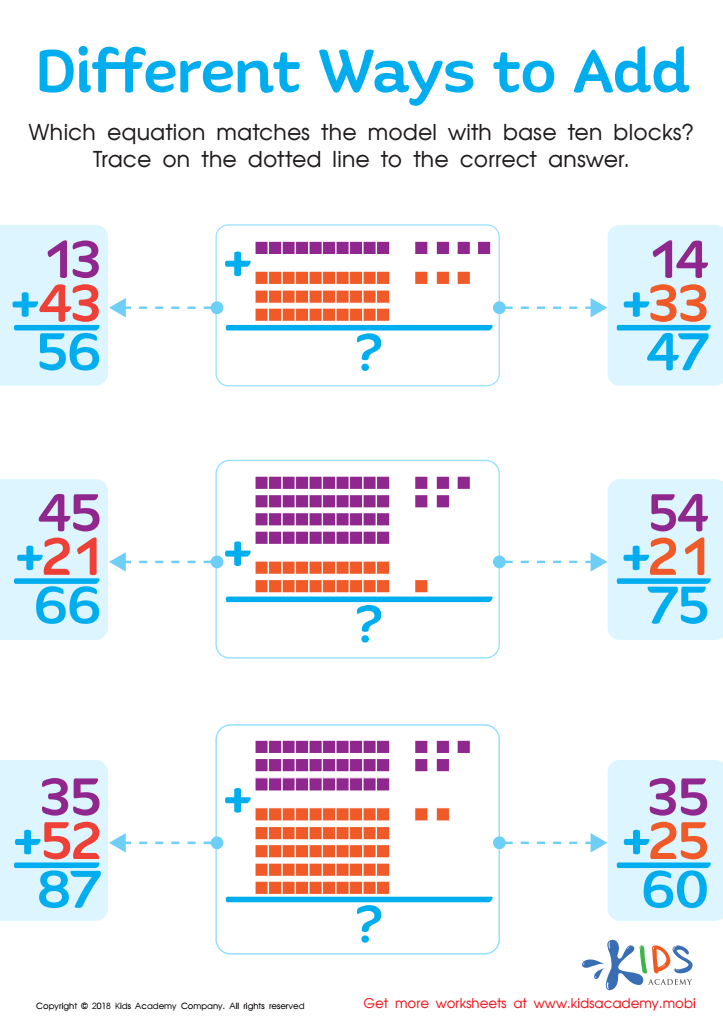
Different Ways to Add Worksheet








Addition skills are essential for young children aged 4-6 as they lay the groundwork for future mathematical understanding and overall academic success. At this stage, children are developing crucial cognitive and fine motor skills, and mastering normal addition provides a structured way to enhance these abilities. When children learn to add, they engage in problem-solving, critical thinking, and logical reasoning, which are foundational skills for all learning.
Moreover, addition teaches children to deal with numbers and helps them understand concepts of quantity, comparisons, and patterns. This understanding promotes confidence and a positive attitude toward math, which is vital for their future studies. Early exposure to addition lays a strong numerical foundation that supports more complex math skills learned later, such as subtraction, multiplication, and division.
Involving parents and teachers in the addition learning process creates a collaborative learning environment where children feel supported. It fosters open communication about strategies and progress. Furthermore, when parents incorporate math into everyday activities, such as sharing snacks or counting toys, it reinforces practical application, making learning both fun and relevant. Supporting addition skills now can result in a more mathematically confident child, setting them up for long-term success in school and life.