Counting skills Normal Numbers Worksheets for Ages 4-6 - Page 2
63 filtered results
-
From - To
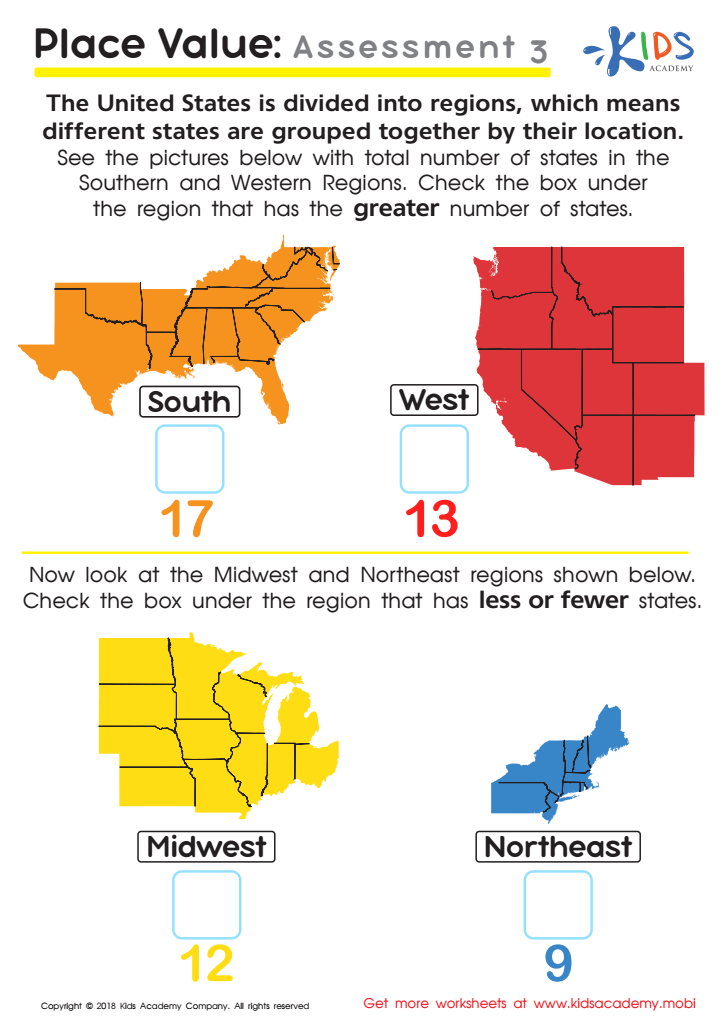
Place Value: Assessment 3 Worksheet
 Assign to My Students
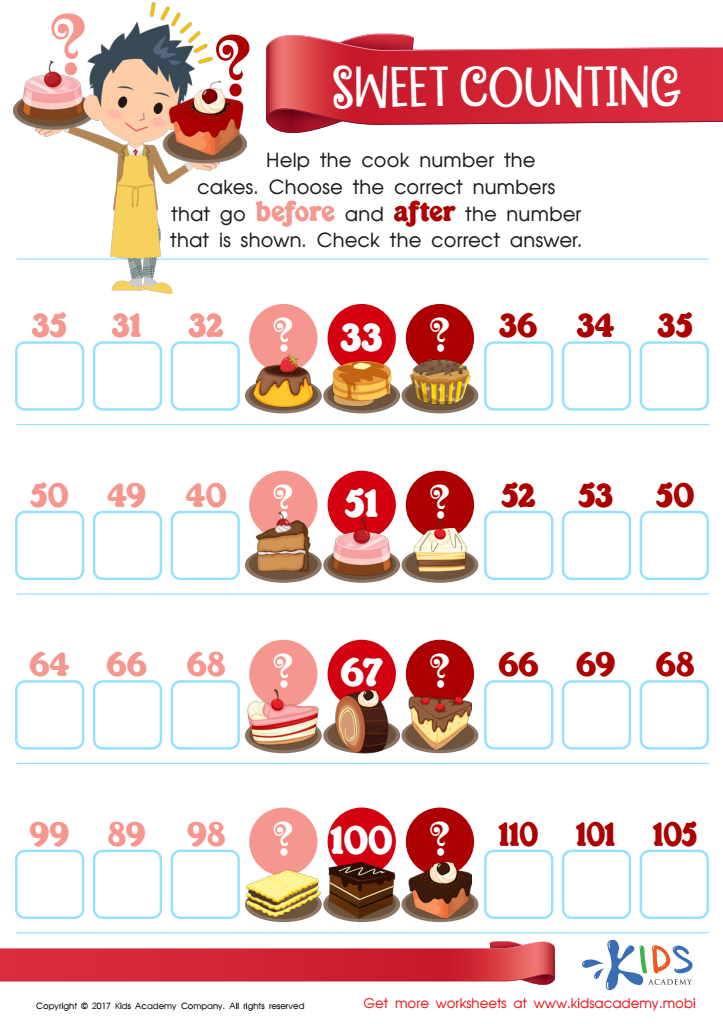
Sweet Counting - Part 1 Worksheet
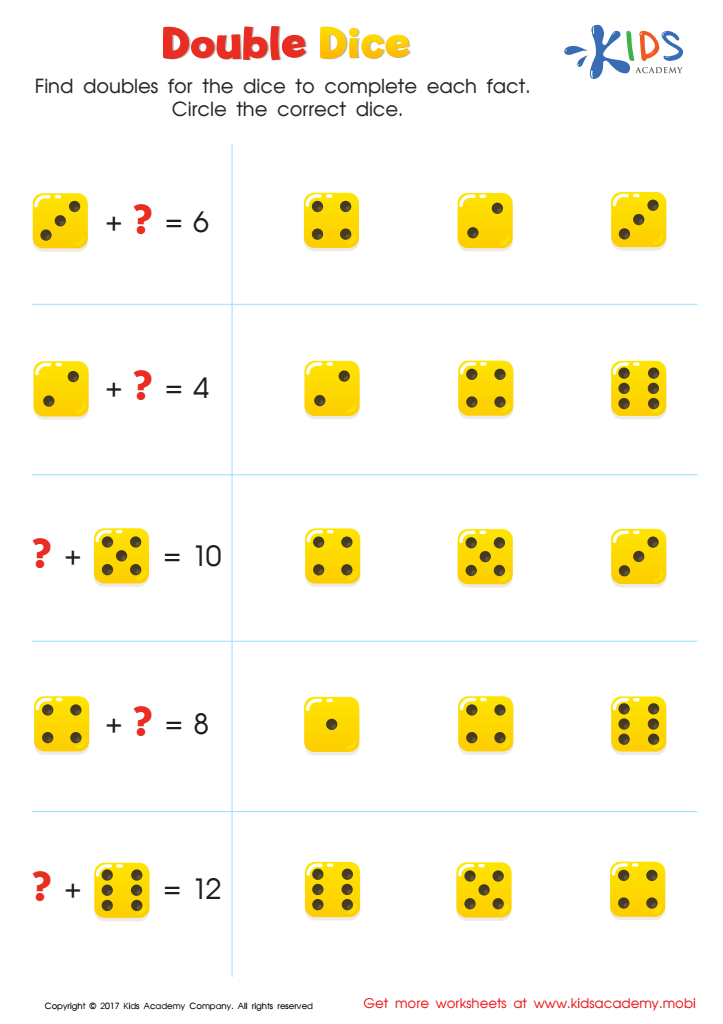
Addition Facts: Double Dice Worksheet
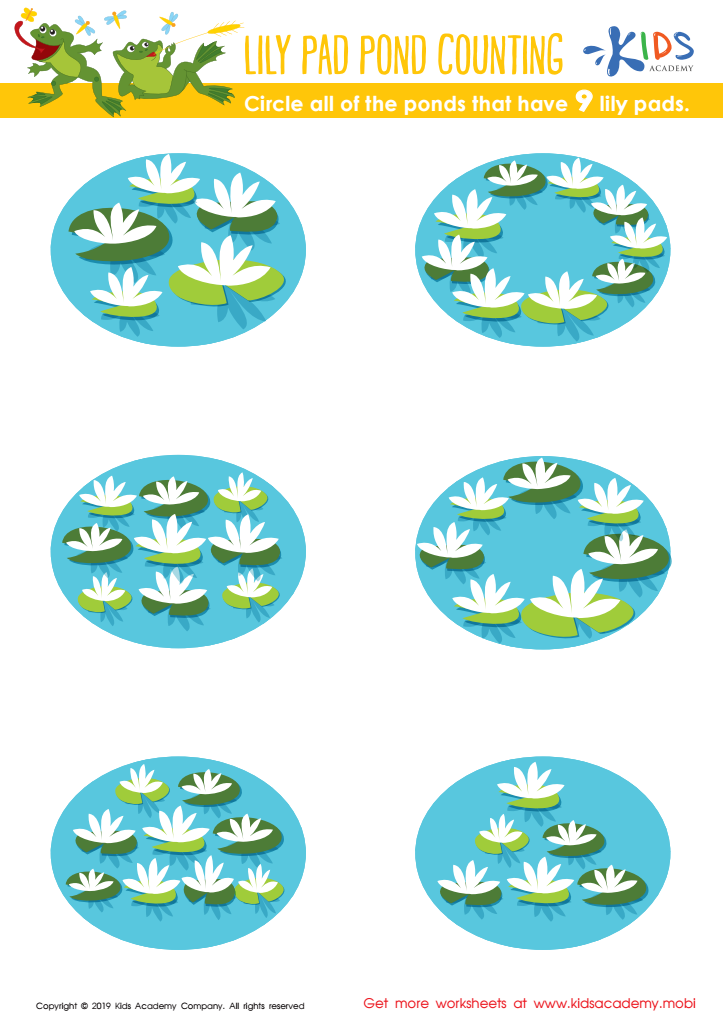
Lily Pad Pond Counting Worksheet
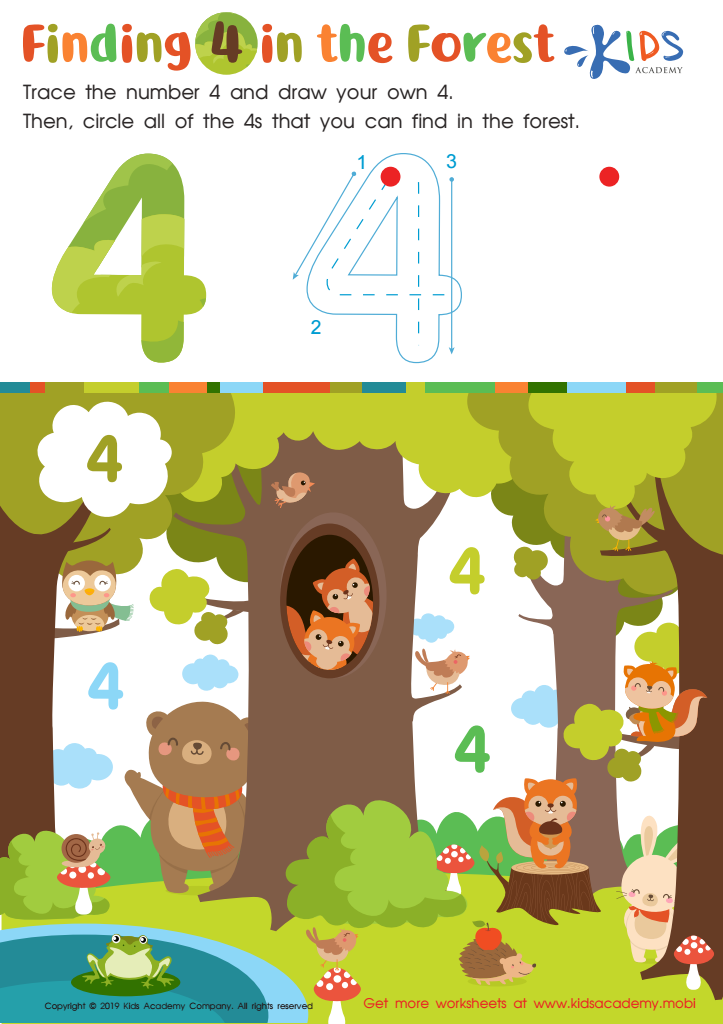
Finding 4 in the Forest Worksheet
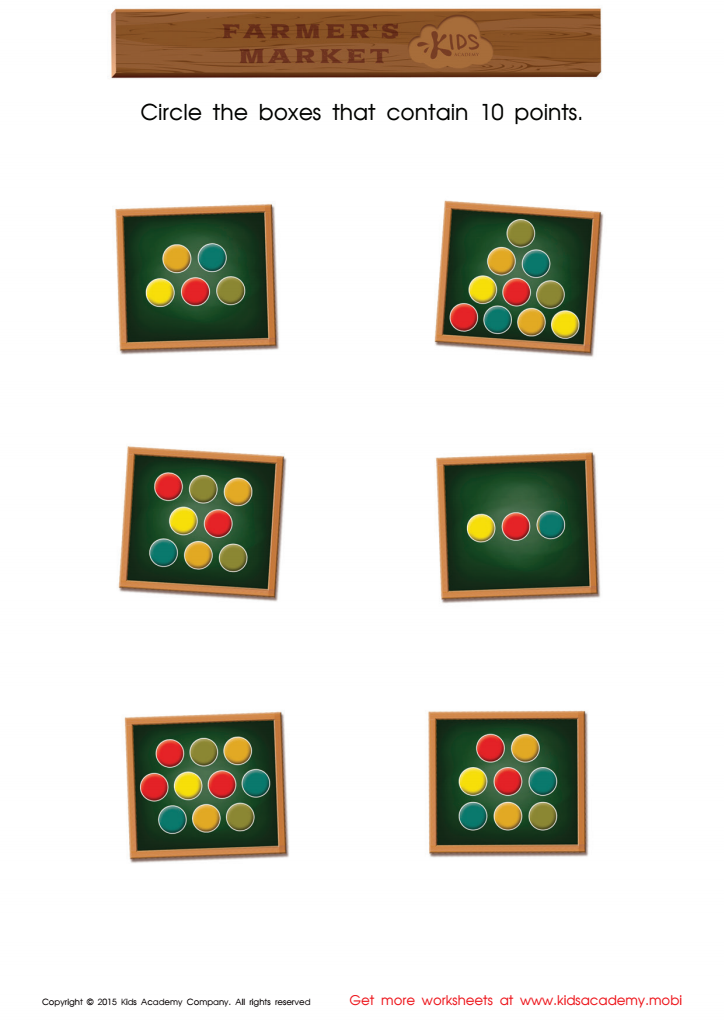
Count and Match Points 10 Math Worksheet
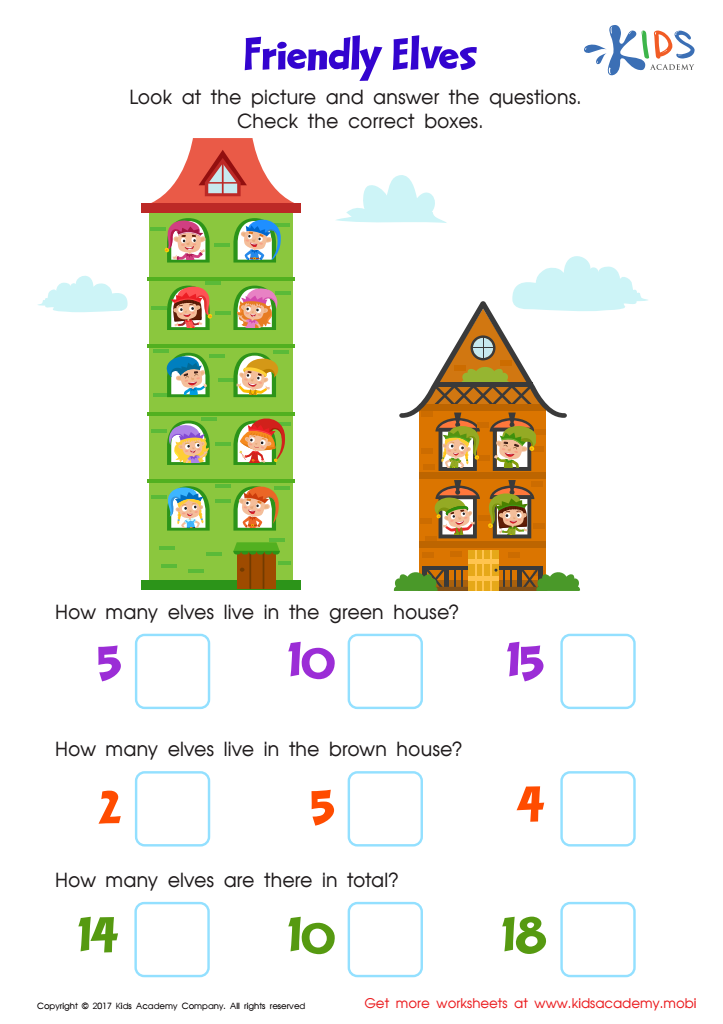
Place Value: Friendly Elves Worksheet
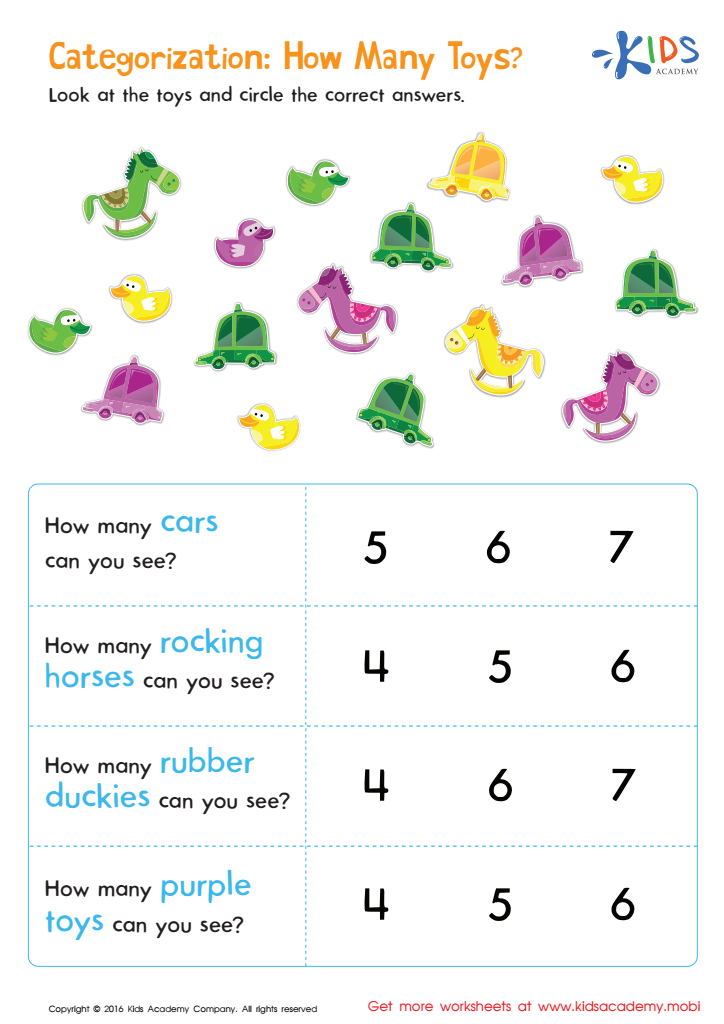
Classifying Toys by Type and Color Sorting Worksheet
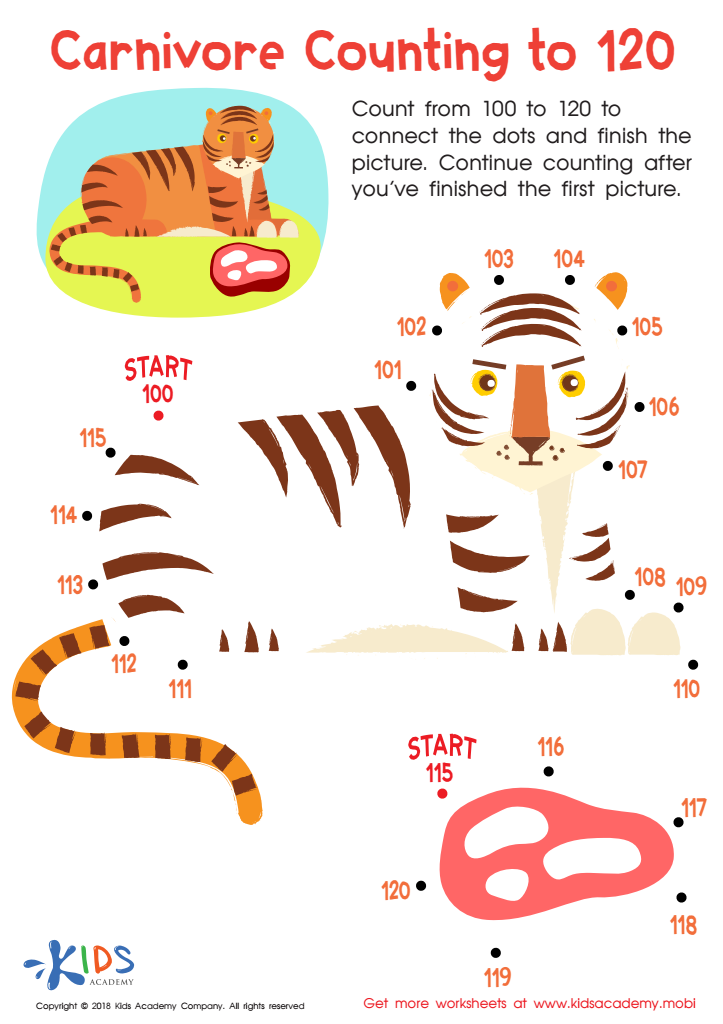
Carnivore Counting to 120 Worksheet
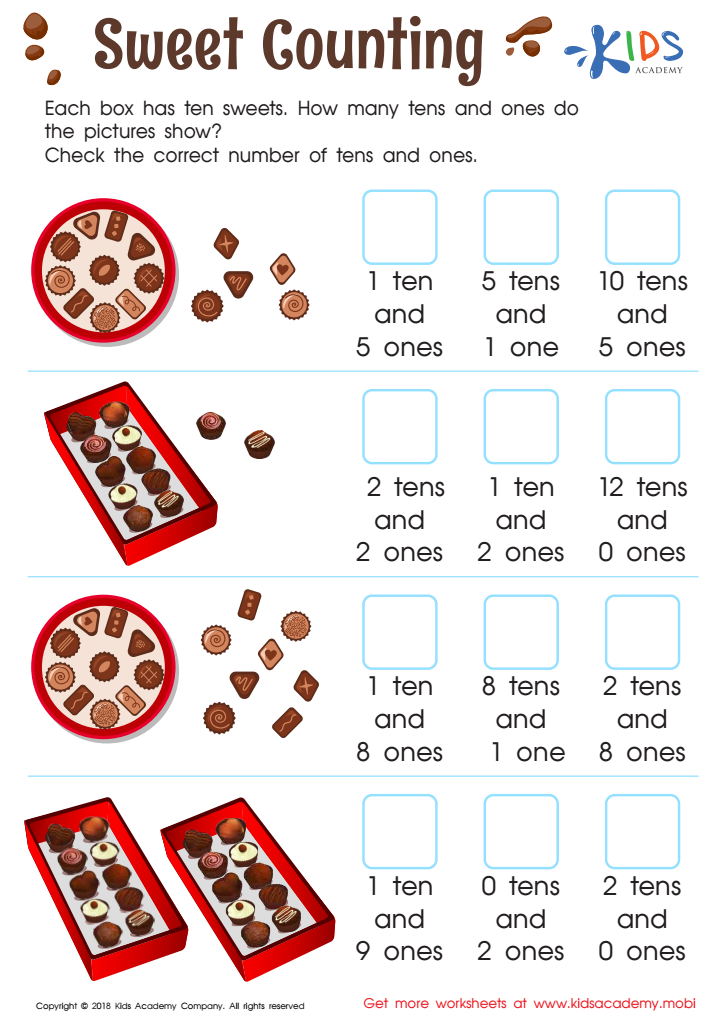
Sweet Counting - Part 2 Worksheet
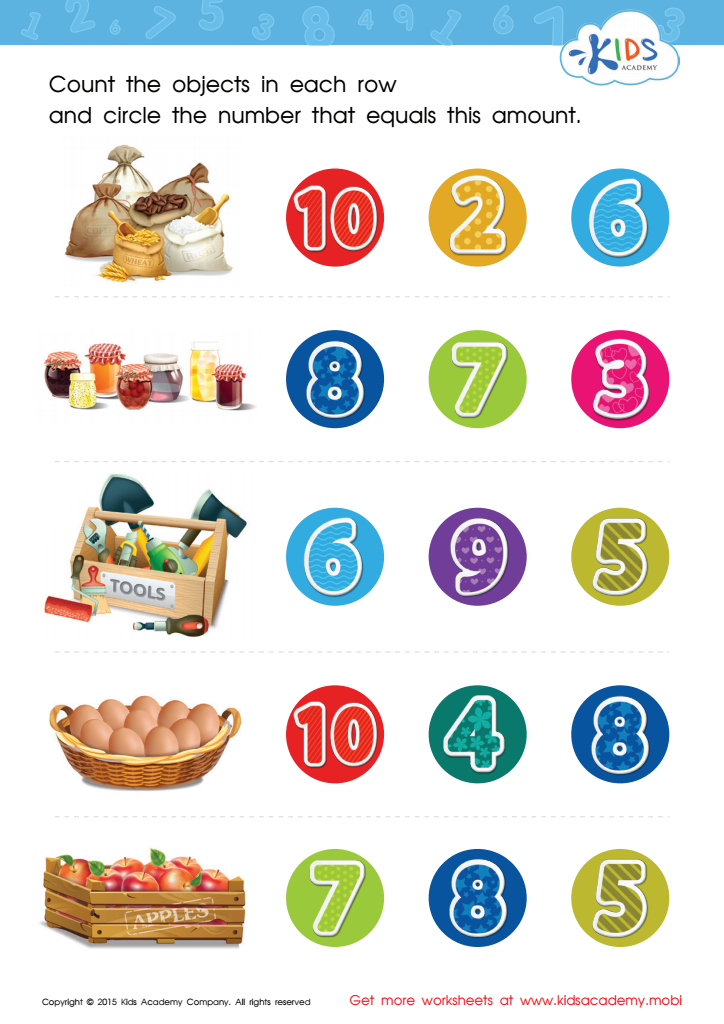
Count and Match 6 – 10 Math Worksheet
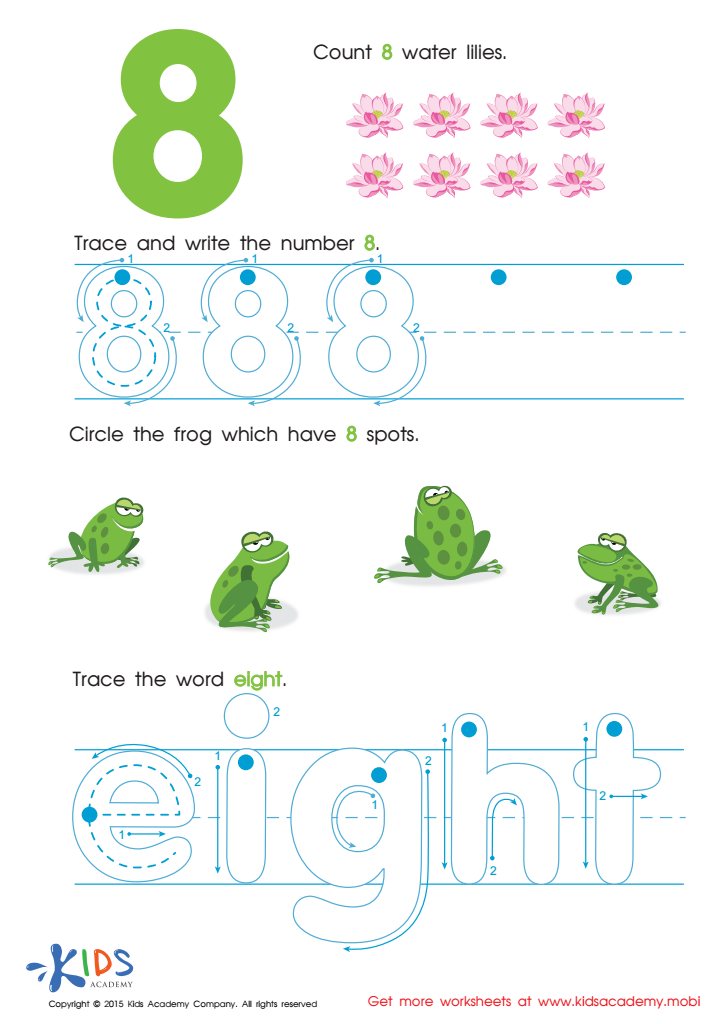
Learn Number 8 Easily Worksheet
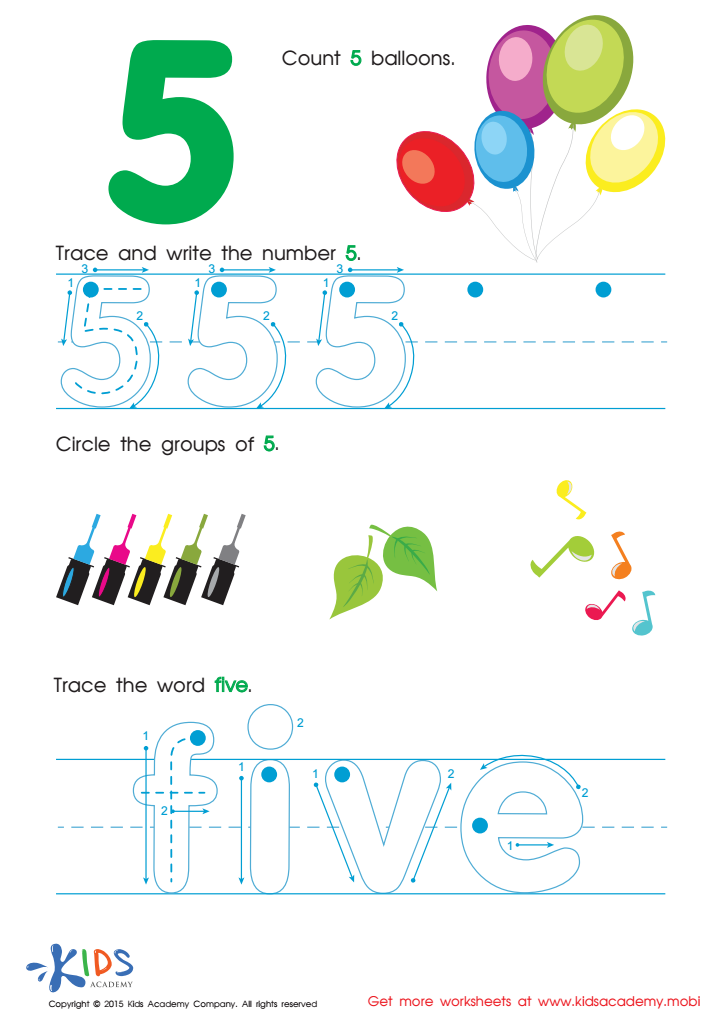
Practice Writing Number 5 Worksheet
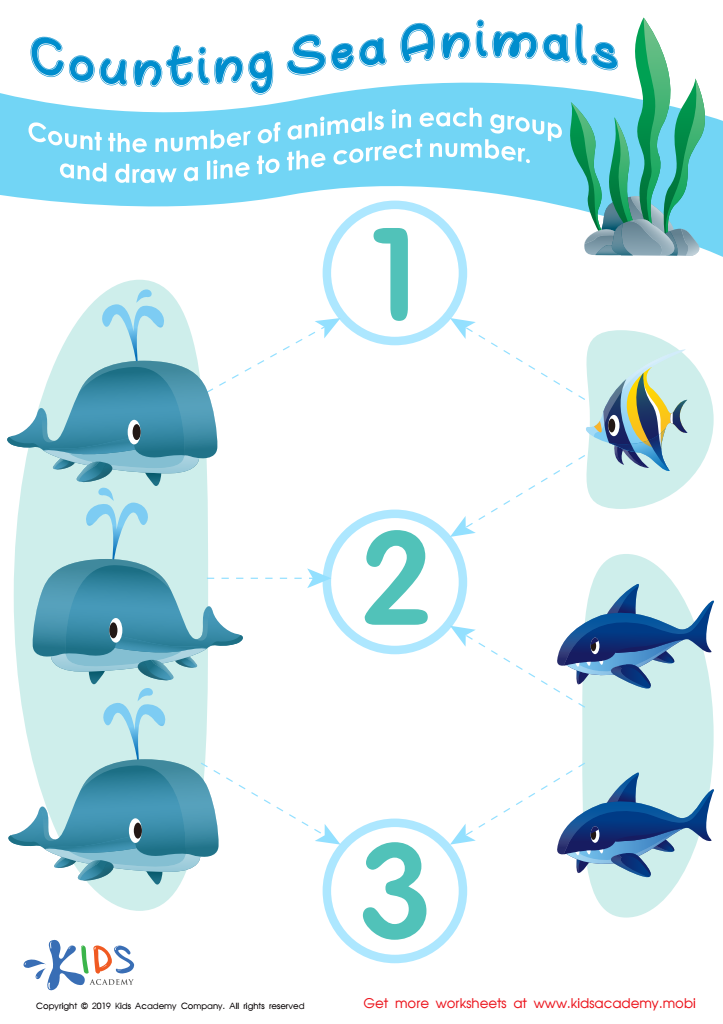
Counting Sea Animals Worksheet
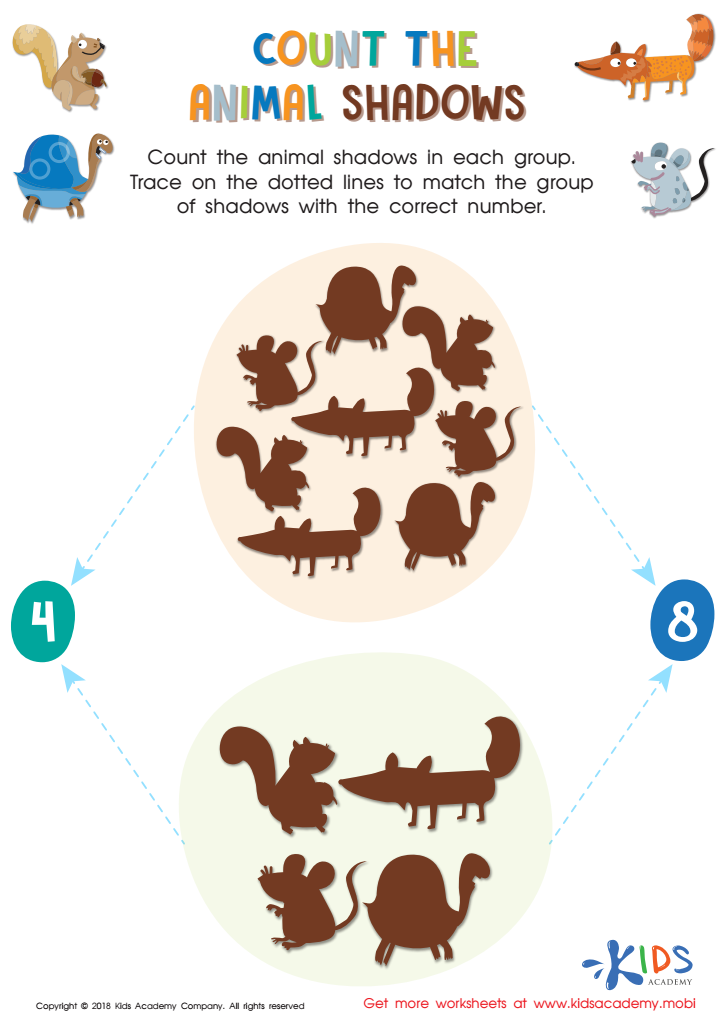
Count the Animal Shadows Worksheet
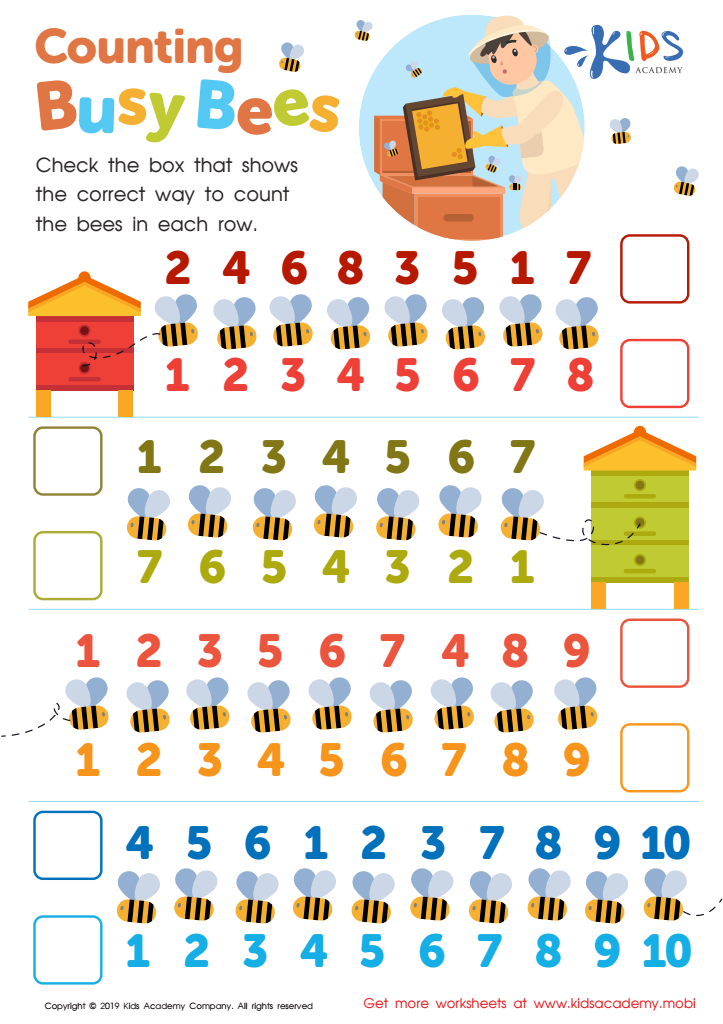
Counting Busy Bees Worksheet
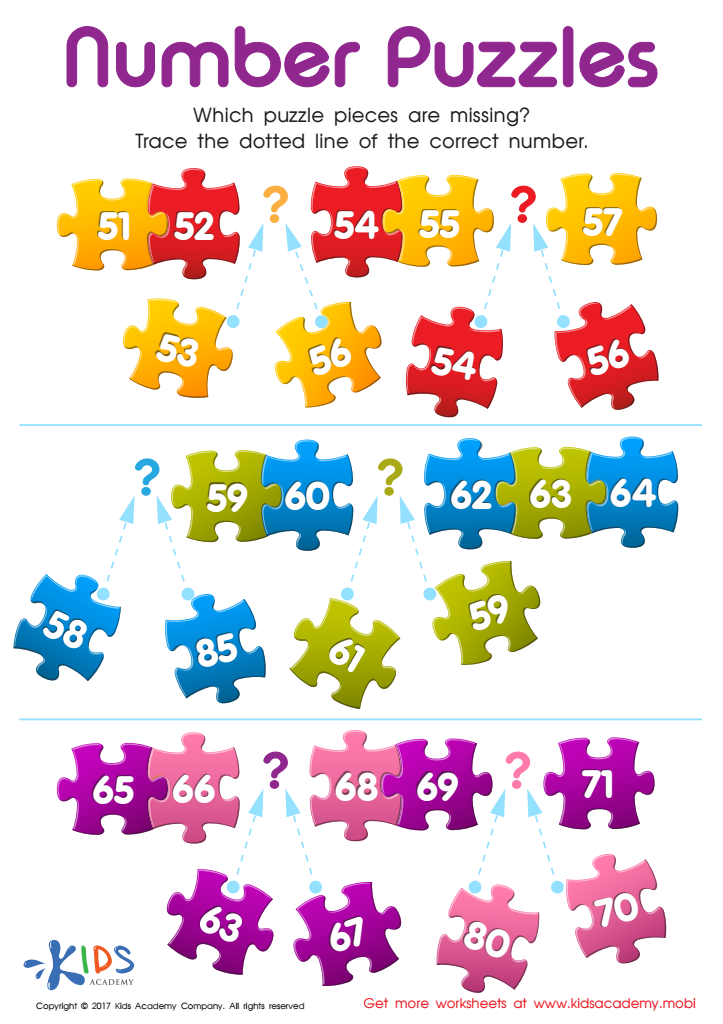
Number Puzzles Worksheet

Count and Match Vegetables 2 – 8 Math Worksheet

Count and Match Vegetables and Points Math Worksheet
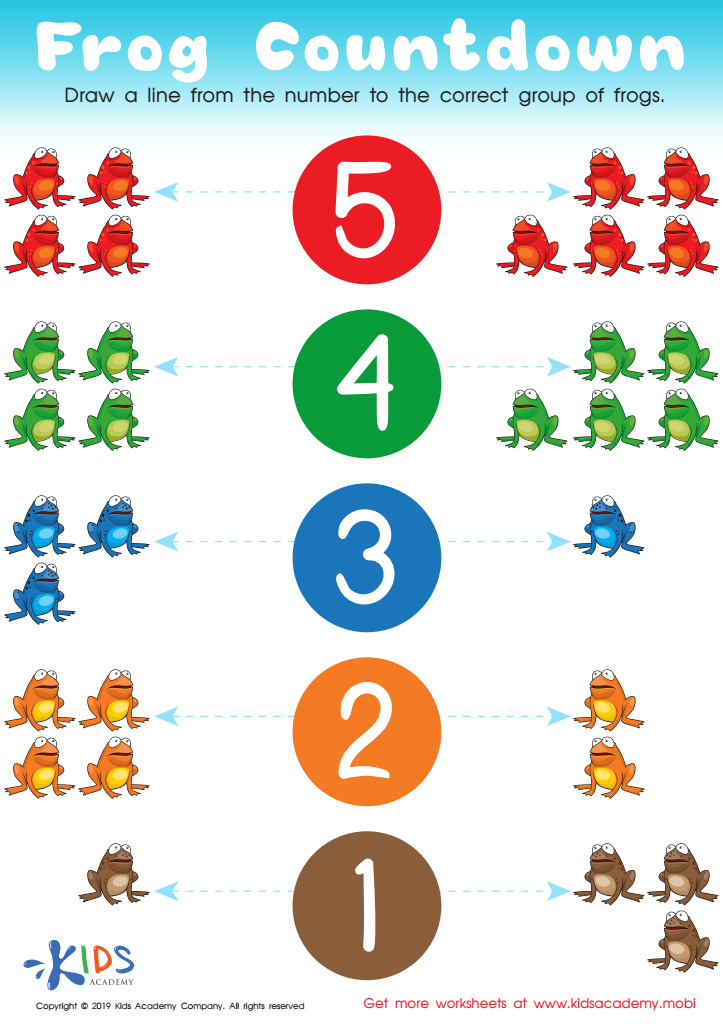
Frog Countdown Worksheet
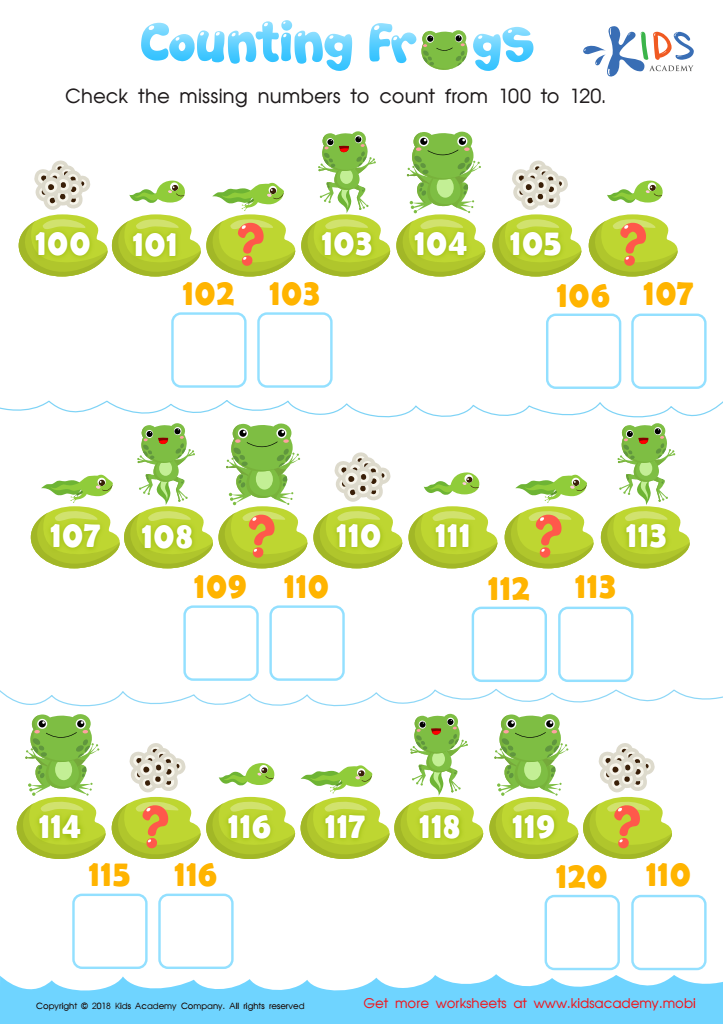
Counting Frogs Worksheet
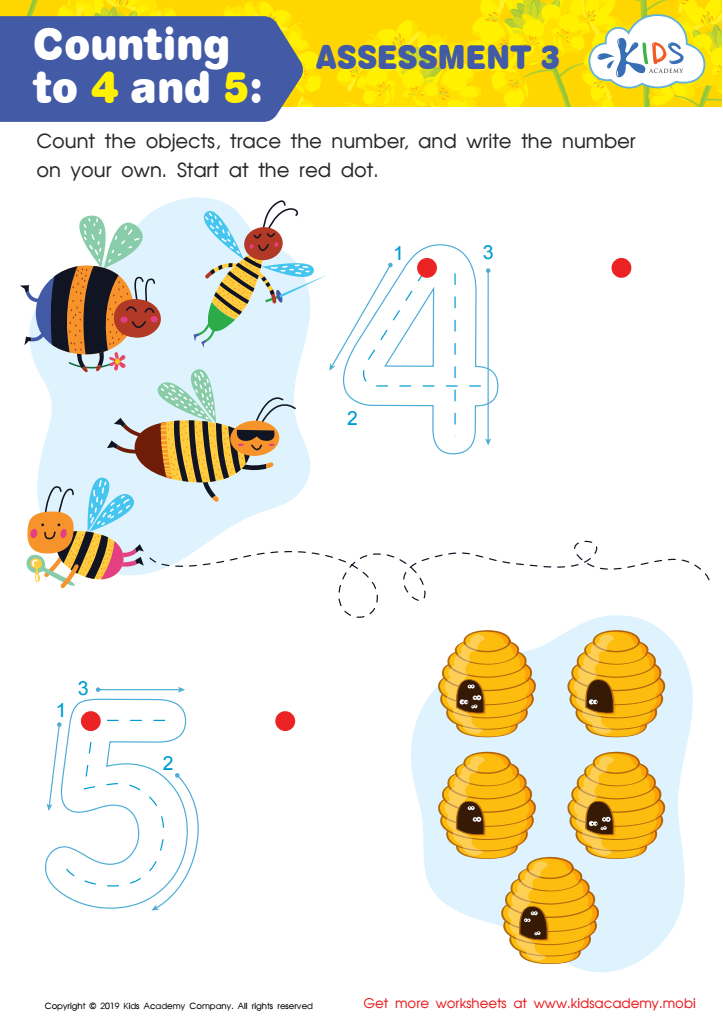
Counting to 4 and 5: Assessment 3 Worksheet
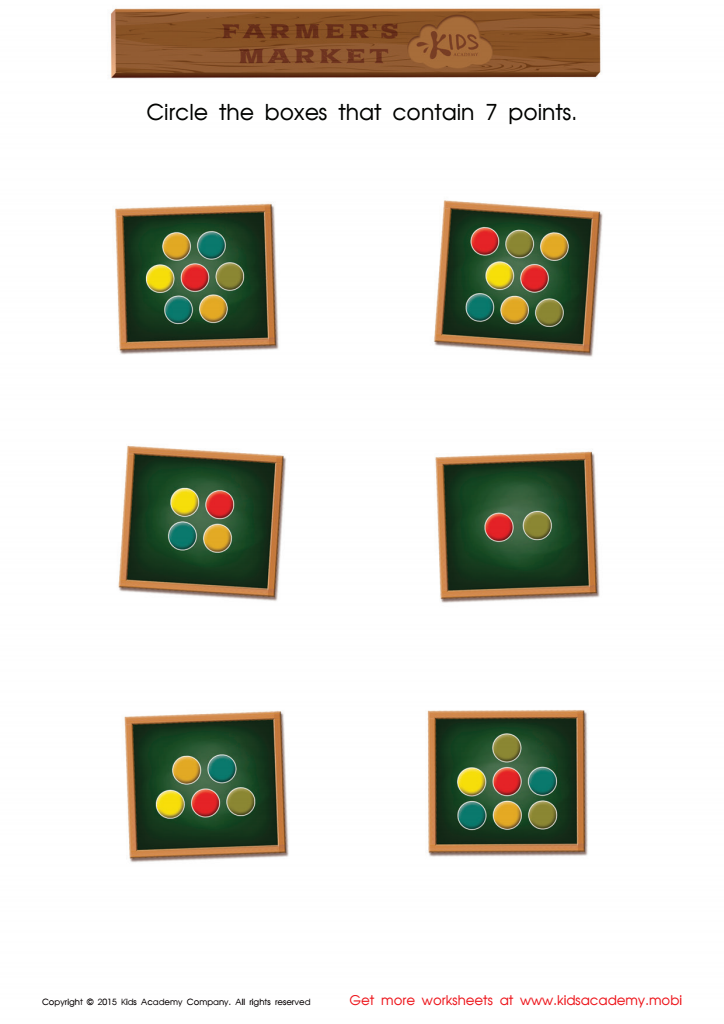
Count and Match Points 7 Math Worksheet
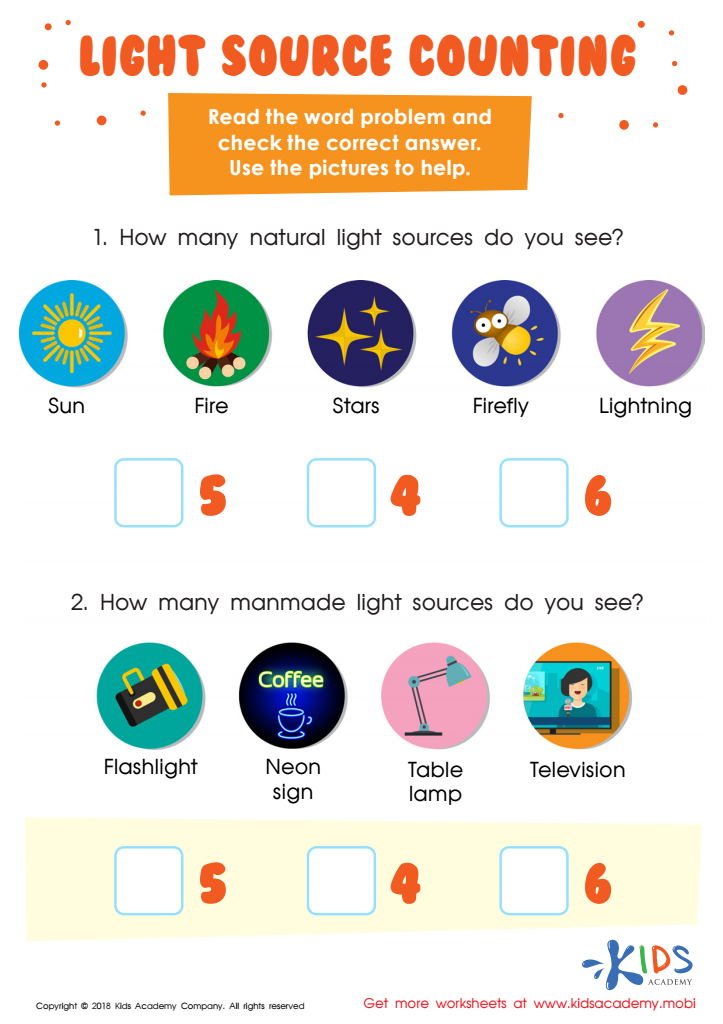
Light Source Counting Worksheet


.jpg)





Counting skills are the foundation of early numeracy and play a crucial role in a child's overall cognitive development. For children aged 4-6, mastering normal numbers through counting helps build a solid mathematical foundation that will benefit them in more advanced arithmetic and problem-solving scenarios later on. Parents and teachers should prioritize developing these skills for several reasons.
Firstly, counting enhances number recognition and the ability to understand and manipulate numbers in various contexts. This understanding is fundamental for everyday tasks such as telling time, measuring, and handling money. Secondly, engaging in counting activities promotes fine motor skills and hand-eye coordination, which are essential for writing numbers.
Moreover, early counting activities foster critical thinking and reasoning abilities. As children learn to count objects, they also practice categorization, compare quantities, and recognize patterns, which are all essential cognitive skills. Counting also has social benefits; activities like counting games and songs encourage cooperation, turn-taking, and communication among peers.
Lastly, confidence in early math skills can positively influence a child’s attitude toward learning in general, promoting a lifelong love of education. Therefore, both parents and teachers need to actively nurture counting abilities in children aged 4-6 to set a strong groundwork for future academic success and everyday life skills.








