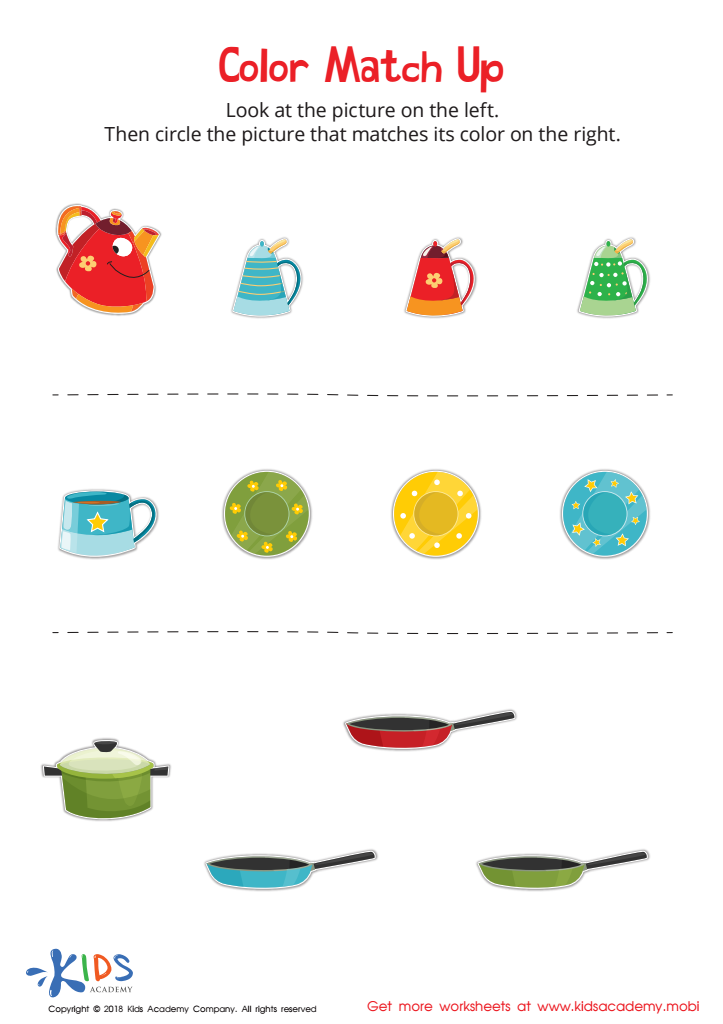
Color recognition Normal Math Worksheets for Ages 4-6
7 filtered results
-
From - To
Explore our engaging Color Recognition Normal Math Worksheets designed specifically for children aged 4 to 6! These playful and vibrant worksheets support young learners in identifying and distinguishing colors while integrating essential math skills. Each activity encourages creative thinking and problem-solving, offering a fun way to reinforce cognitive development. With a variety of exercises, your child will enjoy sorting, matching, and answering questions related to colors, helping them gain confidence in both color knowledge and basic math concepts. Perfect for at-home learning or classroom activities, our worksheets provide a balance of education and enjoyment for early learners. Get started today!
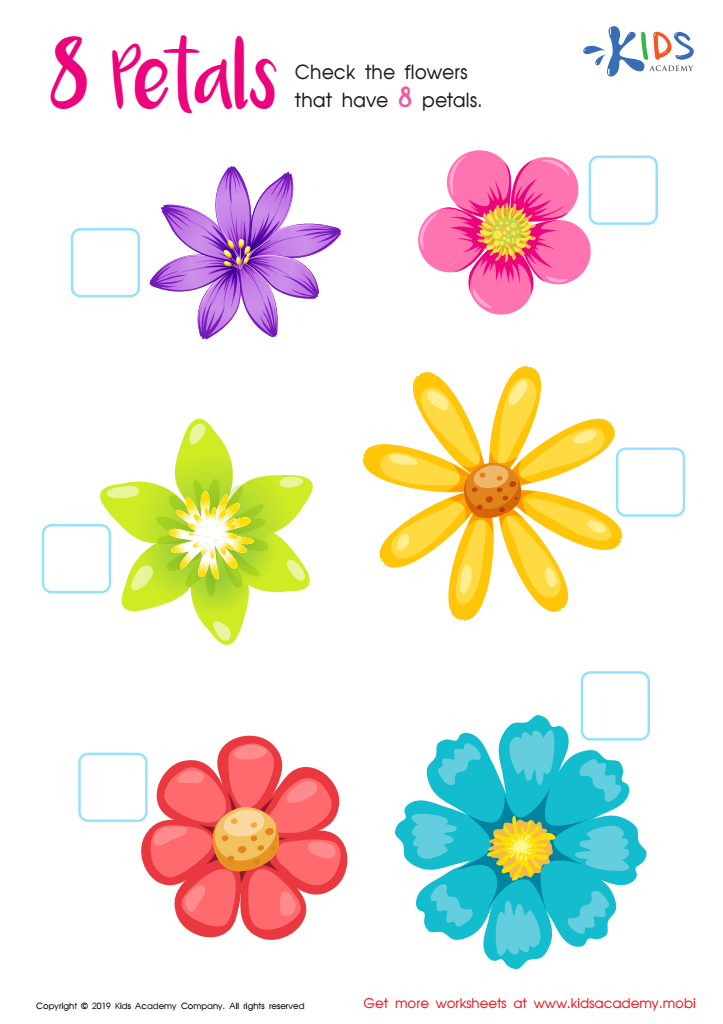
8 Petals Worksheet
 Assign to My Students
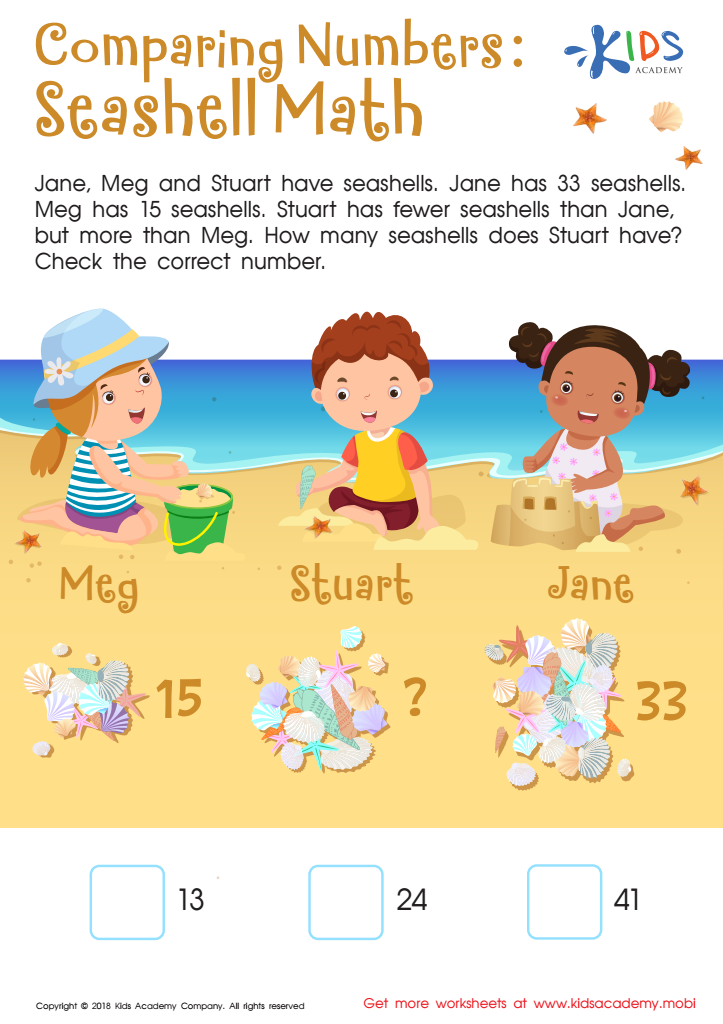
Seashell Collectors Worksheet
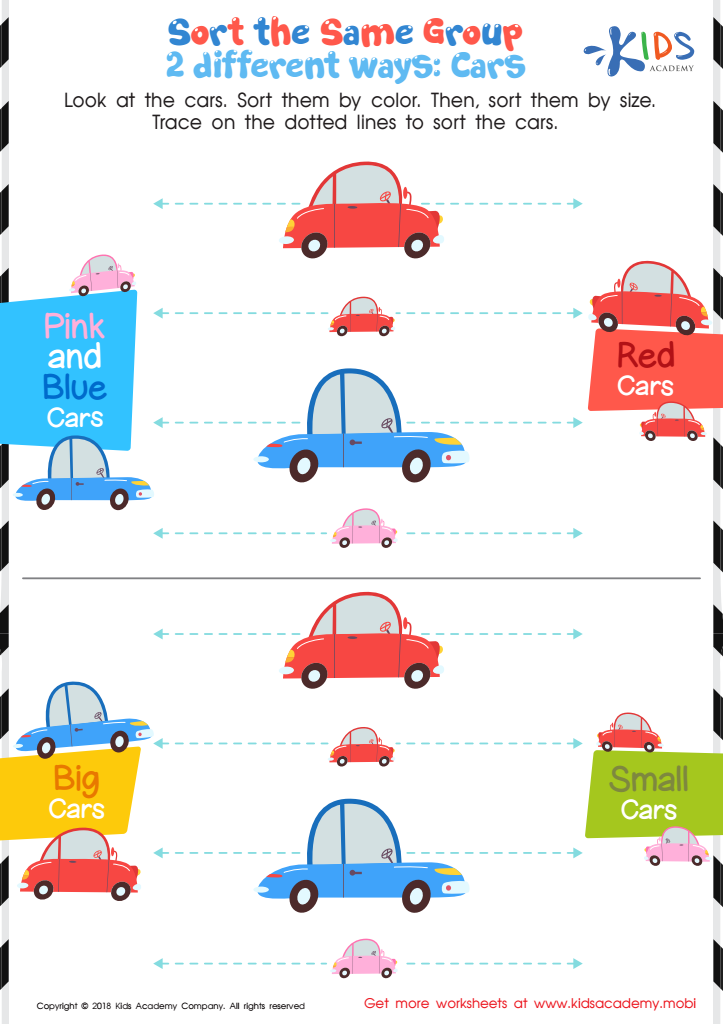
Sort the Same Group 2 Different Ways: Cars Worksheet
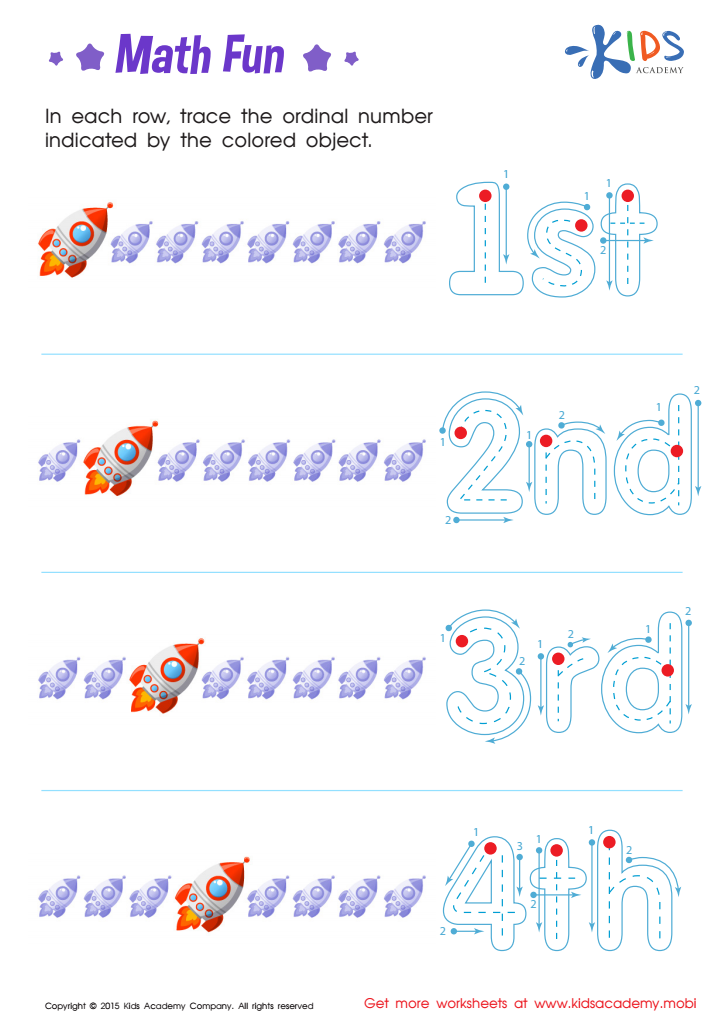
Ordinal Numbers: Math Fun Worksheet
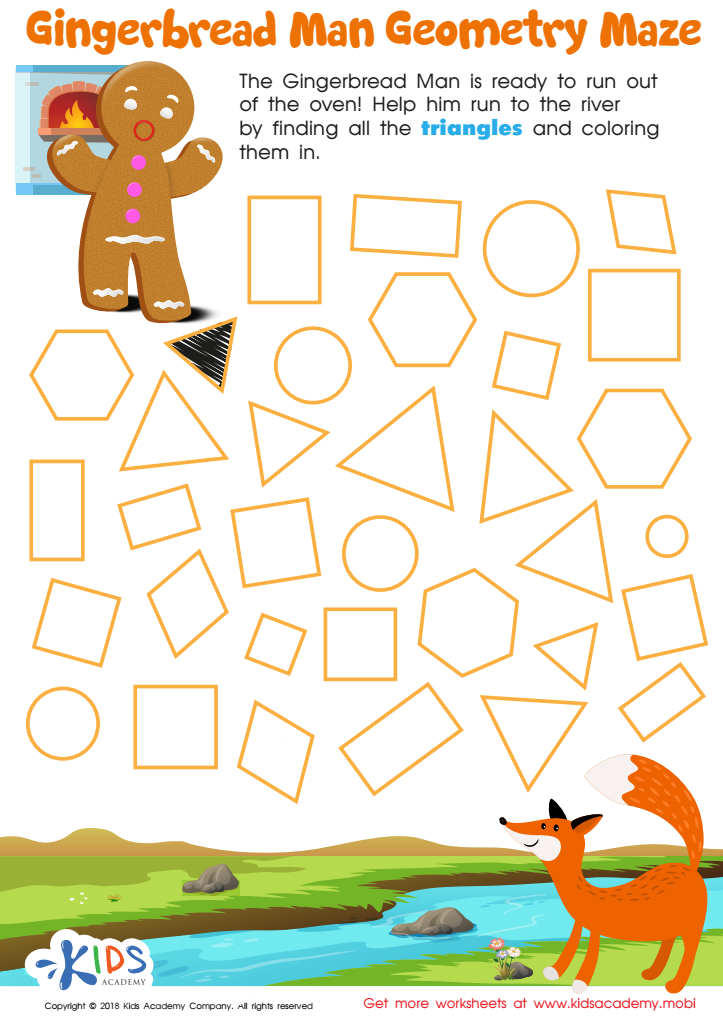
Gingerbread Man Geometry Maze Worksheet
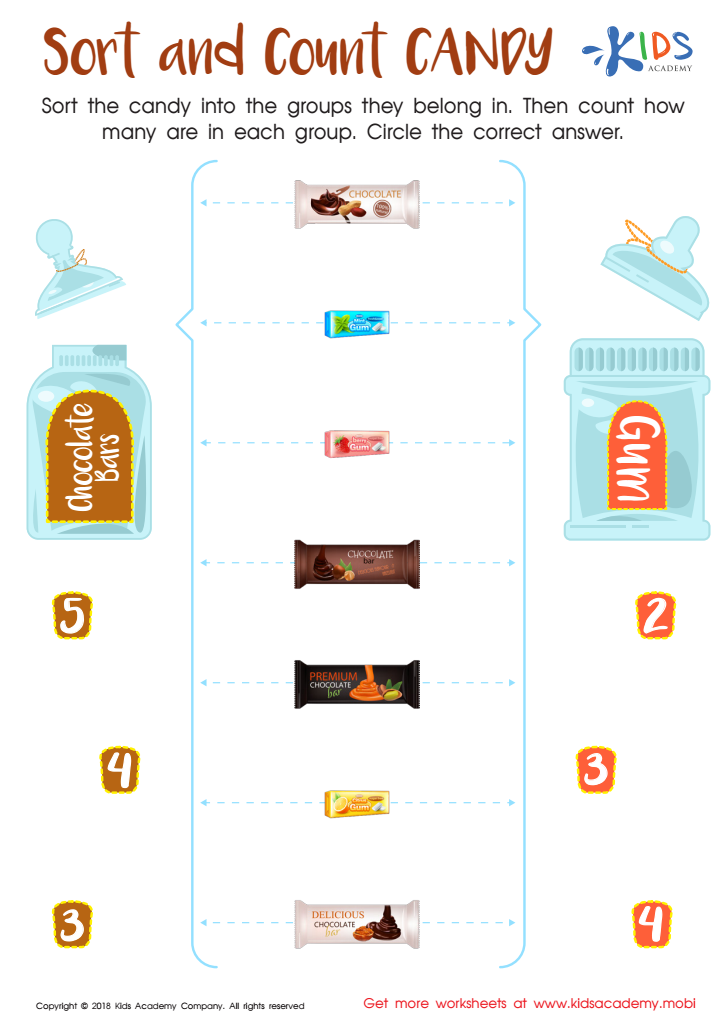
Sort and Count Candy Worksheet




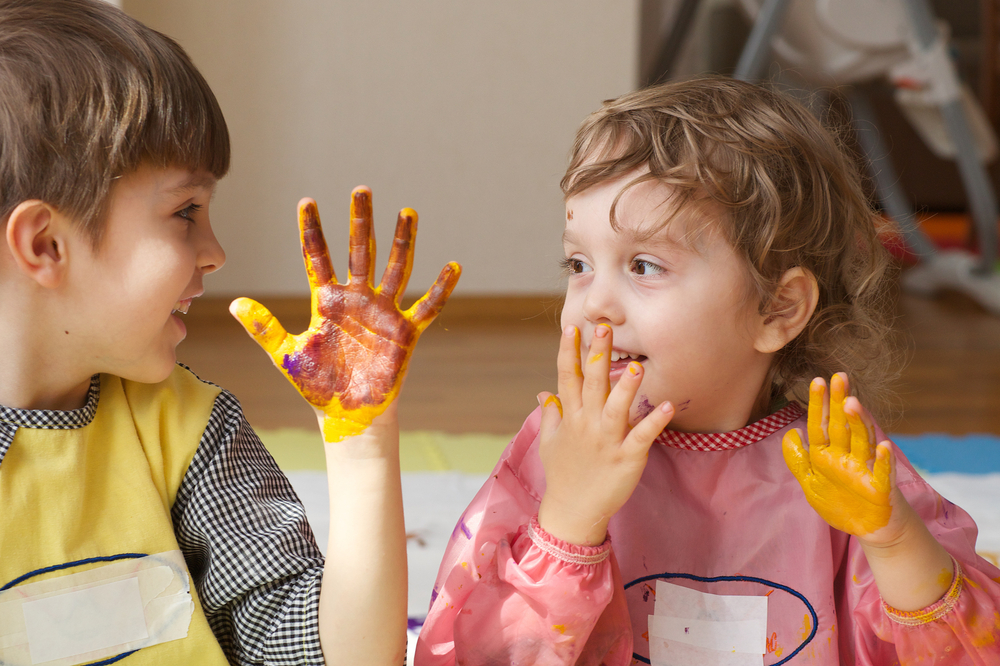



Color recognition and basic arithmetic skills are foundational elements of early childhood education that play a crucial role in a child's development. For children aged 4-6, these skills are critical for cognitive growth, as they enhance visual perception and analytical abilities. Understanding colors not only supports children's creative expression but also aids in their ability to categorize and make sense of the world around them.
When children can recognize colors, they are more equipped to engage in activities involving sorting, matching, and identifying objects in their environment. These activities promote critical thinking and foundation skills that are essential for more complex concepts later in life.
Moreover, teaching children basic math concepts alongside color recognition fosters their numerical literacy. Simple math exercises, combined with color recognition games, make learning enjoyable and engaging. Such integrated learning experiences stimulate curiosity, boost confidence, and support social skills through collaborative activities.
Parents and teachers should care about color recognition and basic math because these skills lay the groundwork for future learning. Effective mastery at this stage can inspire a lifelong love of learning and build the self-assuredness necessary for academic success in later years. Investing time in these areas will foster a well-rounded early education experience for young learners.








