Visual perception improvement Normal Math Worksheets for Ages 4-6
4 filtered results
-
From - To
Enhance your child's visual perception skills with our specially designed math worksheets for ages 4-6. These engaging activities focus on improving visual discrimination, spatial awareness, and pattern recognition, essential building blocks for early math success. Each worksheet is crafted to spark interest and develop critical thinking skills while reinforcing foundational math concepts. Ideal for classroom or home use, our user-friendly format encourages independent learning and keeps young learners motivated. Foster a love for math in your child with fun and effective visual perception exercises tailored for their age group. Download and watch them thrive in their learning journey!
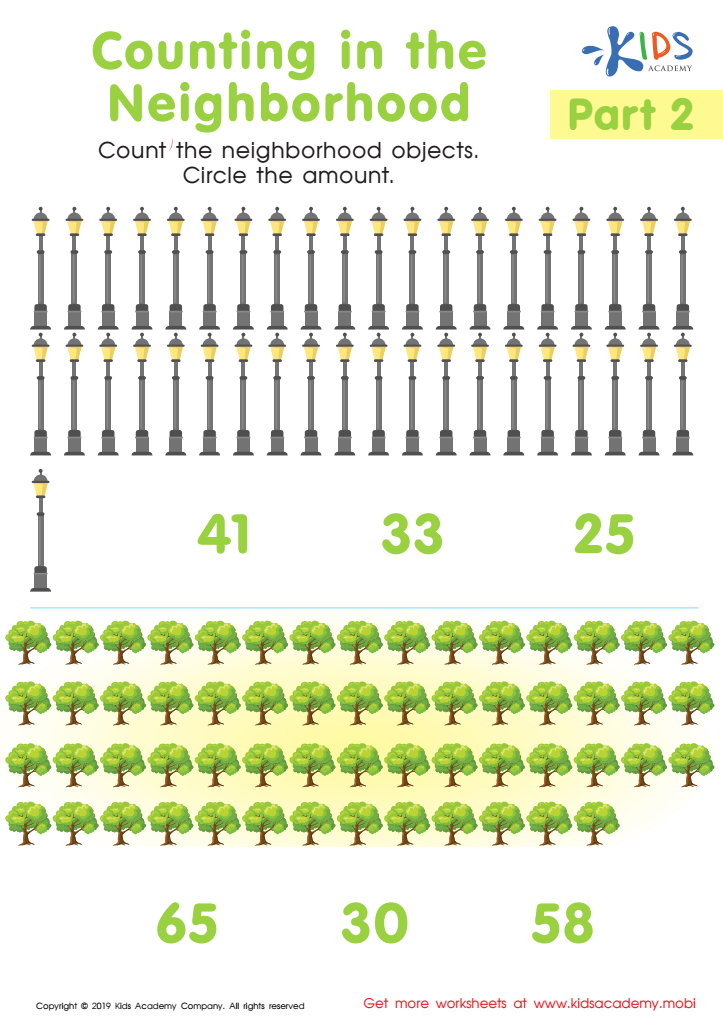
Counting In The Neighborhood Part 2 Worksheet
 Assign to My Students
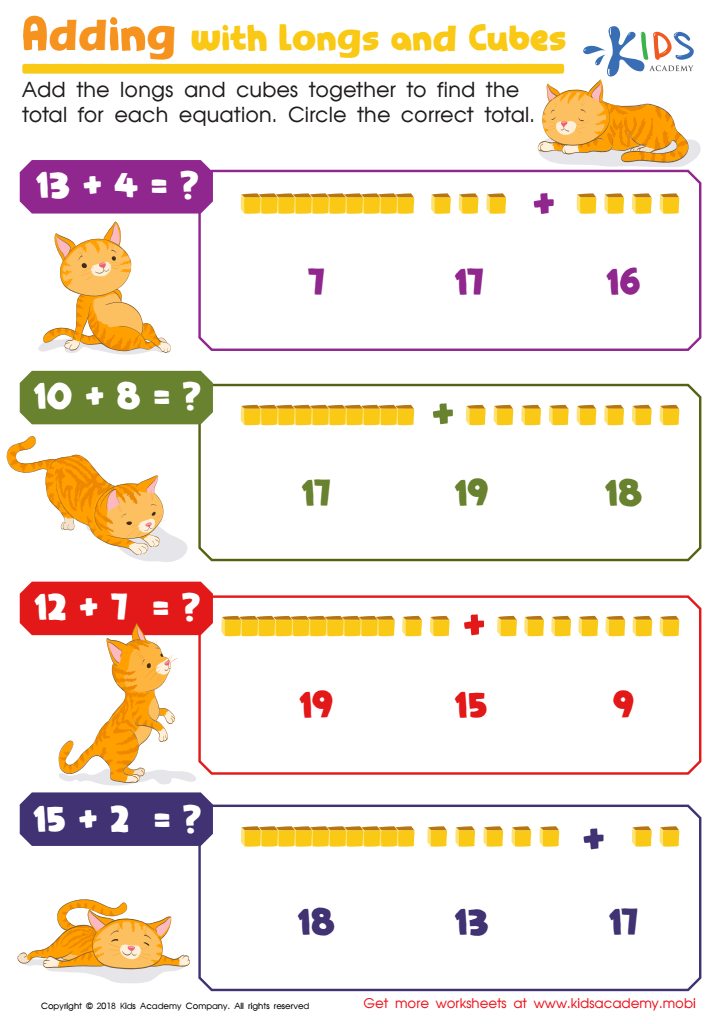
Adding With Longs and Cubes Worksheet
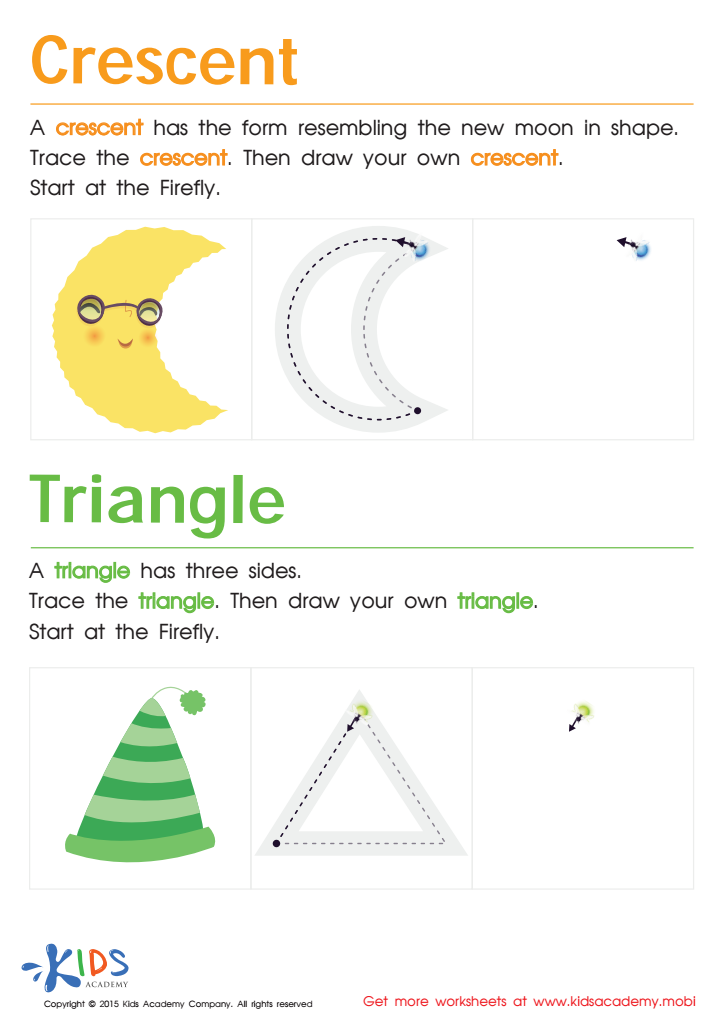
Learning to Draw Crescents And Triangles Worksheet
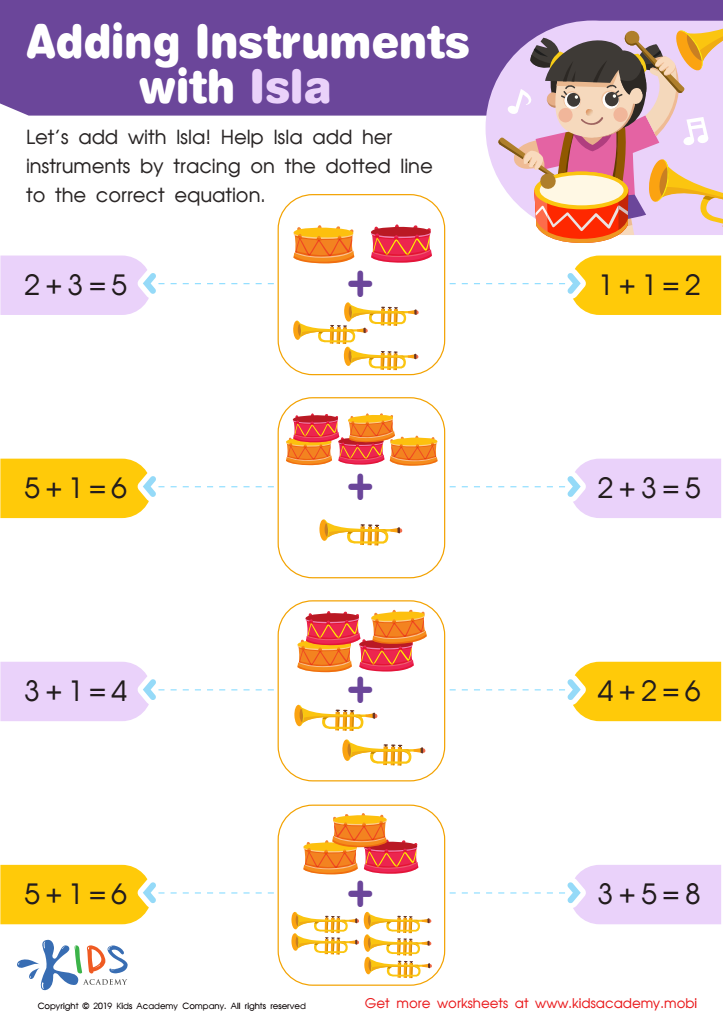
Adding Instruments with Isla Worksheet







Visual perception is a fundamental skill for young children, particularly in the context of learning math. For ages 4-6, improving visual perception is crucial as it directly impacts a child’s ability to recognize patterns, shapes, and spatial relationships—all of which are key components of early math concepts.
Parents and teachers should prioritize this development because strong visual perception skills help children understand numbers, count objects, and acknowledge different geometrical shapes. As children learn to categorize and compare, they build a solid foundation for problem-solving skills integral to more complex math later on.
Furthermore, developing these skills at an early age can boost a child's confidence and motivation in learning. Engaging activities that enhance visual perception, such as puzzles, matching games, and drawing, make learning enjoyable and foster a positive attitude towards school and math in particular.
Moreover, children who struggle with visual perception may find math concepts challenging, potentially leading to a lack of interest or anxiety around the subject. By focusing on visual perception improvement in early math education, parents and teachers can not only facilitate cognitive development but also nurture a love for learning that will benefit children throughout their educational journey.








