
Sentence construction Normal Reading Worksheets for Ages 4-6
5 filtered results
Difficulty Level
Grade
Age
-
From - To
Subject
Activity
Standards
Our "Sentence Construction Normal Reading Worksheets for Ages 4-6" are designed to help early learners strengthen their reading and writing skills through engaging and interactive activities. Each worksheet focuses on building fundamental skills such as sentence formation, word order, and comprehension. By practicing with these worksheets, children enhance their ability to construct coherent sentences, which lays the foundation for fluent reading and effective communication. Perfect for both classroom and home use, these worksheets provide a fun, educational tool that supports early literacy development and inspires a lifelong love of learning. Get started today and watch your child's confidence soar!
Favorites
With answer key
Interactive
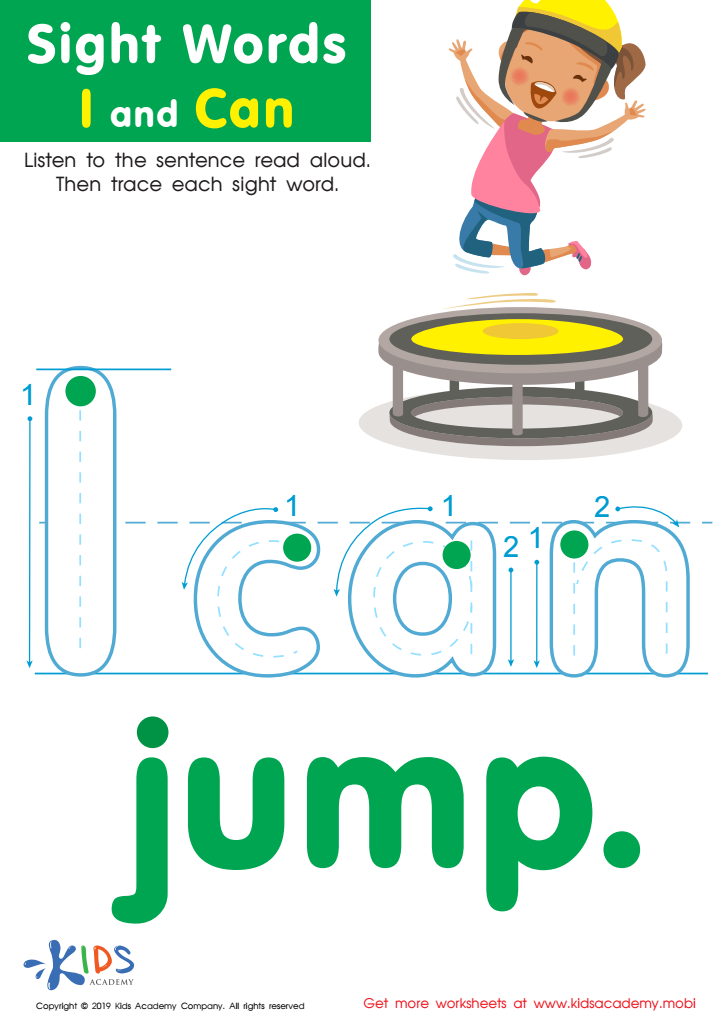
Sight Words I Can Worksheet
Emerging readers can build confidence and improve reading skills with this free worksheet! They'll trace the lines to complete the "I Can" phrase then use the picture clue to decode the last word. This activity encourages reading and writing, and is empowering for kids as they explore all the things they can do!
 Assign to My Students
Sight Words I Can Worksheet
Worksheet
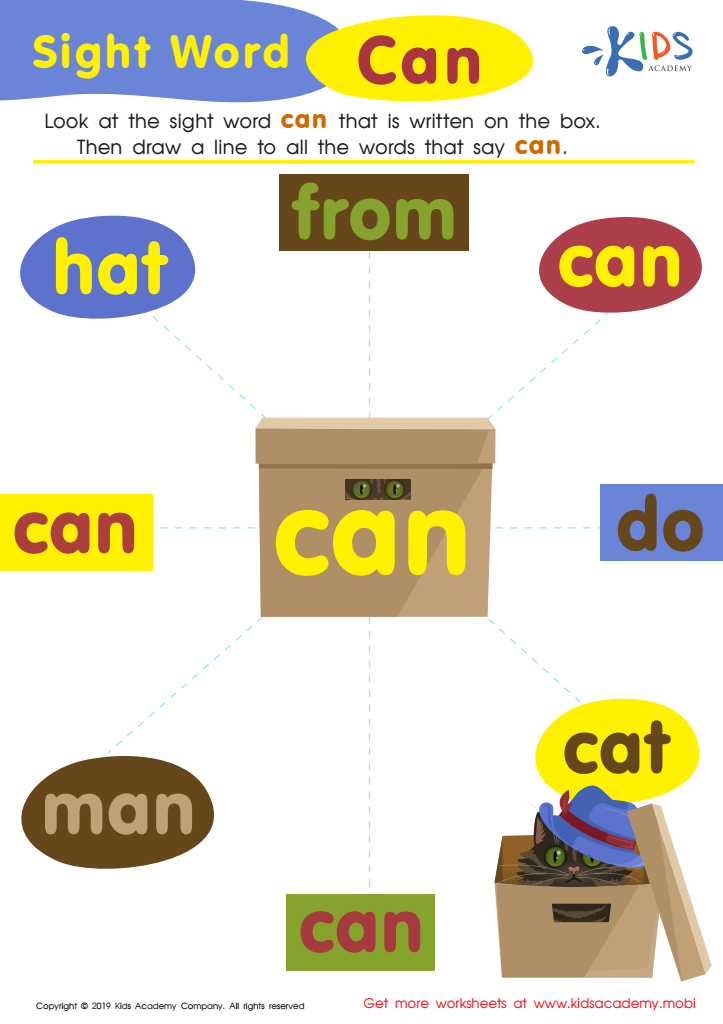
Sight Word Can Worksheet
Learning sight words is key for strong readers. Kids with large word bases find reading simpler, since they don't have to decode words they already know. This free worksheet uses the word 'can' to help kids improve their visual discrimination and refine motor skills, while providing pictures to help them along.
Sight Word Can Worksheet
Worksheet
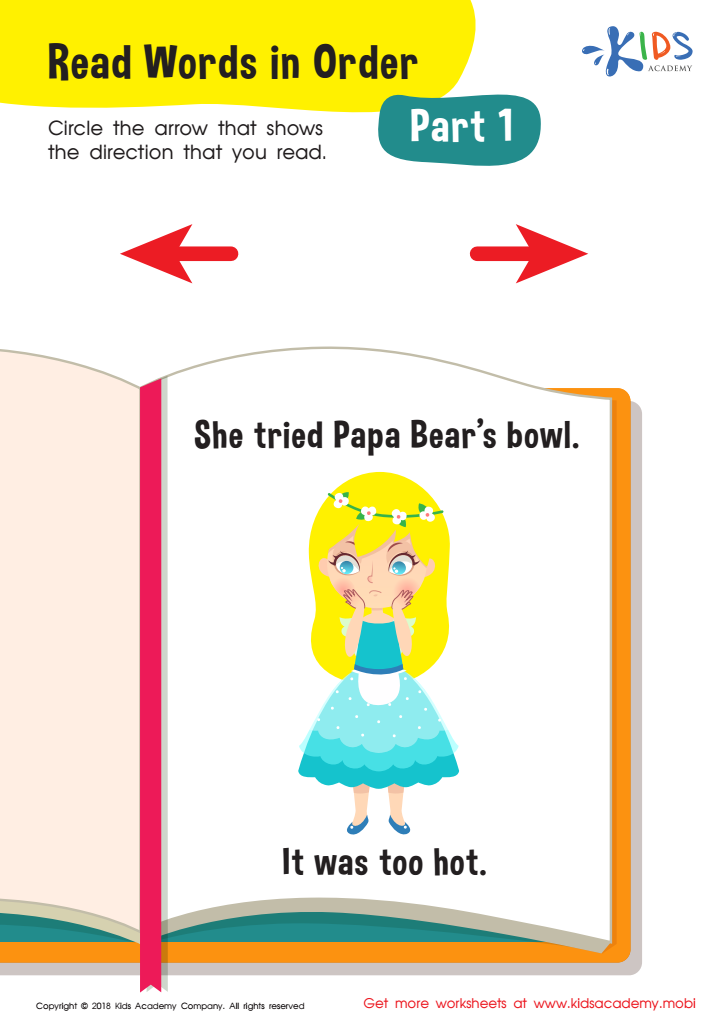
Read Words Order Part 1 Worksheet
Is your child just starting out with reading or having trouble? This worksheet is perfect! It'll help them learn the right way to read. Ask them to circle the arrow that shows the right direction to read. With this exercise, your child can overcome some of their reading challenges.
Read Words Order Part 1 Worksheet
Worksheet
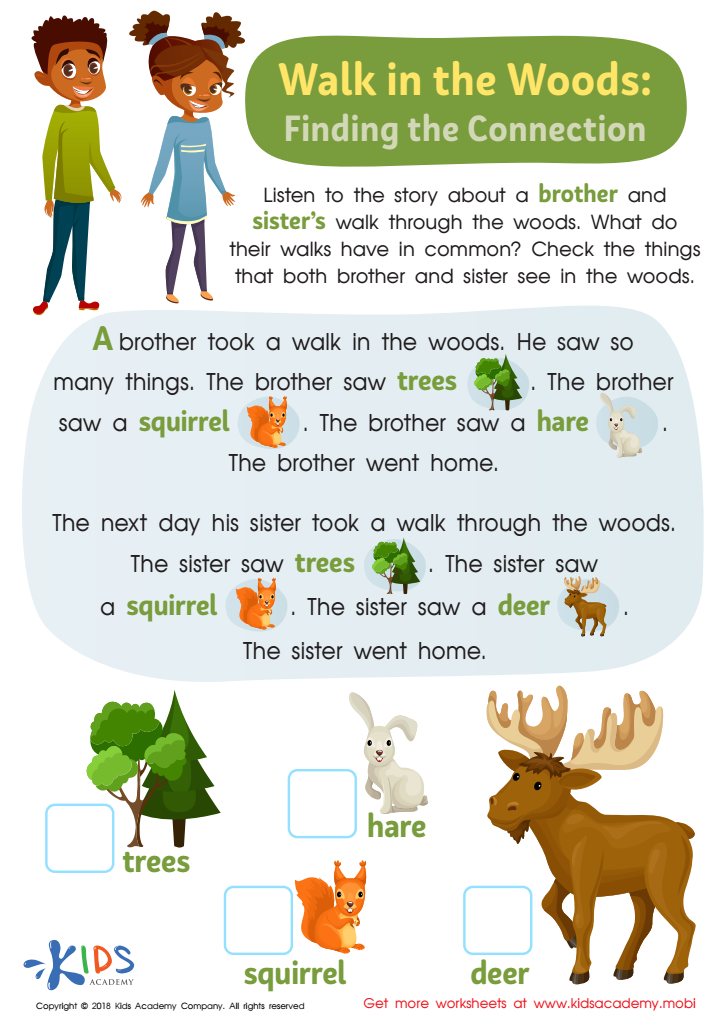
Walk In the Woods: Finding Connections Worksheet
Brother and sister took a walk in the woods to connect with nature and get some exercise. As they went, they noted different things like birds and plants, which they share in this story. Read it to your little ones, and help them check off the items the two saw. It's a great way to learn about nature and enjoy the outdoors.
Walk In the Woods: Finding Connections Worksheet
Worksheet
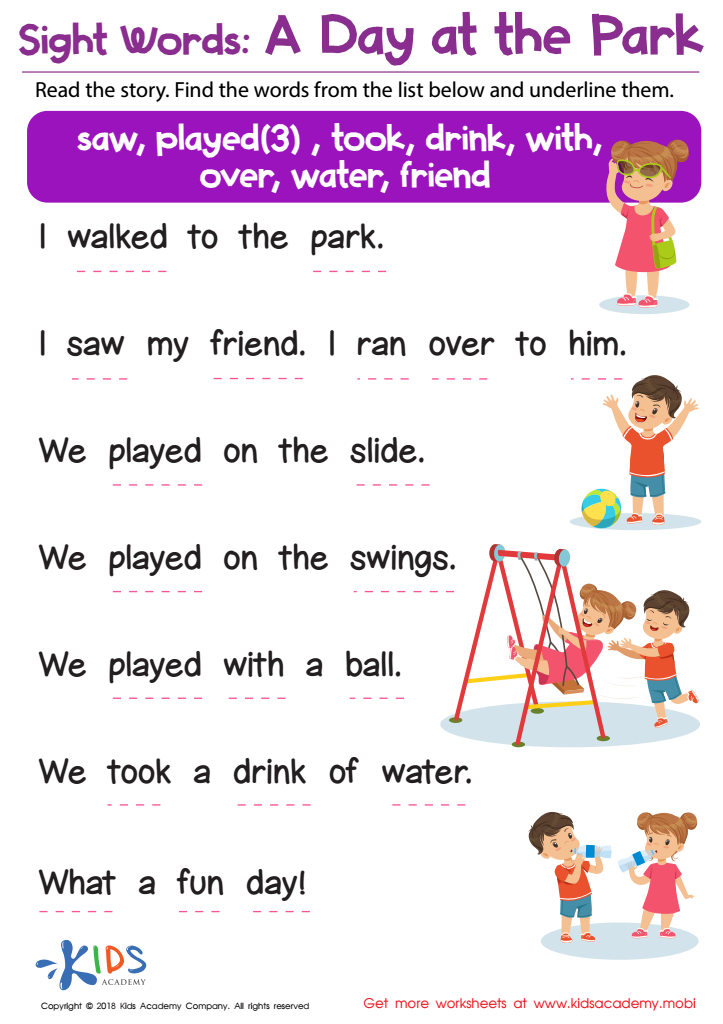
Sight Words: A Day at the Park Worksheet
This worksheet offers kids practice reading sight words in a story. With picture clues and repetitive wording, they'll work with words that can't be sounded out to reinforce their learning. This is an important step in the reading process that helps kids become more confident readers.
Sight Words: A Day at the Park Worksheet
Worksheet
Join Kids Academy for Free
Who is primarily going to use this learning content?






Sentence construction and reading are pivotal skills for children ages 4-6 as they lay the foundation for future literacy, communication, and cognitive development. During these early years, the young brain is incredibly receptive, acting as a sponge for language acquisition. By understanding how sentences are built and function, children gain the ability to express their thoughts and ideas coherently, fostering better social interactions and emotional expression.
Reading, particularly at a normal, fluent pace, enhances comprehension, vocabulary, and general knowledge. As children encounter new words and sentence structures, they expand their linguistic repertoire and become adept at understanding varied contexts. This skills development also engenders a love for learning and reading, which is associated with improved academic performance across subjects, from math to history.
Furthermore, mastering sentence construction and reading early on can mitigate the risk of future learning difficulties. Children who struggle with these foundational skills often experience a cascading effect, where challenges in early literacy impede later educational achievements. Parents and teachers, therefore, play a crucial role in nurturing these abilities through engaging, age-appropriate activities like reading aloud, interactive storytelling, and playful writing exercises, setting the stage for lifelong literacy and success.








