Rhyming skills development Normal Rhyming Words Worksheets for Ages 4-6
3 filtered results
-
From - To
Unlock the magic of rhyming with our carefully designed Normal Rhyming Words Worksheets for ages 4-6! Perfectly tailored to spark young minds, these engaging worksheets help develop essential phonetic skills and boost early reading proficiency. Each activity focuses on recognizing and creating word pairs that rhyme, fostering a love for language and enhancing auditory discrimination. Our vibrant and interactive sheets make learning dynamic and fun, ensuring that children grasp rhyming concepts with ease. Give your child a head start on their literary journey and watch their confidence soar! Explore our collection today and nurture your young learner’s rhyme-time skills.

Rhyming Words Rhyming Worksheet
 Assign to My Students
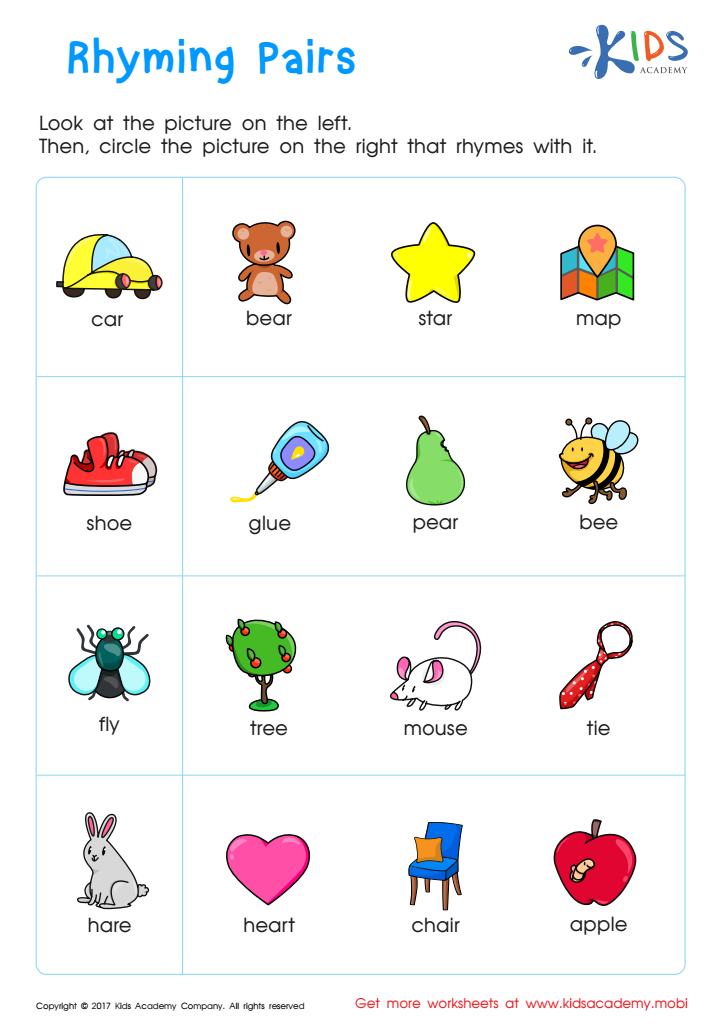

First Words: Picture Rhymes Worksheet






.jpg)
Rhyming skills are a critical component of early childhood literacy and language development, and both parents and teachers should prioritize them for children aged 4-6. Rhyming helps enhance phonemic awareness, which is the ability to recognize and manipulate the sounds in words. This foundational skill is essential for learning to read and spell. When children engage in rhyming activities, they become attentive to the sounds within words, making it easier for them to decode new words and understand their structure.
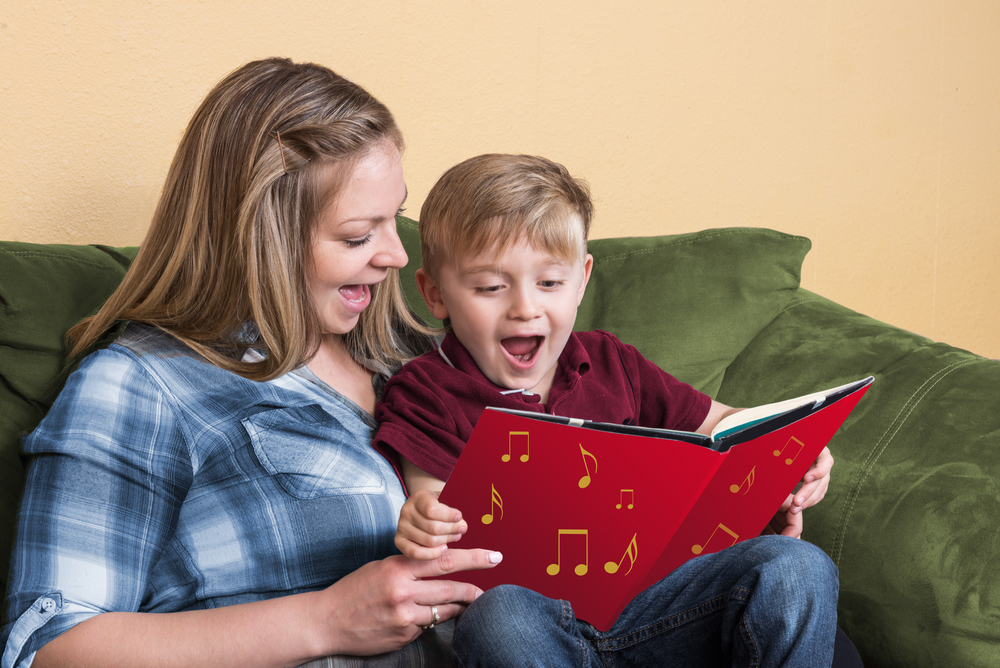
Moreover, rhyming activities are engaging and fun, often involving music, poetry, and games, which can captivate young learners and foster a love of reading. These activities also enhance memory and recall abilities, making it easier for children to expand their vocabulary. Socially, rhyming games and songs often involve group participation, thus aiding in developing cooperative play and communication skills.
Parents and teachers who incorporate rhyming into their child’s daily routine provide a rich, supportive environment for early literacy skills. This early intervention can pave the way for academic success, instilling both confidence and competence when children encounter more complex reading and writing tasks. Ultimately, rhyming is more than just play—it is a fun, fundamental building block for a lifetime of learning.








