Categorizing objects Normal Science Worksheets for Ages 4-6
4 filtered results
-
From - To
Discover our engaging "Categorizing Objects Normal Science Worksheets" designed specifically for children aged 4-6. These worksheets introduce young learners to the essential skill of categorization, helping them organize items based on attributes such as size, color, and shape. With interactive activities that spark curiosity and foster critical thinking, kids will enjoy sorting objects to better understand their world. Perfect for early science education, our printable worksheets promote cognitive development while making learning fun. Equip your little ones with foundational skills through these colorful and entertaining resources, ensuring a positive learning experience that paves the way for future academic success!
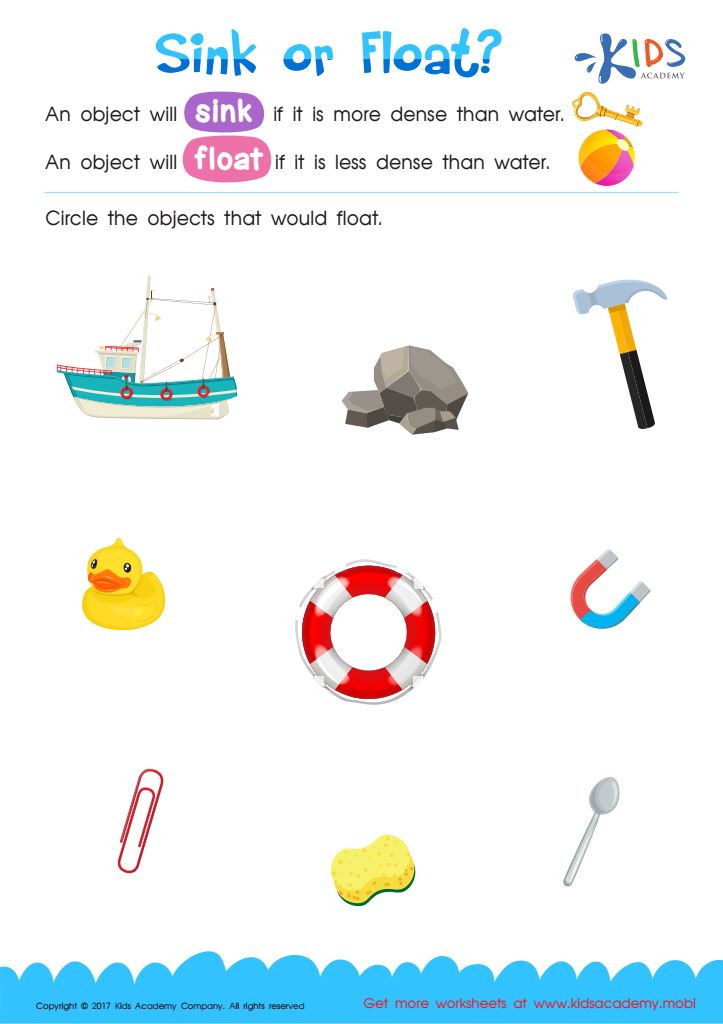
Sink or Float Printable
 Assign to My Students
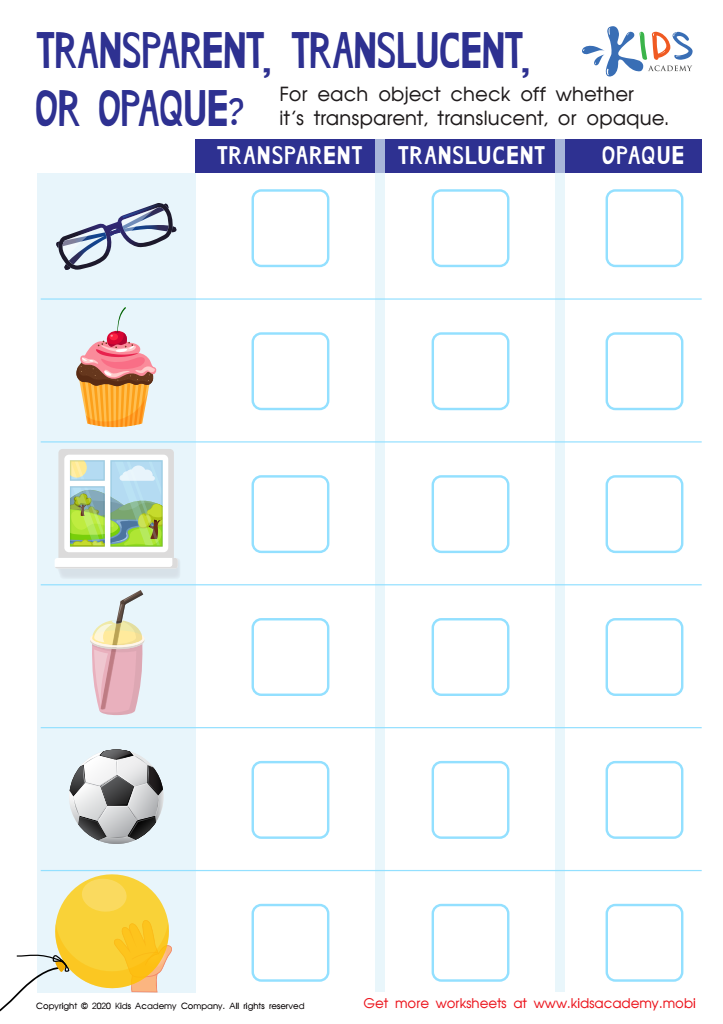
Transparent, Translucent, or Opaque Worksheet
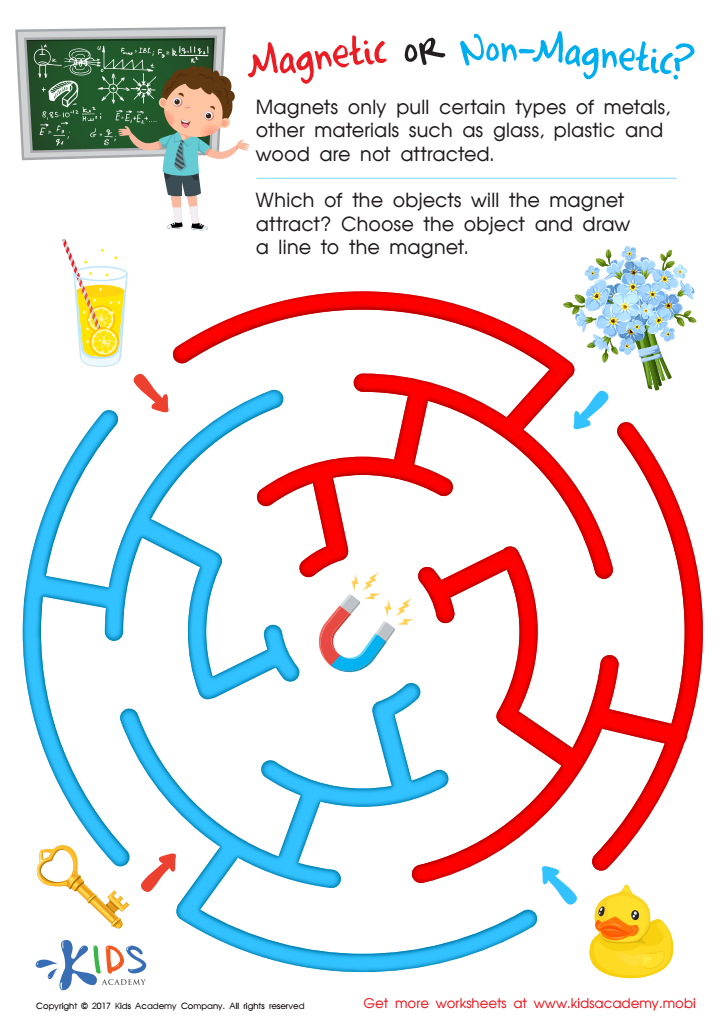
Magnetic or Non–Magnetic Worksheet
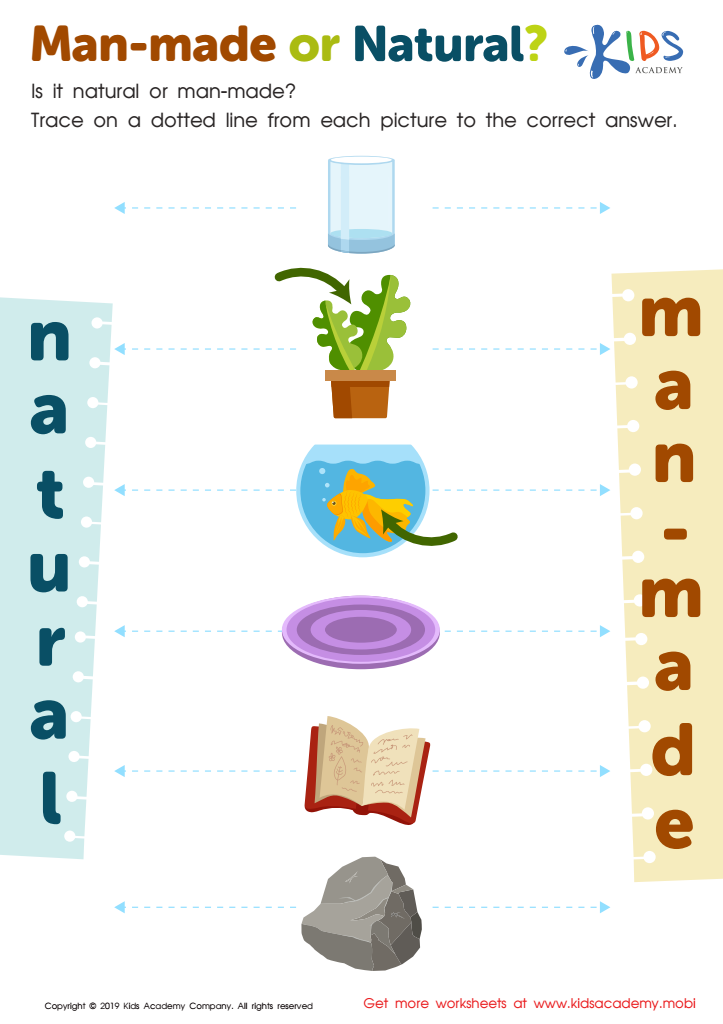
Man-Made or Natural? Worksheet





Categorizing objects is a fundamental aspect of early childhood education, particularly for children aged 4-6. It plays a crucial role in cognitive development and lays the groundwork for critical thinking and problem-solving skills. When teachers and parents encourage categorization, they help children recognize patterns and relationships among different items, which sharpens their analytical abilities.
At this age, children are naturally curious and actively exploring their environment. By guiding them to classify objects—such as sorting toys by color, shape, or size—they develop essential concepts of grouping and classification. This learning process fosters literacy and math skills as well. For example, as they classify, children enhance their language by learning new vocabulary and strengthening their counting abilities when working with grouped items.
Moreover, categorizing cultivates a sense of order and helps children make sense of the world around them, providing them tools to organize thoughts and experiences. Additionally, it promotes social skills through cooperative activities, as children often work together to sort items during play or structured activities. Ultimately, engaging in categorization enriches children’s learning experiences, making it an invaluable focus for parents and teachers alike.







