Problem-Solving Skills Normal Science Worksheets for Ages 4-6
9 filtered results
-
From - To
Empower young minds with our Problem-Solving Skills Normal Science Worksheets for Ages 4-6! Specially designed to strengthen critical thinking, these printable sheets cover diverse science topics, perfect for kindergarten and preschool kids. Each activity encourages observation, logical reasoning, and decision-making while engaging your child in fun, hands-on experiments. Explore various worksheets that challenge young learners to identify patterns, match items, and solve simple puzzles. Ideal for classroom and home learning, our worksheets help little scientists build a strong foundation in problem-solving and scientific curiosity. Download today and watch your child's problem-solving skills soar!
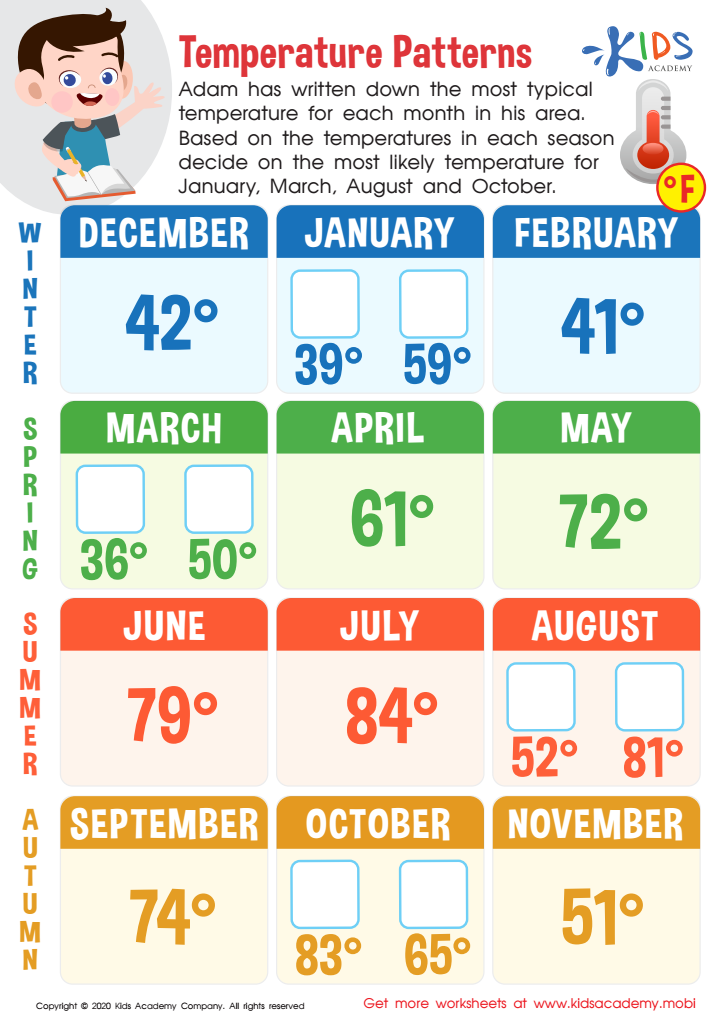
Temperature Patterns Worksheet
 Assign to My Students
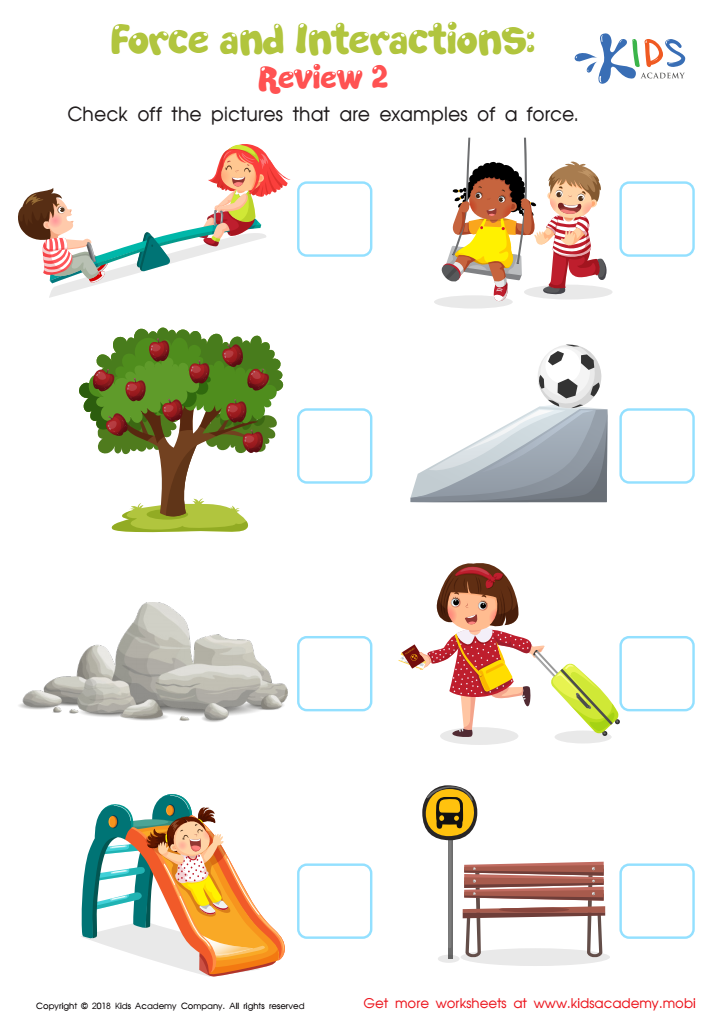
Force and Interactions: Review 2 Worksheet
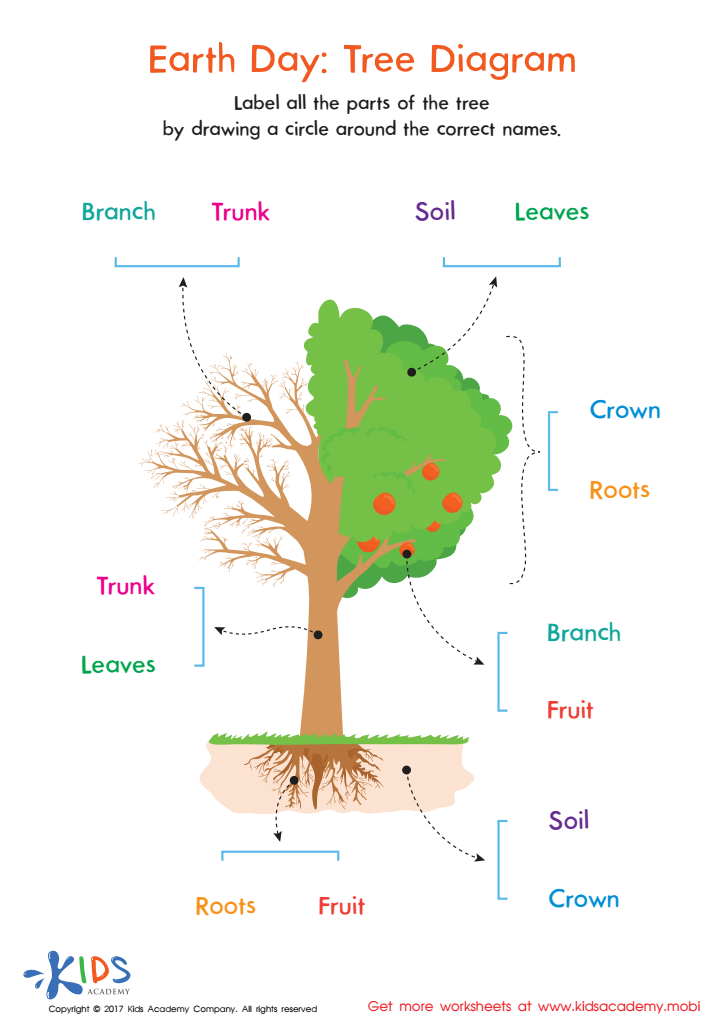
Earth Day: Tree Diagram Worksheet
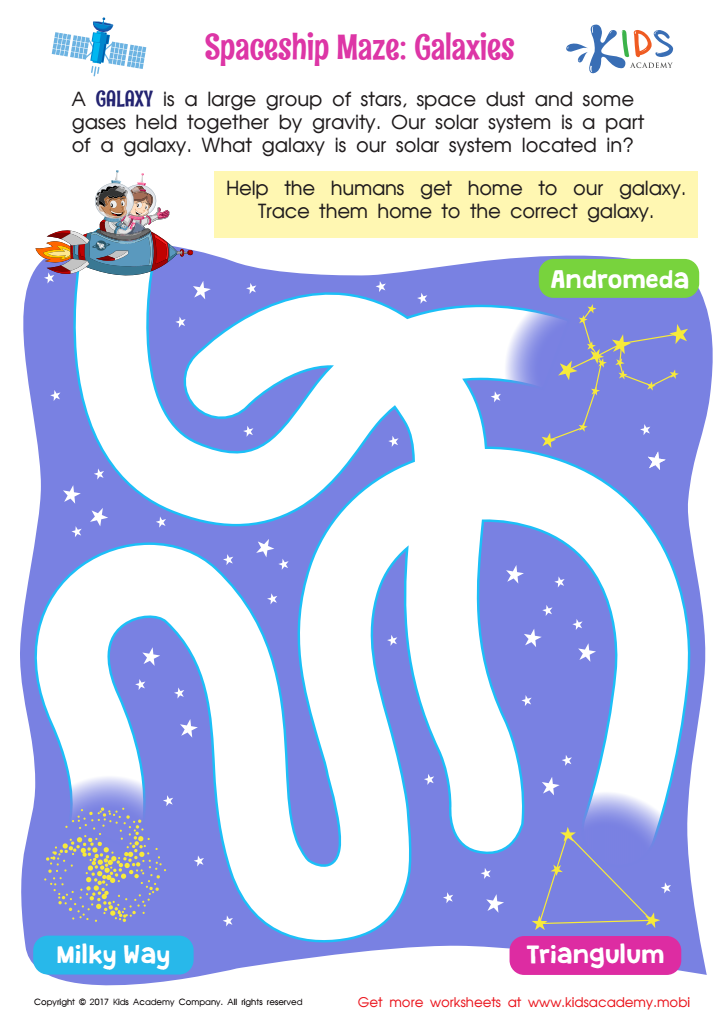
Spaceship Maze: Galaxies Worksheet
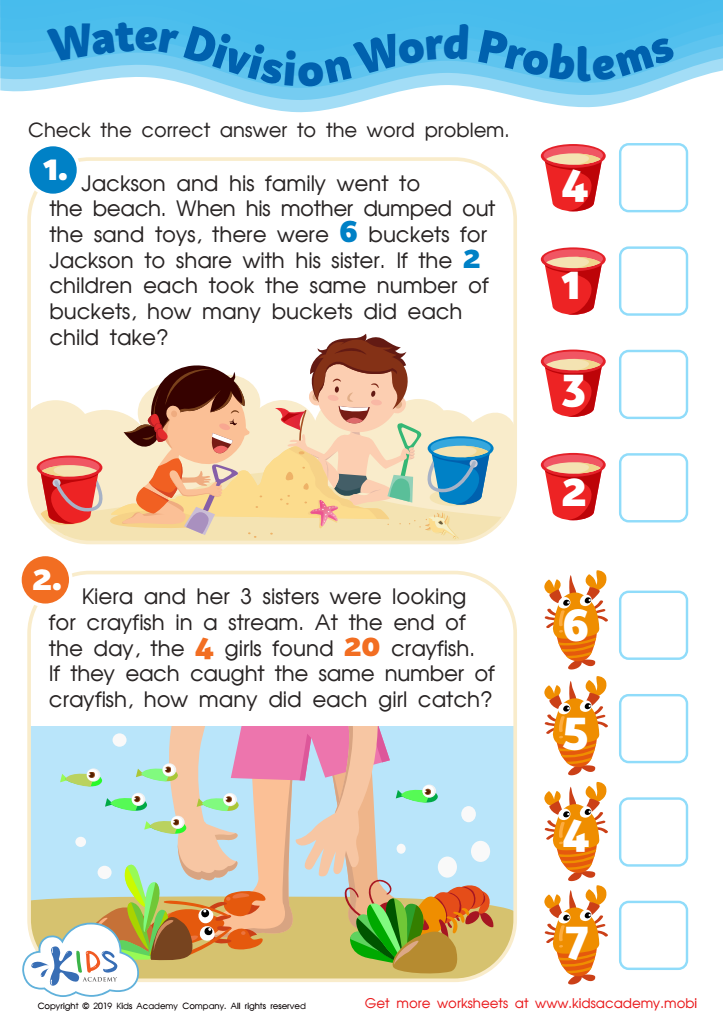
Water Division Word Problems Worksheet
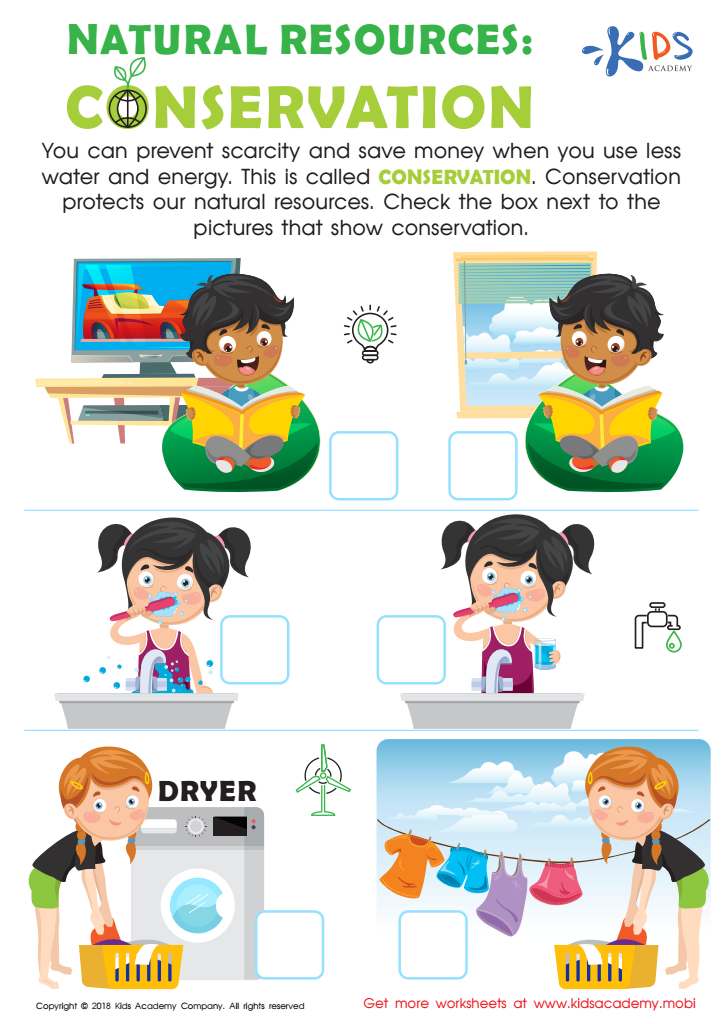
Natural Resources: Conservation Worksheet
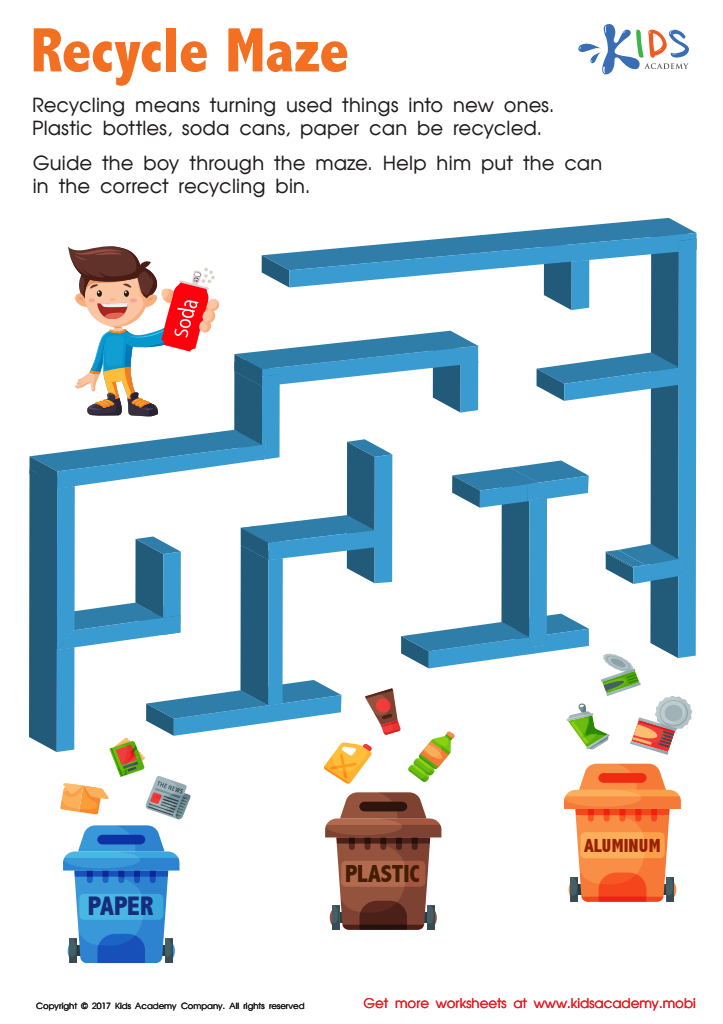
Recycle Maze Worksheet
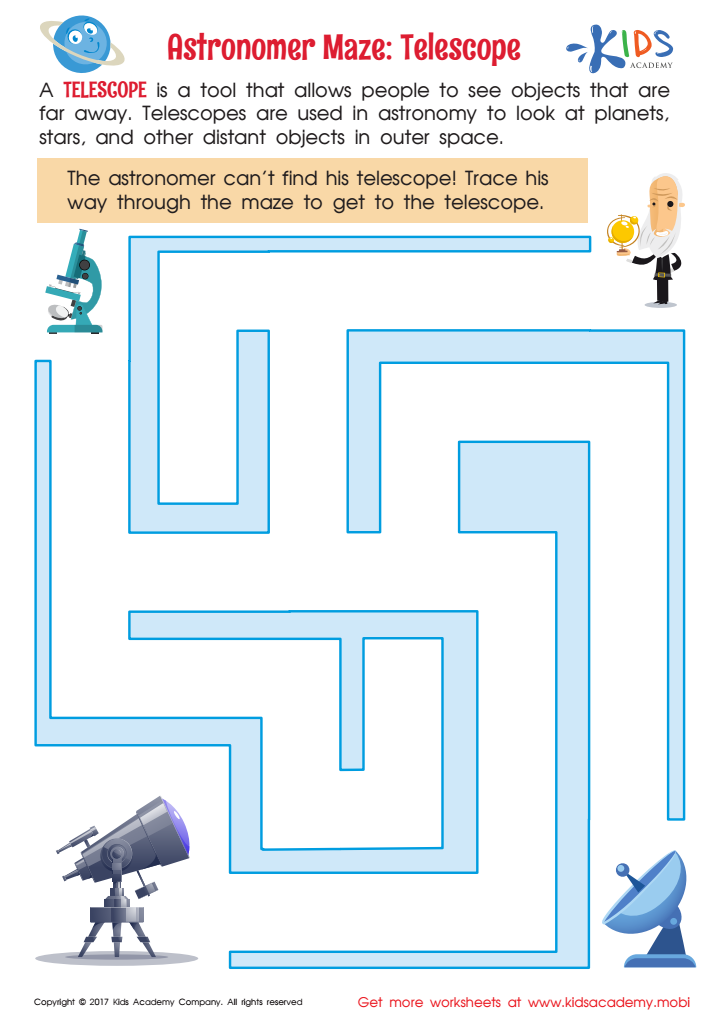
Astronomer Maze: Telescope Worksheet
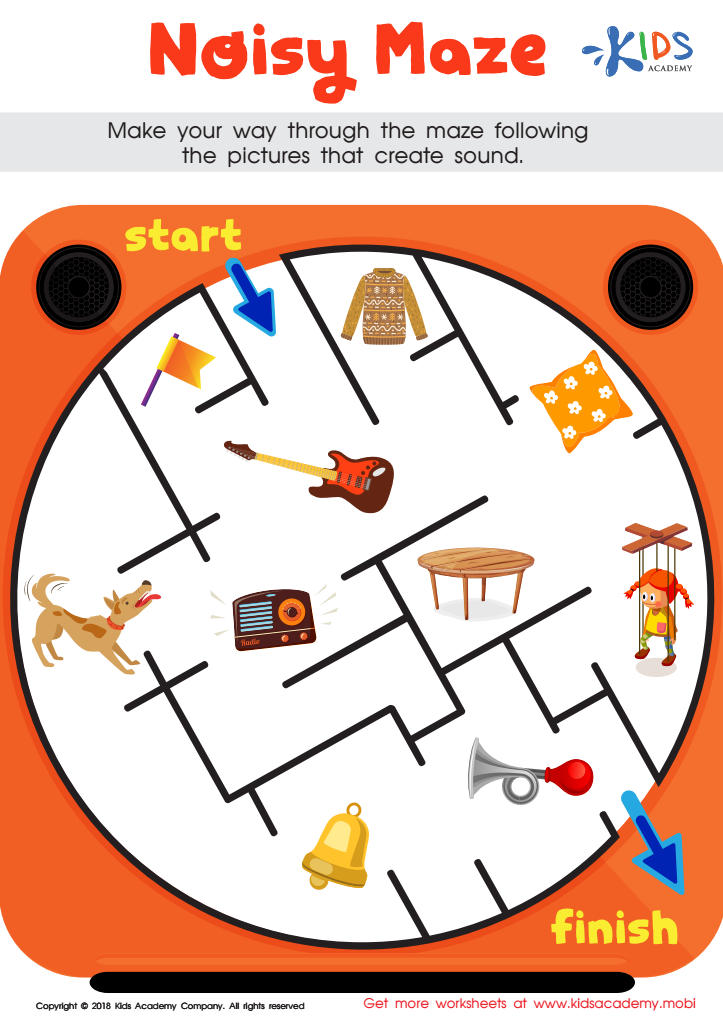
Noisy Maze Worksheet


%20(1).jpg)





Parents and teachers should care about nurturing problem-solving skills in young children, especially within the context of Normal Science (everyday experiences and natural phenomena), because these skills form the foundation for lifelong learning and critical thinking. At ages 4-6, children's brains are incredibly receptive to new information, making this an ideal period to cultivate their curiosity and investigative abilities.
Engaging in Normal Science helps children become confident problem solvers by encouraging them to ask questions, explore their surroundings, and seek answers. When children identify patterns, observe reactions, and make predictions based on their everyday experiences, they develop cognitive abilities that are crucial not only for science but for practical life skills. For instance, solving a simple problem like figuring out how plants grow enhances their understanding of cause and effect. This, in turn, strengthens their ability to think logically and make informed decisions.
Moreover, developing these skills early boosts self-confidence and fosters a positive attitude towards learning. When children successfully navigate challenges, they learn perseverance and resilience. Additionally, early exposure to problem-solving within Normal Science can inspire a long-term interest in STEM fields (Science, Technology, Engineering, and Mathematics), setting the stage for future educational and career opportunities.







