Critical Thinking Normal Plants and Animals Worksheets for Ages 4-6
3 filtered results
-
From - To
Discover our engaging Critical Thinking Worksheets designed for children aged 4-6, focusing on the fascinating world of plants and animals. These activities foster essential cognitive skills by encouraging young learners to observe, analyze, and make connections. With vibrant illustrations and age-appropriate exercises, kids will explore various topics, from plant lifecycles to animal habitats, while enhancing their reasoning abilities. Each worksheet promotes critical thinking through fun prompts and interactive questions, ensuring that learning is both educational and enjoyable. Perfect for classroom or home use, these materials support early science education while nurturing curiosity about the natural world. Start their journey to lifelong learning today!
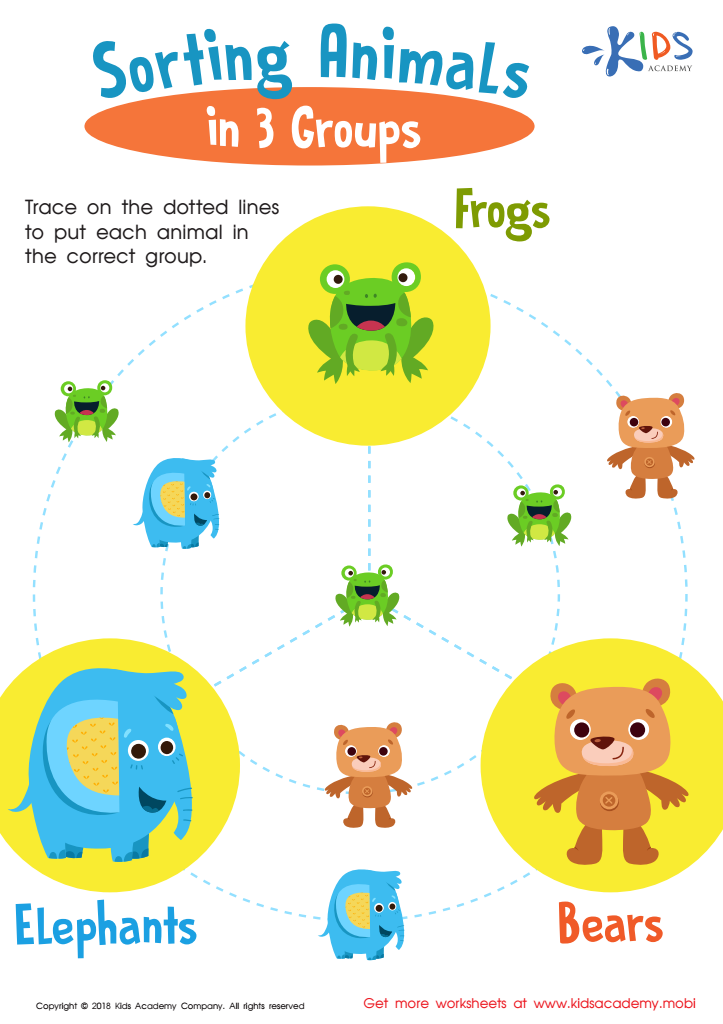
Sorting Animals in 3 Groups Worksheet
 Assign to My Students











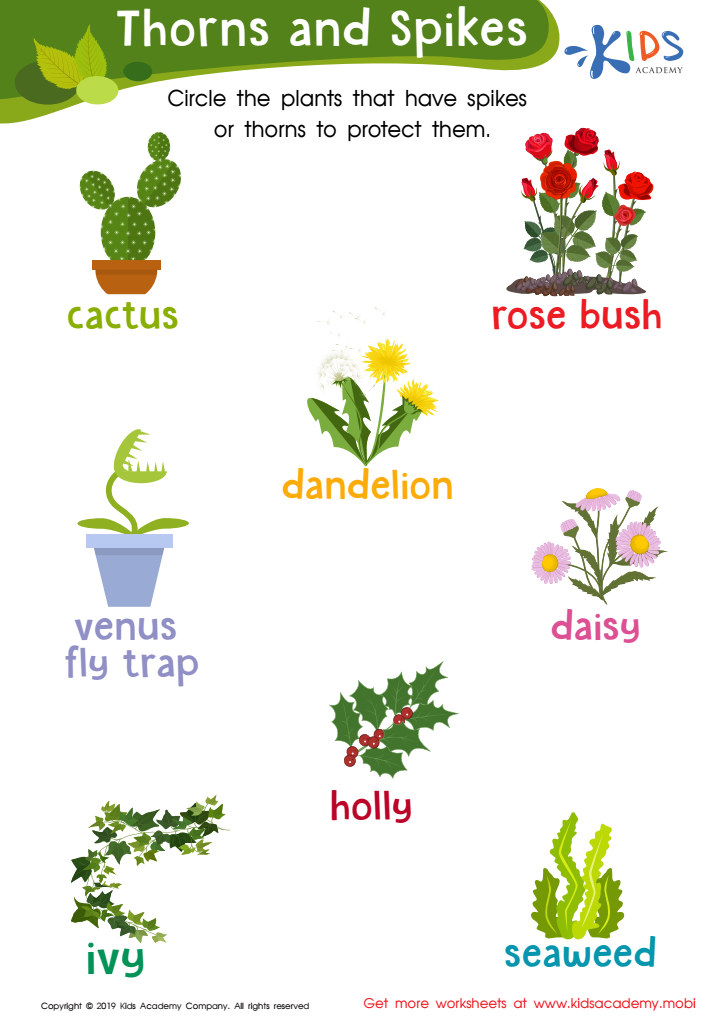
Thorns and Spikes Worksheet
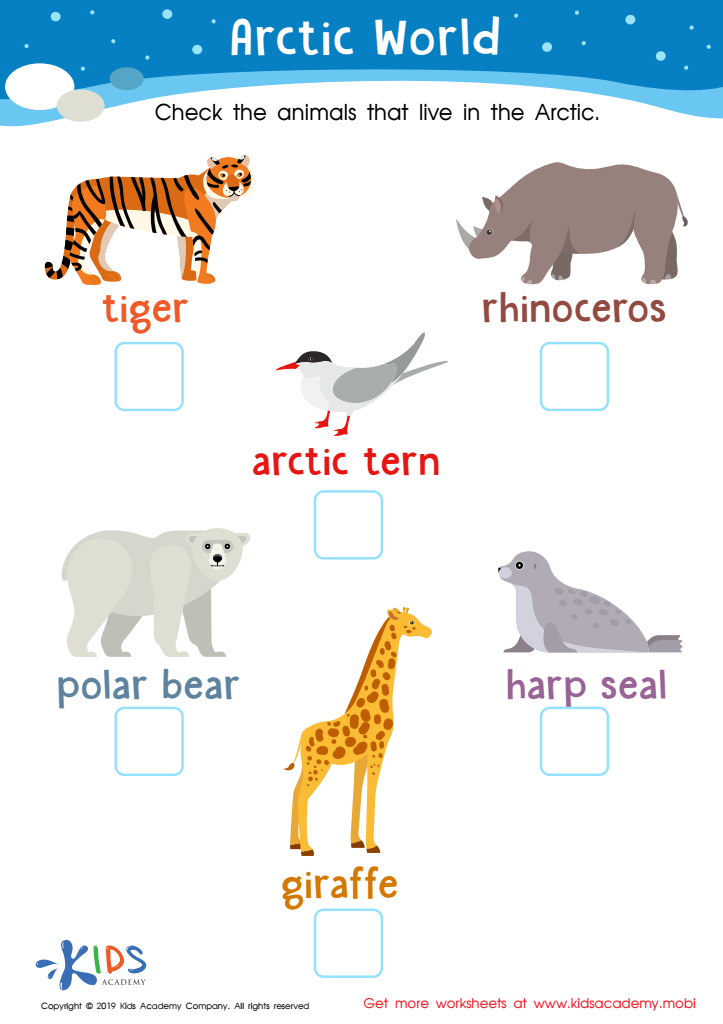
Arctic World Worksheet







Critical thinking is crucial for young children, particularly when exploring natural concepts like plants and animals. For children aged 4-6, developing critical thinking skills involves encouraging them to observe, question, and analyze the world around them. This stage is essential for fostering curiosity, creativity, and problem-solving abilities.
When parents and teachers introduce critical thinking related to normal plants and animals, they help children make connections between their observations and broader concepts. For instance, asking open-ended questions about why plants need sunlight or how animals find food promotes deeper understanding and reasoning. Engaging children in this way leads to active participation and enhances their observational skills.
Moreover, nurturing critical thinking in this context encourages an appreciation for nature and environmental stewardship. As children learn about ecosystems and interactions between plants and animals, they develop a sense of respect and responsibility for the world around them.
By prioritizing critical thinking, caregivers lay the foundation for lifelong skills that support academic success and informed citizenship. This early engagement with the natural world cultivates inquisitive minds and prepares children for higher learning, ensuring they grow into thoughtful, compassionate individuals who can navigate complexities in life.







