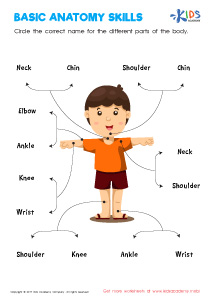
Problem-Solving Skills Normal World Around Us Worksheets for Ages 4-6
4 filtered results
-
From - To
Discover our engaging "Problem-Solving Skills: Normal World Around Us" worksheets designed specifically for children ages 4-6. These interactive resources help young learners develop critical thinking abilities through fun activities that explore their surroundings. Each worksheet encourages kids to analyze everyday scenarios, tackle simple challenges, and cultivate their creativity in finding solutions. By connecting learning with relatable contexts, children enhance their problem-solving skills while fostering curiosity about the world. Perfect for parents and educators, these worksheets provide an ideal blend of education and enjoyable play, ensuring that your little ones are prepared to navigate life's everyday puzzles with confidence. Start their problem-solving journey today!
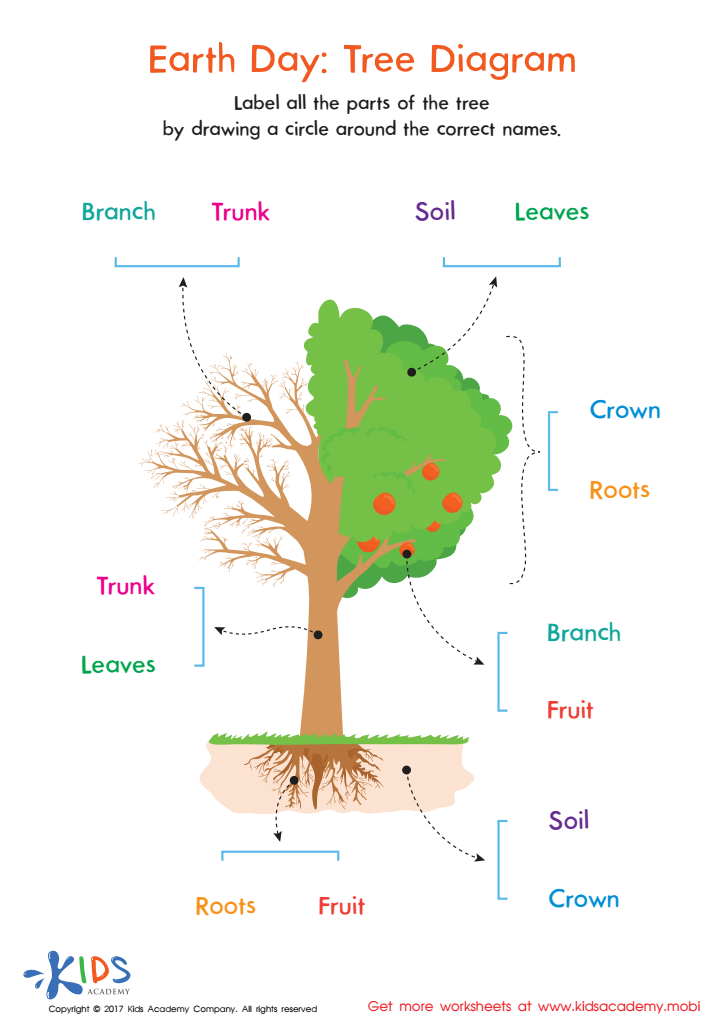
Earth Day: Tree Diagram Worksheet
 Assign to My Students
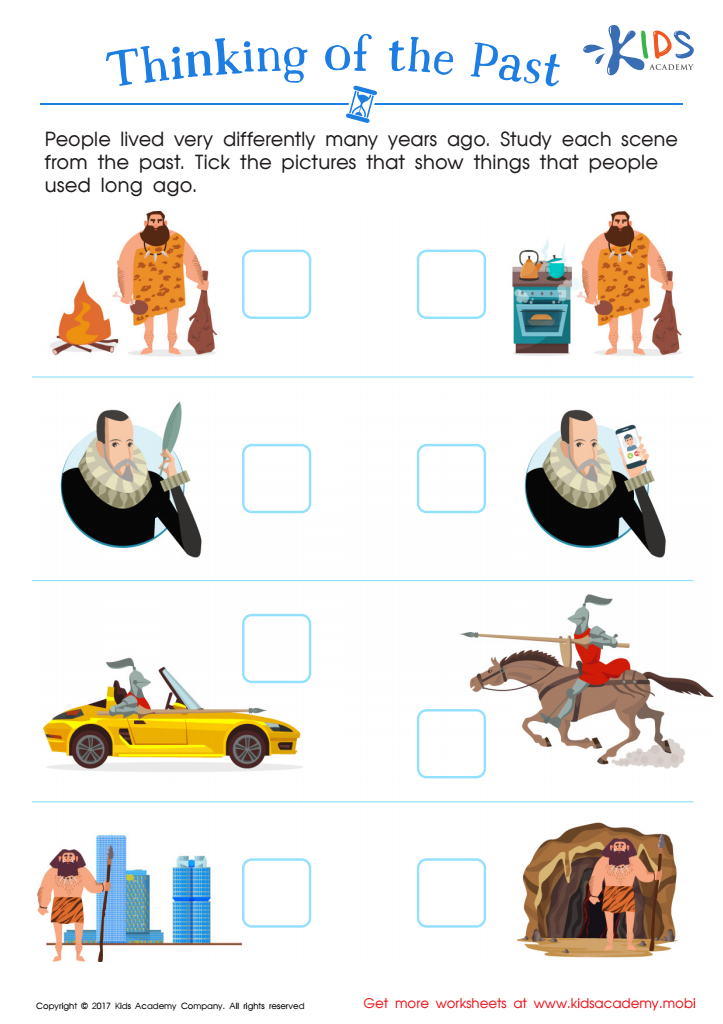
Thinking Past Printable
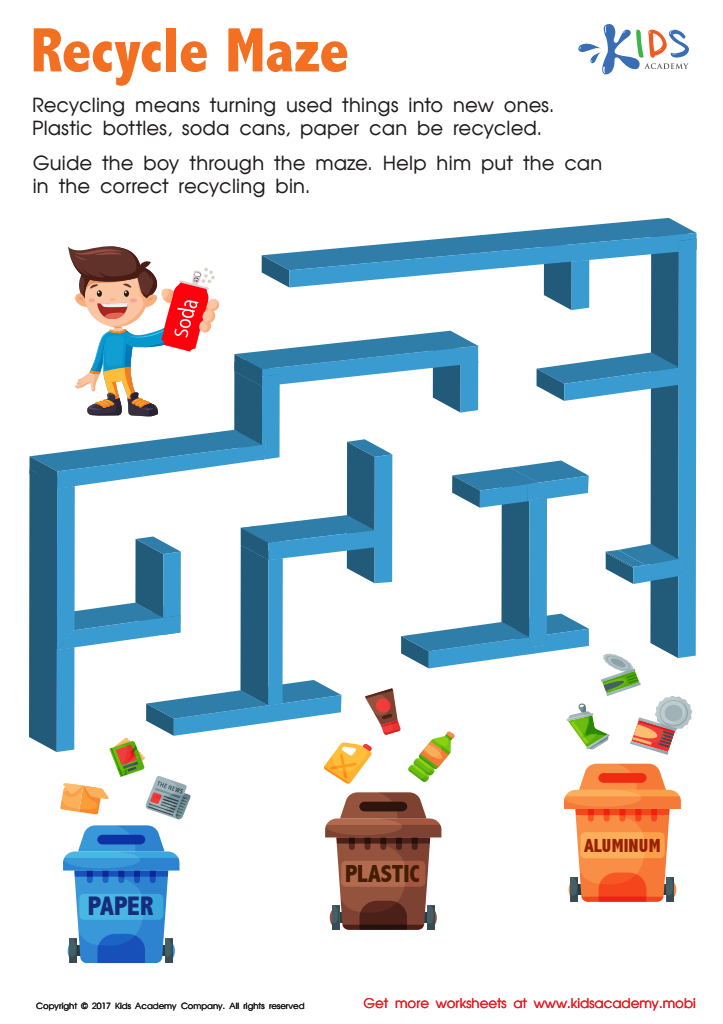
Recycle Maze Worksheet







.jpg)
.jpg)
Problem-solving skills are crucial for young children ages 4-6 as they navigate and make sense of the world around them. At this developmental stage, children are naturally curious and eager to explore their environments. Encouraging problem-solving during these formative years helps them develop critical thinking, perseverance, and social skills, all of which are essential for future learning and personal growth.
Parents and teachers should care about fostering these skills because they lay the groundwork for effective decision-making. Through simple challenges—such as puzzles, building blocks, or group activities—children learn to approach problems systematically. They gain experience in overcoming obstacles, which enhances their confidence and resilience.
Moreover, problem-solving skills enhance social interaction. When children collaborate to find solutions, they learn to communicate, negotiate, and empathize with their peers. These skills are beneficial not just academically but also socially and emotionally.
By nurturing problem-solving abilities, adults equip children with tools to thrive in an ever-changing world. This foundation empowers children not only to tackle everyday challenges but also prepares them for academic success and lifelong learning. Therefore, proactive support from both parents and teachers in developing these skills is vital for a well-rounded, resourceful future generation.