Reading comprehension Normal Consonant Digraphs Worksheets for Ages 4-7
6 filtered results
-
From - To
Unlock the world of reading for young learners aged 4-7 with our Reading Comprehension Normal Consonant Digraphs Worksheets! Designed to enhance early literacy skills, these engaging worksheets help children recognize consonant digraphs and improve their understanding of texts. Each activity is crafted to capture children’s attention while nurturing their reading abilities through fun exercises such as matching, fill-in-the-blank, and word recognition tasks. Perfect for classrooms or at-home learning, our resources support the development of critical thinking and comprehension skills in a nurturing environment. Empower your little readers today and watch them discover the joy of reading fluently with confidence!
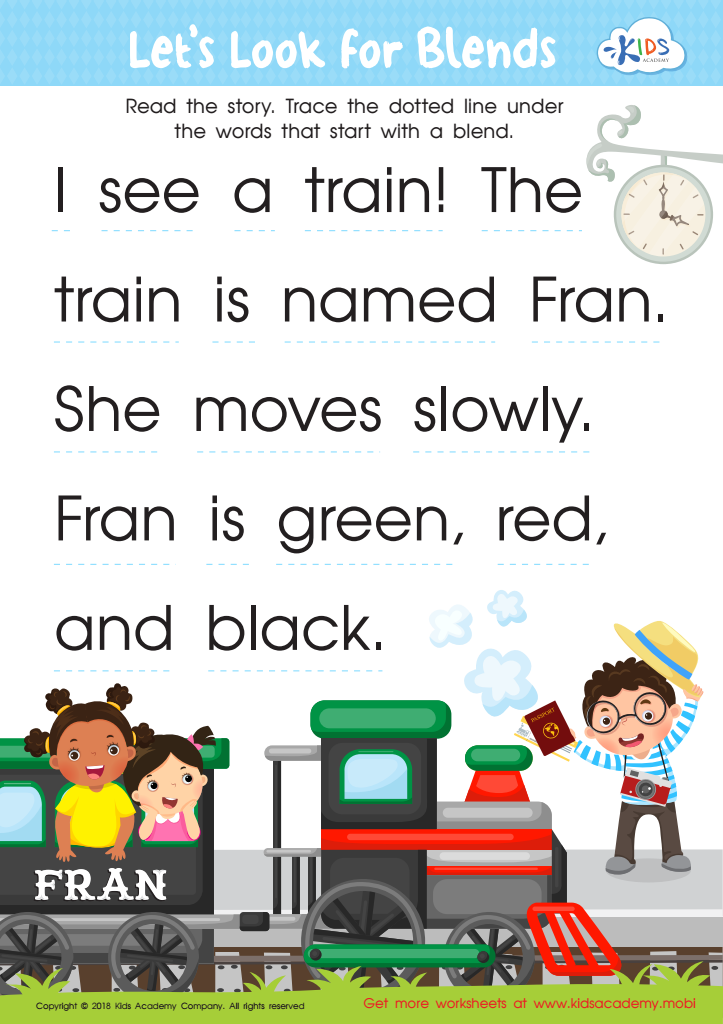
Let's Look for Blends Worksheet
 Assign to My Students
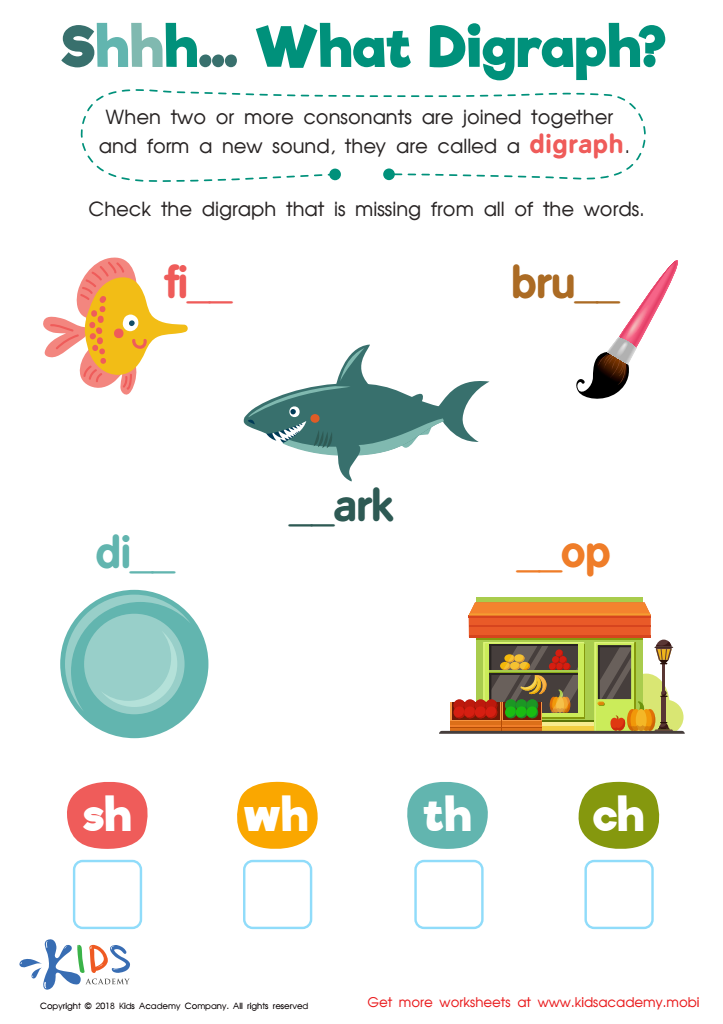
Shhh... What Digraph? Worksheet
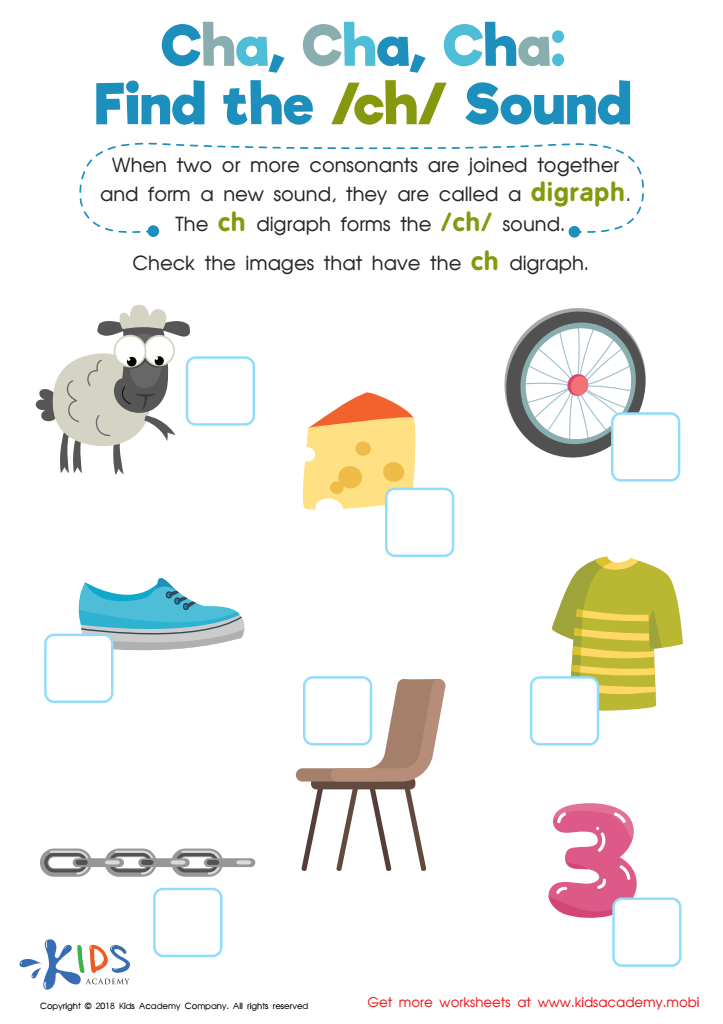
Cha, Cha, Cha: Find the /Ch/ Sound Worksheet
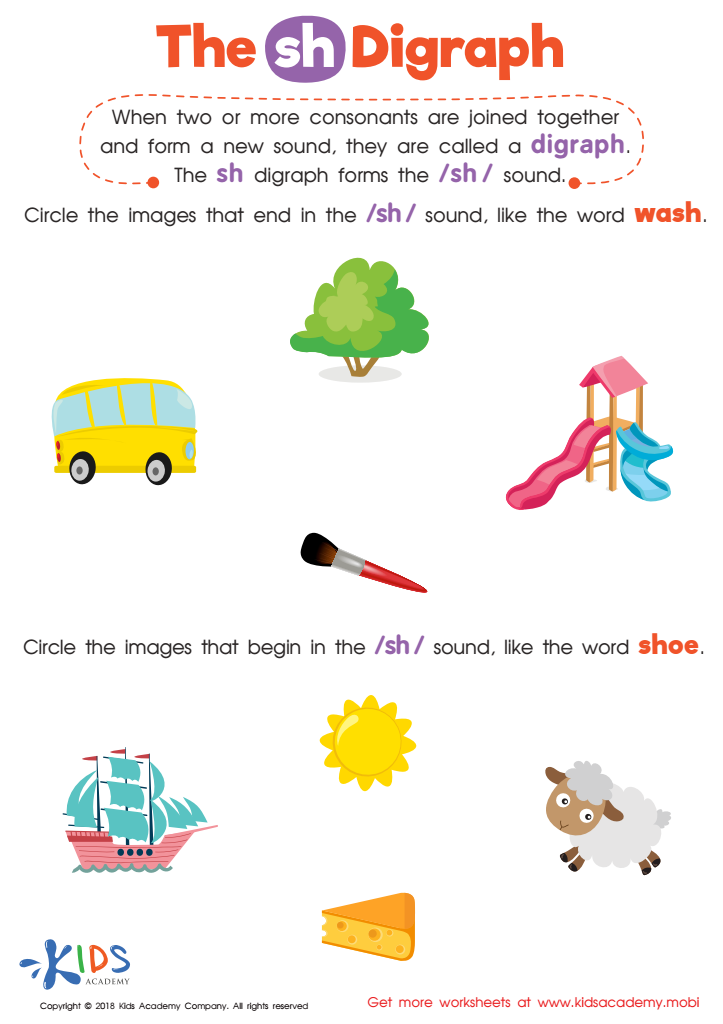
The SH Digraph Worksheet
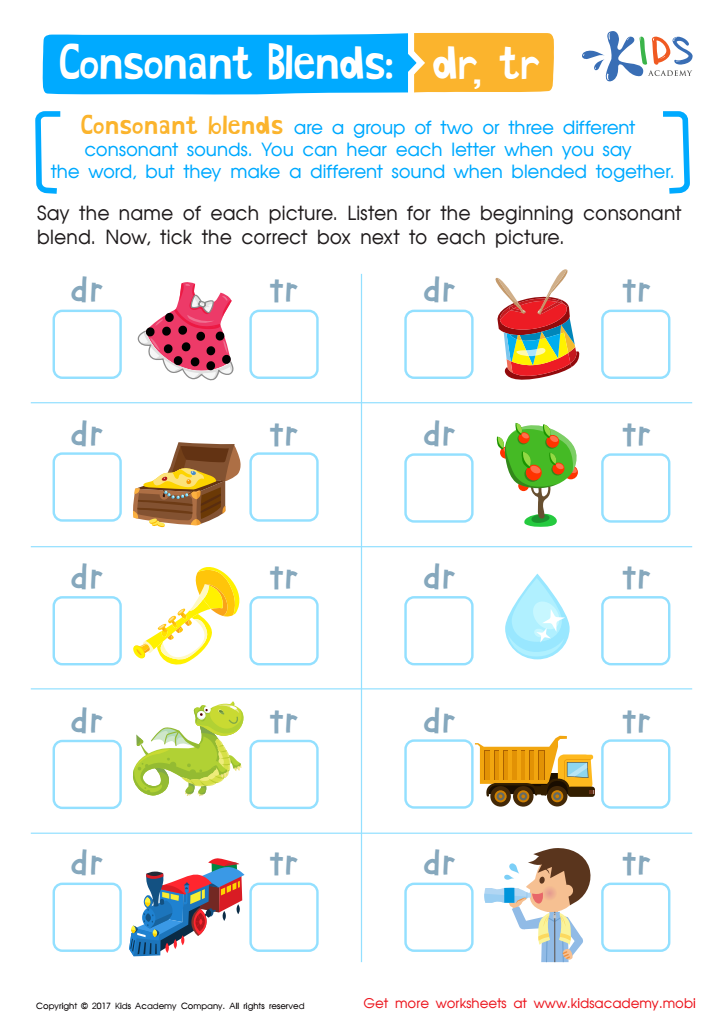
Consonant Blends: "Dr" and "Tr" Printable
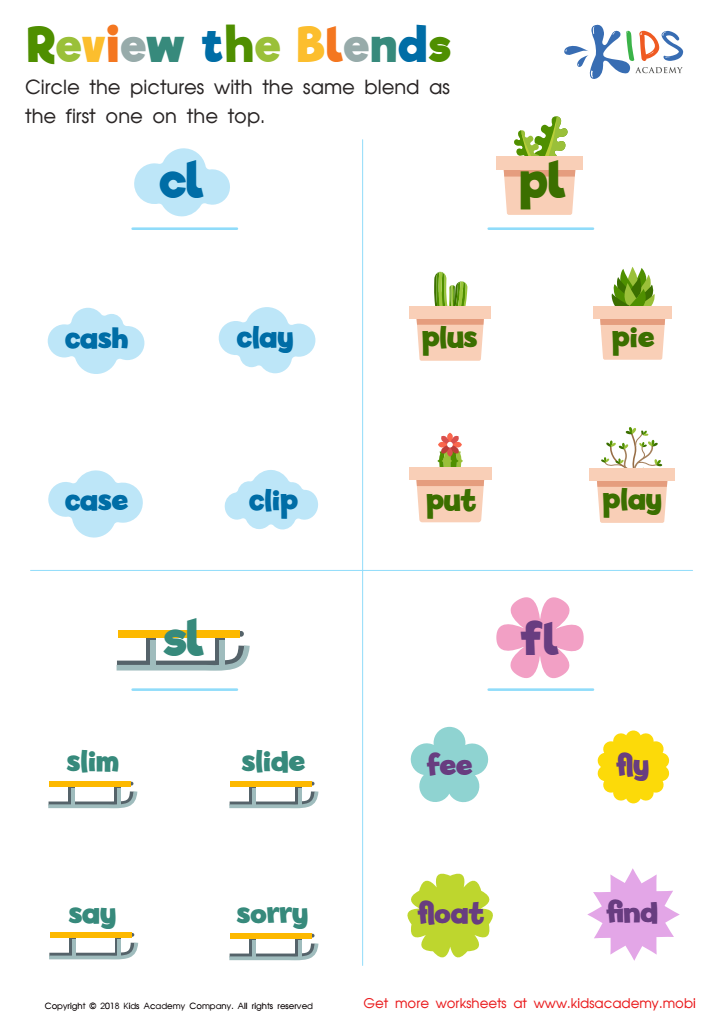
Review the Blends Worksheet


Reading comprehension and the understanding of normal consonant digraphs are crucial skills for children aged 4-7, forming a foundation for lifelong literacy. Consonant digraphs, such as "sh," "ch," "th," and "wh," are pairs of letters that create unique sounds, playing a key role in early reading. When children grasp these digraphs, they can decode words more effectively, leading to improved reading fluency and comprehension.
For parents and teachers, supporting this learning is vital. Enhanced reading comprehension abilities foster cognitive skills like critical thinking and problem-solving. Children who can understand what they read are more likely to engage with texts, develop a love for reading, and perform better academically. Furthermore, this mastery of digraphs enables smoother transitions to more complex phonics, strengthening overall literacy.
By emphasizing consonant digraphs, parents and teachers can facilitate meaningful interactions with texts, allowing children to relate to stories, understand key concepts, and express thoughts clearly. Moreover, fostering these skills at an early age creates a solid foundation for a child's future educational success, ensuring they are equipped to meet the challenges of higher-level reading as they progress through school. Investing in reading comprehension now pays dividends in the long run.