Cognitive Development Normal Phonics Worksheets for Ages 4-7
6 filtered results
-
From - To
Unlock your child's potential with our "Cognitive Development Normal Phonics Worksheets for Ages 4-7." Tailored to boost early literacy, these engaging worksheets blend fun activities with essential learning skills, fostering cognitive growth in young minds. From alphabet recognition to sound blending, our phonics exercises support a strong language foundation, supporting children through their early academic journey. Perfect for both classroom and home use, these resources align with developmental milestones, ensuring age-appropriate challenges and achievements. Help your child thrive in their cognitive and language development with activities crafted to make learning an enjoyable adventure! Visit Kids Academy today.
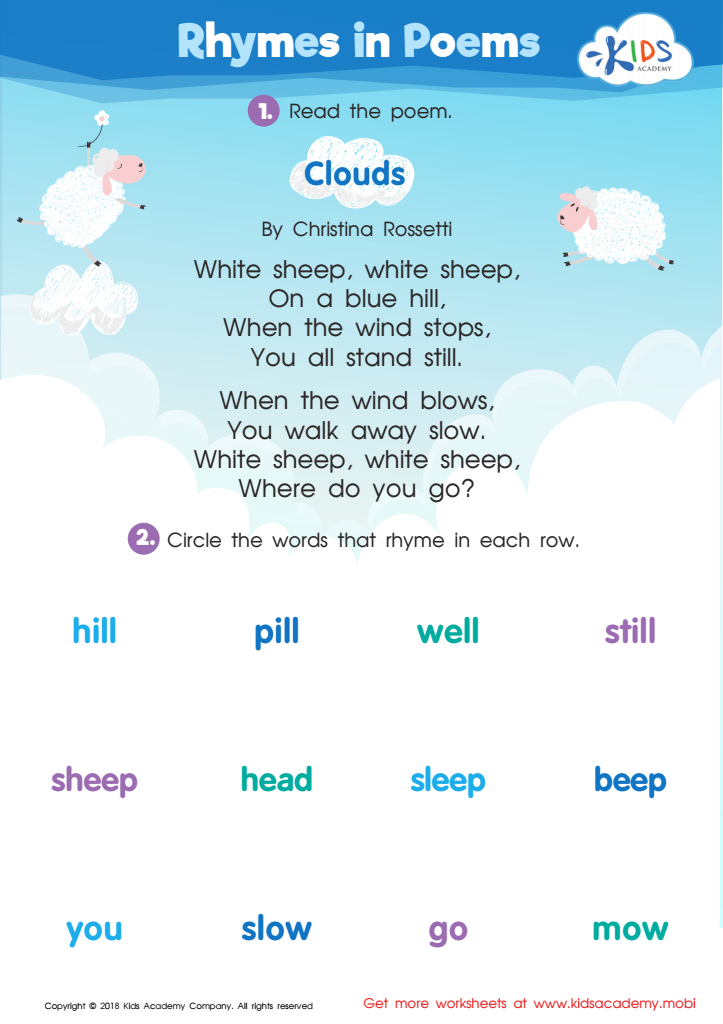
Rhymes in Poems Worksheet
 Assign to My Students
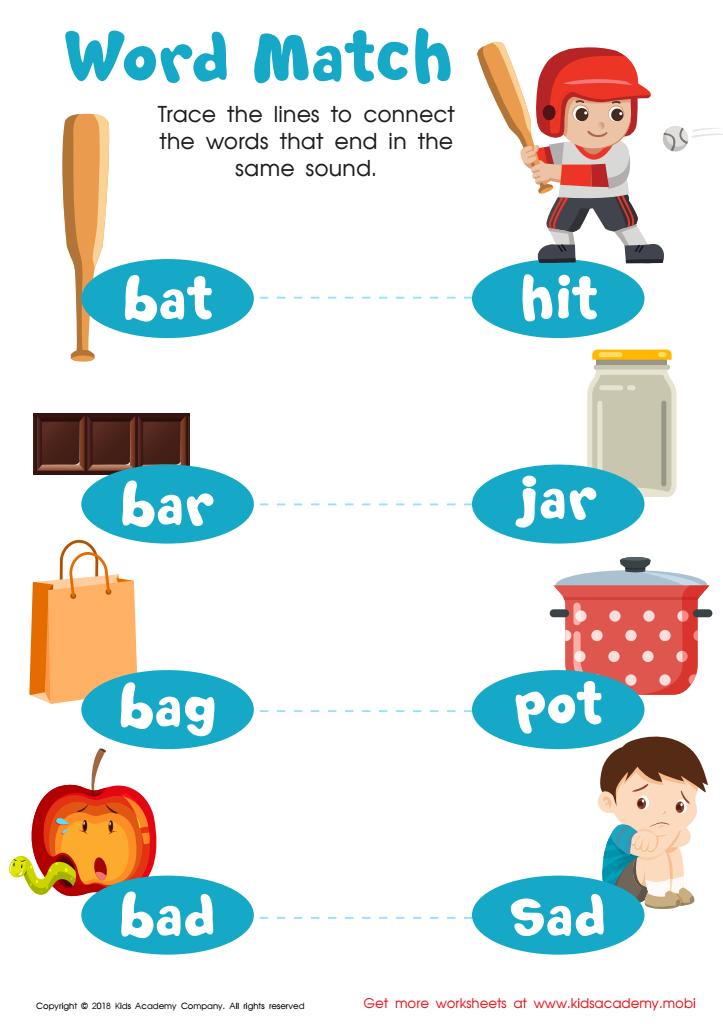
Word Match Reading Worksheet
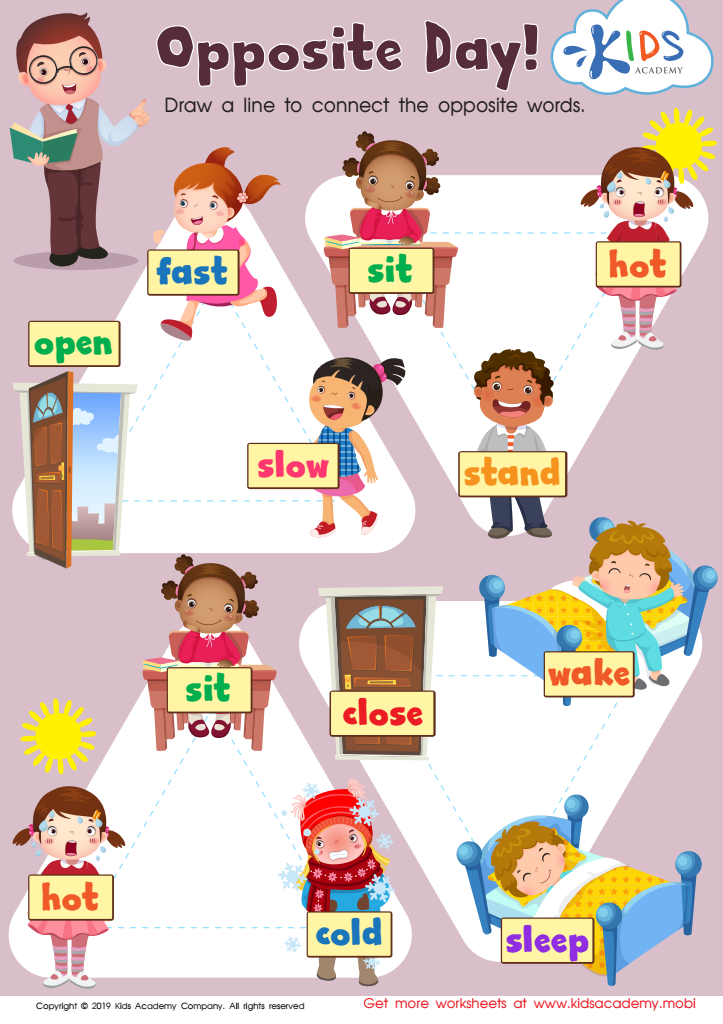
Opposite Day Worksheet
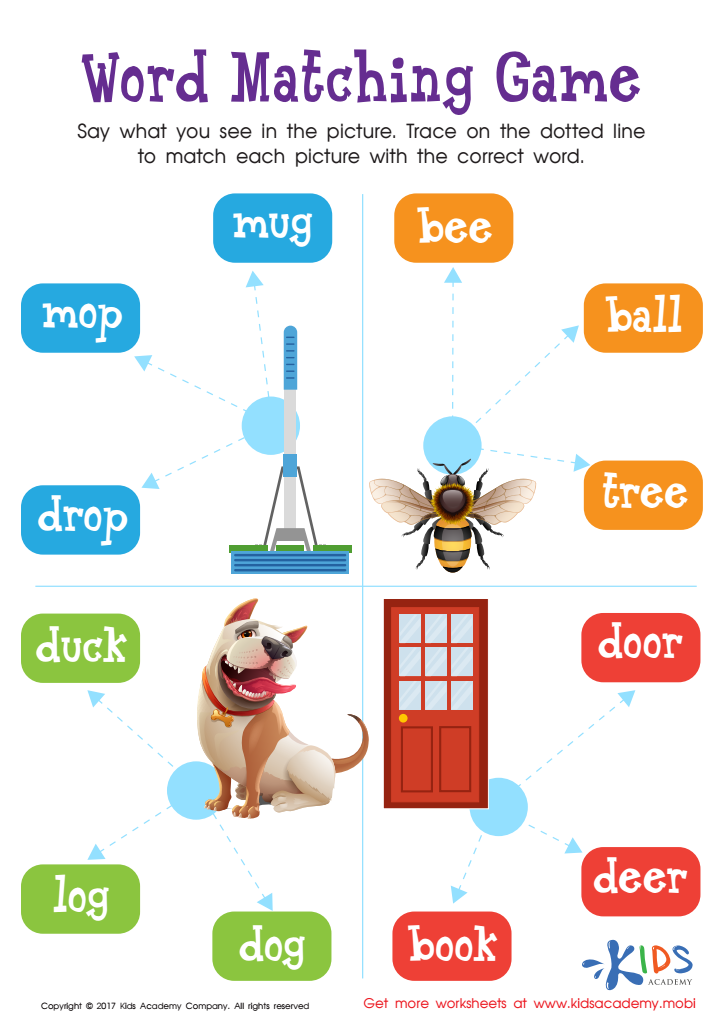
Word Matching Game Worksheet
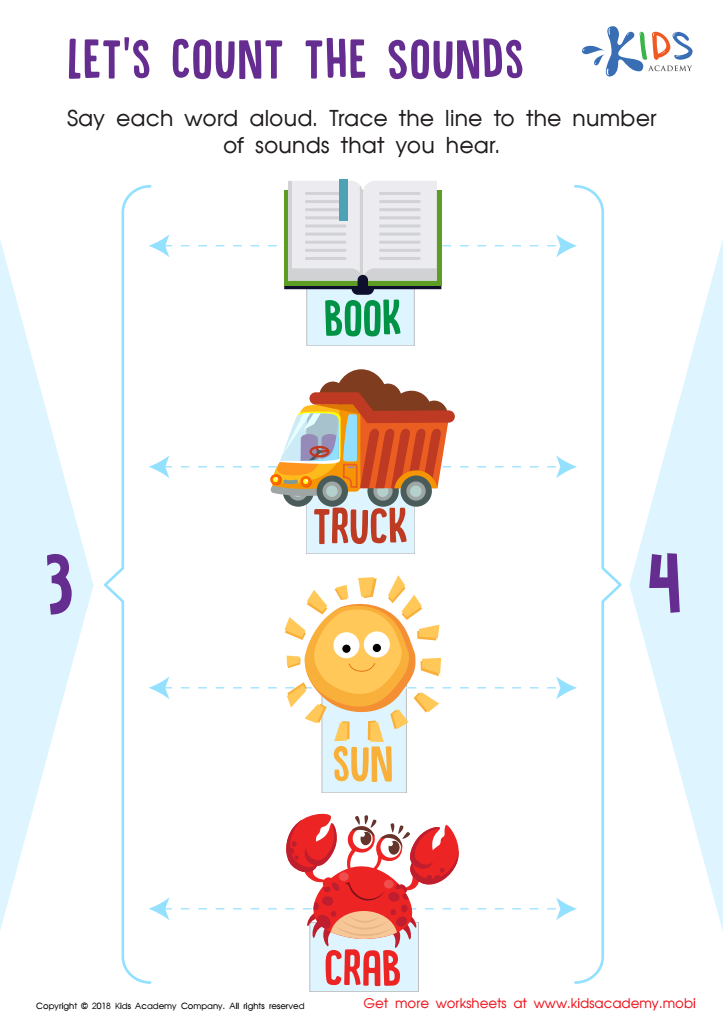
Let's Count the Sounds Worksheet
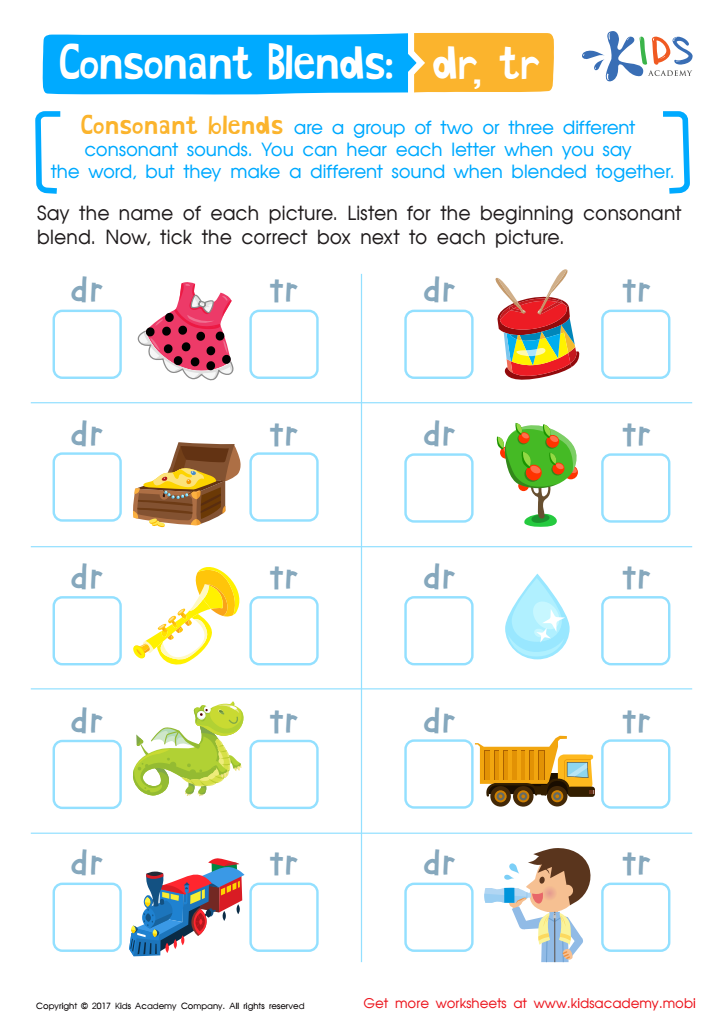
Consonant Blends: "Dr" and "Tr" Printable








Caring about cognitive development and normal phonics for children ages 4-7 is crucial for multiple reasons. This developmental stage is foundational and sets the groundwork for future learning and academic success. By focusing on cognitive development, parents and teachers help foster essential skills such as critical thinking, memory, attention, and problem-solving. During these formative years, children's brains are highly adaptable and capable of incredible growth, making it easier to instill positive learning habits and cognitive skills that will benefit them long-term.
Phonics plays a key role in early literacy, aiding in the development of reading and writing capabilities. Phonics teaches children the relationships between letters and sounds, which is fundamental for decoding new words and improving reading fluency. Improved reading skills boost overall academic performance, self-esteem, and a love for learning. Early difficulties in phonic skills could lead to future challenges in literacy and learning, making early intervention both essential and impactful.
Investing time and effort in these areas ensures children build a strong educational foundation. Teachers and parents who actively support cognitive development and phonics foster a rich, supportive environment, setting children on a path to becoming confident, capable, and lifelong learners. Helping children thrive in these early years forms the cornerstone of their future success.







