Letter recognition Normal Phonics Worksheets for Ages 4-7
19 filtered results
-
From - To
Discover engaging Letter Recognition Normal Phonics Worksheets designed specifically for children ages 4 to 7. These worksheets help kids develop essential literacy skills through fun, interactive activities that encourage reading and letter familiarity. With vibrant illustrations and age-appropriate challenges, young learners will delight in activities that promote phonemic awareness while recognizing letters. Each worksheet supports phonics by combining letter sounds with visual cues, making learning enjoyable and effective. Perfect for homeschooling, classroom use, or extra practice at home, these resources help lay a strong foundation for future reading success. Foster your child's love for learning with our curated phonics worksheets today!
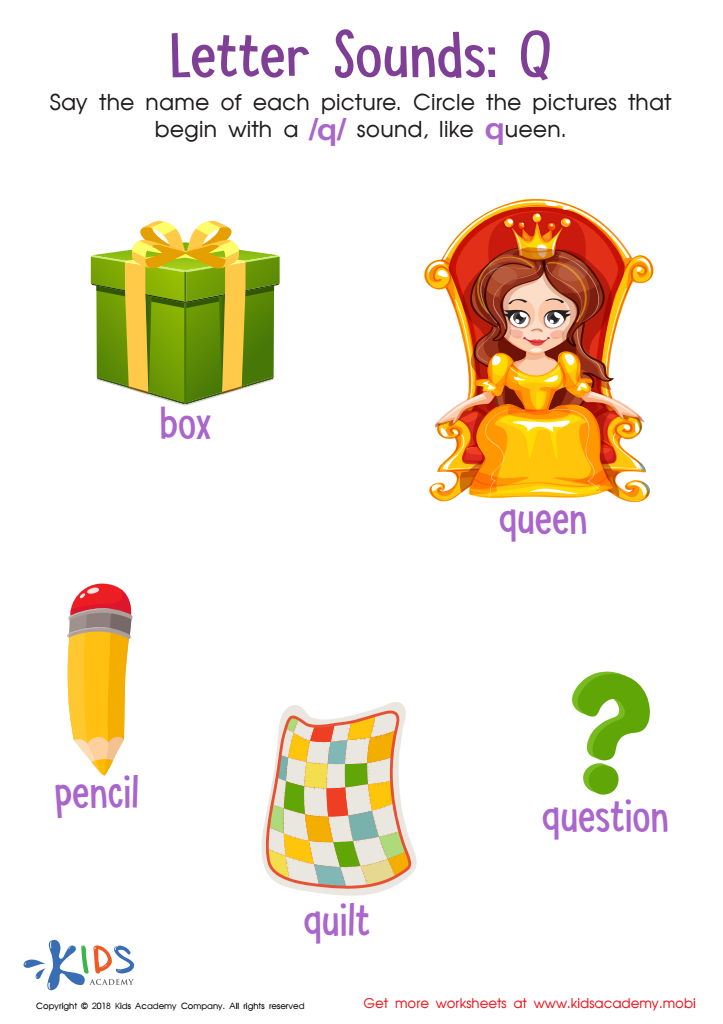
Letter Q Sounds Worksheet
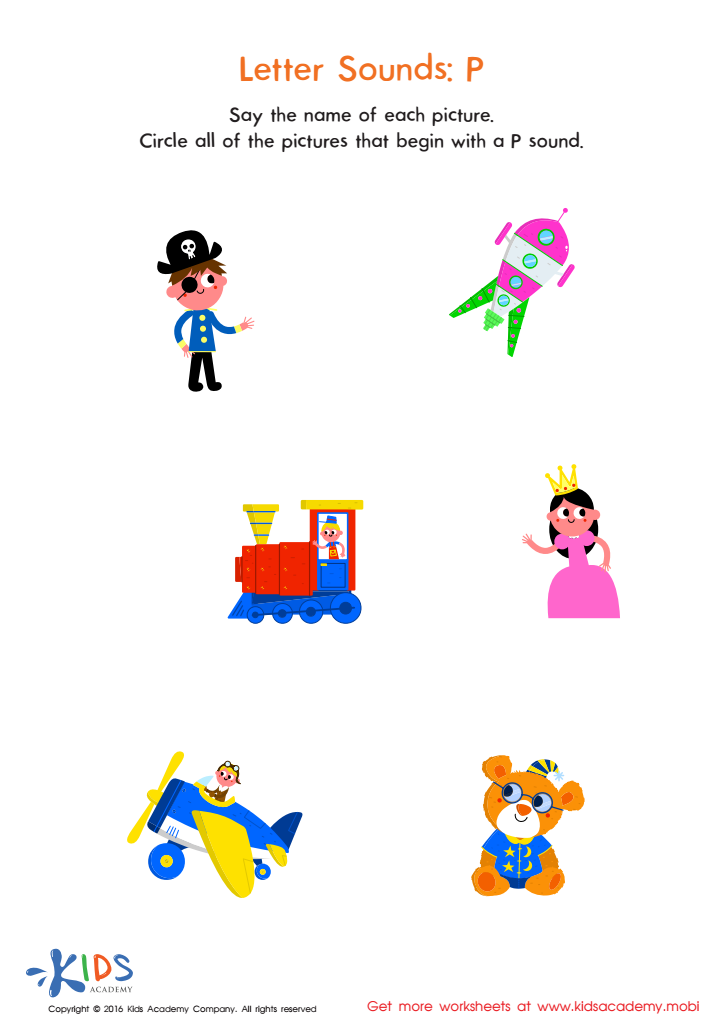
Letter P Sound Worksheet
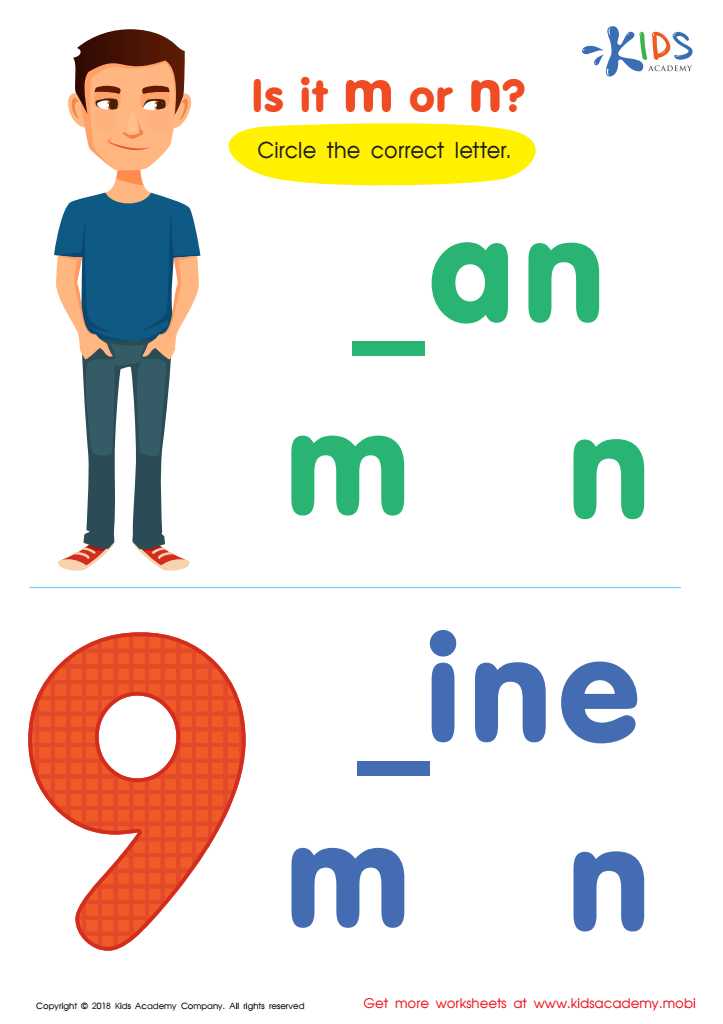
Is It m or n? Worksheet
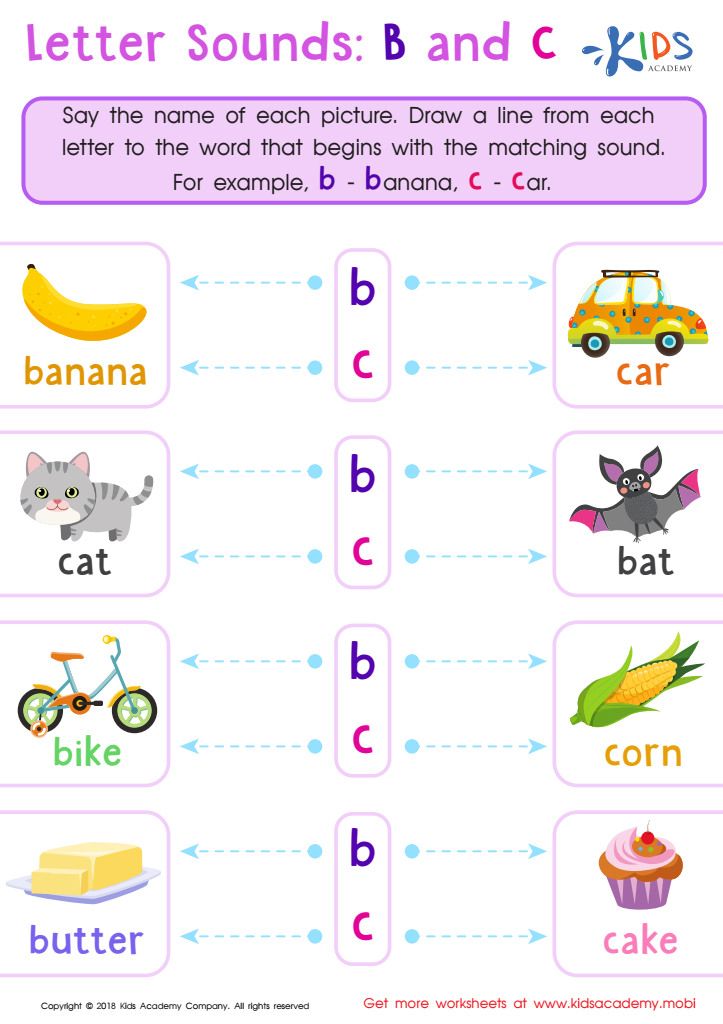
Letter B and C Sounds Worksheet
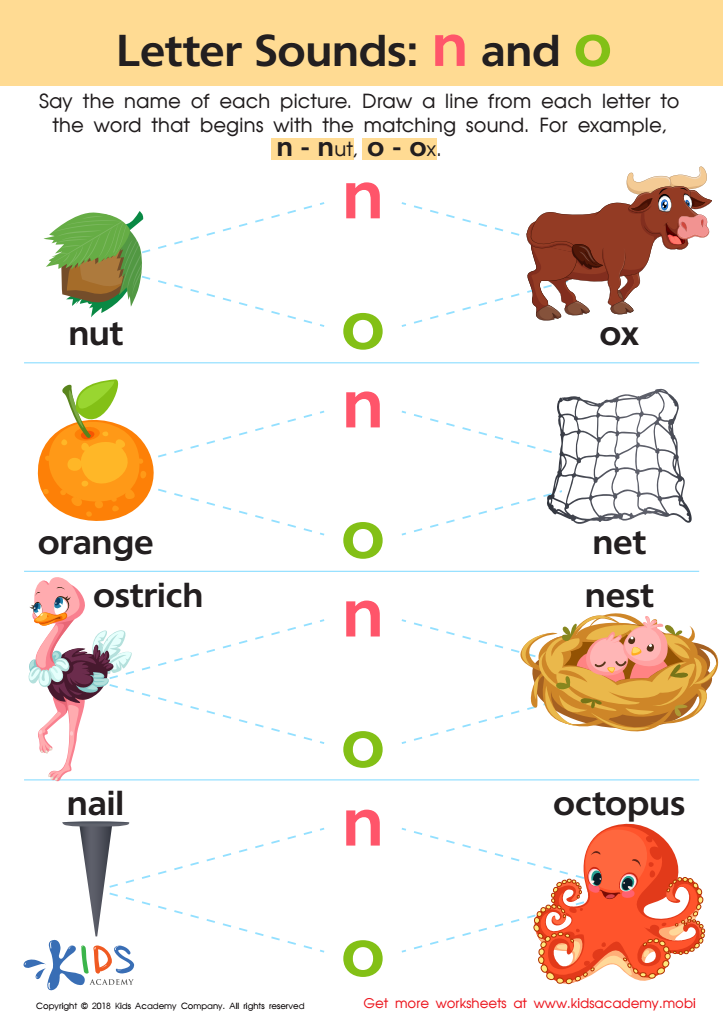
Letter N and O Sounds Worksheet
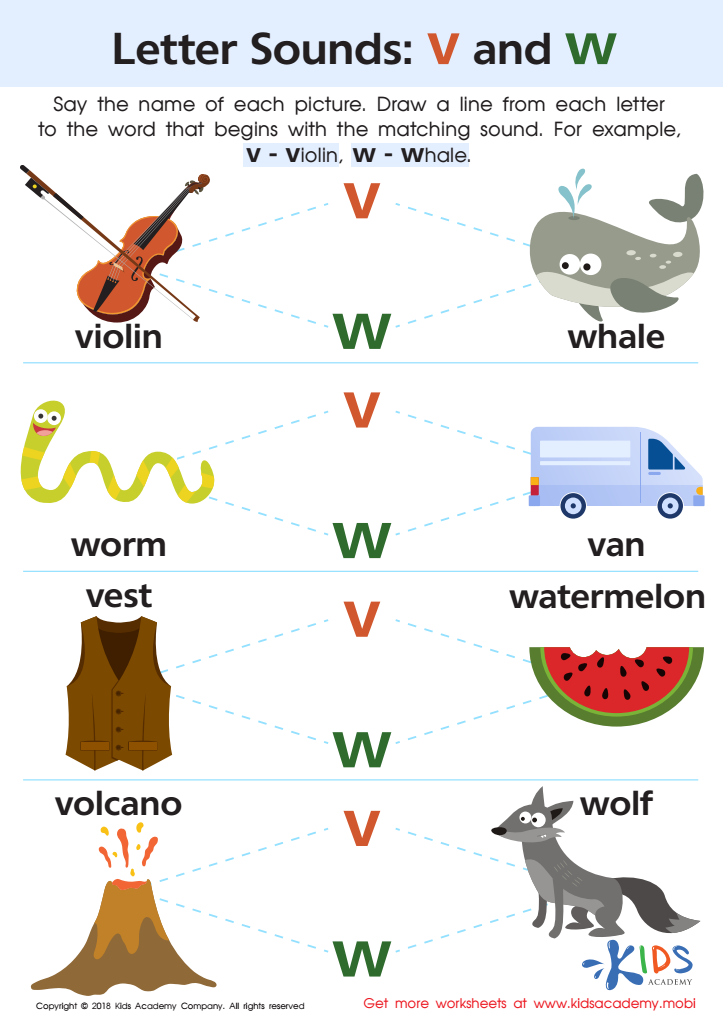
Letter V and W Sounds Worksheet
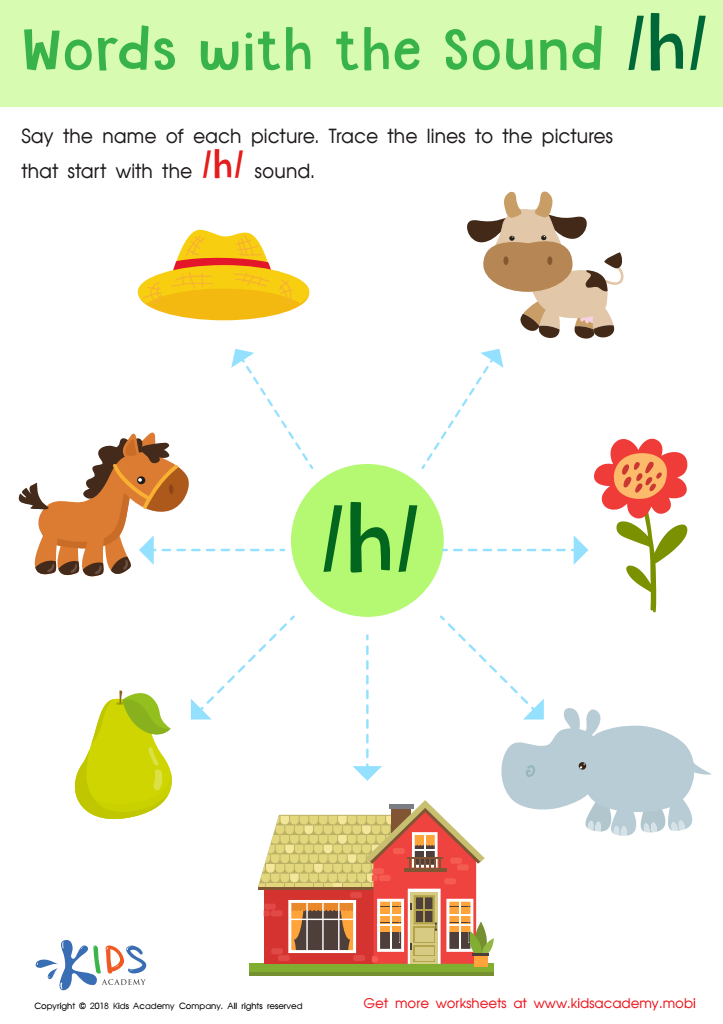
Words with sound h Reading Worksheet
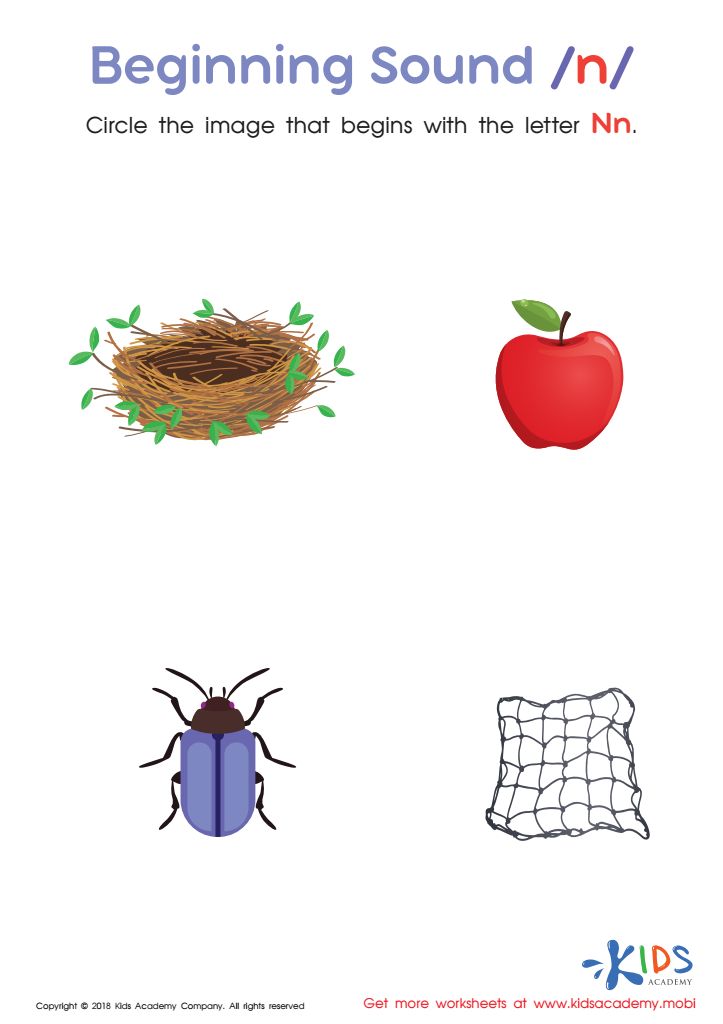
Beginning Sound «n» Worksheet
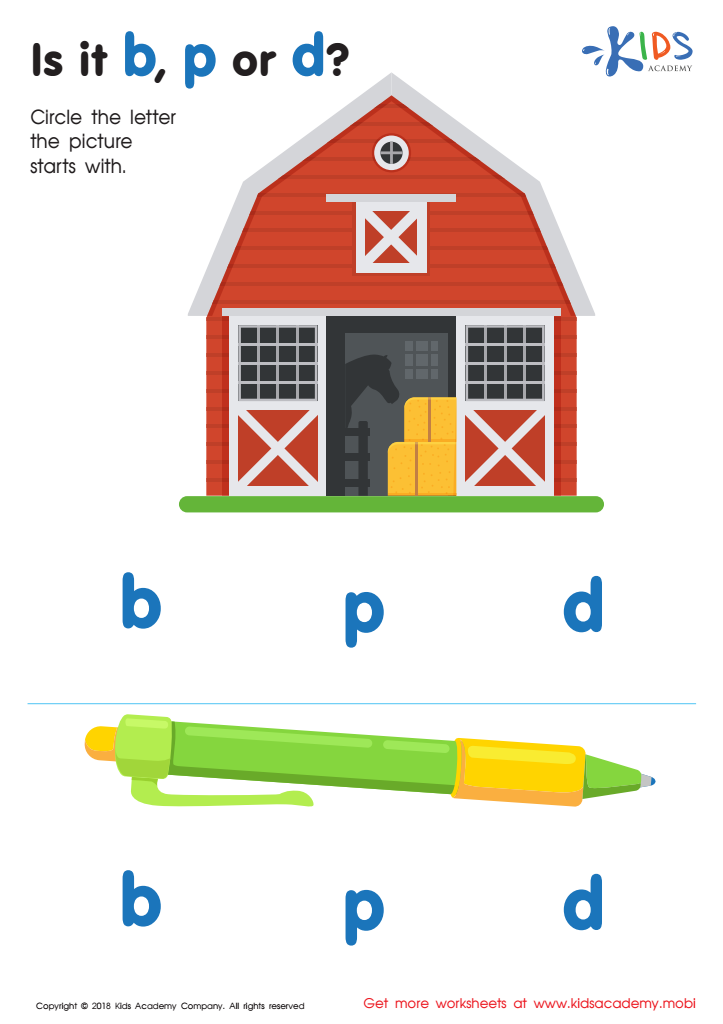
Is it b, p or d? Worksheet
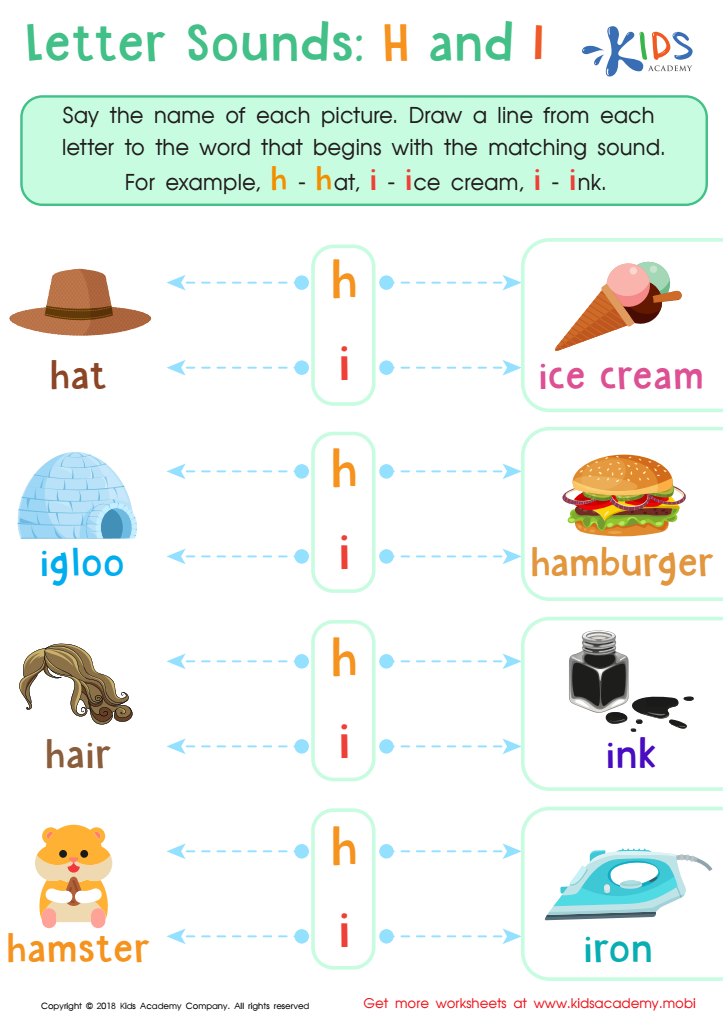
Letter H and I Sounds Worksheet
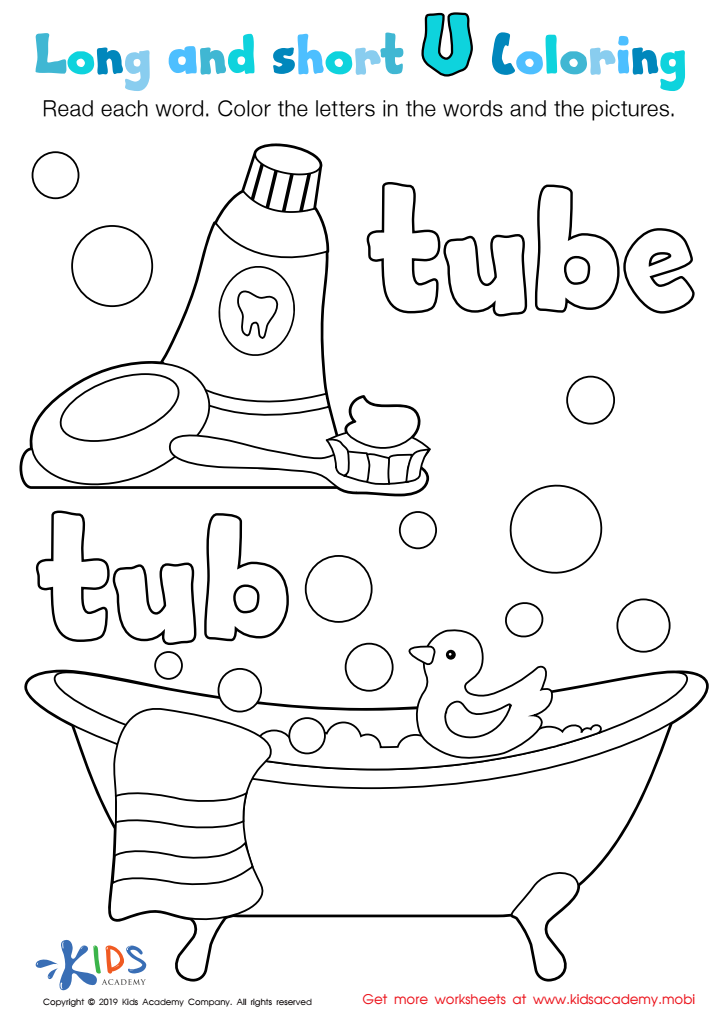
Long and Short U Worksheet
 Assign to My Students
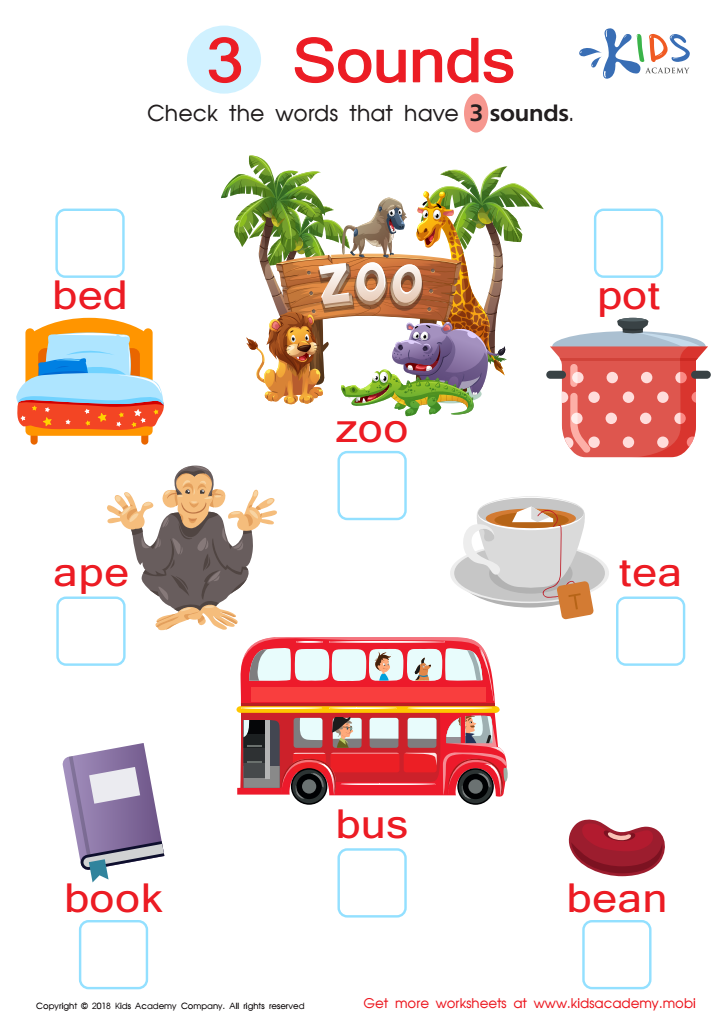
3 Sounds Worksheet
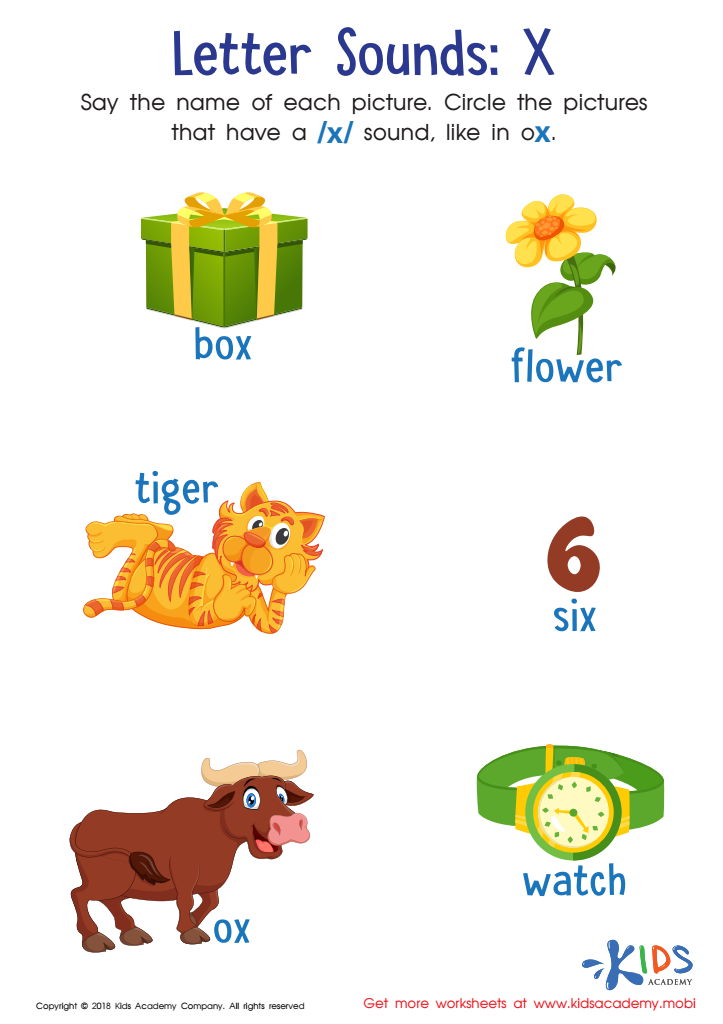
Letter X Sounds Worksheet
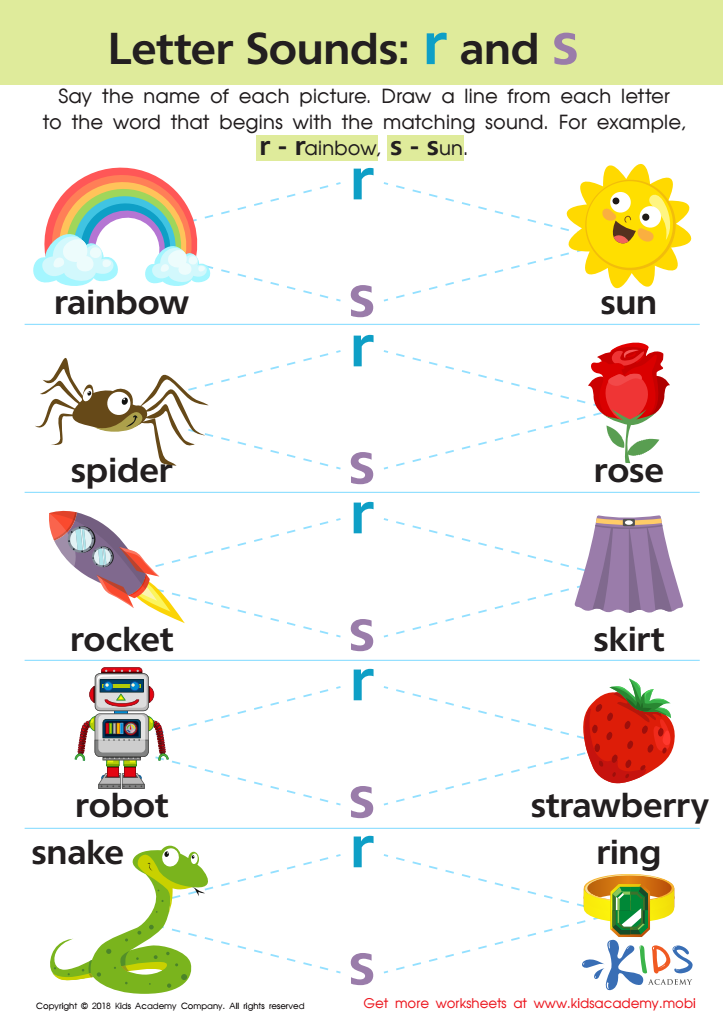
Letter R and S Sounds Worksheet
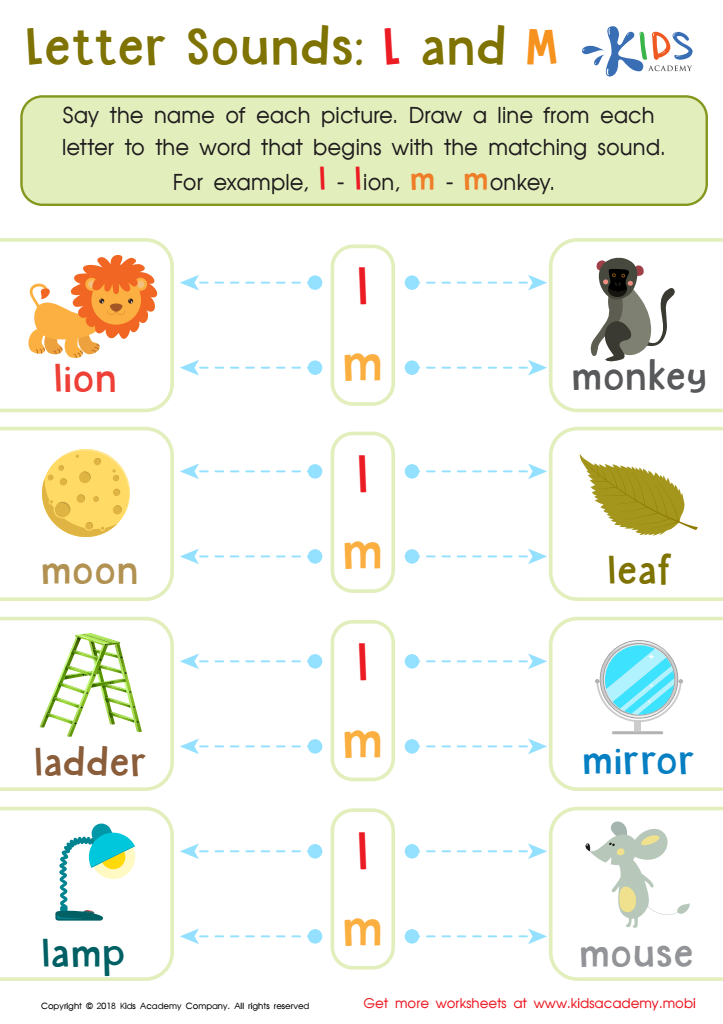
Letter l and M Sounds Worksheet

Long and Short E Worksheet
Assign to My Students
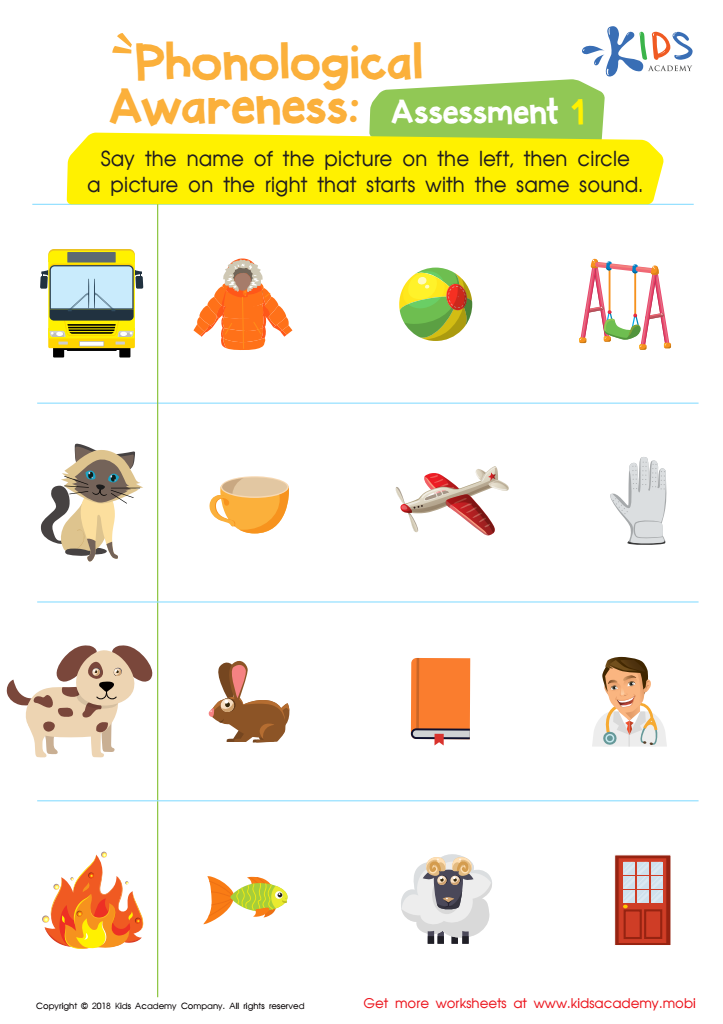
Phonological Awareness: Assessment 1 Worksheet
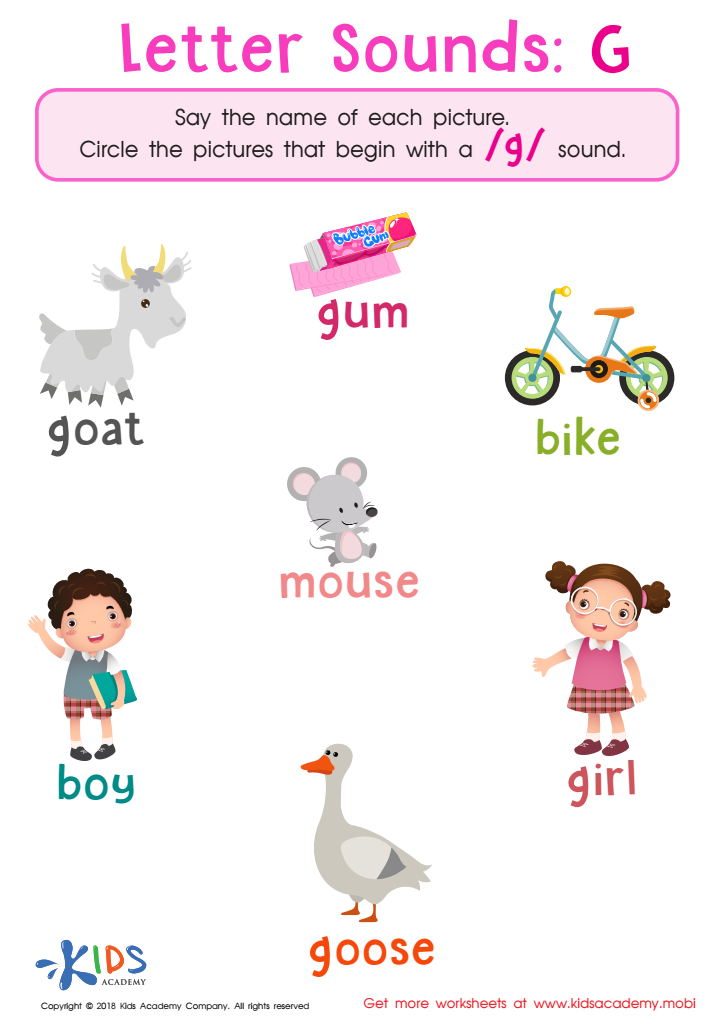
Letter G Sounds Worksheet
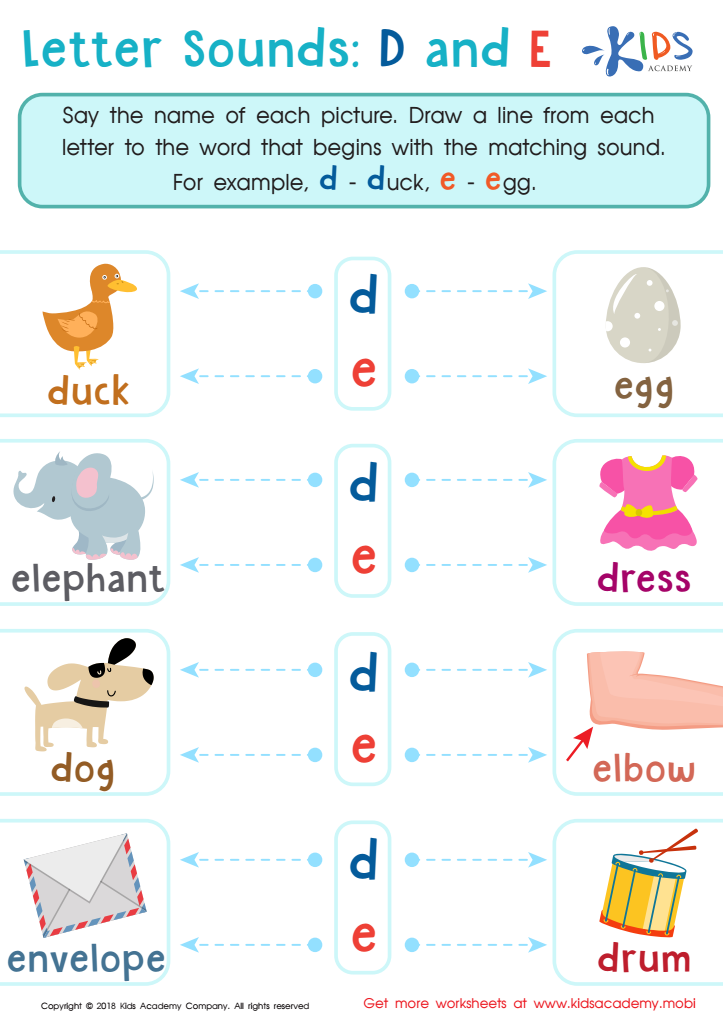
Letter D and E Sounds Worksheet








Letter recognition and phonics are foundational skills for children aged 4-7 as they embark on their literacy journey. These skills are crucial because they form the building blocks for reading and writing. When children recognize letters and understand their corresponding sounds, they become capable of decoding words, which fosters reading fluency and comprehension.
Parents and teachers should prioritize these skills, as they directly impact a child's confidence and success in school. Early mastery of letter recognition and phonics can enhance a child's ability to express ideas through writing, allowing for effective communication from a young age.
Furthermore, strong literacy skills promote overall academic achievement and open doors to future learning opportunities. Engaging young learners with fun and interactive phonics activities can spark a love for reading, making it a lifelong habit.
Moreover, the ability to read independently encourages curiosity and a desire for knowledge, vital traits for personal development.
Investing time in letter recognition and phonics lays a strong foundation for literacy, equipping children with the essential tools they need to thrive academically and socially in their formative years. Hence, parents and teachers play a crucial role in nurturing these essential skills, shaping capable readers for life.







