Associative learning Normal Worksheets for Ages 4-7
4 filtered results
-
From - To
Our "Associative Learning Normal Worksheets for Ages 4-7" are designed to bolster key cognitive skills by linking concepts that children can easily associate. These fun and engaging activities foster critical thinking and aid in memory retention by helping kids discover relationships between different ideas. Whether through matching, picture association, or thematic connections, our worksheets lay a strong foundation for future learning. Perfect for early learners, these resources enhance problem-solving abilities and encourage exploratory learning in a playful, stress-free environment. Give your child the tools to succeed with our expertly crafted worksheets from Kids Academy!
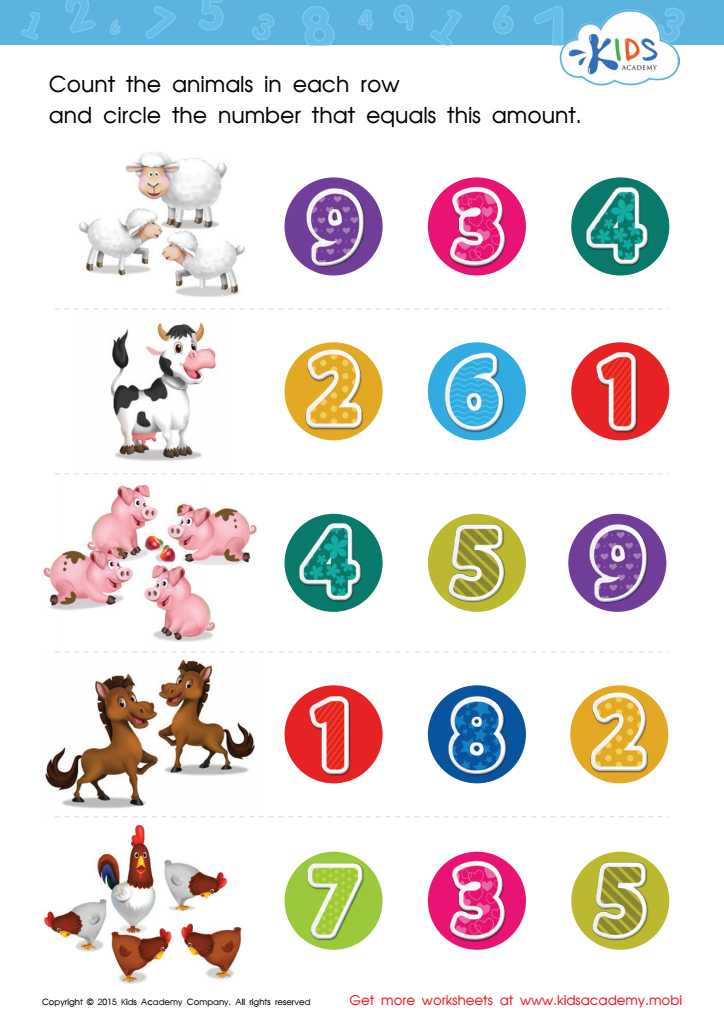
Count and Match 1 – 5 Math Worksheet
 Assign to My Students
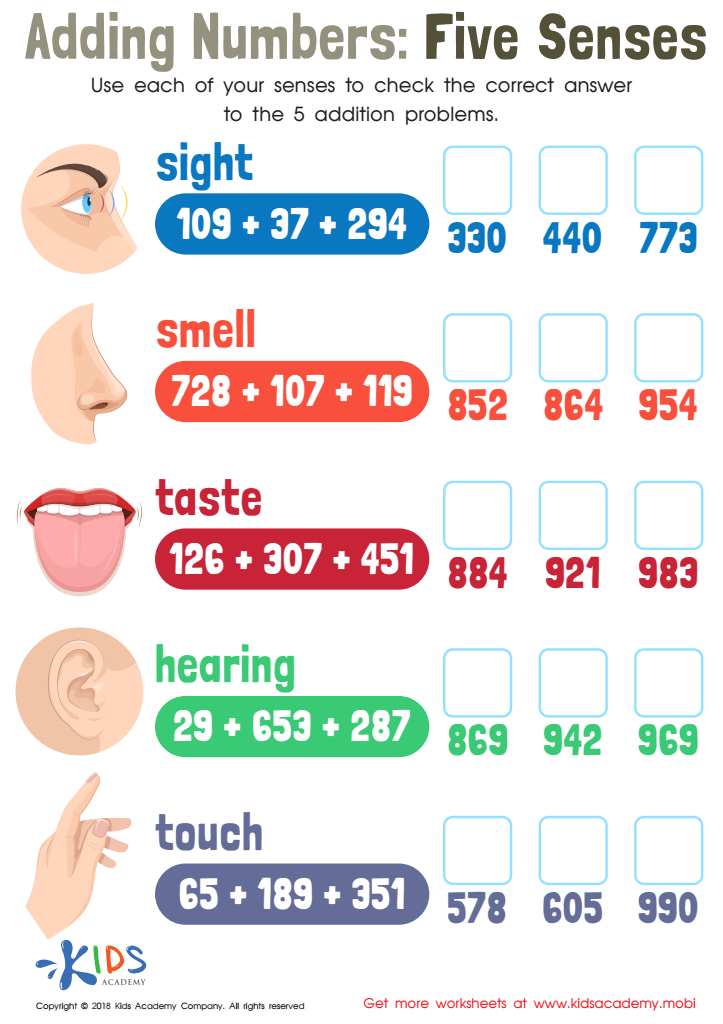
Adding Numbers: Five Senses Worksheet

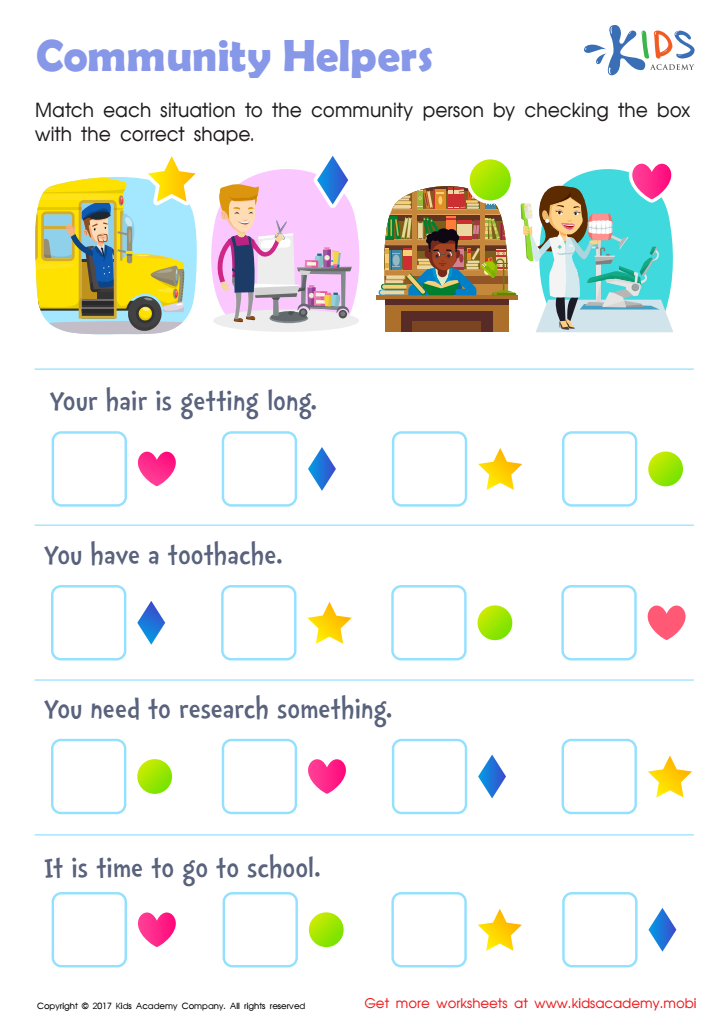








Parents and teachers play crucial roles in the early development of children, and understanding associative learning is fundamental during the ages of 4-7. Associative learning is a process by which children make connections between ideas, experiences, or stimuli, and it forms the foundation for more complex cognitive processes.
At this tender age, children's brains are like sponges, soaking up information rapidly. Associative learning helps them link words with objects, understand cause-and-effect relationships, and develop social skills by mimicking behaviors and reactions they observe in adults and peers. For example, a child may associate the sound of a bell with transitioning from playtime to classroom activities, thus fostering a structured learning environment.
Ensuring that learning experiences are positive and consistent helps lay the groundwork for lifelong habits and skills. For parents, creating rich associative experiences at home through interactive play, reading, and consistent routines supports and complements the learning occurring in school. Teachers can strategically use associative learning techniques to reinforce lessons, encouraging collaboration among students and making learning more engaging and memorable.
By fostering a supportive and enriched environment for associative learning, parents and teachers help children develop critical thinking, problem-solving skills, and emotional resilience, all of which are essential for their academic and social success as they grow.








