
Basic math practice Normal Worksheets for Ages 4-7
4 filtered results
Difficulty Level
Grade
Age
-
From - To
Subject
Activity
Standards
Our Basic Math Practice Normal Worksheets for Ages 4-7 provide a foundational math experience tailored for young learners. These engaging worksheets help children grasp fundamental concepts such as counting, addition, subtraction, and number recognition through fun, interactive exercises. Designed by educational experts, these printable worksheets cater to your child's developmental needs, encouraging early math skills and boosting confidence. Perfect for preschool to early elementary ages, our worksheets turn learning into an enjoyable routine, laying the groundwork for future mathematical success. Embrace the joy of mastering basic math with our thoughtfully curated collection.
Favorites
With answer key
Interactive
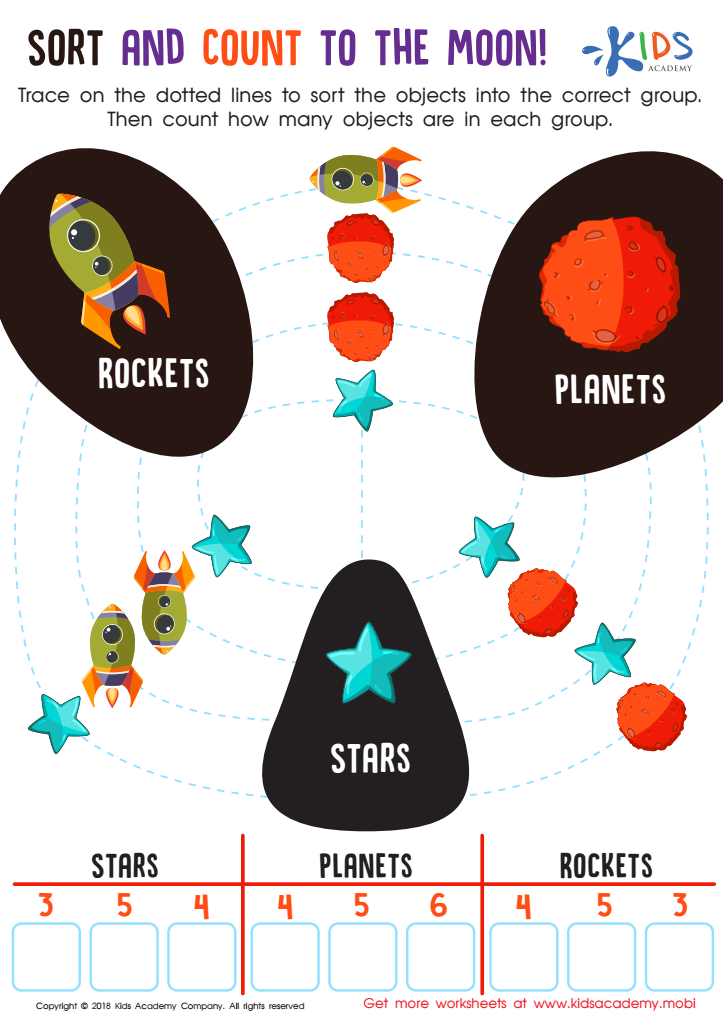
Sort and Count to the Moon Worksheet
Little space explorers will love counting, sorting and strengthening number sense with this galactic worksheet! They'll use traceable lines to sort pictures of stars, planets and rockets into categories according to properties. After sorting, they'll count each item and fill in the boxes. Bold pictures make it fun and build critical thinking skills.
 Assign to My Students
Sort and Count to the Moon Worksheet
Worksheet
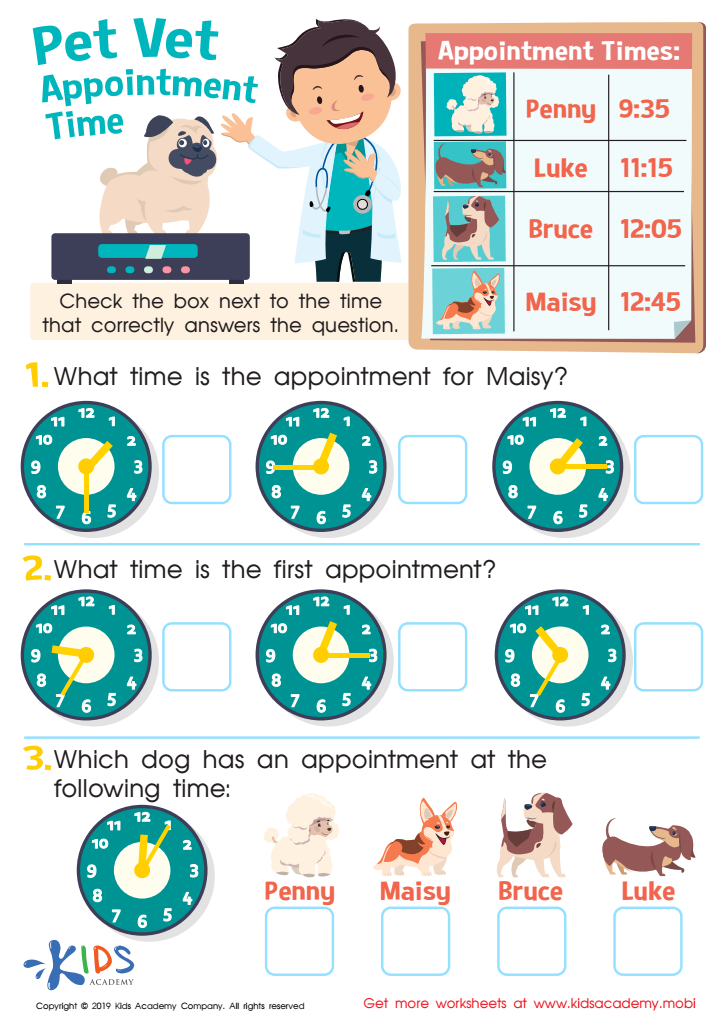
Pet Vet Appointment Time Worksheet
Teach your child how to read the time early, so they can master it. Explain the importance of being able to tell the time. Use this worksheet to have your child practice. Have them look at the clocks and check the box of the time that correctly answers the three questions.
Pet Vet Appointment Time Worksheet
Worksheet
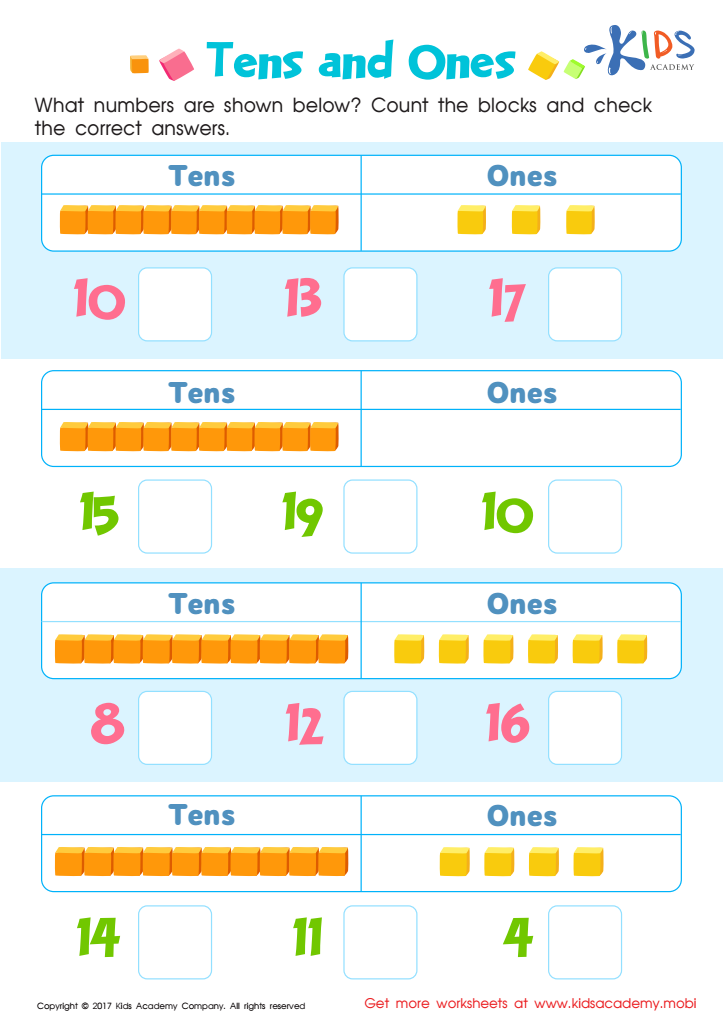
Tens and Ones Worksheet
Help your child make math fun with this worksheet! Count the blocks on both sides and enter the total in the box below the figures. This will help them overcome any math-related anxieties they might have and let them enjoy the learning process.
Tens and Ones Worksheet
Worksheet
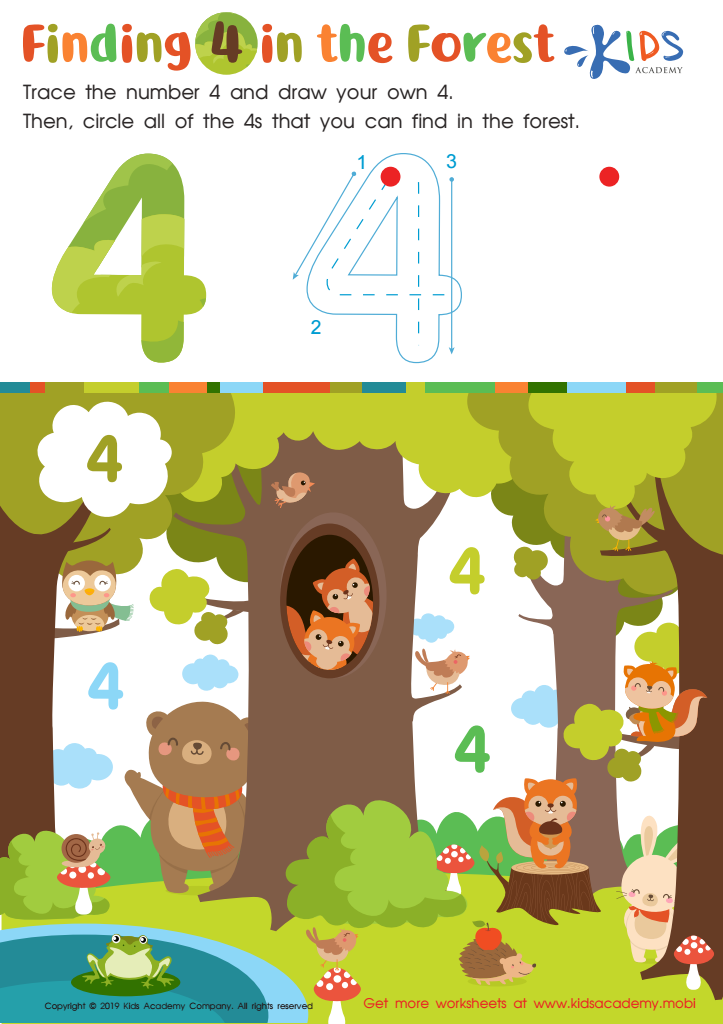
Finding 4 in the Forest Worksheet
Before starting, have your kids count as high as they can. Ask them to identify the setting and point out the 4s. Trace 4 and draw your own. Help your kids circle all the 4s they can find in the forest. How far can they count? How well did they find the hidden 4s?
Finding 4 in the Forest Worksheet
Worksheet
Join Kids Academy for Free
Who is primarily going to use this learning content?







Parents and teachers should pay close attention to basic math practice for children aged 4-7 because it forms the foundation for all future mathematical learning. During these formative years, children are incredibly receptive to new information and skills, making it the ideal time to introduce math concepts in an engaging and accessible manner. Basic math, encompassing simple arithmetic, pattern recognition, and number sense, is crucial for cognitive development.
When children practice basic math at this age, they develop critical thinking and problem-solving skills. These fundamental abilities are not just essential for advanced mathematics, but also for understanding and navigating the world around them. Mastering basic concepts, such as counting, addition, and subtraction, builds confidence and encourages a positive attitude towards math, making children more willing to tackle complex problems as they grow older.
Furthermore, early math skills are often predictive of future academic success. Studies have shown that children who enter school with strong math skills tend to perform better in both math and reading as they progress through their education. Therefore, by prioritizing basic math practice, parents and teachers are not only fostering academic excellence but also equipping children with life-long skills that are essential in everyday activities and decision-making.








