Comparing sizes Normal Worksheets for Ages 4-7
3 filtered results
-
From - To
Discover the joy of learning with our "Comparing Sizes Normal Worksheets" designed specifically for children aged 4-7. These engaging worksheets offer a fun and interactive way to help young learners understand the concept of size differentiation. Through vibrant illustrations and simple exercises, kids will explore big vs. small, tall vs. short, and more, fostering their observation and critical thinking skills. Our worksheets are perfect for parents and educators seeking to reinforce early math skills in a playful manner. Download these printable resources today and give your child the tools they need to succeed while having a blast!
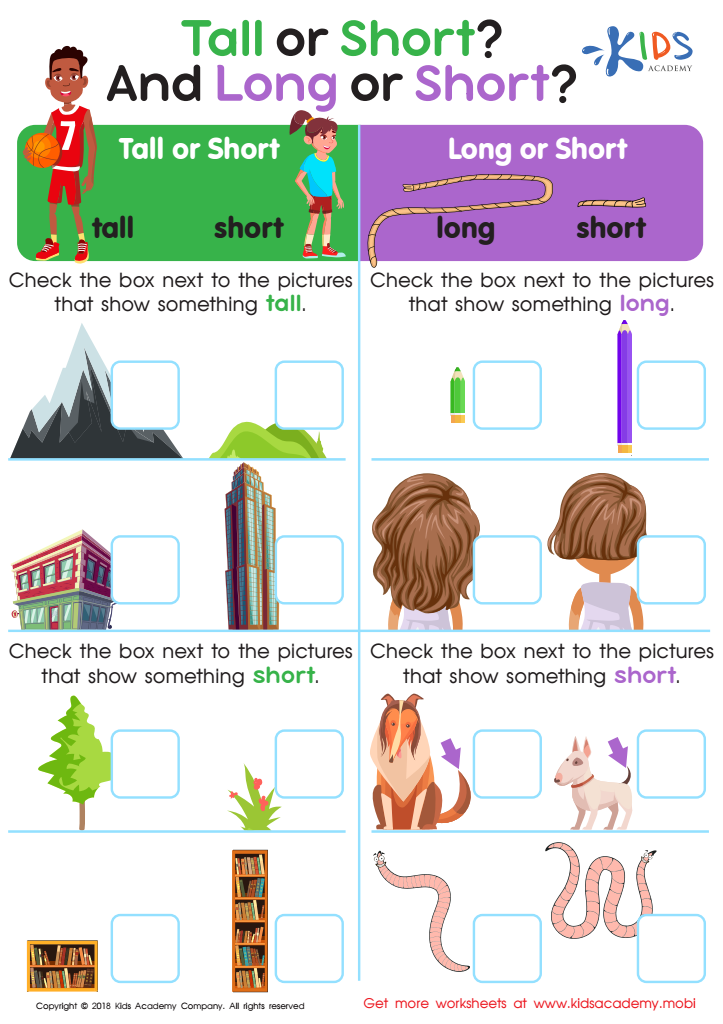
Tall or Short and Long or Short? Worksheet
 Assign to My Students
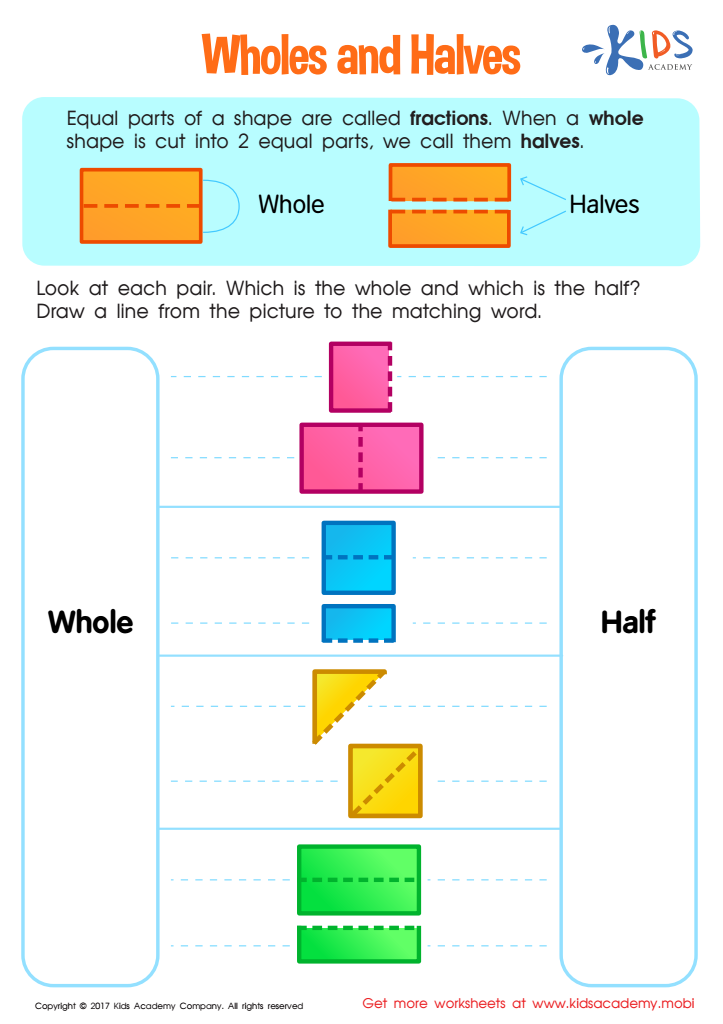
Wholes and Halves Worksheet
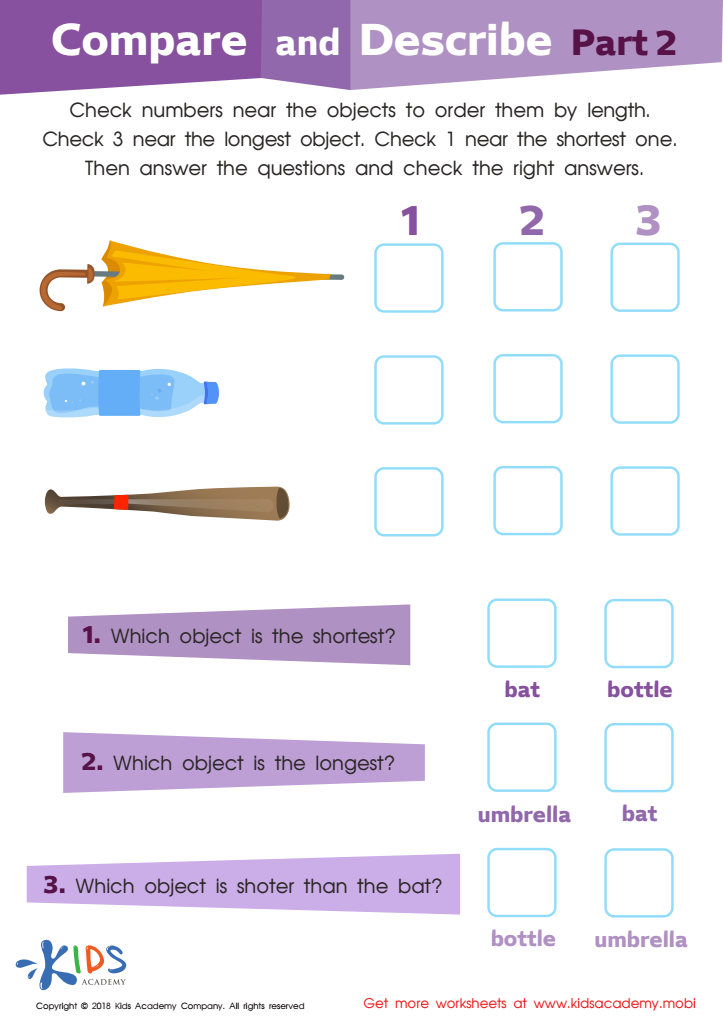
Compare and Describe: Part 2 Worksheet




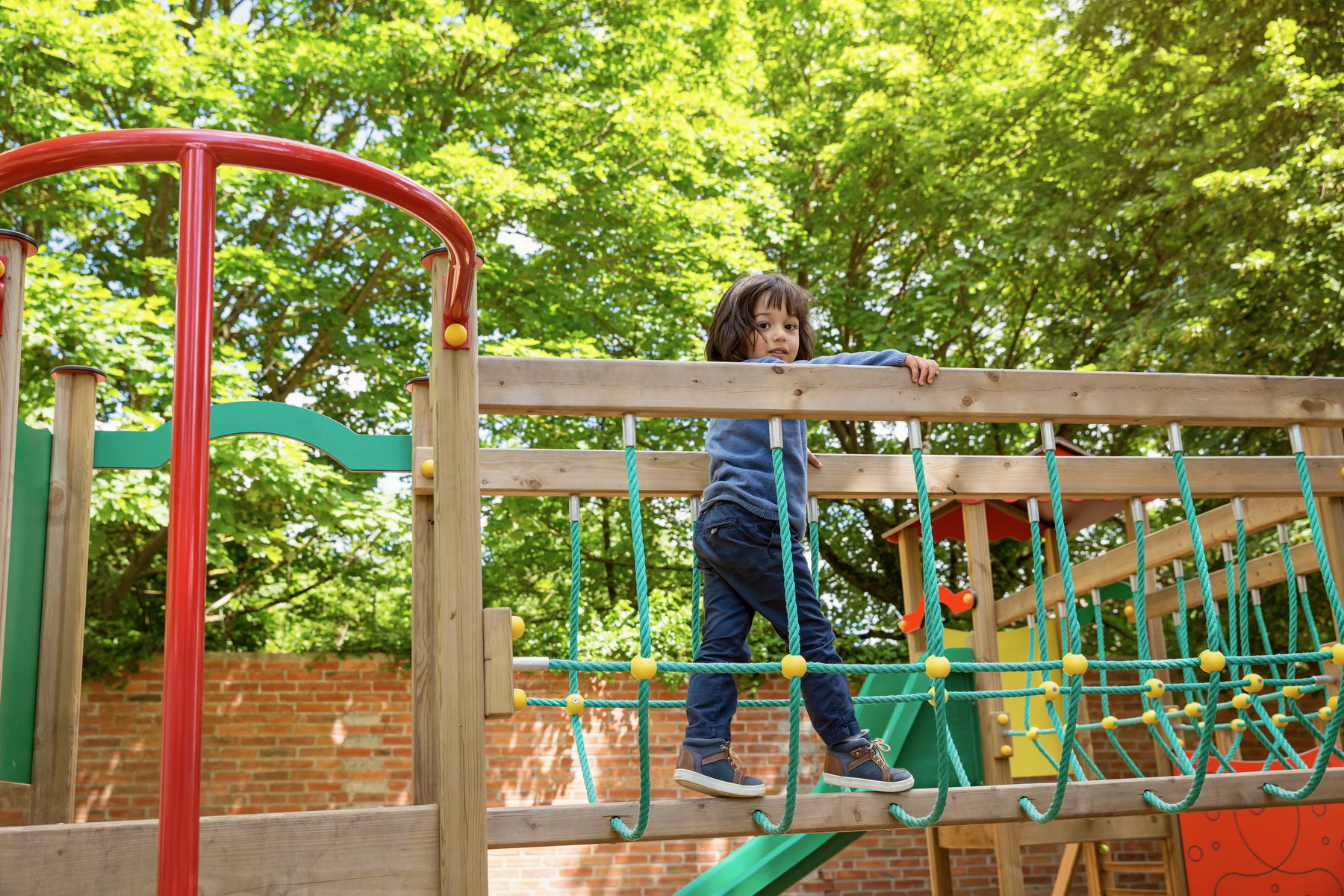


Comparing sizes is a fundamental skill that forms the basis for a child’s understanding of the world around them. For parents and teachers working with children aged 4-7, it’s essential to foster this skill for several reasons. First, it develops critical thinking and reasoning capabilities, enabling children to make connections between their environment and mathematical concepts. By engaging with size comparisons, they learn to identify larger and smaller objects, enhancing their spatial awareness.
Additionally, this skill serves as a stepping stone for more advanced mathematical concepts, such as measurement and volume. The ability to compare sizes also promotes problem-solving skills, as children learn to categorize and sort items, leading to cognitive development. Beyond mathematics, understanding size differentiation is crucial for fostering language development; it provides opportunities for vocabulary expansion through descriptive words and comparative language.
Furthermore, engaging in activities related to size comparison encourages collaboration and communication among peers. This social interaction is vital for emotional growth and confidence-building in young learners. By incorporating size comparison activities into everyday learning, parents and teachers help create a robust foundation for a child’s academic journey and personal development.








