Improving observation skills Normal Worksheets for Ages 4-7
4 filtered results
-
From - To
Enhance your child's observation skills with our engaging worksheets designed specifically for ages 4-7. Tailored to spark curiosity and critical thinking, these printable resources feature fun activities that encourage young learners to carefully observe their surroundings. From identifying details in images to comparing shapes and colors, these exercises stimulate cognitive development while keeping your child entertained. Each worksheet is crafted to be accessible and enjoyable, allowing children to develop essential observational skills at their own pace. Perfect for use in classrooms or at home, our improving observation skills worksheets help lay a strong foundation for lifelong learning and discovery!
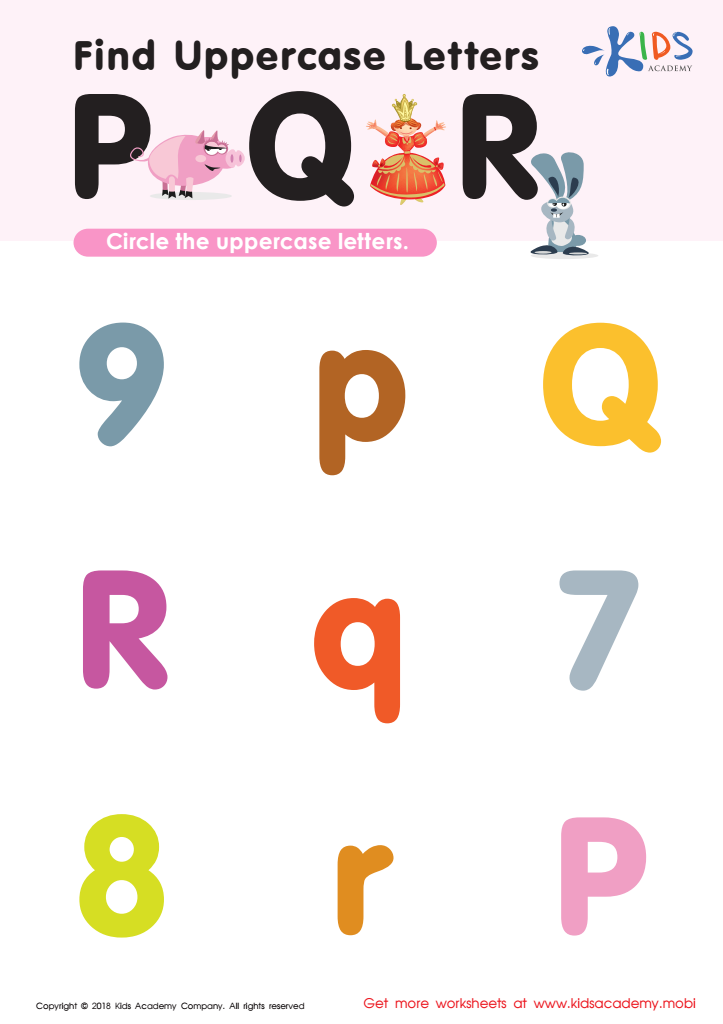
Find Uppercase Letters P, Q, and R Worksheet
 Assign to My Students
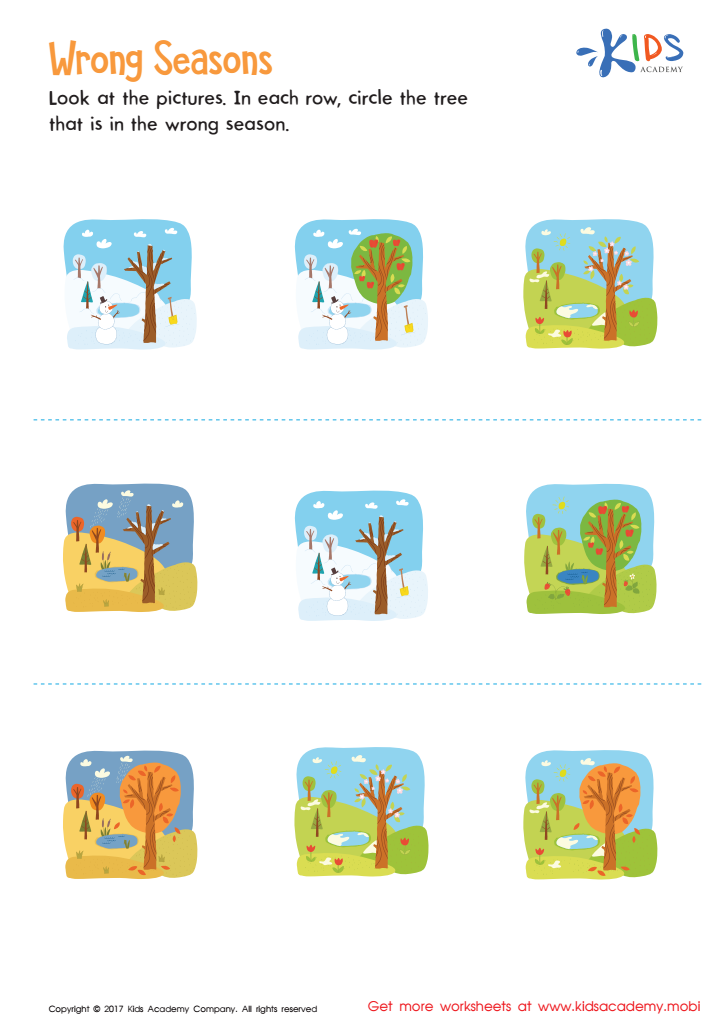
Wrong Seasons Worksheet
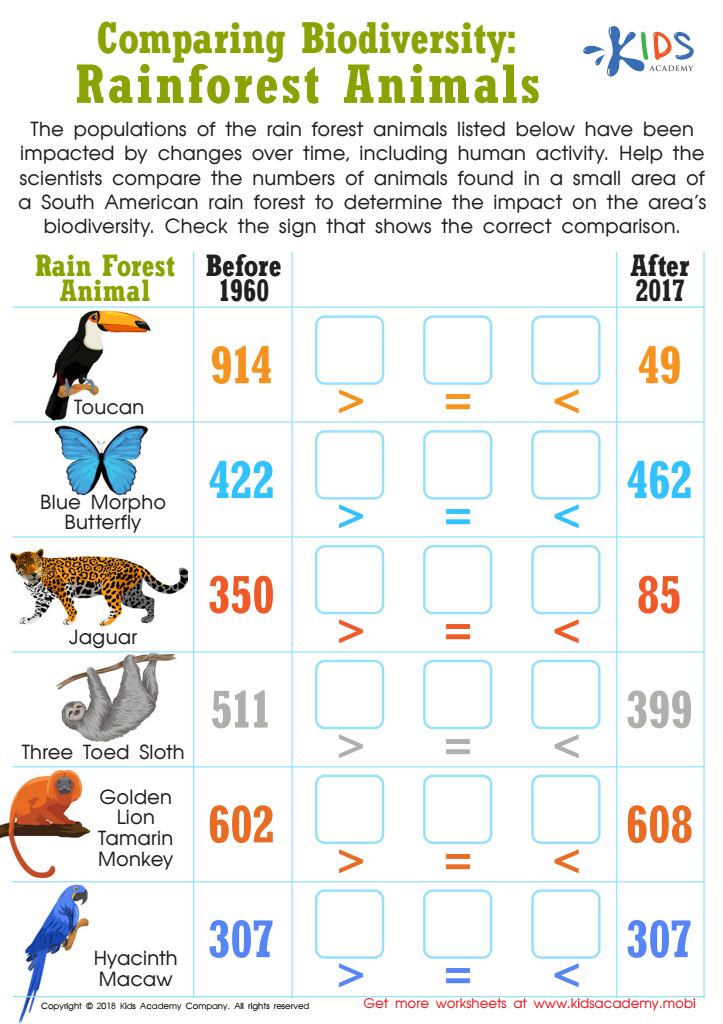
Comparing Biodiversity: Rainforest Animals Worksheet
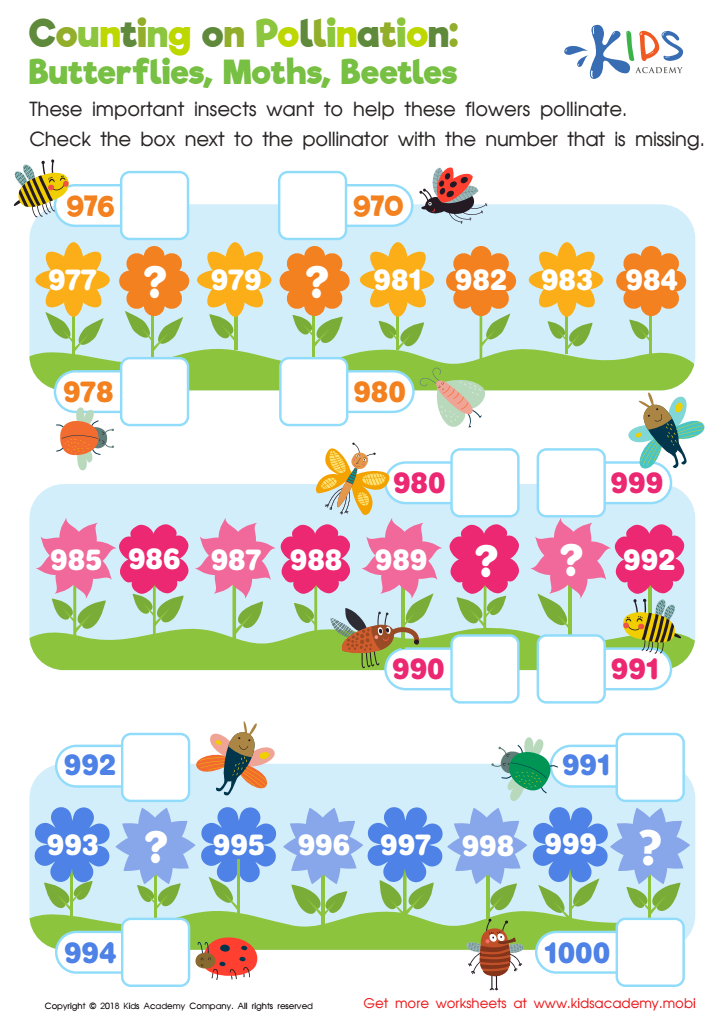
Counting on Pollination: Butterflies, Moths, Beetles Worksheet






Improving observation skills in children aged 4-7 is essential for their overall development. At this formative stage, children's ability to observe their surroundings lays the foundation for critical thinking, problem-solving, and effective communication. By nurturing these skills, parents and teachers can cultivate a child's innate curiosity about the world.
Observational skills help children make sense of new experiences and enhance their learning in various subjects, from science to storytelling. They learn to notice details, compare and contrast objects, identify patterns, and understand cause-and-effect relationships. This not only boosts cognitive abilities but also supports social-emotional development, as children become more aware of non-verbal cues and the feelings of others.
Moreover, engaging in activities that sharpen observation skills encourages mindfulness and focus, helping combat distractions prevalent in today's fast-paced environment. Parents and teachers play a crucial role in creating rich environments filled with opportunities for exploration. By valuing and promoting observational activities, they empower children to develop lasting skills that will enhance their academic success and personal growth, while also fostering a lifelong love for learning and discovery. Investing in these skills today will benefit children tremendously as they navigate their educational journeys and beyond.








