Interpreting data Normal Worksheets for Ages 4-7
3 filtered results
-
From - To
Discover our engaging "Interpreting Data Normal Worksheets" specially designed for children aged 4-7! These worksheets provide a fun and interactive way for young learners to grasp the fundamentals of data interpretation. Through colorful visuals and age-appropriate activities, kids will learn to read simple graphs, charts, and tables, fostering critical thinking and analytical skills. Our carefully crafted resources encourage exploration and understanding, making learning enjoyable. Perfect for classrooms or at-home practice, these worksheets support early mathematics education and prepare children for future success. Download our worksheets today and help your child unlock the fascinating world of data interpretation!
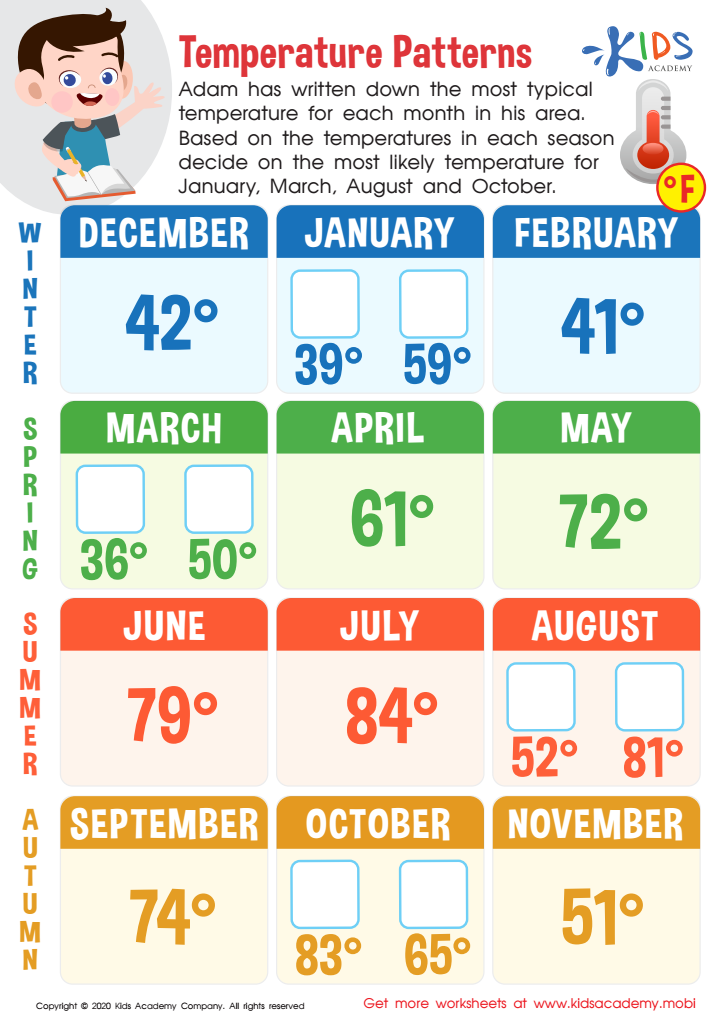
Temperature Patterns Worksheet
 Assign to My Students
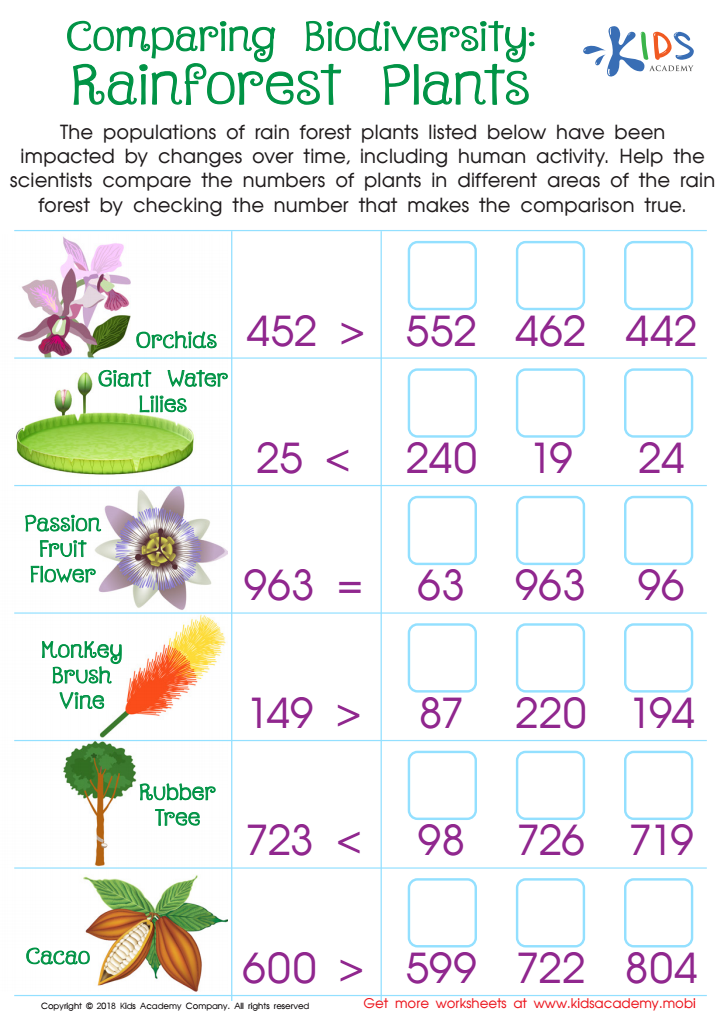
Comparing Biodiversity: Rainforest Plants Worksheet
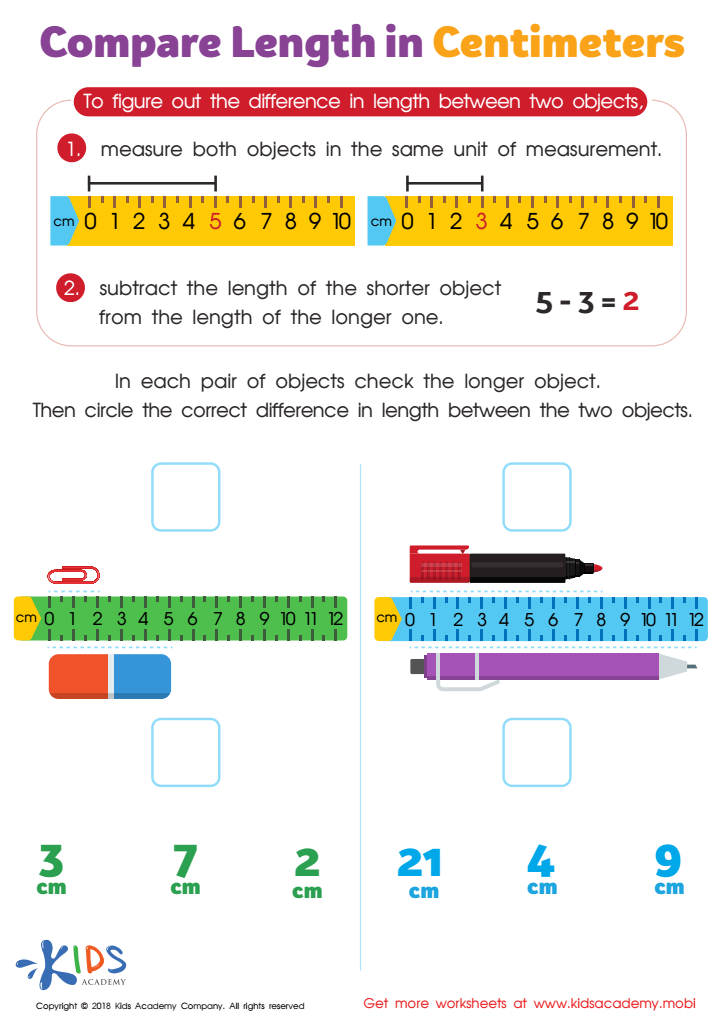
Compare Length in Centimeters Worksheet








Interpreting data is crucial for parents and teachers of children aged 4-7 as it directly impacts their educational and developmental decisions. At this early age, children are developing foundational skills in literacy, numeracy, and social interaction. Interpreting data helps educators and parents understand individual learning needs, track progress, and tailor instruction or support accordingly.
For instance, assessing a child's reading level, math proficiency, or social-emotional development can highlight strengths and areas needing improvement. Teachers can use this information to adjust lesson plans, offer additional resources, or implement targeted interventions. Likewise, parents can gain insights into their child’s performance and development, guiding their involvement in learning at home.
Furthermore, interpreting data fosters a collaborative approach between teachers and parents, enhancing communication around focus areas and goals for the child. It promotes shared responsibility in the educational journey, empowering parents to reinforce learning outside the classroom. Ultimately, understanding and interpreting data is necessary to ensure that children receive the support they need to thrive academically and socially, laying the groundwork for lifelong learning and success.








