Problem-solving practice Normal Worksheets for Ages 4-7
6 filtered results
-
From - To
Unlock your child's potential with our Problem-Solving Practice Normal Worksheets, specially designed for ages 4-7. Our engaging activities foster critical thinking and equip young minds with essential problem-solving skills. These worksheets cover a range of topics, from basic logic tasks to fun, interactive puzzles, ensuring a well-rounded learning experience. Tailored to captivate early learners, our resources build confidence and lay a solid foundation in critical thinking, preparing kids for future academic success. Start your child on the path to becoming a confident problem solver, excited to tackle challenges with creativity and determination. Explore today and inspire a love for learning!
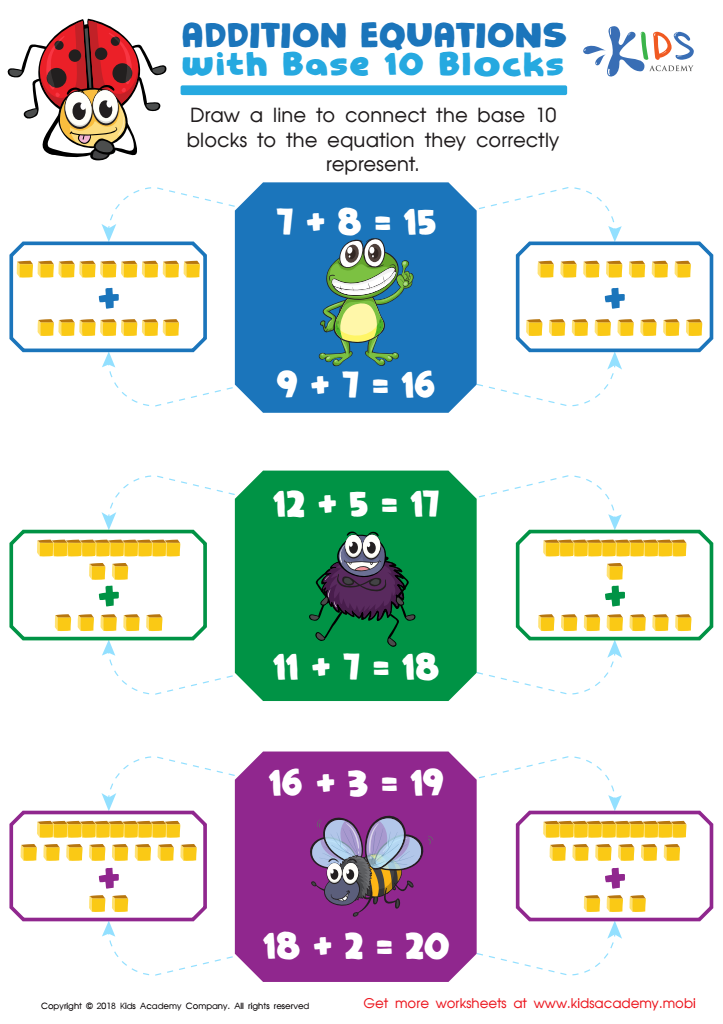
Addition Equations With Base 10 Blocks Worksheet
 Assign to My Students
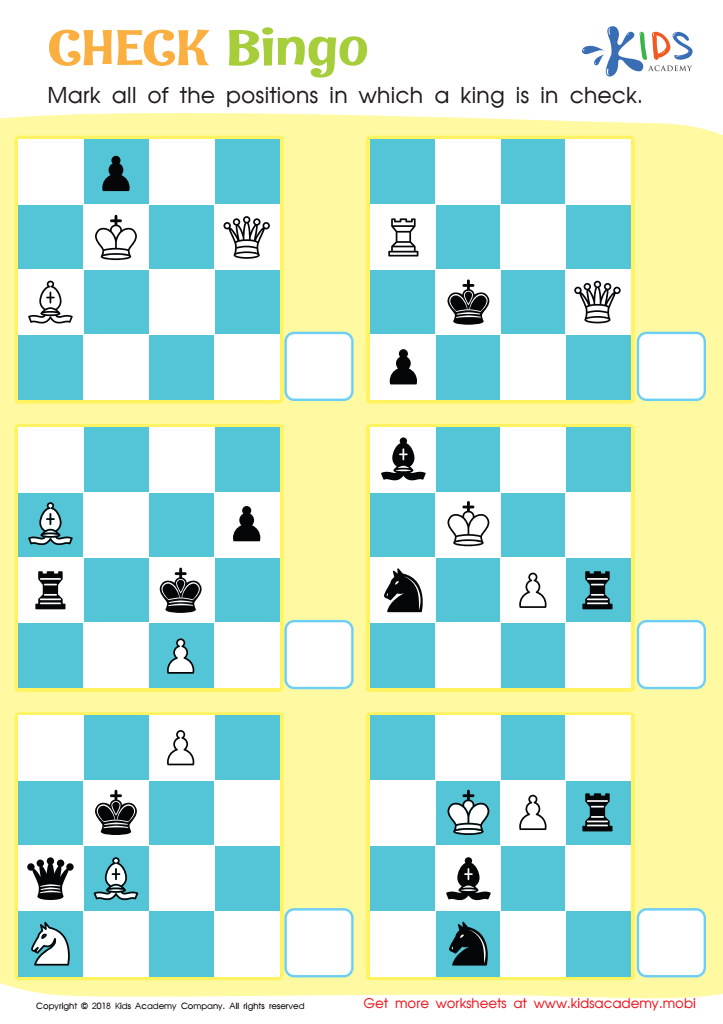
Check Bingo Worksheet
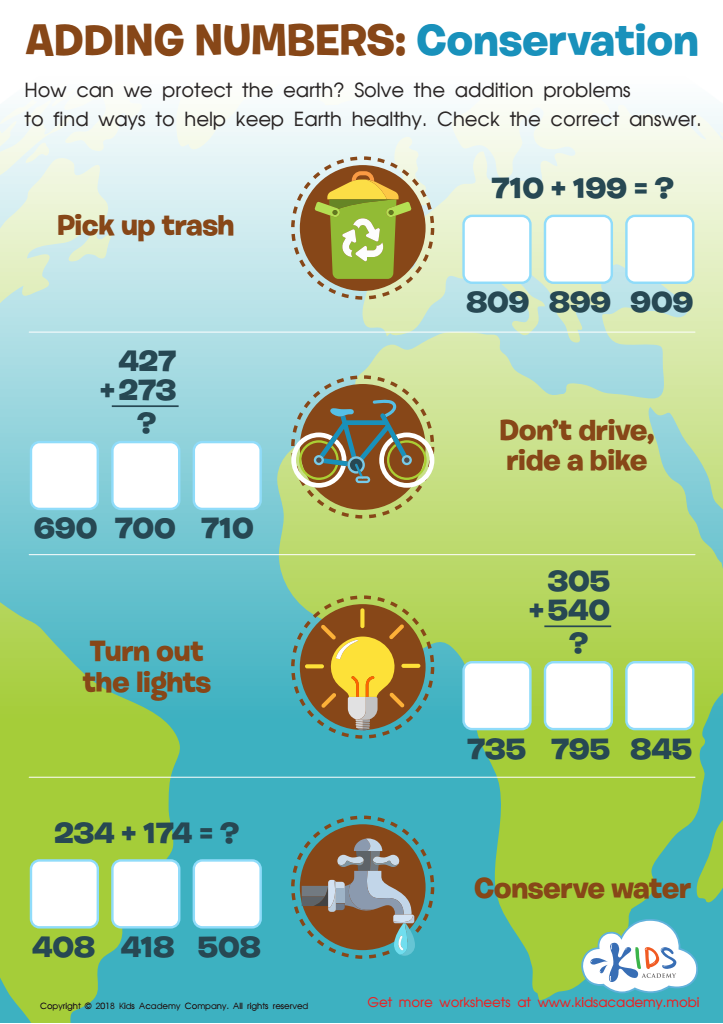
Adding Numbers: Conservation Worksheet
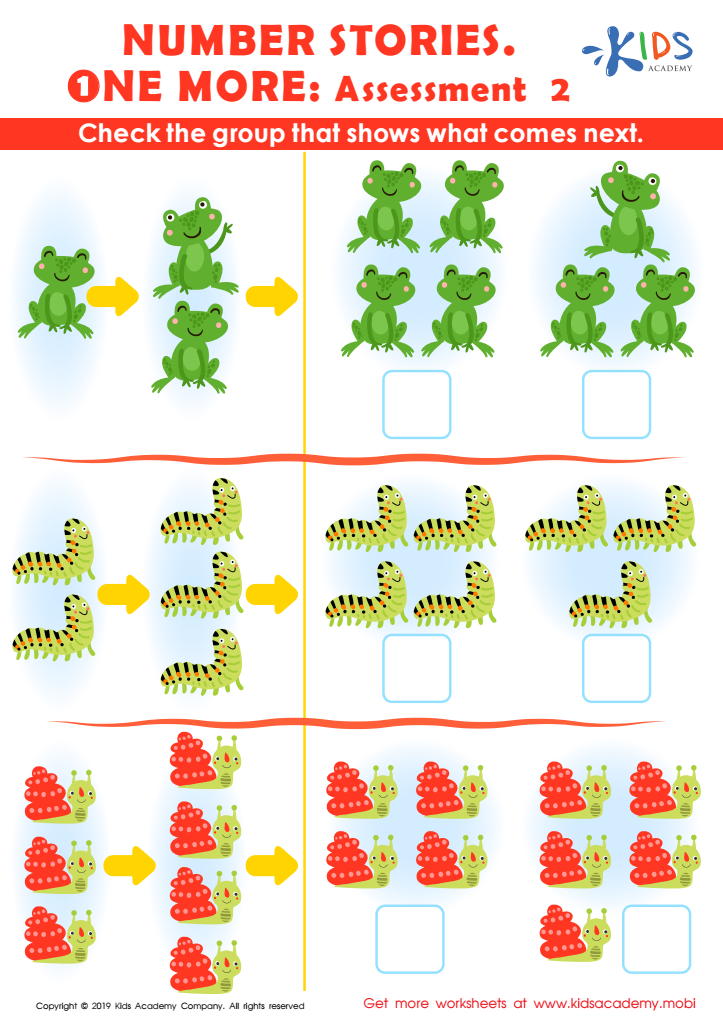
Number Stories One More – Assessment 2 Worksheet
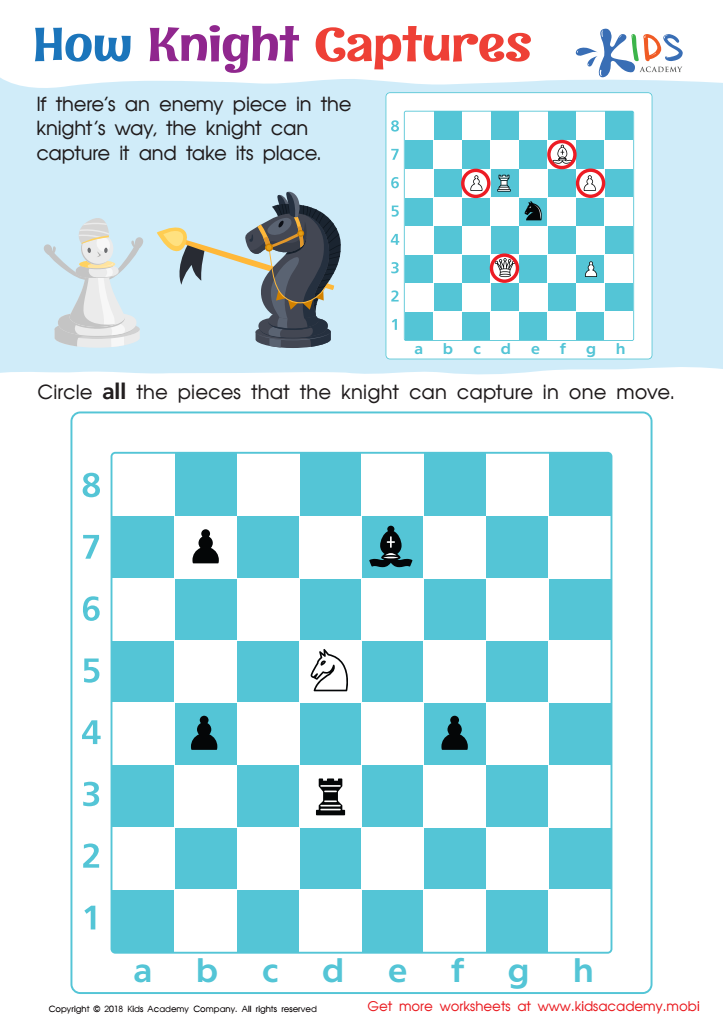
How Knight Captures Worksheet
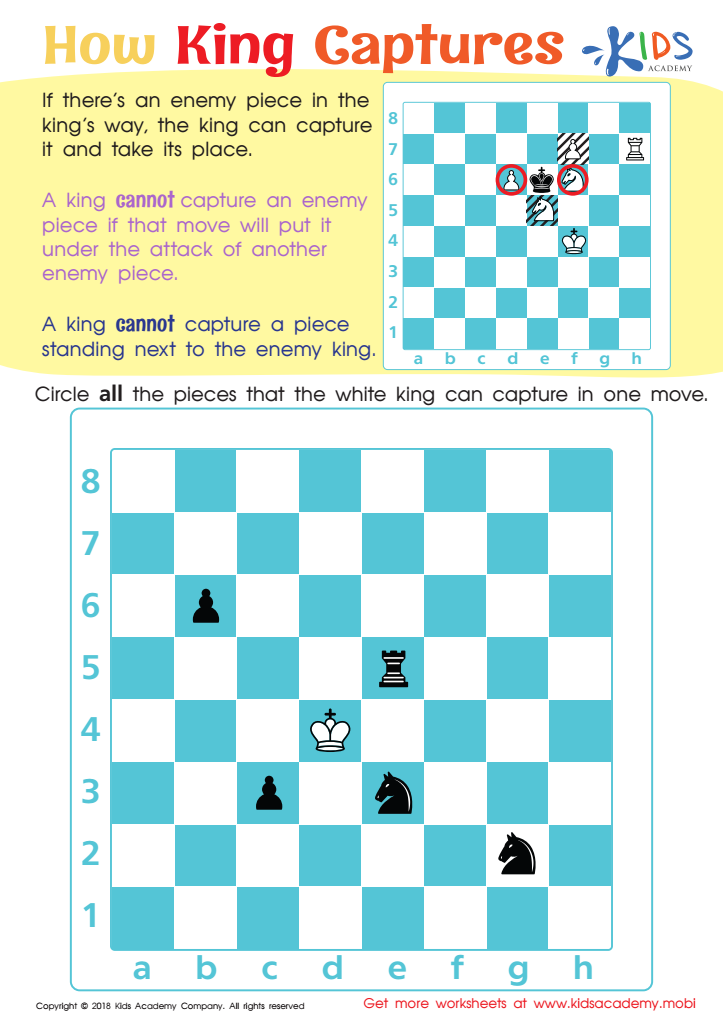
How King Captures Worksheet




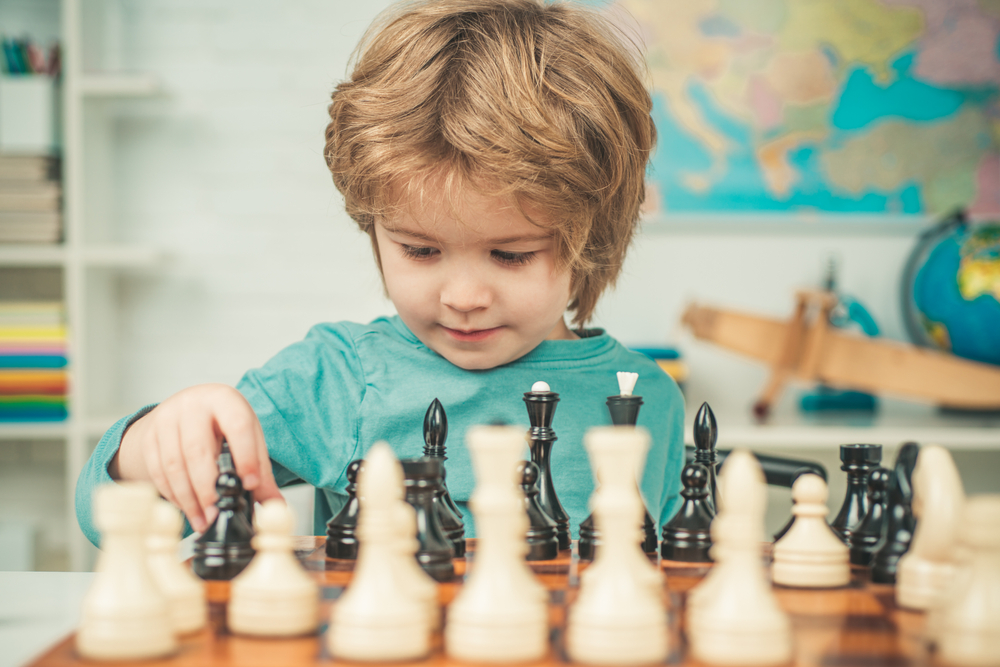


Problem-solving practice is crucial for kids aged 4-7 because it builds foundational skills vital for their overall development. At this young age, children are like sponges, absorbing information and learning how to navigate the world around them. Problem-solving helps enhance cognitive abilities by encouraging critical thinking, logical reasoning, and decision-making. These skills are essential not just for academic success, but also for handling everyday challenges.
When children engage in problem-solving activities, they learn to approach issues methodically, breaking down larger problems into more manageable parts. This fosters patience and persistence, teaching them to view setbacks as opportunities for learning rather than failures. Additionally, collaborative problem-solving activities can improve social skills, as children learn to communicate and work with peers, sharing ideas and strategies.
For parents and teachers, incorporating problem-solving exercises into everyday activities can significantly impact a child's future abilities. These exercises can be as simple as puzzles, building blocks, or even everyday decisions like choosing what to wear based on the weather. Making this practice a regular part of a child’s routine helps prepare them for the complexities of life, ensuring they grow up to be resourceful, resilient, and able to think critically. Thus, emphasizing problem-solving early sets a strong foundation for lifelong learning and success.








