Enhance your child's storytelling and logical thinking with our Sequencing Skills Normal Worksheets for ages 4-7. These thoughtfully designed activities help youngsters grasp the concept of order and progression. Vibrant, engaging, and easy-to-follow, these worksheets guide children through arranging events in a sequence, fostering crucial comprehension and problem-solving abilities. Perfect for both classroom and home use, our printable worksheets support early learning standards and make sequencing fun for preschool and early elementary students. Boost your child's narrative skills and build a solid foundation for future learning with these valuable resources. Download now to start the educational journey!

Check out this FREE "Sequencing Skills" Trial Lesson for age 4-7!

Animal Life Cycle

Favorites
With answer key
Interactive
  • 4-7
  • Sequencing Skills
  • Normal
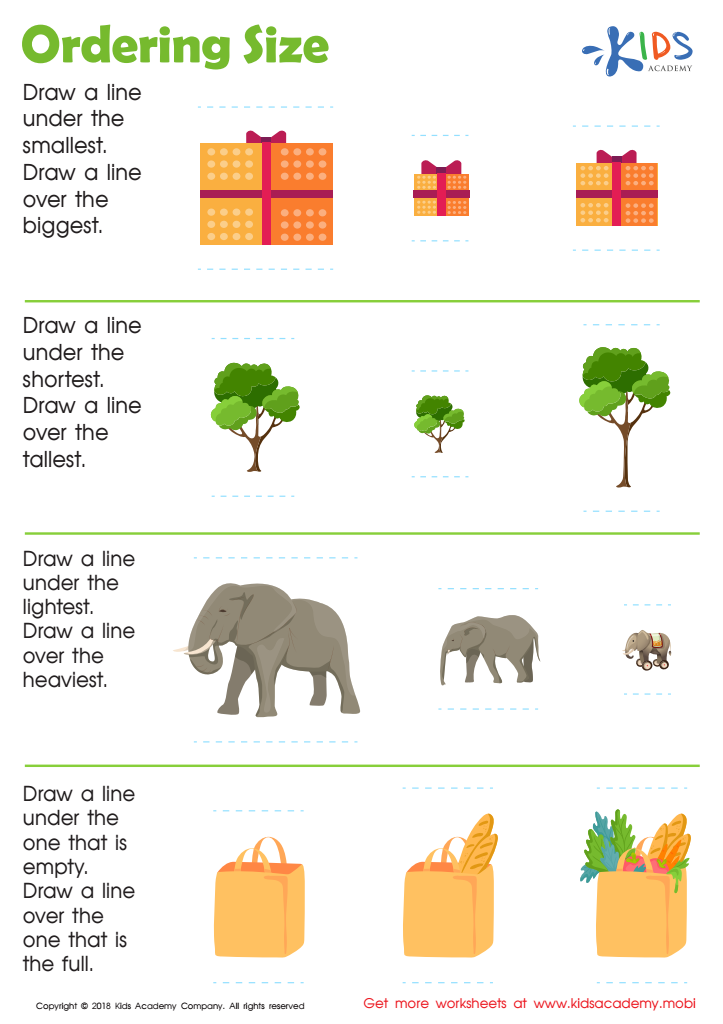
Ordering Size Worksheet

Ordering Size Worksheet

This worksheet helps students practice mathematical vocabulary related to size and quantity. Children look at pictures and draw a line to the objects that are taller, shorter, big, small, light, heavy, empty or full. The teacher can quickly check students' understanding of these measurement terms and then ask for examples of their own.
Ordering Size Worksheet
Worksheet
Going to the Dentist Worksheet

Going to the Dentist Worksheet

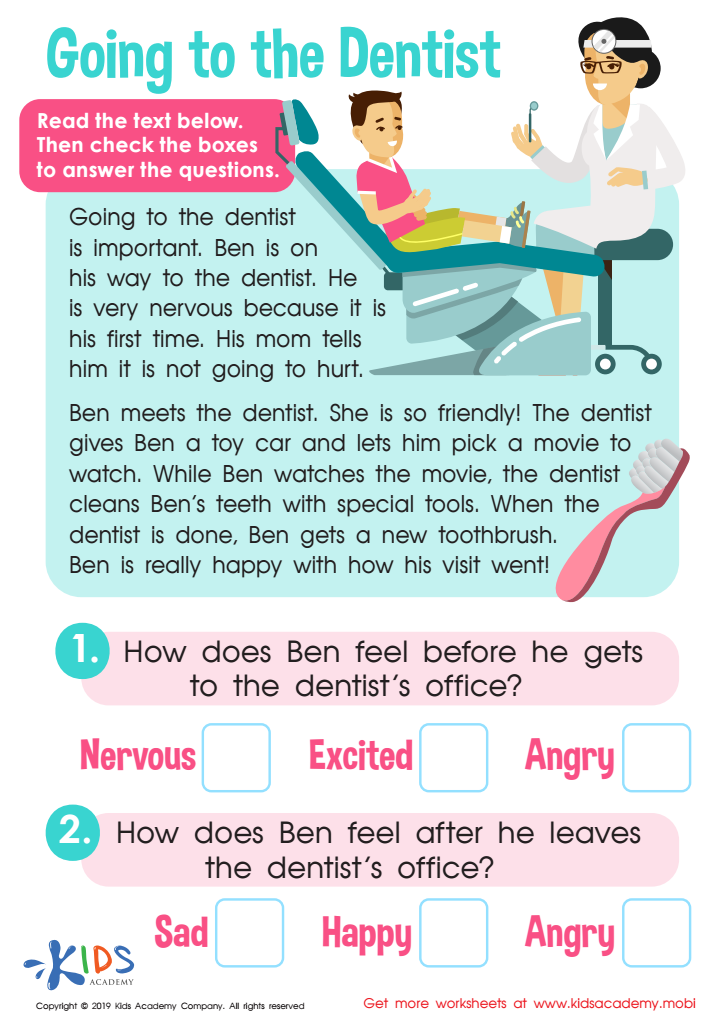
Kids can feel anxious when going to the dentist, but understanding why they go helps them cope. This free text helps them learn, as they read and answer questions about Ben's visit. They'll gain insight into Ben's emotions, while honing their critical thinking skills.
Going to the Dentist Worksheet
Worksheet
Wash Your Hands Worksheet

Wash Your Hands Worksheet

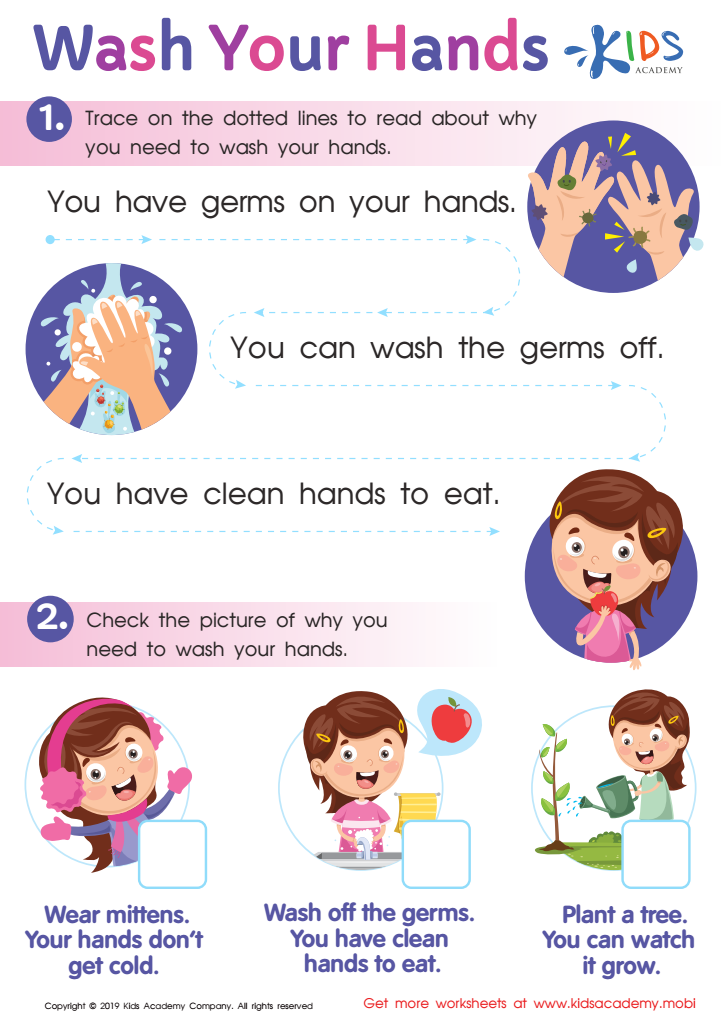
Kids learn best when they understand why they need to do something. This free worksheet uses traceable lines and pictures to teach them about germs and why washing hands is important. The child follows a left-to-right sequence and must check the correct picture to show they understand.
Wash Your Hands Worksheet
Worksheet
Life cycle of a butterfly worksheet pdf

Life Cycle of Butterfly Worksheet

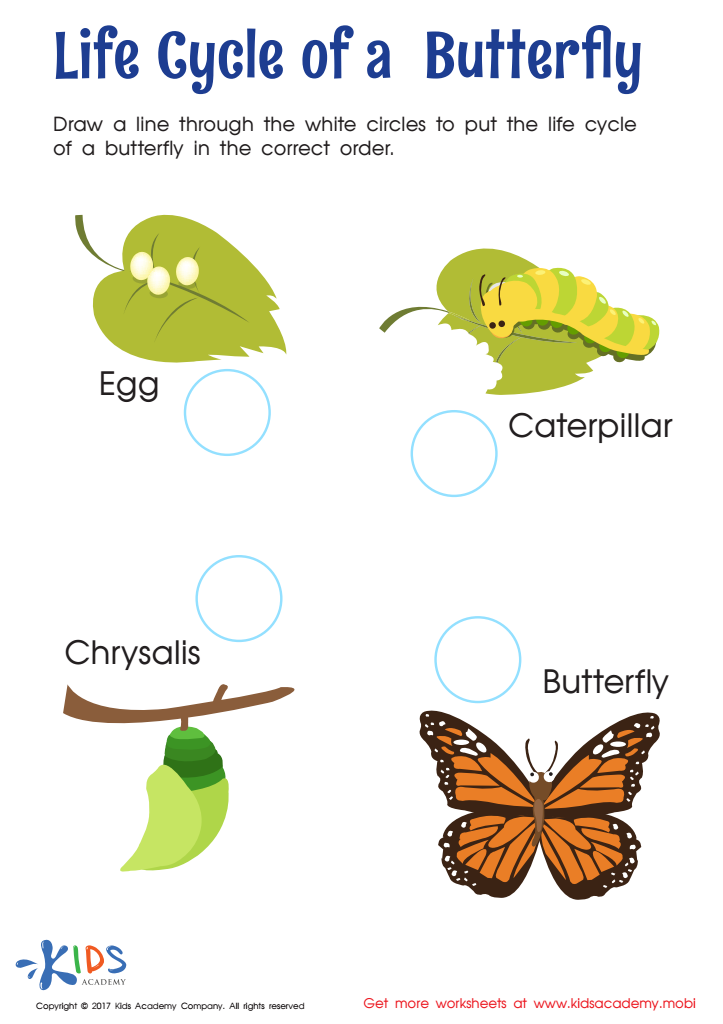
Kids Academy offers an exciting activity – a Life Cycle of a Butterfly Worksheet PDF. It shows four stages in the lifecycle of a butterfly with vivid pictures. Kids put the stages in the correct order to study the lifecycle.
Life Cycle of Butterfly Worksheet
Worksheet
Life Cycle Frog Printable

Life Cycle Frog Printable

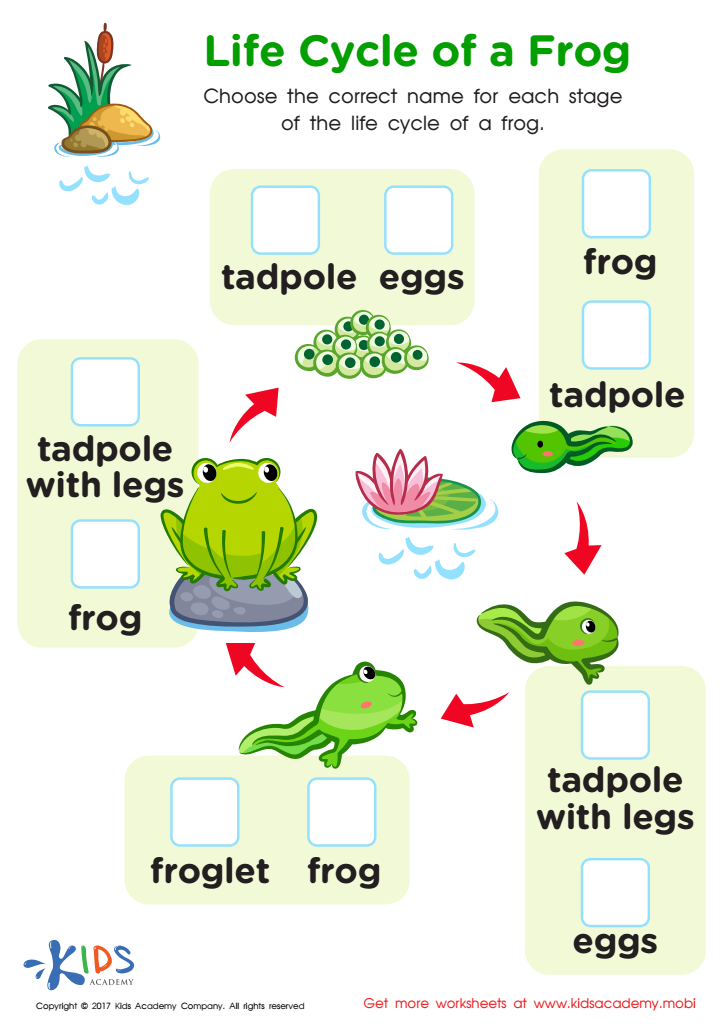
Kids can explore the life cycle of frog with this fun worksheet! Draw lines from one stage to the next to follow the transformation from tadpole to frog and learn about the cycle of life.
Life Cycle Frog Printable
Worksheet
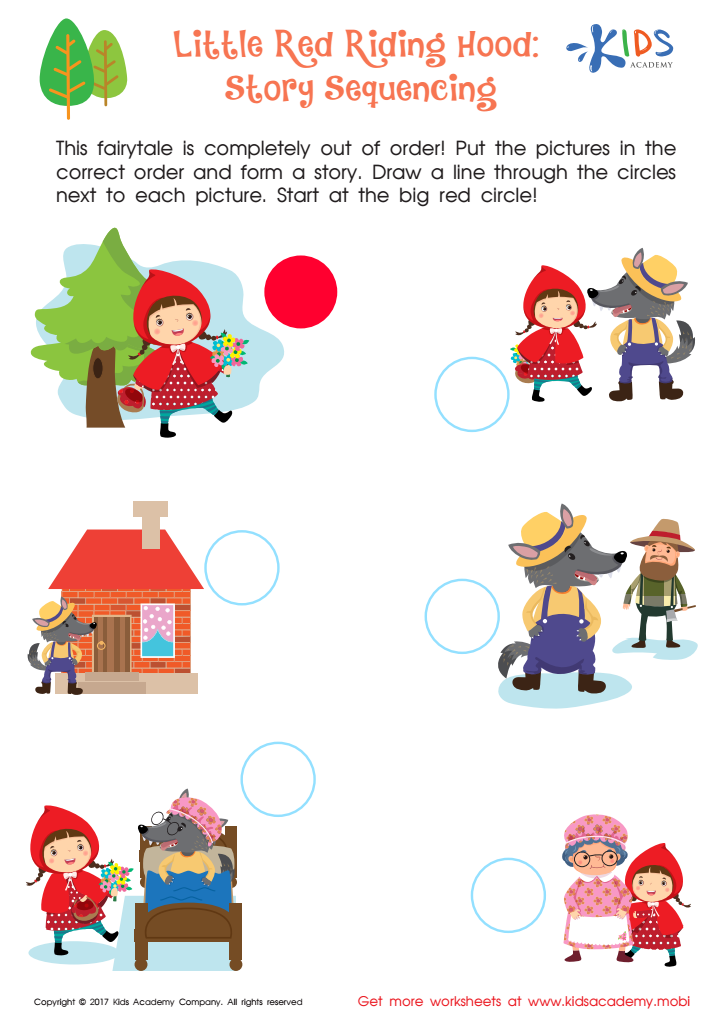
Comprehension Worksheet: Little Red Riding Hood

Story Sequencing Printable

Children must identify story events in sequential order to build a better understanding of plot. Help your child learn how to understand plot with this fun comprehension worksheet: Little Red Riding Hood! Guide them to identify story events and order them correctly to boost their reading skills.
Story Sequencing Printable
Worksheet
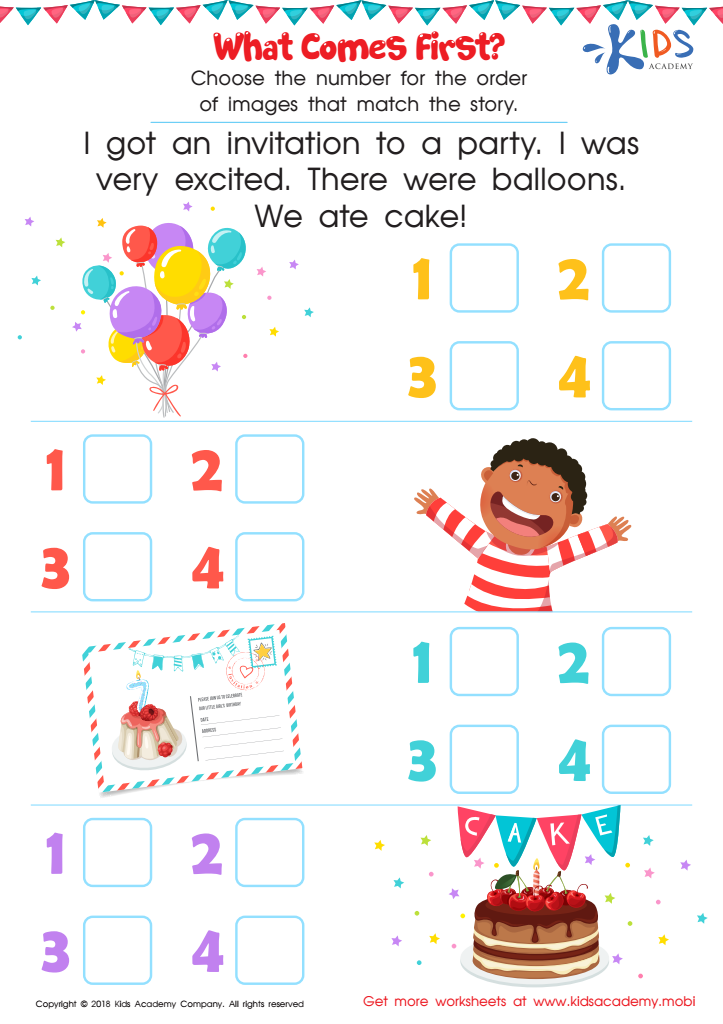
What Comes First Worksheet

What Comes First Worksheet

Before you start, ask your child what they see in the picture. Read the story aloud together, then show them the images in order, numbered 1-5. Ask them to choose the numbers that match the story. Have fun and enjoy this party worksheet with your little one! (80 words)
What Comes First Worksheet
Worksheet


Sequencing skills are crucial for children ages 4-7 as they lay the groundwork for a variety of essential cognitive and academic abilities. At this developmental stage, children begin to understand the concept of order and how events fit into a logical sequence. Parents and teachers should prioritize nurturing these skills because they directly impact learning in multiple areas.

Firstly, sequencing is vital for reading comprehension. As children start reading short stories, they need to grasp the beginning, middle, and end of the narrative. This understanding helps them predict outcomes and enhance their overall comprehension. Equally important is its role in mathematics, where sequencing aids in recognizing patterns, understanding number order, and solving problems.

Secondly, sequencing skills foster effective communication. They help children tell coherent stories, follow directions, and explain phenomena logically. This ability to sequence actions and thoughts will serve them well not just in academics, but in everyday interactions and problem-solving tasks.

Furthermore, strong sequencing skills are closely linked to executive functions like planning and organizing. These skills enable children to carry out multi-step tasks efficiently, fostering independence and boosting self-esteem.

By nurturing sequencing skills at this critical age, parents and teachers set children up for lifelong success, laying a robust foundation for more complex academic and life skills.