Sound Association Normal Worksheets for Ages 4-7 - Page 2
27 filtered results
-
From - To
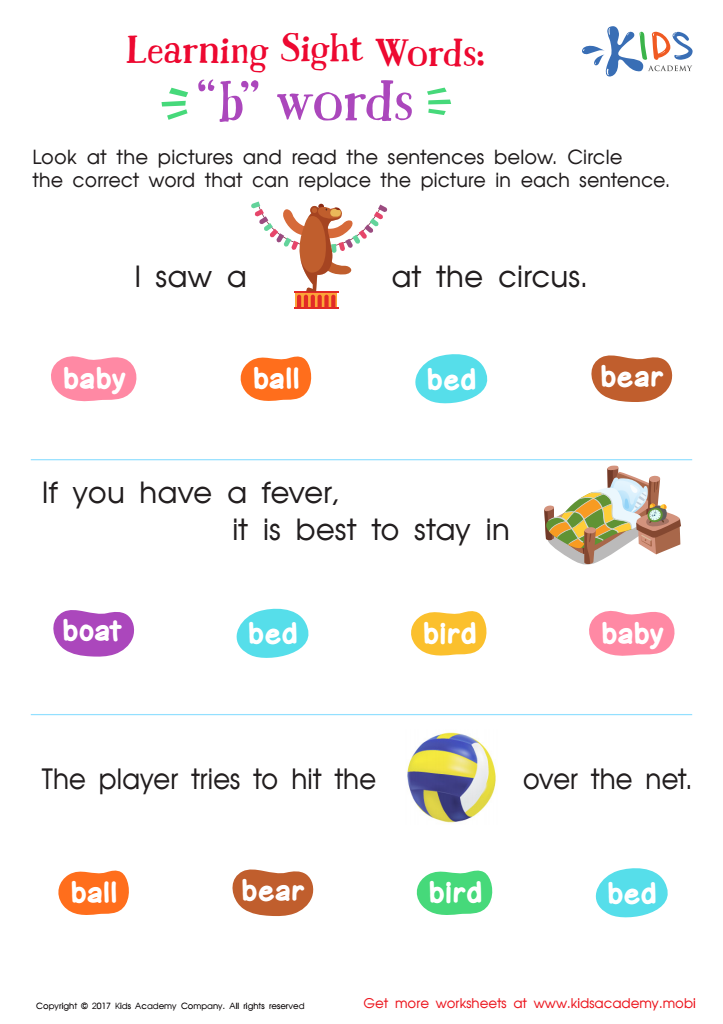
"B" Words Printable Sight Words Worksheet
 Assign to My Students
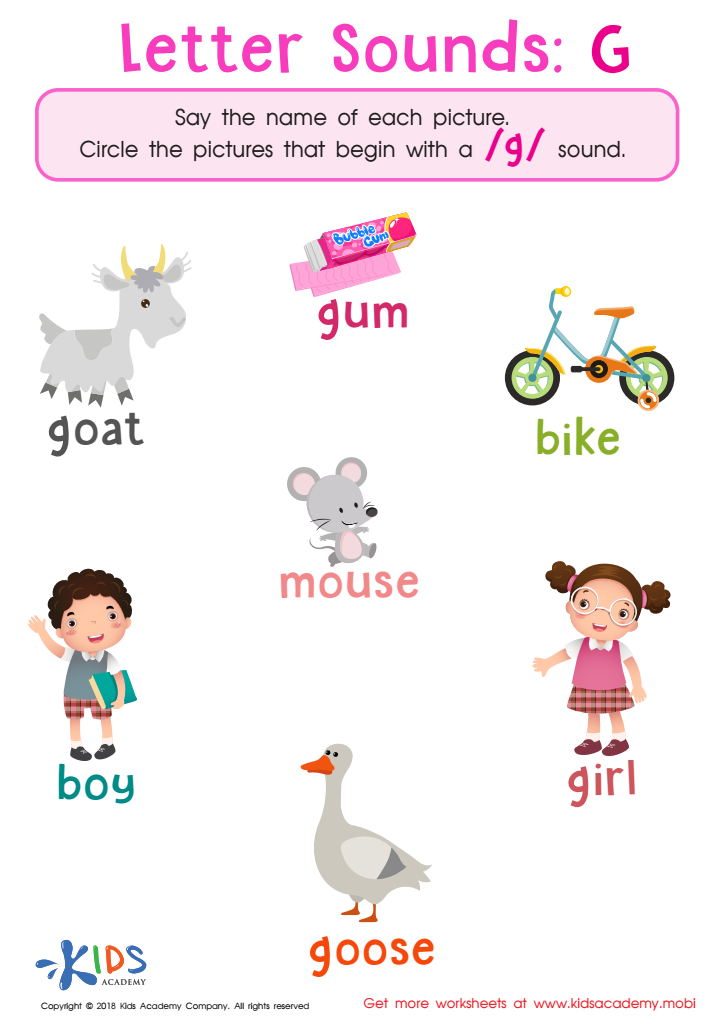
Letter G Sounds Worksheet
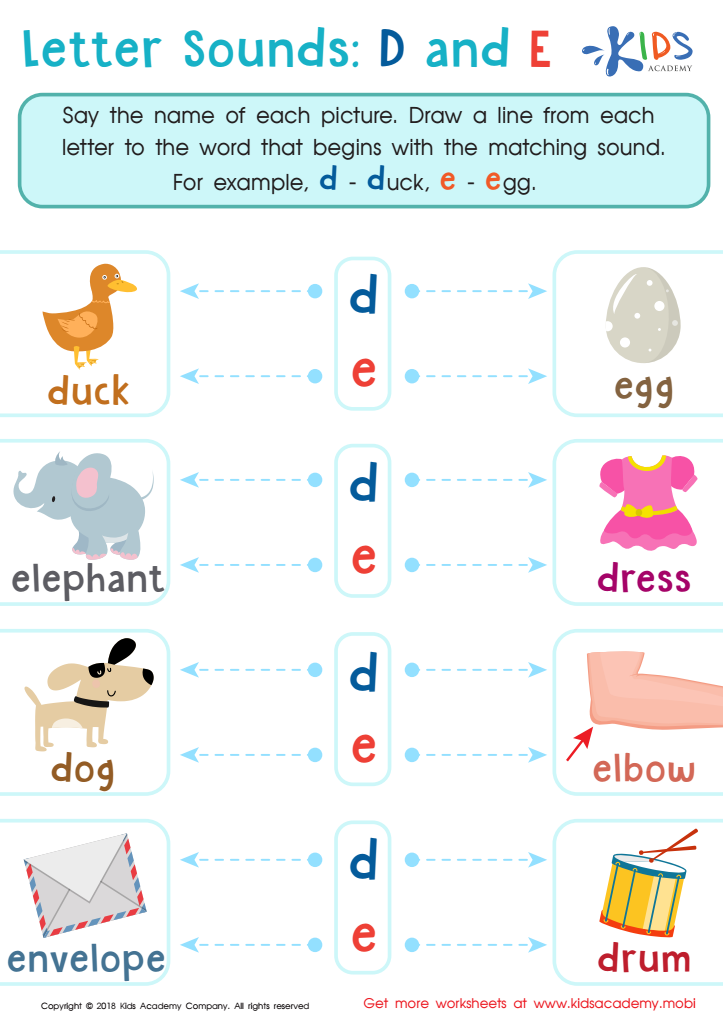
Letter D and E Sounds Worksheet


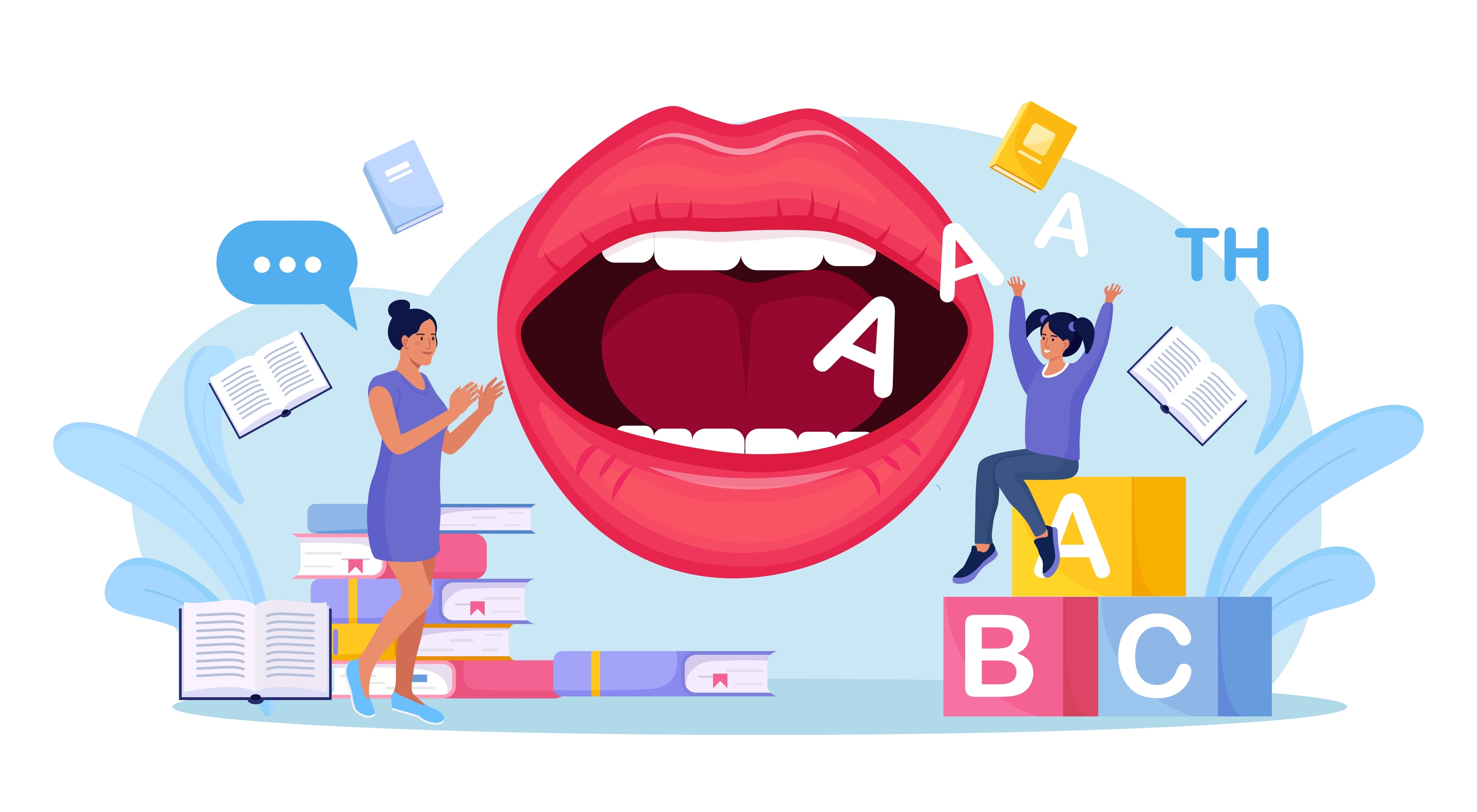



Sound Association Normal refers to the developmental milestone where young children aged 4-7 learn to connect sounds with corresponding letters and words. Parents and teachers should prioritize this skill because it serves as the foundation for literacy. By recognizing sounds and associating them with symbols, children enhance their phonemic awareness, which is crucial for reading proficiency.
Understanding sound-letter relationships helps children decode words, making reading more accessible and enjoyable. Early exposure to sound association leads to improved spelling and boosts overall communication skills. Furthermore, children who master this skill are more likely to develop a lifelong love for reading, which is essential for academic success.
Additionally, sound association plays a vital role in cognitive development. Engaging with sounds and letters sparks a child's curiosity and encourages critical thinking. Activities that promote sound association, like rhymes and songs, make learning fun and interactive.
Lastly, strong literacy skills can positively impact a child’s self-esteem and confidence. As they become proficient readers, they can express themselves better and engage more fully in their educational journeys. Therefore, caring about sound association not only fuels literacy but also enriches a child's overall learning experience.








