Cognitive Development Normal 2D Shapes Worksheets for Ages 4-7
5 filtered results
-
From - To
Discover our engaging Cognitive Development Normal 2D Shapes Worksheets designed for children ages 4 to 7. These expertly crafted worksheets boost essential early math skills while helping kids recognize, name, and explore various 2D shapes. Through fun exercises and interactive games, your little learners will develop critical thinking, spatial awareness, and problem-solving abilities. Ideal for both classroom settings and home learning, our resources promote hands-on learning and make mastering shapes enjoyable. Enhance your child's cognitive skills and confidence with our colorful, easy-to-use worksheets. Start their journey to shape mastery today with unlimited print options!
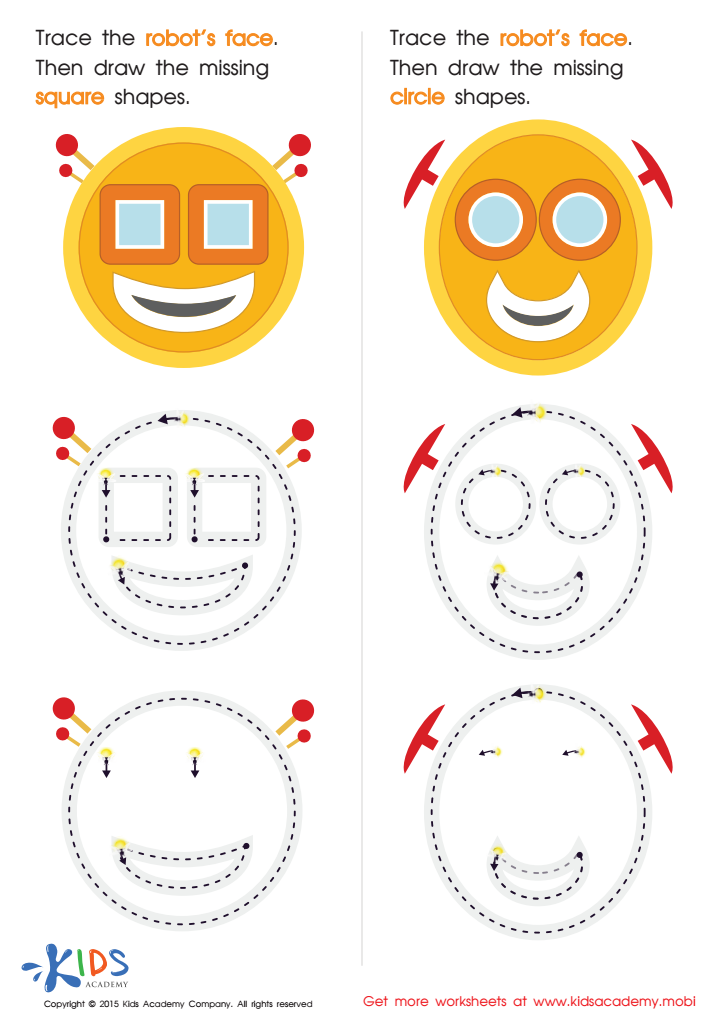
Practicing to Draw Circles And Squares Printable
 Assign to My Students


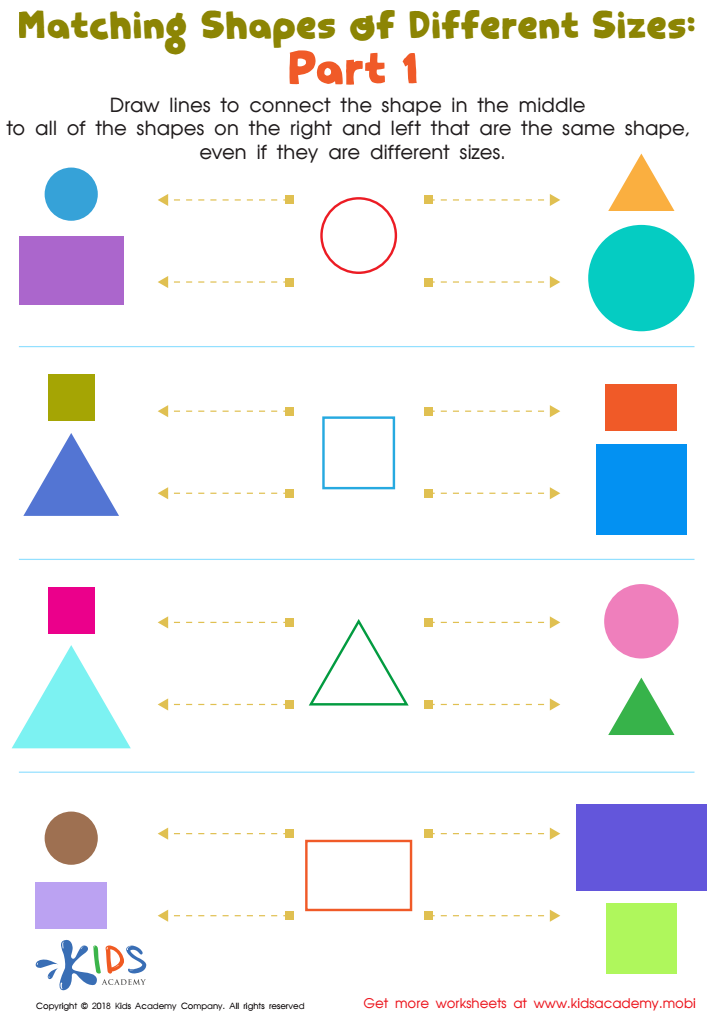
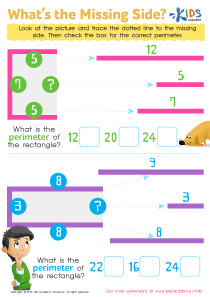
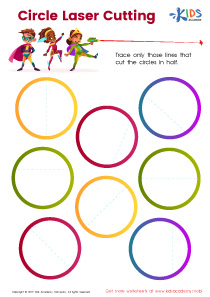
Geometry: part 1 Worksheet
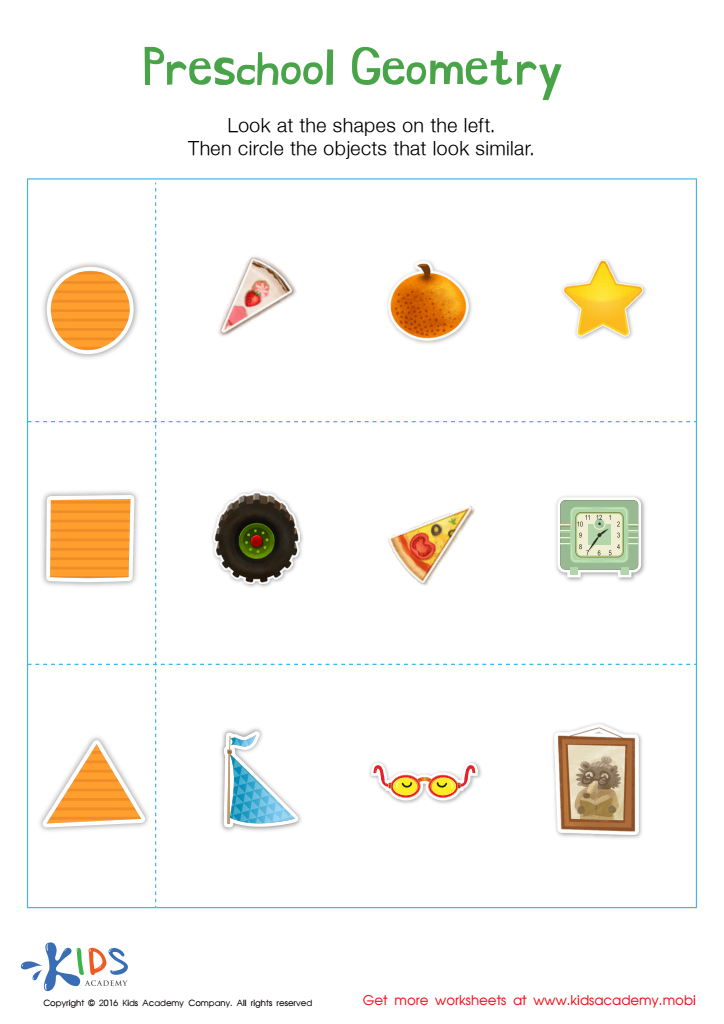
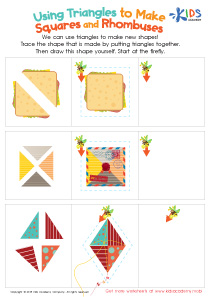
Preschool Geometry Match Up Worksheet
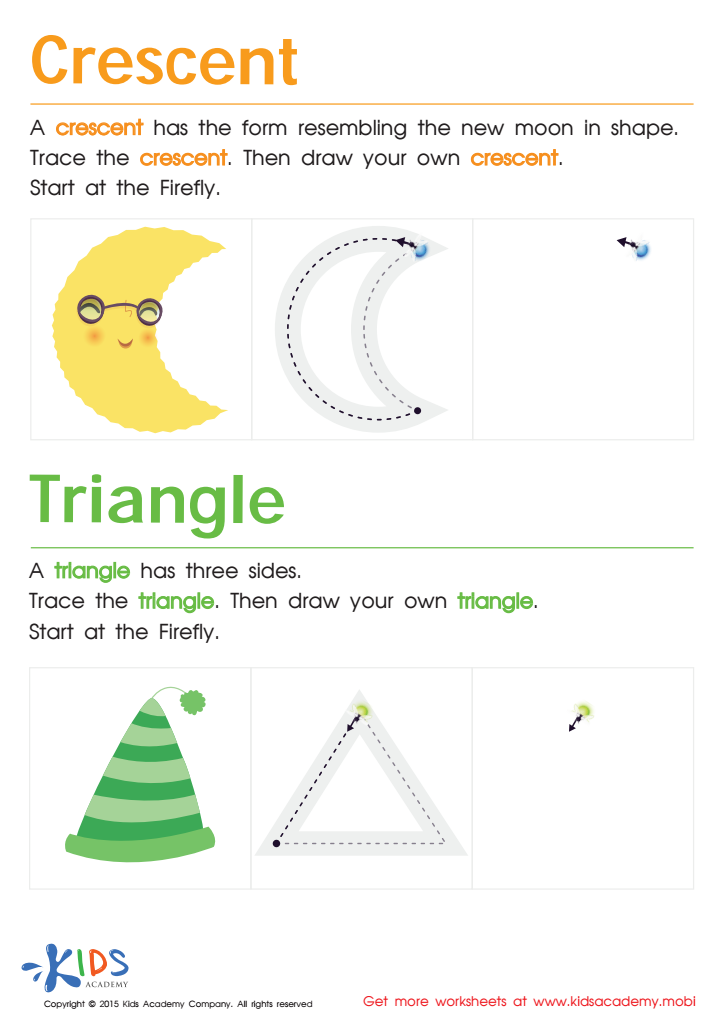
Learning to Draw Crescents And Triangles Worksheet
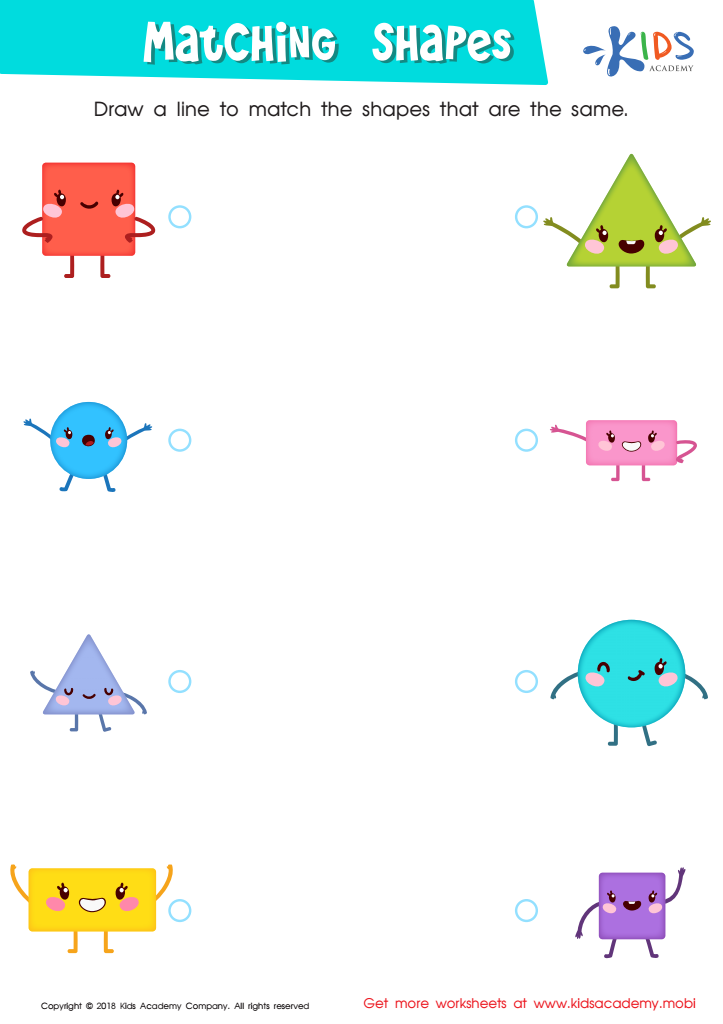
Matching Shapes Worksheet








Cognitive development in early childhood is crucial as it lays the foundation for future learning and problem-solving skills. Understanding 2D shapes is a key aspect of this process for children aged 4 to 7. At this stage, children begin to recognize, name, and manipulate shapes, which enhances their spatial reasoning and critical thinking abilities.
Parents and teachers should prioritize shape recognition because it is integral to various aspects of learning, including mathematics, art, and science. For instance, recognizing and differentiating between shapes helps children understand basic geometric concepts and provides tools for solving more complex math problems as they progress in school. Furthermore, engaging with shapes can improve fine motor skills through activities like cutting, drawing, or building.
Additionally, discussions about shapes foster vocabulary development and cognitive discourse, laying a crucial groundwork for future communication skills. Shape recognition activities can also promote creativity and imaginative thinking as children explore their surroundings through a geometric lens. By investing in their child's understanding of 2D shapes, parents and teachers not only support cognitive development but also aim to ensure a smooth transition into more complex academic subjects in later years.