Problem-Solving Skills Normal 2D Shapes Worksheets for Ages 4-7
5 filtered results
-
From - To
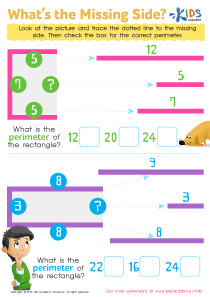
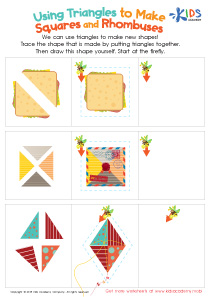
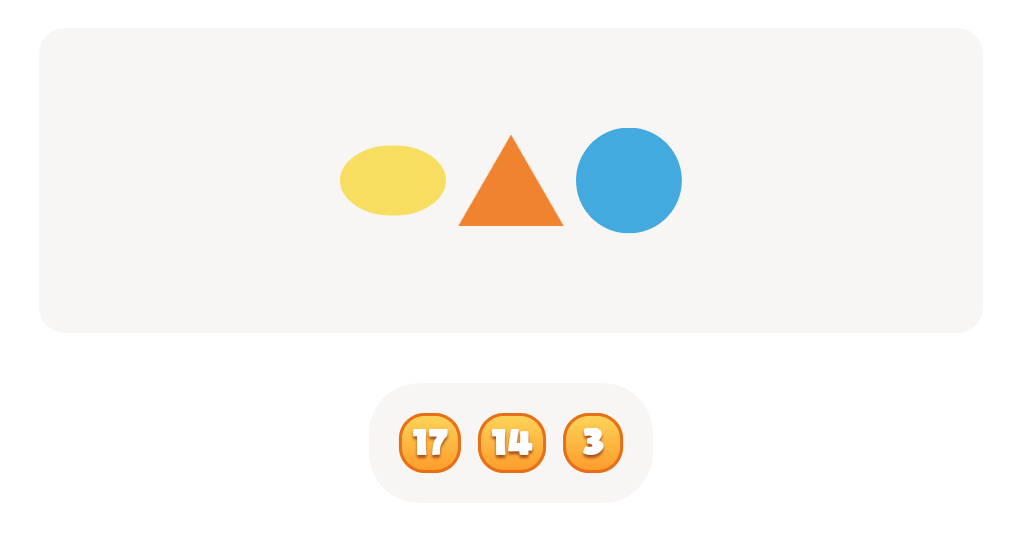
Enhance your child's problem-solving skills with our engaging Normal 2D Shapes Worksheets, designed for ages 4-7. These printable activities encourage young learners to explore and understand basic shapes through fun and interactive tasks. Each worksheet fosters critical thinking as children match, categorize, and manipulate shapes, developing essential math skills in a playful context. Ideal for home or classroom use, these worksheets inspire creativity while building a solid foundation in geometry. Watch your child gain confidence and excitement in learning as they solve problems and discover the colorful world of 2D shapes! Download now and enrich your educational journey!
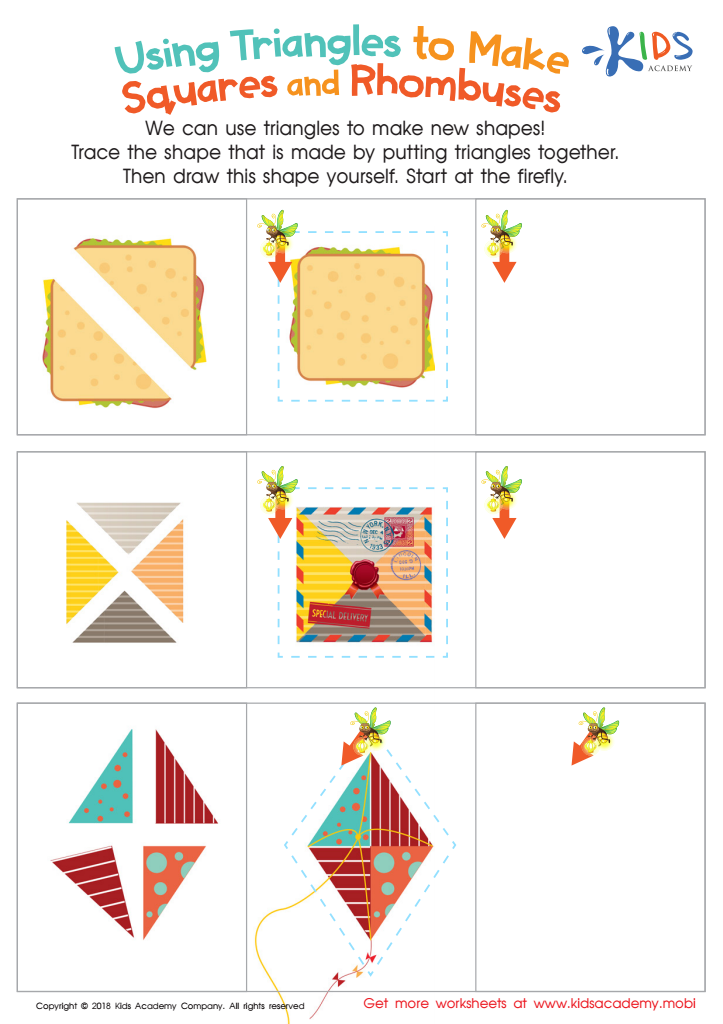
Using Triangles to Make Squares and Rhombuses Worksheet
 Assign to My Students









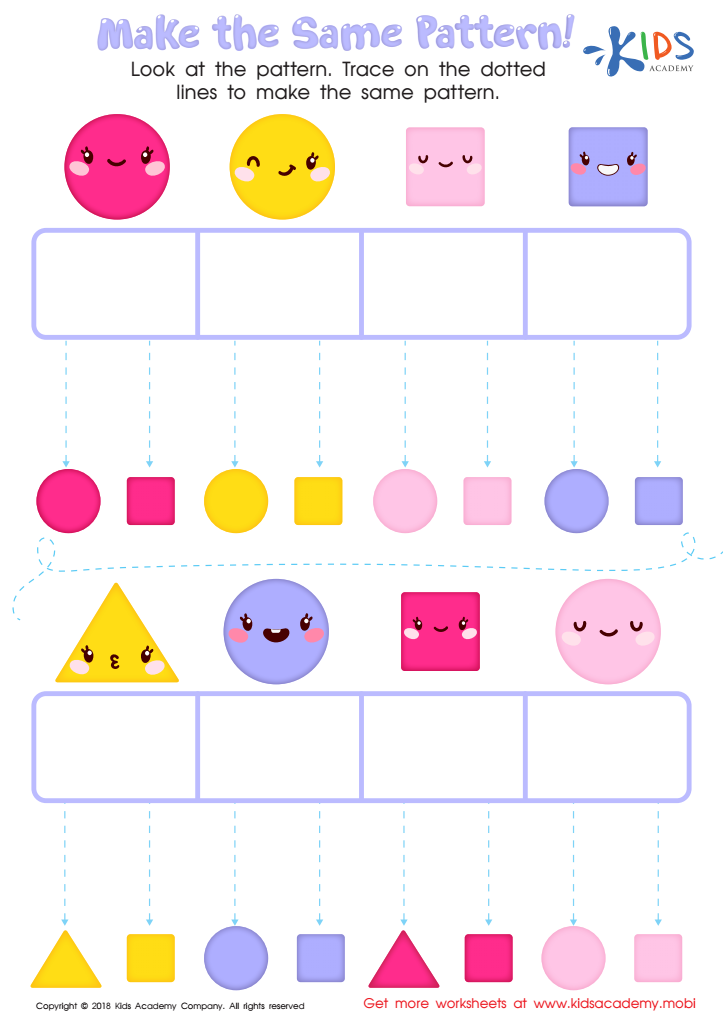
Make the Same Pattern Worksheet
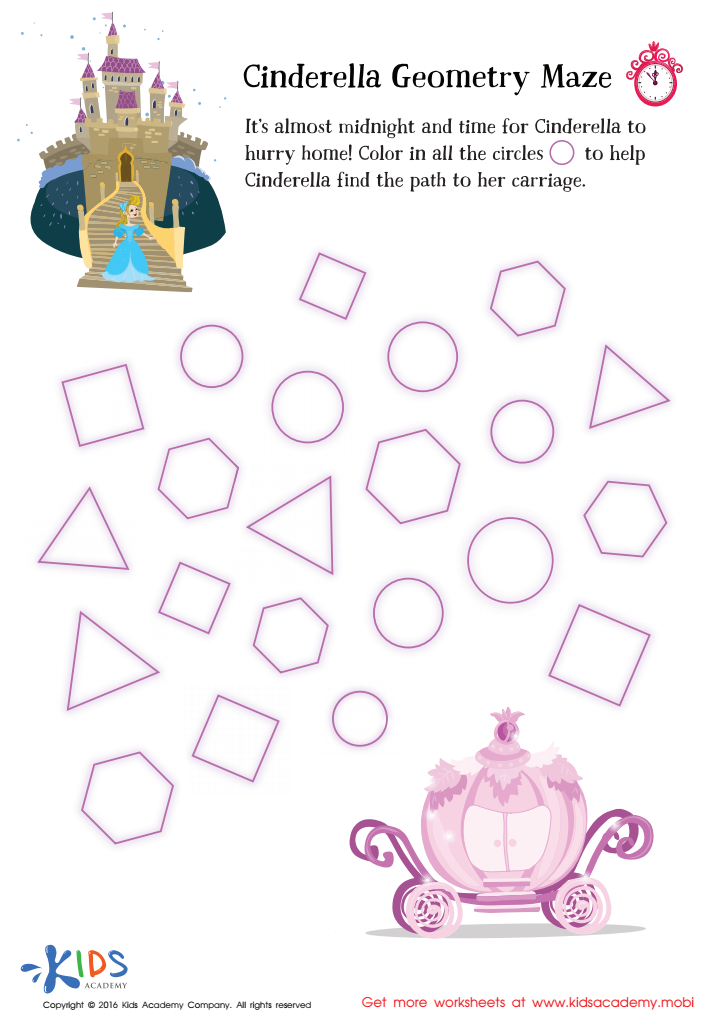
Cinderella Geometry Maze Worksheet
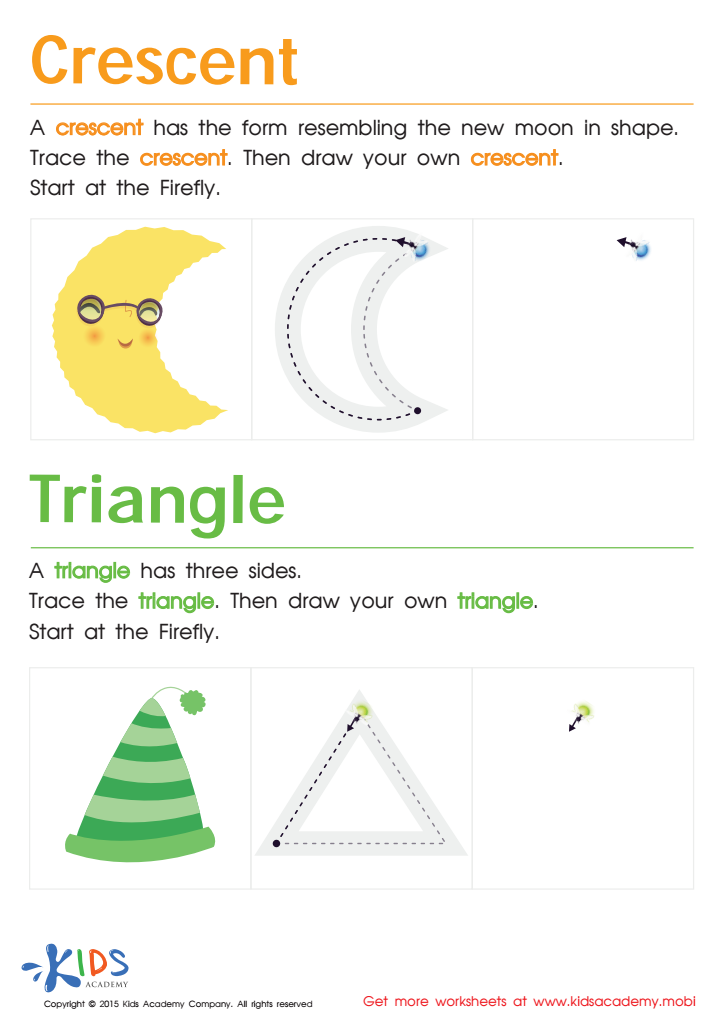
Learning to Draw Crescents And Triangles Worksheet
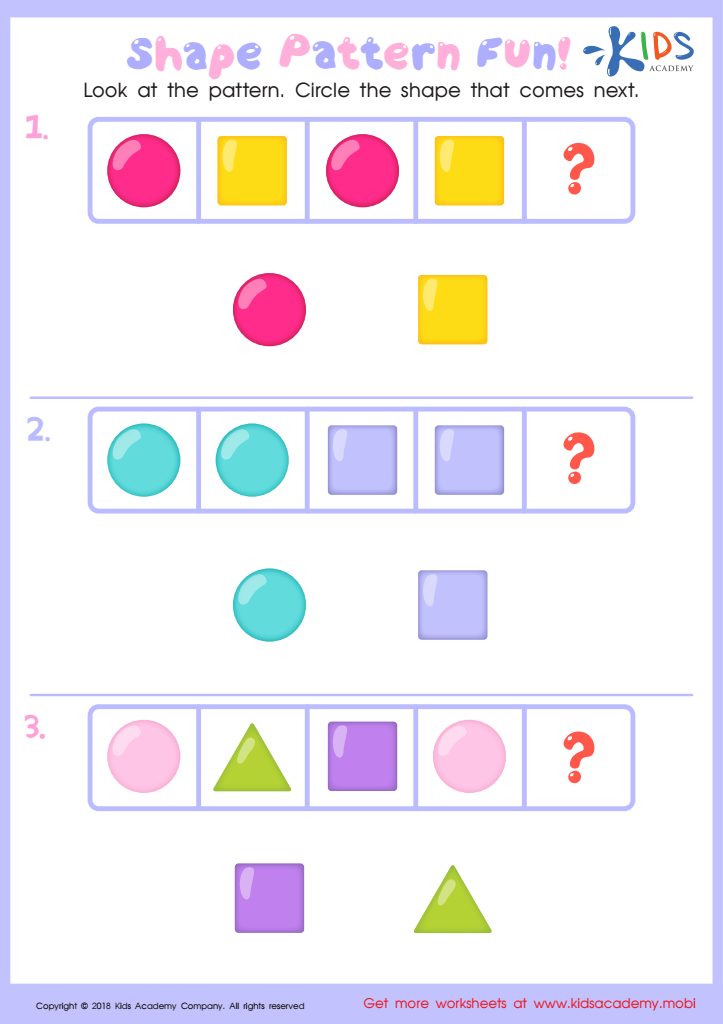
Shape Pattern Fun Worksheet








Problem-solving skills involving normal 2D shapes are crucial for children ages 4-7, as they engage young minds in critical thinking, reasoning, and the application of knowledge. At this developmental stage, children are naturally curious and begin to explore their environment more deeply. By introducing them to shapes and problem-solving related to these shapes, teachers and parents can foster cognitive abilities that support overall academic growth.
Understanding shapes helps build a foundation for geometry in later years and enhances spatial reasoning capabilities, which are essential in subjects like math, science, and even art. Engaging children in activities that require them to categorize, compare, and manipulate shapes encourages creativity and logical thinking. For example, asking children to identify shapes in their surroundings or solving simple puzzles that involve forming shapes can stimulate interest and enhance their problem-solving skills.
Moreover, these activities can develop patience and perseverance, valuable traits as children navigate challenges in school and life. Ultimately, fostering early problem-solving skills related to 2D shapes equips children with tools to approach various challenges effectively, laying the groundwork for future academic success and rational decision-making. This investment in their development is essential for their long-term growth and learning.