Logical thinking development Normal Math Worksheets for Ages 4-7
4 filtered results
-
From - To
Welcome to our "Logical Thinking Development Normal Math Worksheets" page, designed specifically for children aged 4-7. Our engaging and fun worksheets promote critical thinking and problem-solving skills, laying a strong foundation for your child's mathematical abilities. Each worksheet encourages kids to explore numbers, sequences, patterns, and simple reasoning through interactive activities. Whether at home or in the classroom, these resources are perfect for fostering young learners’ logical reasoning in an enjoyable way. Explore our collection and watch your child's confidence grow as they tackle challenges and develop essential math skills! Start their logical thinking journey today!
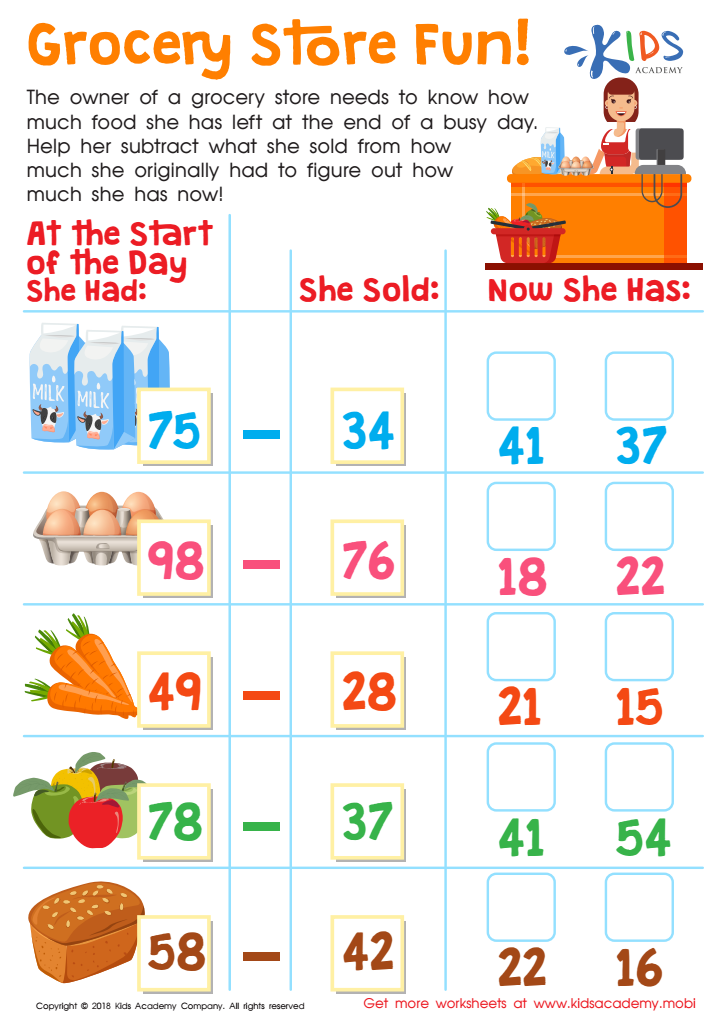
Grocery Store Fun! Worksheet
 Assign to My Students
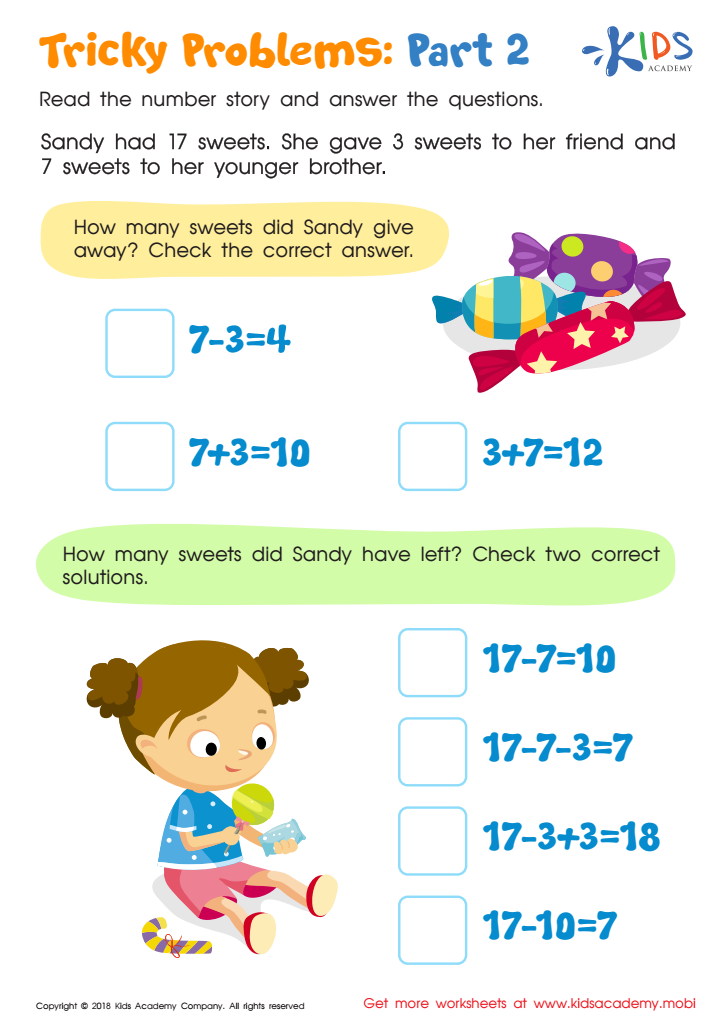
Tricky Problems Worksheet: Part 2
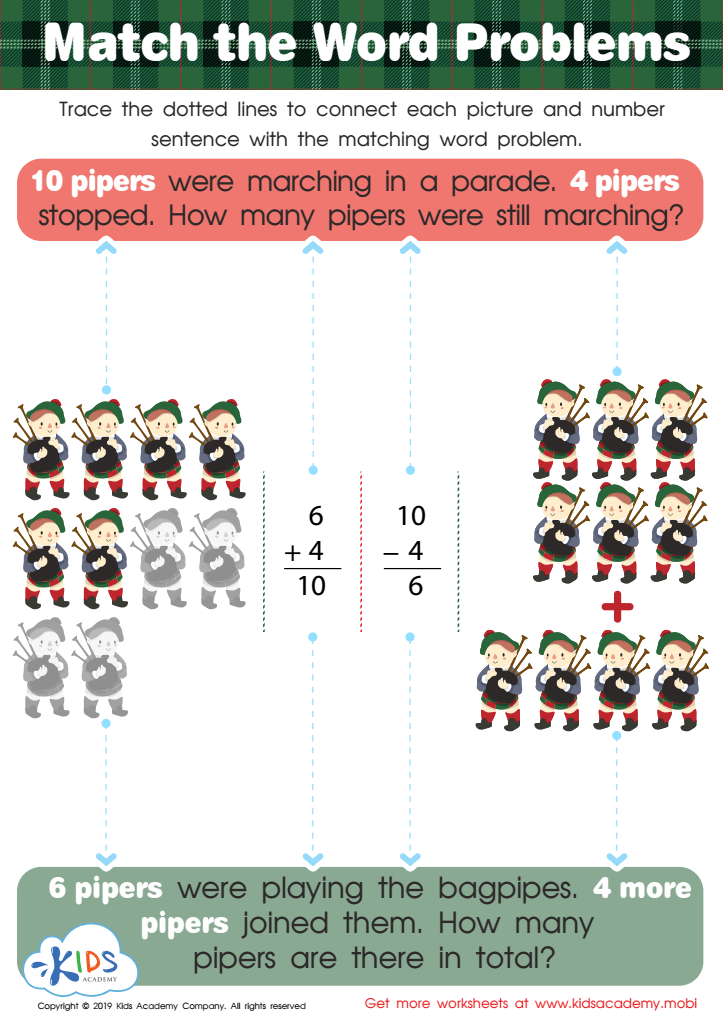
Match the Word Problems Worksheet
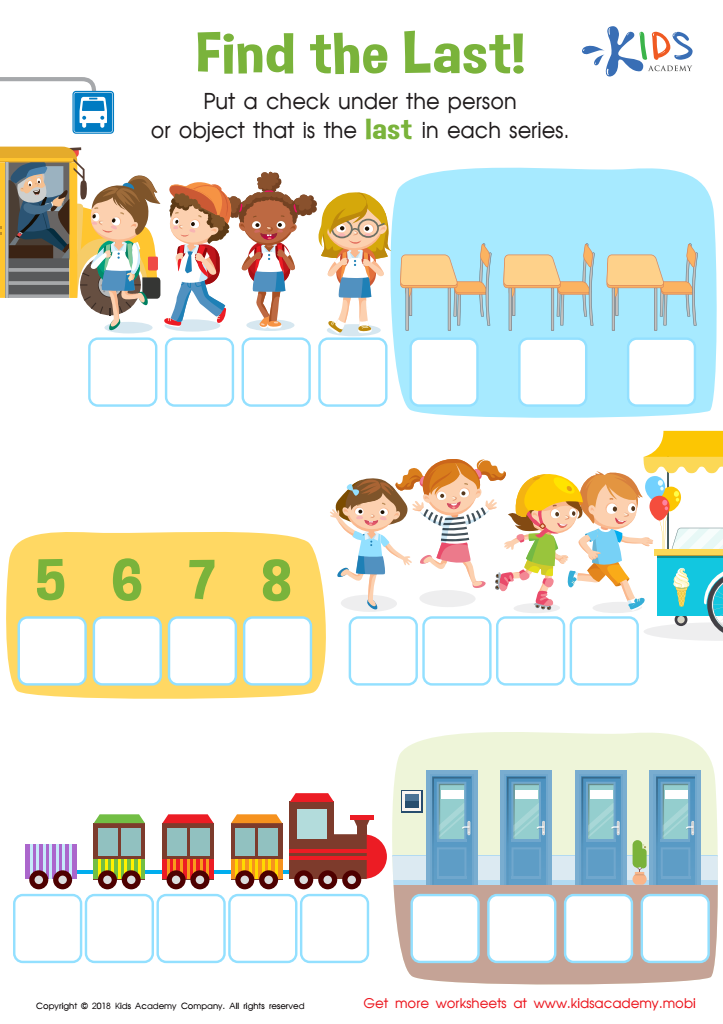
Find the Last! Worksheet






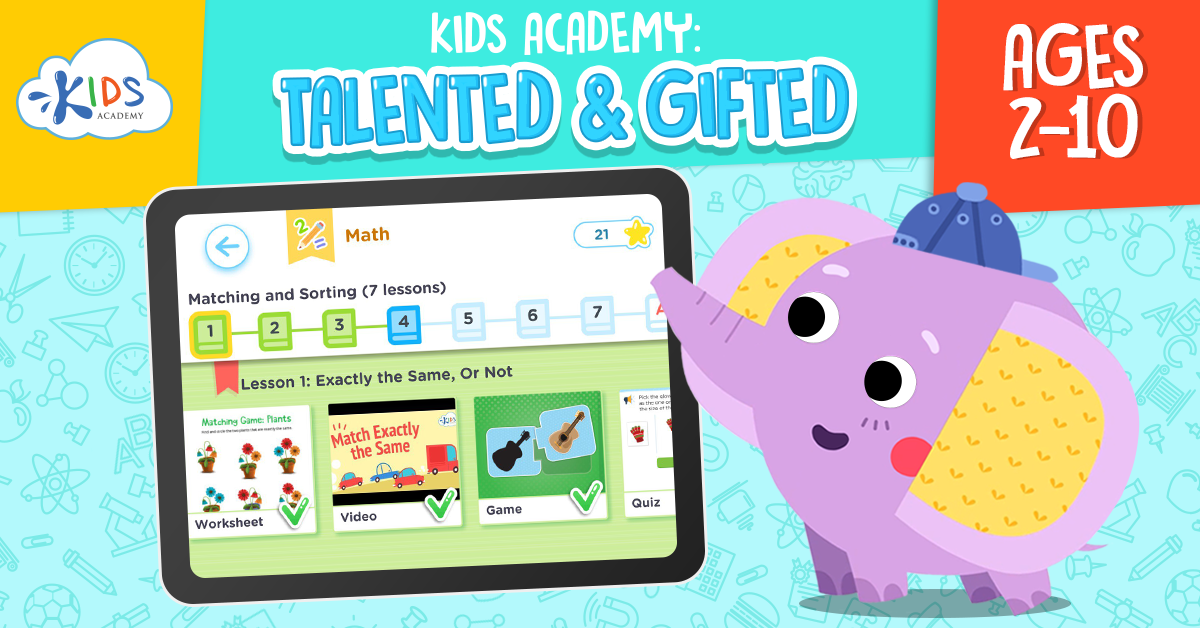

Parents and teachers play a crucial role in nurturing logical thinking and mathematical development in children aged 4-7, as these foundational skills pave the way for future learning. During this critical developmental stage, children's brains are highly receptive to learning how to think logically. This includes understanding patterns, categorizing objects, solving problems, and recognizing relationships between numbers.
By fostering logical thinking, parents and teachers help children develop critical cognitive skills that encourage exploration and reasoning. For instance, engaging students in games involving counting, sorting, and simple puzzles not only makes learning fun but also helps them grasp essential mathematical concepts. Moreover, developing these skills at a young age can boost children's confidence, leading to higher engagement in subsequent learning activities.
Additionally, the skills learned through logical thinking provide children with tools to navigate their academic journey effectively, equipping them for more complex mathematics in later years. This foundational capability supports academic success across subjects, enhancing overall problem-solving skills and logical reasoning.
Ultimately, nurturing logical thinking in early mathematics is vital as it sets the stage for lifelong learning and intellectual curiosity, paving the way for a smoother transition into advanced education. Investing time in these skills today fosters not only proficient thinkers but also confident learners.








