Vocabulary development Normal Math Worksheets for Ages 4-7
5 filtered results
-
From - To
Our Vocabulary Development Normal Math Worksheets for ages 4-7 are expertly designed to enhance young learners' mathematical vocabulary. Through engaging activities and colorful illustrations, these worksheets introduce foundational math terms and concepts, helping children build a strong linguistic foundation for future math success. The worksheets cover essential topics such as numbers, shapes, measurement, and patterns. They also emphasize the understanding and correct usage of math vocabulary within various contexts. Tailored to captivate and educate, our printable worksheets make learning math enjoyable, ensuring kids develop critical thinking and problem-solving skills while expanding their vocabulary.
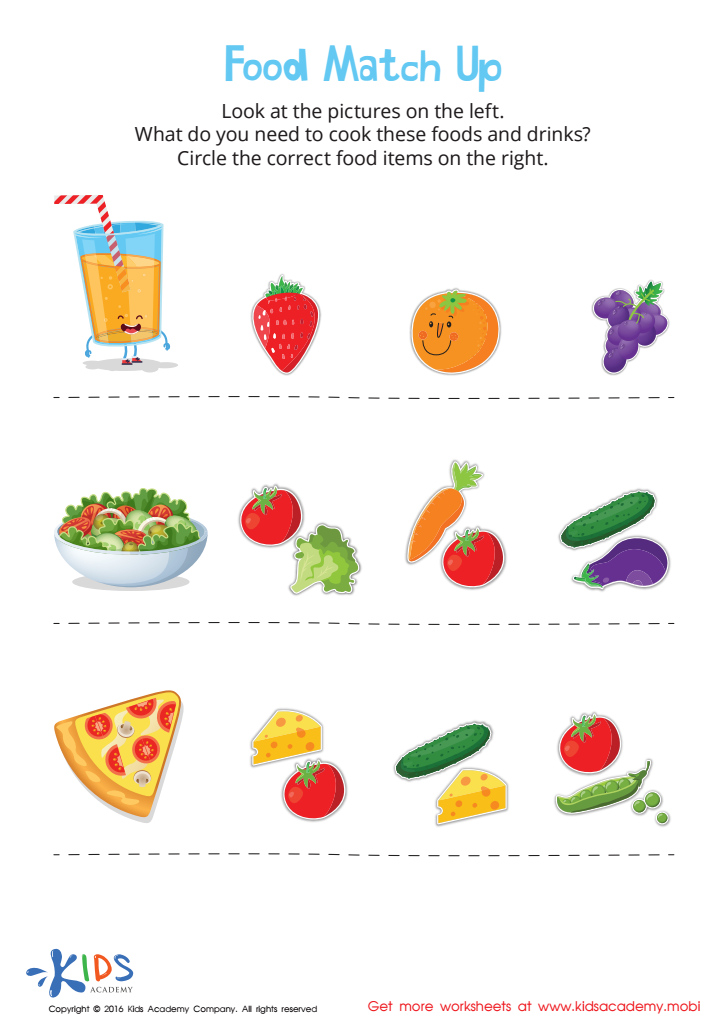
Food Match Up Worksheet
 Assign to My Students
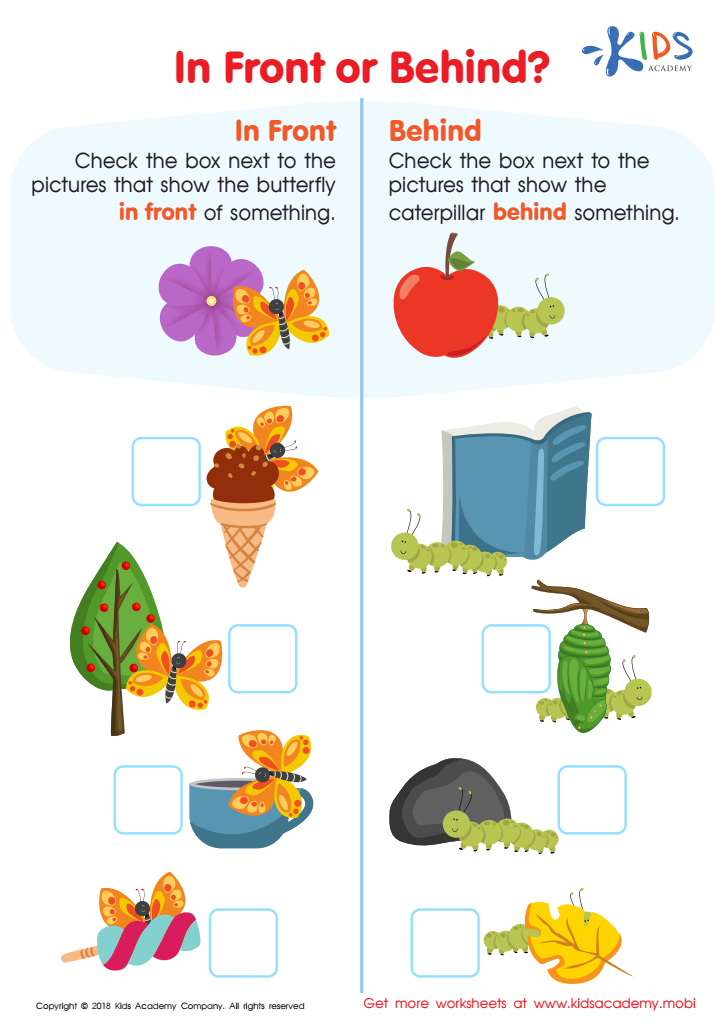
In Front or Behind Worksheet
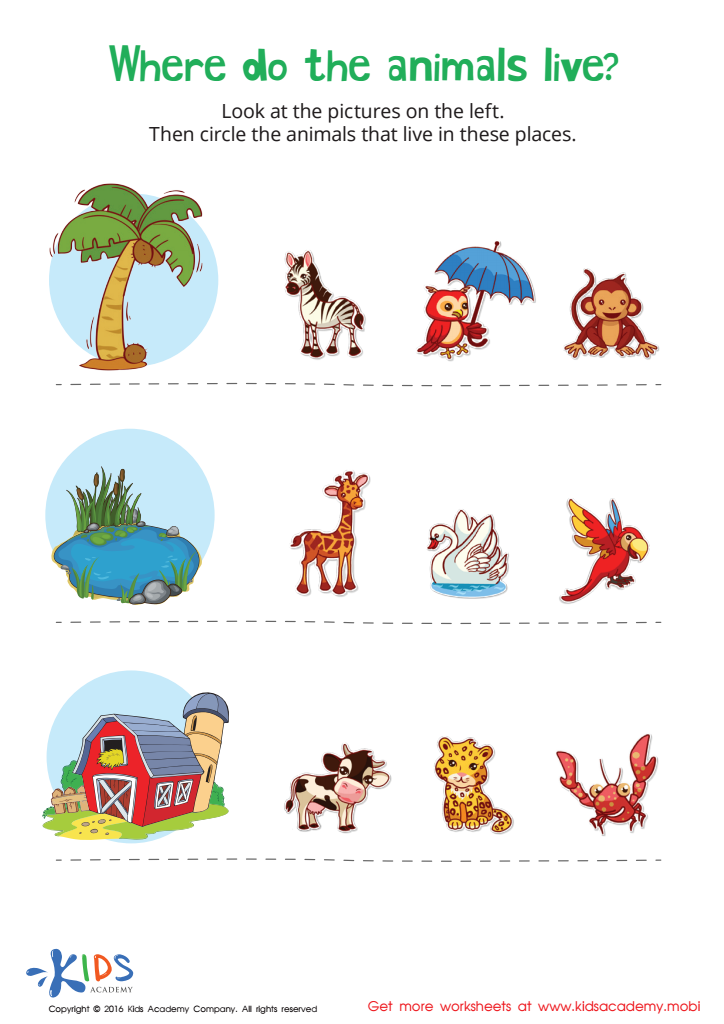
Where Animals Live Worksheet
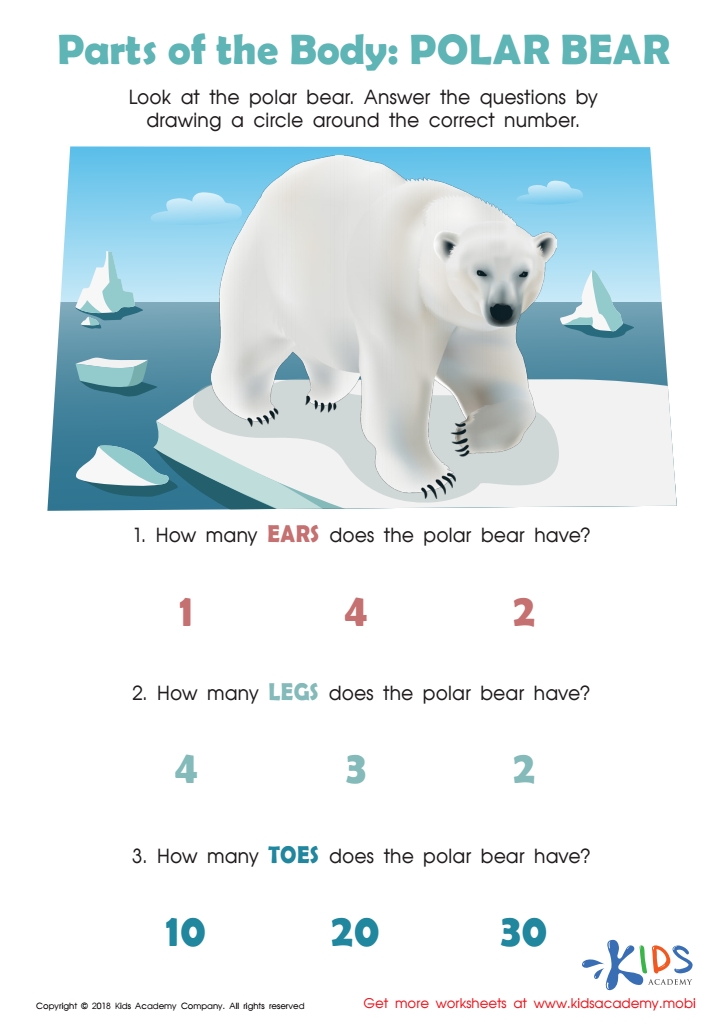
Parts of the Body: Polar Body Worksheet




.jpg)



Vocabulary development and normal math skills are crucial for children aged 4-7 as they serve as foundational building blocks for future academic success and cognitive development. At this formative stage, children are like sponges; their brains are highly receptive to new information. A robust vocabulary enhances their ability to understand and process complex texts, express themselves clearly, and engage more fully in social interactions. This vocabulary growth can lead to better reading comprehension, facilitating easier transitions in subjects as they progress in school.
Similarly, normal math competencies acquired between ages 4-7 form the bedrock of mathematical literacy. Basic math skills, like recognizing numbers, understanding quantities, and simple addition and subtraction, are essential for more complicated problems later in their educational journey. Engaging with math at an early age helps develop logical thinking, problem-solving skills, and even creativity.
Moreover, proficiency in both language and math nurtures a child’s confidence in their abilities, fostering a positive attitude towards learning and school. Parents and teachers play a crucial role by providing diverse, rich language and numeracy experiences. Encouraging curiosity, asking open-ended questions, and offering praise can make a world of difference in their enthusiasm and engagement. Overall, these skills set a solid foundation for academic achievement and lifelong learning.








