
Letter recognition Normal Reading Worksheets for Ages 4-7
6 filtered results
Difficulty Level
Grade
Age
-
From - To
Subject
Activity
Standards
Discover a vibrant collection of Letter Recognition Normal Reading Worksheets designed specifically for children aged 4-7! Our engaging activities aim to enhance early literacy skills by helping young learners identify and distinguish letters. Each worksheet is crafted to keep kids motivated and excited about learning, featuring colorful illustrations and interactive exercises. From tracing letters to matching games, these resources support children as they build a strong foundation in reading. Perfect for teachers and parents, our exercises cater to various learning styles, ensuring fun and effective learning experiences. Let’s embark on a joyful reading journey together with our thoughtfully designed worksheets!
Favorites
With answer key
Interactive
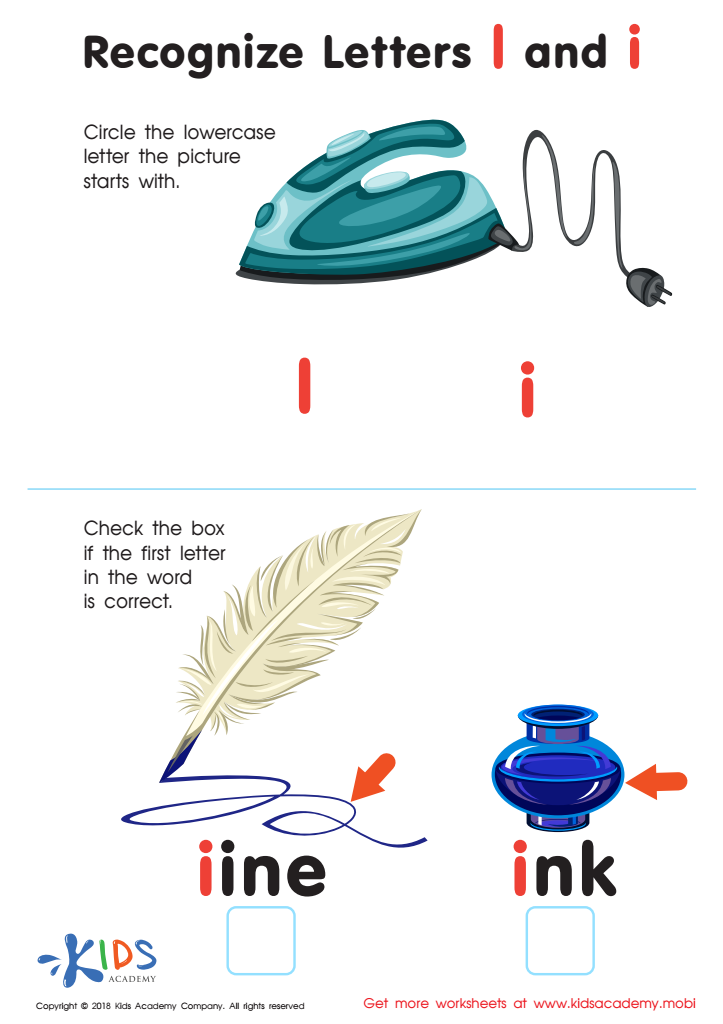
Recognize Letters l and i Worksheet
Help your child become familiar with uppercase and lowercase letters. Have them look at the pictures in the worksheet and circle the lowercase letter the picture starts with. For example: which one is the lowercase "i", the capital "I" or the small "i"?
Recognize Letters l and i Worksheet
Worksheet
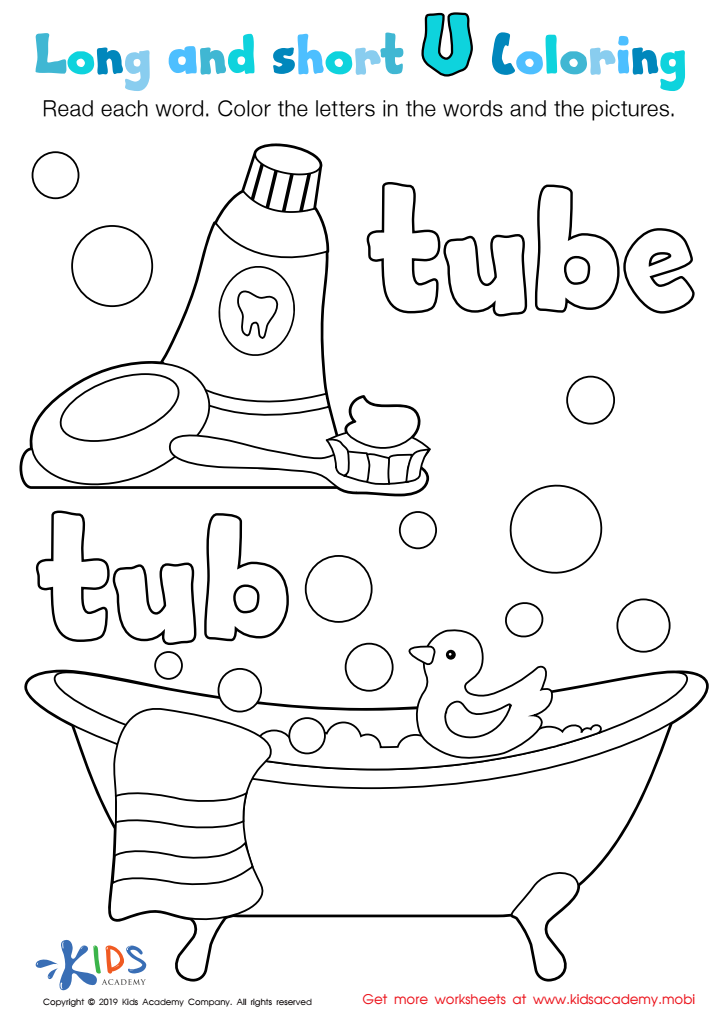
Long and Short U Worksheet
Revised: Spice up your lesson on long and short vowels with this fun printout! Kids read the words "tube" and "tub," then reinforce the sound by coloring in the words and pictures. It's a great way to make phonics class enjoyable!
Download (PDF)
 Assign to My Students
Assign to My Students
Long and Short U Worksheet
Worksheet
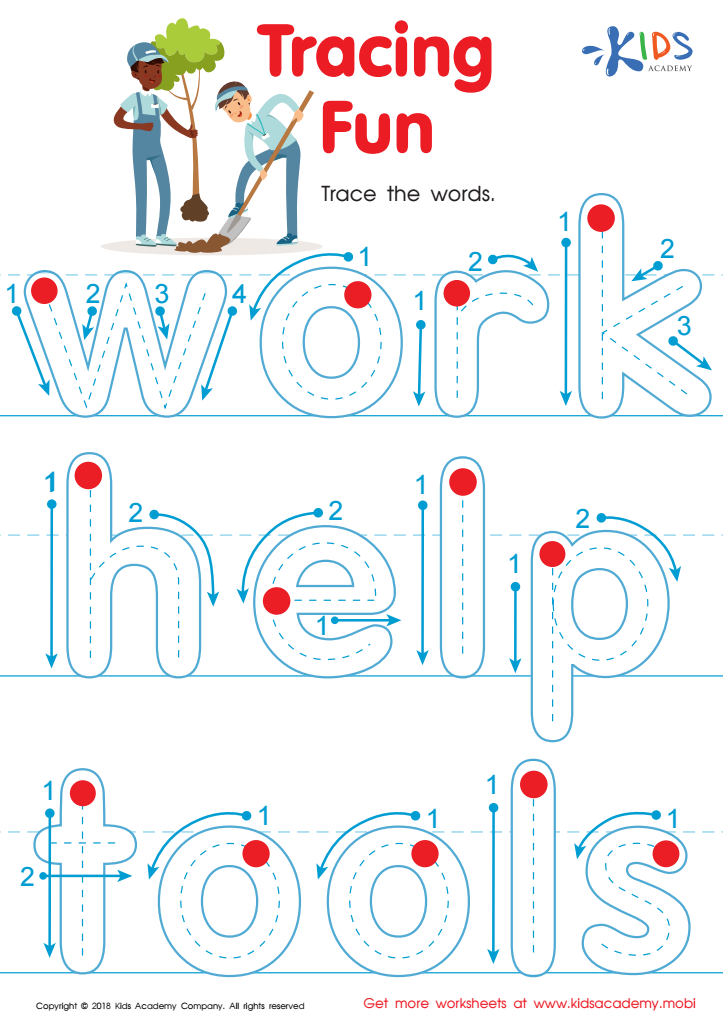
Tracing Fun Worksheet
Believe it or not, good handwriting helps with reading! Starting at the top left and writing legibly builds reading skills. This free worksheet helps little learners practice basic sight words. Red dots show them where to start and the words provide reinforcement without them realising. An enjoyable way to boost their reading and writing.
Tracing Fun Worksheet
Worksheet
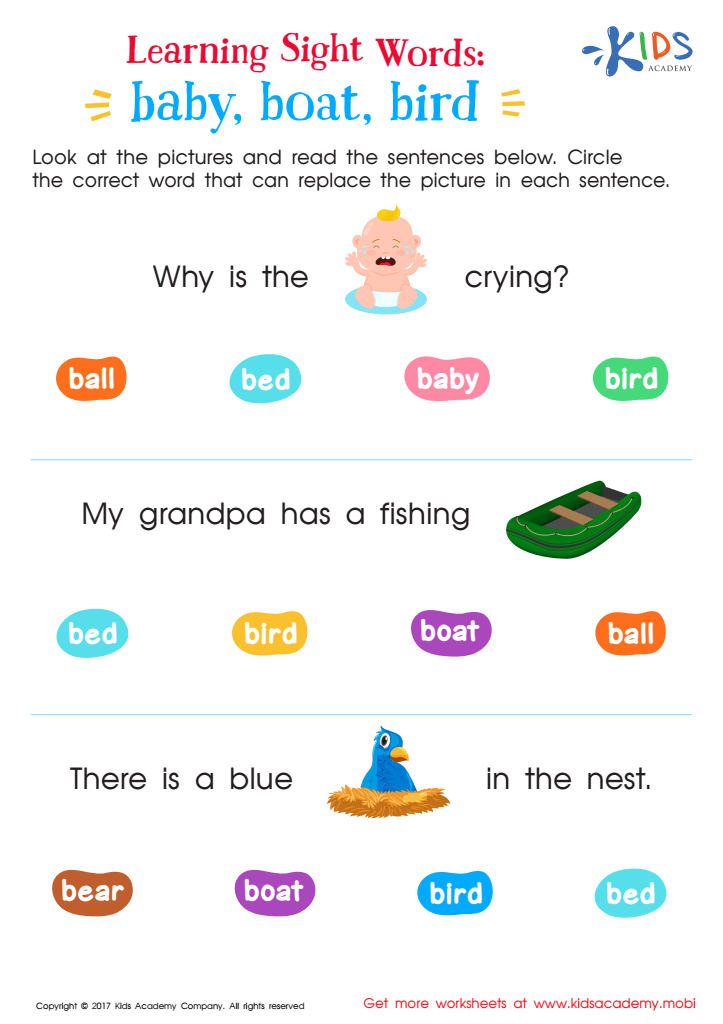
Baby, Boat, Bird Worksheet Sight Words Worksheet
Sight words are an essential part of fluency; help kids build it by writing and reading them. This worksheet is a great way to start.
Baby, Boat, Bird Worksheet Sight Words Worksheet
Worksheet
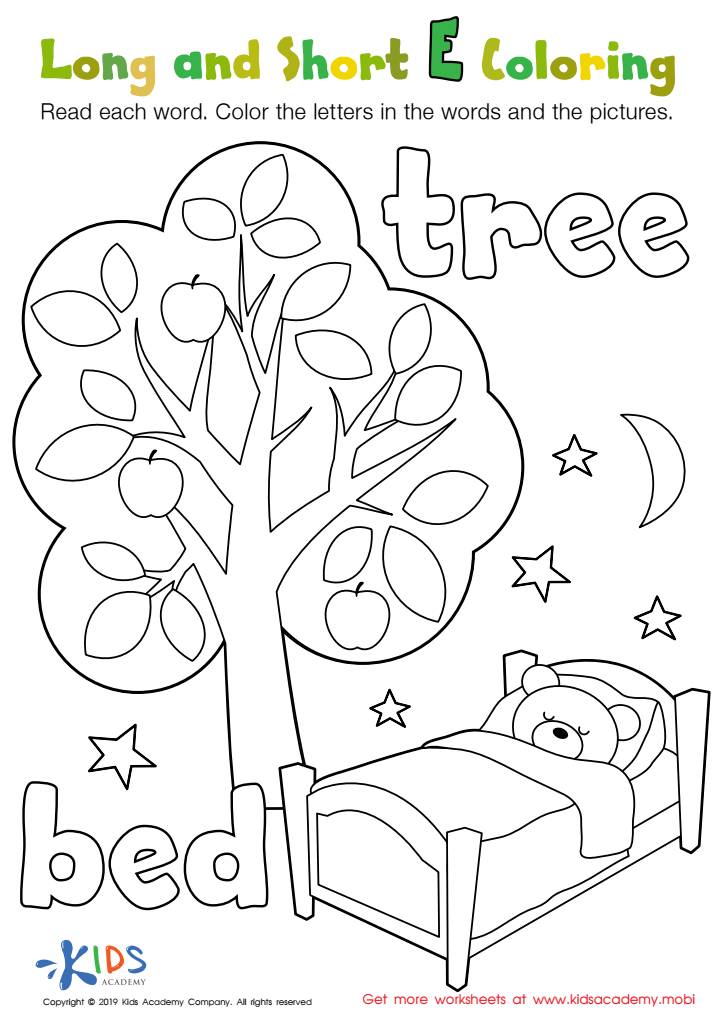
Long and Short E Worksheet
This fun printout makes learning phonics enjoyable for Grade 3 students. Get them to read the words “tree” and “bed” to recognize the different sounds of the letter “E”. After hearing the words they can color the words and the pictures to understand differences between long and short vowels.
Download (PDF)
Assign to My Students
Assign to My Students
Long and Short E Worksheet
Worksheet
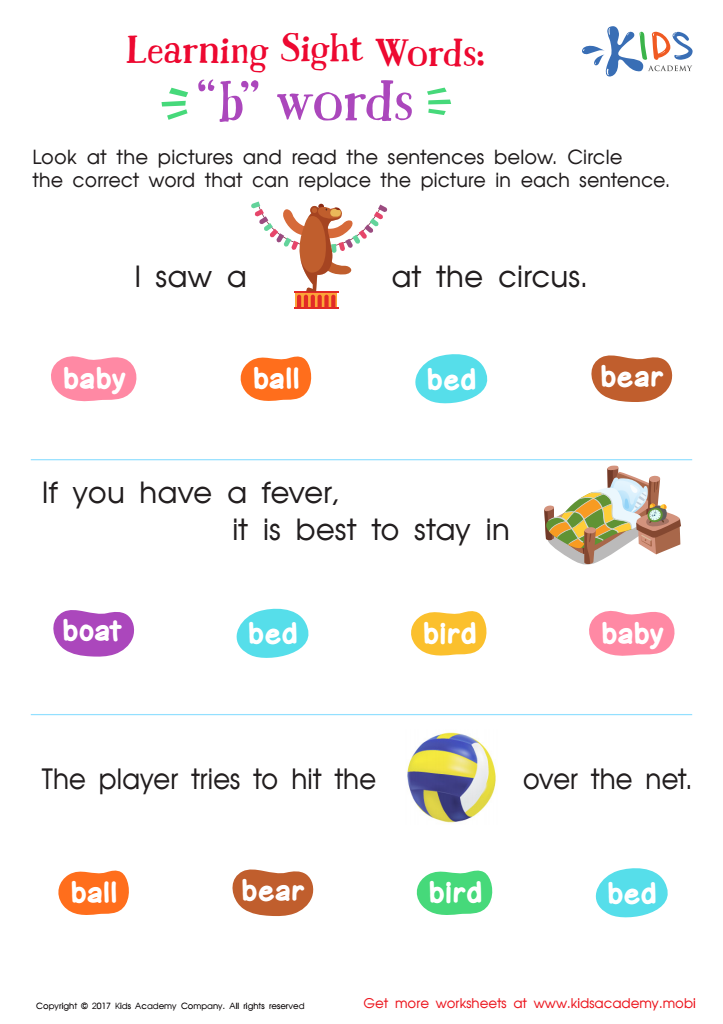
"B" Words Printable Sight Words Worksheet
Kids will learn sight words quickly with this fun worksheet! "B" Words offers guided practice with simple sentences and pictures. Build your child's reading confidence with this helpful worksheet and watch them become a master!
"B" Words Printable Sight Words Worksheet
Worksheet
Join Kids Academy for Free
Who is primarily going to use this learning content?








Letter recognition is a foundational skill for reading and literacy that is crucial for children aged 4-7. During these formative years, children develop the basic comprehension skills that will support their educational journey. Parents and teachers should prioritize letter recognition because it directly impacts a child’s ability to decode words, understand phonics, and build vocabulary.
Starting with letter recognition helps children become familiar with the alphabet, enabling them to identify letters in various contexts, whether in books, on signs, or in their environment. Recognizing letters leads to greater phonemic awareness—the ability to hear, identify, and manipulate sounds—which is essential for reading proficiency.
Moreover, early mastery of letter recognition can boost a child's confidence and motivation as they begin to read simple texts independently, fostering a love for reading. This not only enhances their language skills but also supports cognitive development, social skills, and emotional growth.
As partners in a child’s education, parents and teachers play a vital role in creating a nurturing environment that emphasizes the joy of learning letters. Engaging children in fun activities, such as games, songs, and interactive reading, can make letter recognition an enjoyable experience, paving the way for future academic success.








