
Vocabulary enhancement Normal Reading Fiction Worksheets for Ages 4-7
13 filtered results
Difficulty Level
Grade
Age
-
From - To
Subject
Activity
Standards
Enhance your child's vocabulary with our engaging Normal Reading Fiction Worksheets tailored for ages 4-7! Designed specifically to ignite a love for learning, these worksheets introduce young readers to new words in a fun, interactive way. Each worksheet features captivating stories, illustrations, and exercises that promote vocabulary development through context. Kids will enjoy exploring language while improving reading comprehension and retention skills. Perfect for use at home or in the classroom, our worksheets help establish a strong linguistic foundation for lifelong communication skills. Foster a passion for reading and empower your child’s educational journey with our specially crafted resources today!
Favorites
With answer key
Interactive
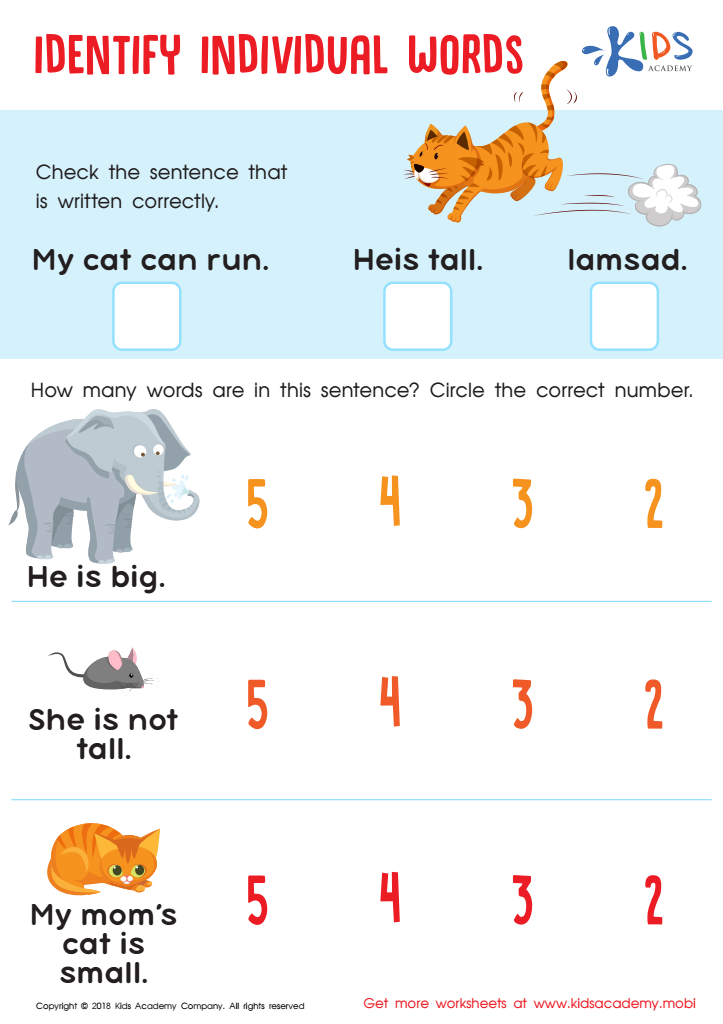
Identify Individual Words Worksheet
Does your child have trouble constructing sentences? Check out this worksheet! It will help them identify words that make up sentences and assess how well they can read and answer questions. The first part tests how well they can recognize a written sentence. The second part has them read questions and circle the correct number of words. Give it a try!
 Assign to My Students
Identify Individual Words Worksheet
Worksheet
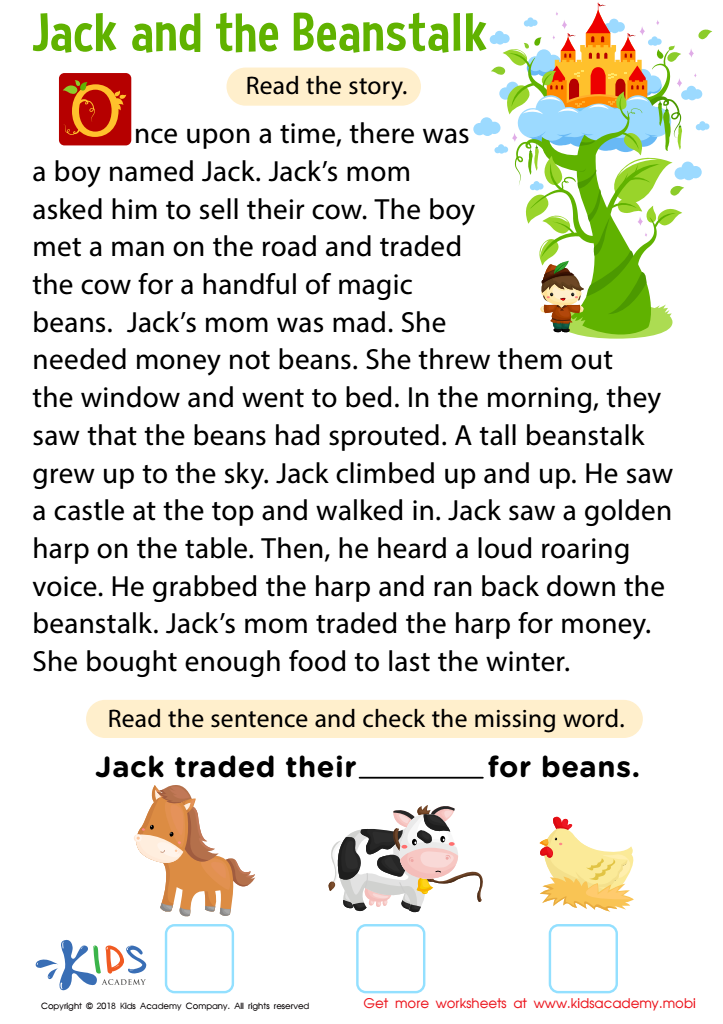
Jack and Beanstalk Worksheet
Story time can be a fun and educational experience for your kids. Read them the classic Jack and the Beanstalk - and even read it twice to help them pay attention. Afterwards, help them fill in the blank on the worksheet to expand their vocabulary and learn more from the story.
Jack and Beanstalk Worksheet
Worksheet
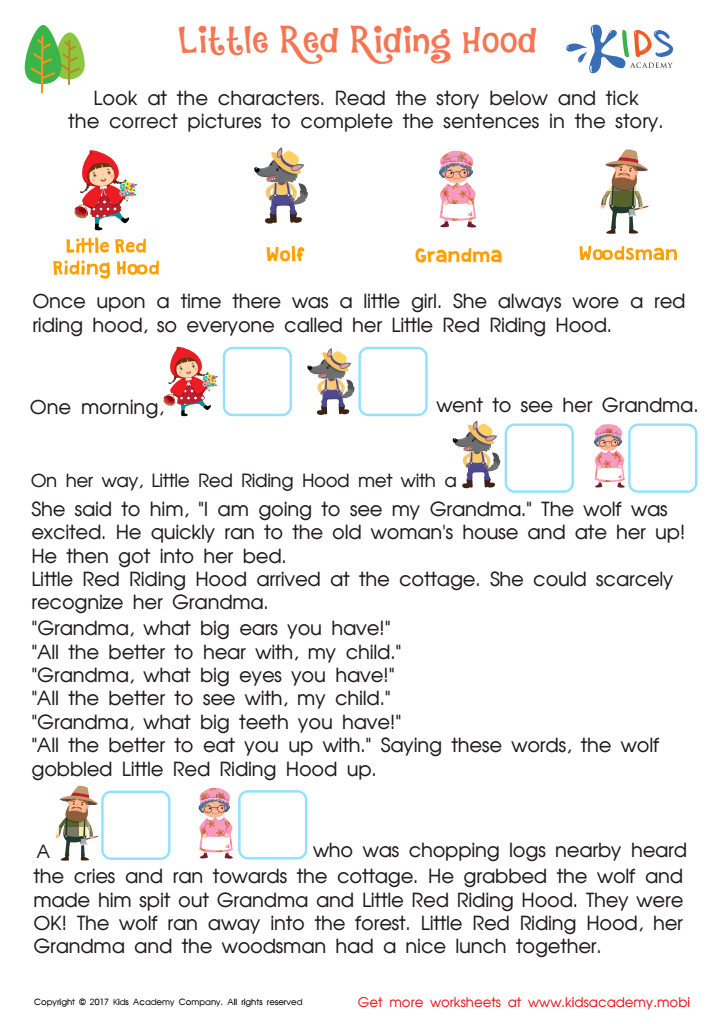
Little Red Riding Hood Printable
Give them this worksheet to practice.
Help your child strengthen their reading skills with this worksheet. It asks them to read Little Red Riding Hood and fill in the missing words using context clues from the text. Encourage your child to look at the surrounding words to determine the answer and get the best results!
Little Red Riding Hood Printable
Worksheet
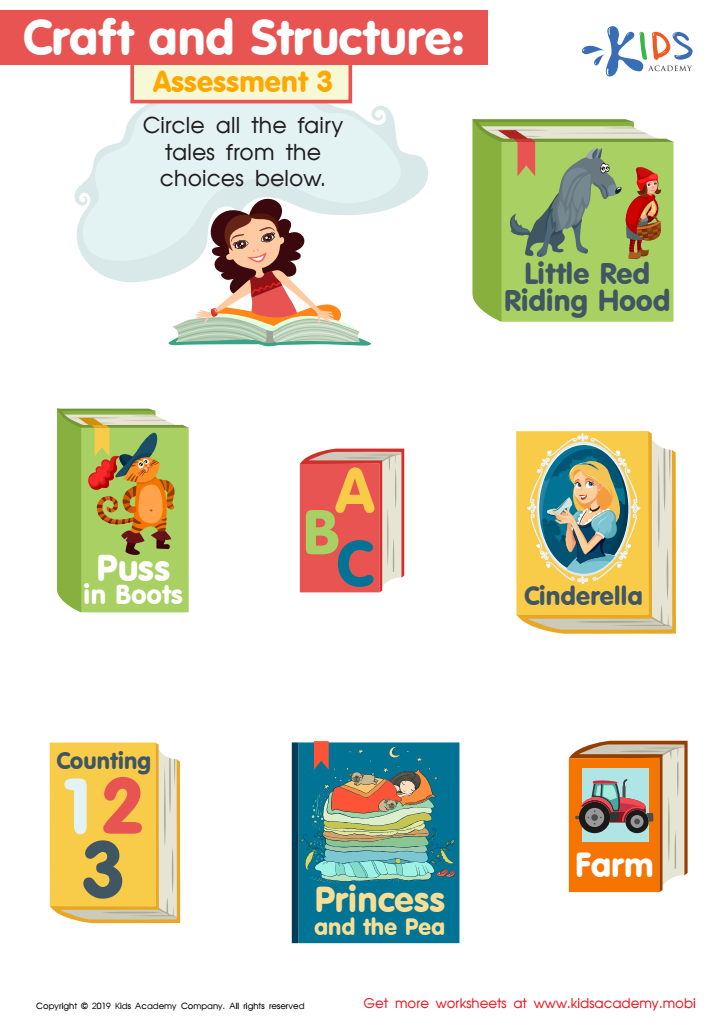
Craft and Structure: Assessment 3 Worksheet
Before starting the worksheet, ask your kids to recall their favorite bedtime stories. What characters and events can they remember? Four popular children's stories are hidden among pictures of other objects - help them search and circle the fairy tales in this PDF.
Craft and Structure: Assessment 3 Worksheet
Worksheet
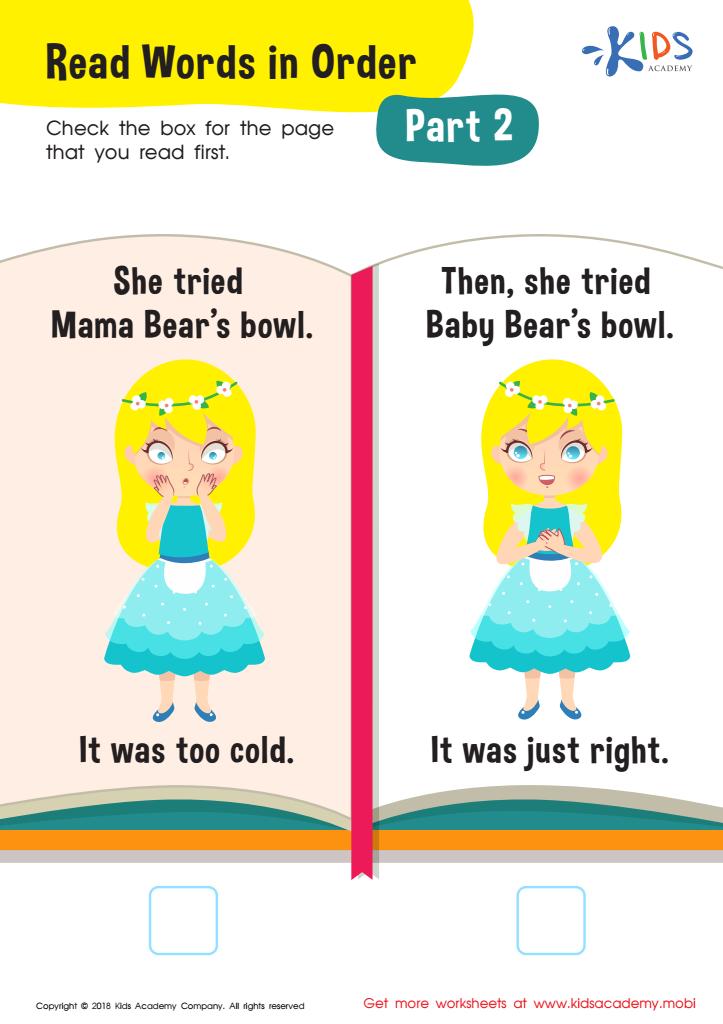
Read Words Order Part 2 Worksheet
Help your students make progress with reading by using this easy worksheet. It includes two pictures with short sentences your child should be able to read. Ask them to read these out loud, and if they're struggling, help them. Then, they should check the box that shows the page they'd read first.
Read Words Order Part 2 Worksheet
Worksheet
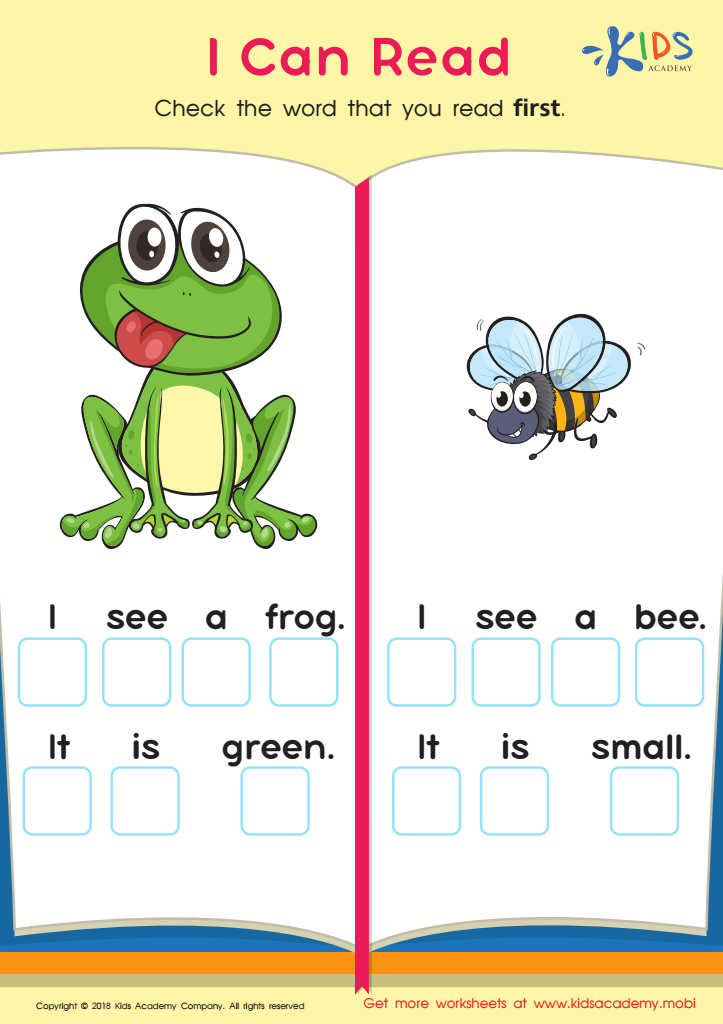
I Can Read Worksheet
Test your child's reading skills with this fun worksheet. See how well they know one-letter, two-letter, and five-letter words. Ask your little one to read the sentences and tick the word they identify first. It's a great way to track their progress and help them become more confident readers.
I Can Read Worksheet
Worksheet
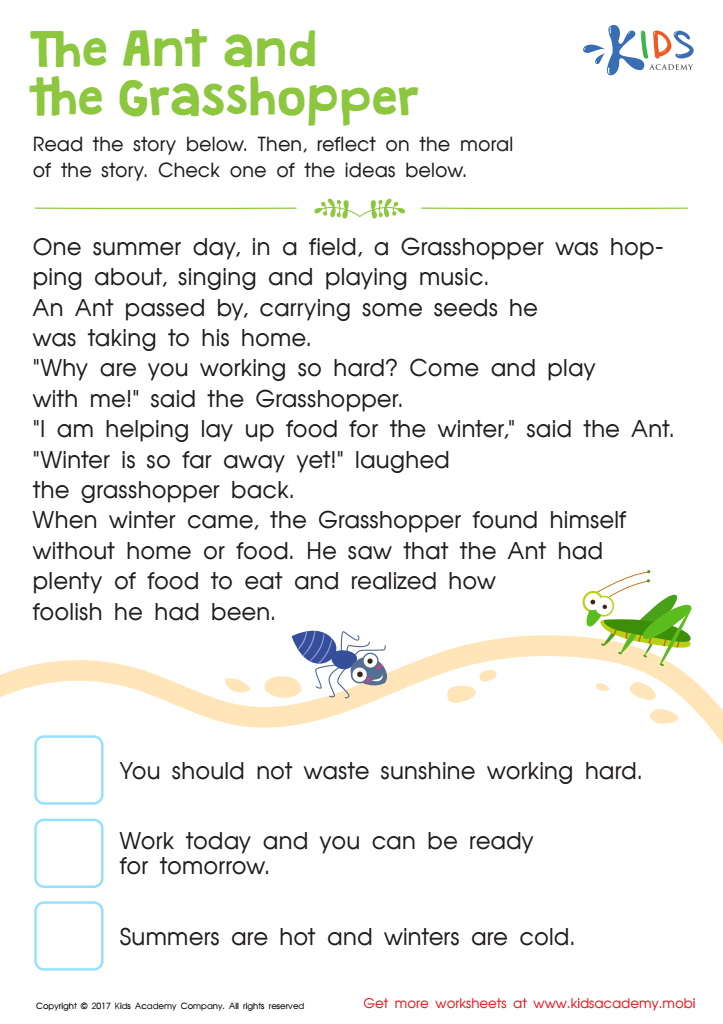
The Ant and The Grasshopper Printable
Aesop's fables have clear messages, which make them memorable and loved by children and adults. Use Kids Academy's ant and grasshopper worksheet to help your child reflect on stories and discover the life lesson.
The Ant and The Grasshopper Printable
Worksheet
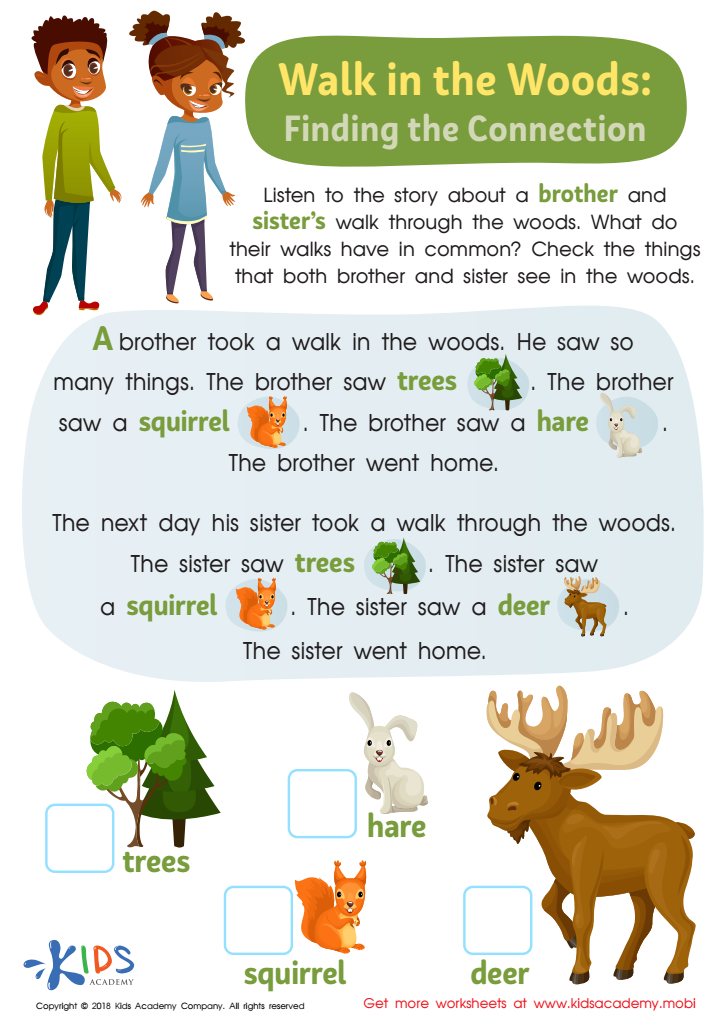
Walk In the Woods: Finding Connections Worksheet
Brother and sister took a walk in the woods to connect with nature and get some exercise. As they went, they noted different things like birds and plants, which they share in this story. Read it to your little ones, and help them check off the items the two saw. It's a great way to learn about nature and enjoy the outdoors.
Walk In the Woods: Finding Connections Worksheet
Worksheet
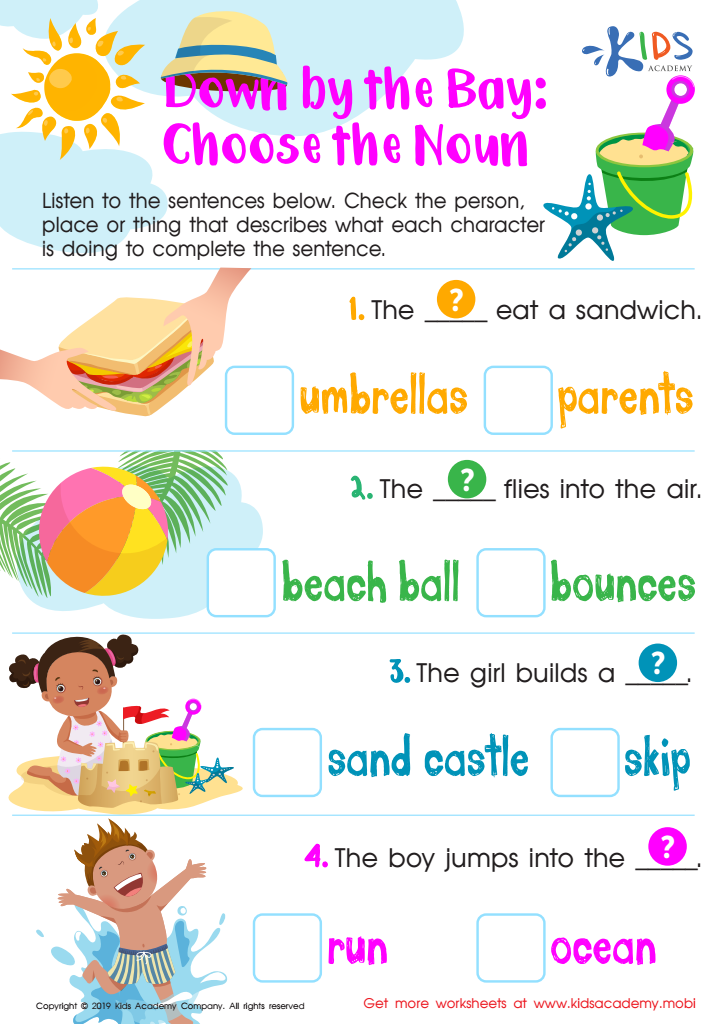
Down by the Bay: Choose the Noun Worksheet
Teach your child the basics of speaking and constructing English, like the parts of speech. Nouns are especially important; they are names of people, animals, objects, places, or things. Go through this worksheet with your kids and have them identify the nouns in the sentences. This exercise will help them understand the concept better.
Down by the Bay: Choose the Noun Worksheet
Worksheet
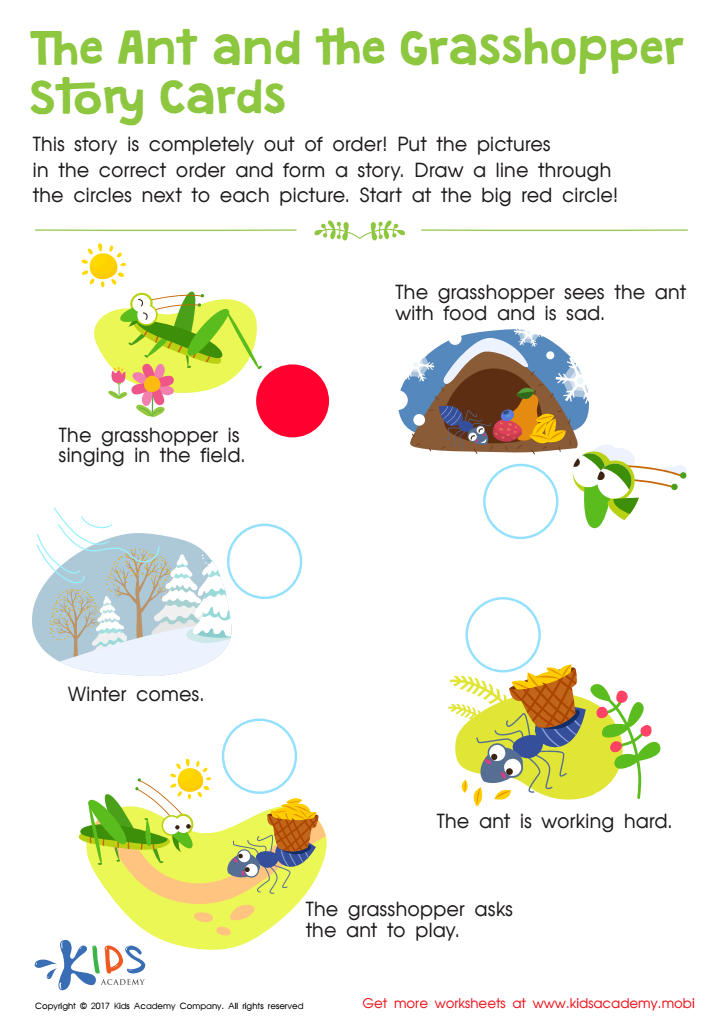
The Ant and The Grasshopper Worksheet
This worksheet uses the beloved childhood fable "The Ant and the Grasshopper" to teach your child about plot and order of events. Your child must read the events and put them in the right order. Once completed, review the story with your child to ensure its accuracy.
The Ant and The Grasshopper Worksheet
Worksheet
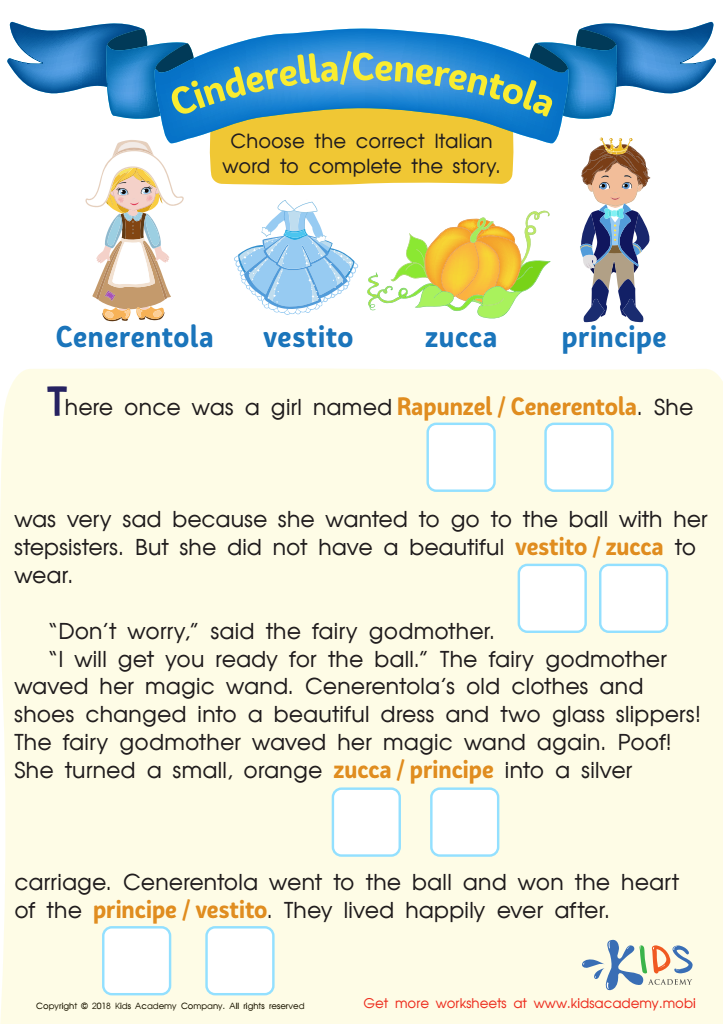
Cinderella / Cenerentola Worksheet
Children will love this fairytale about a princess trying to get to the royal ball. With colorful images and context clues, they'll learn Italian words without even realizing it. They'll fill in the correct boxes and help Cenerentola get to her happily-ever after. This free worksheet will delight and teach at once!
Cinderella / Cenerentola Worksheet
Worksheet
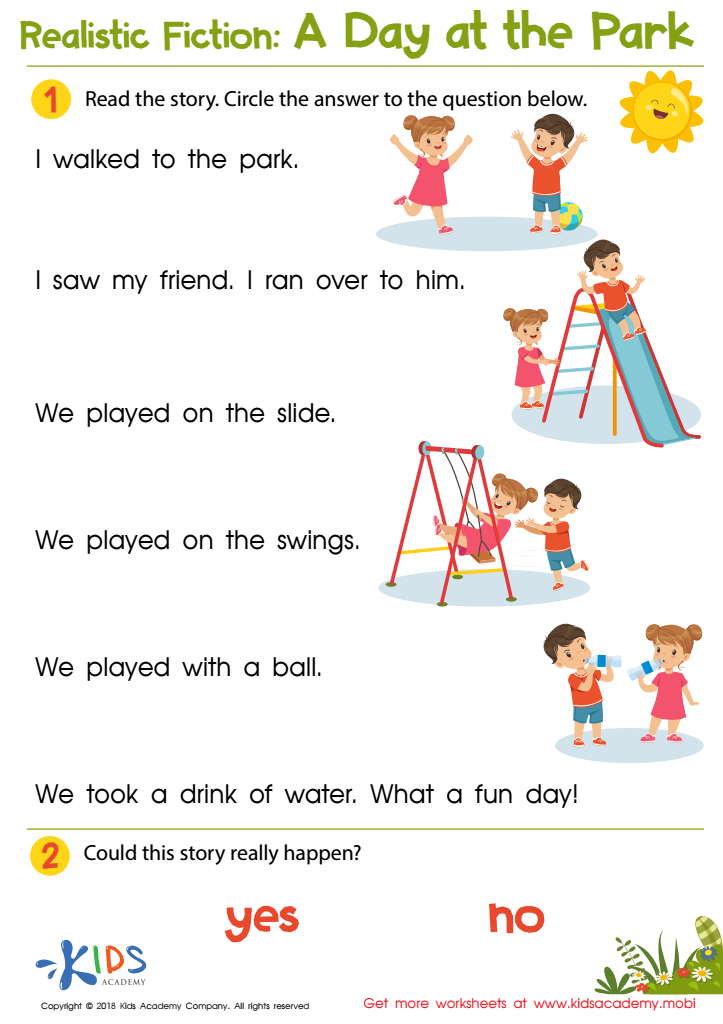
A Day at the Park Worksheet
Kids as young as preschool-age can be taught to evaluate stories! Use this fun worksheet about a day at the park. Read each sentence aloud, looking at the pictures. Ask your child if the events in the story could happen in real life - if yes, circle yes, otherwise circle no. When finished, discuss with them the genre, realistic fiction.
A Day at the Park Worksheet
Worksheet
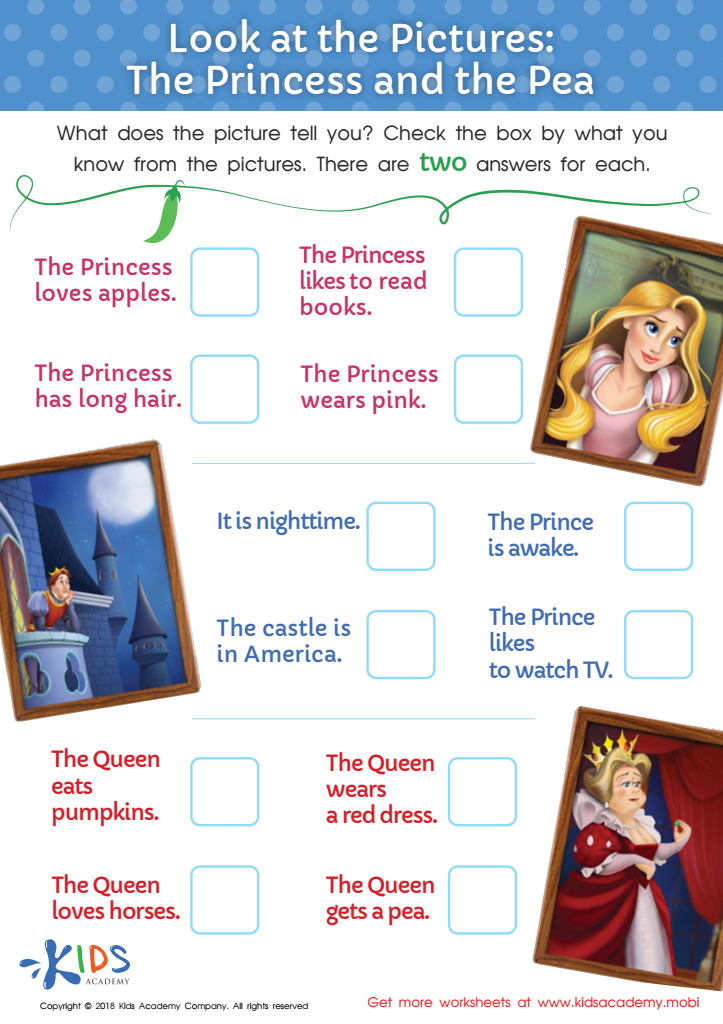
Look at the Pictures: The Princess and the Pea Worksheet
Early readers can benefit from picture clues to understand stories and text. Looking at images helps them learn the meaning of words and comprehend events. Use this worksheet on The Princess and the Pea to let students observe and learn from the pictures. It's a great way to help them comprehend early reading materials.
Look at the Pictures: The Princess and the Pea Worksheet
Worksheet
Join Kids Academy for Free
Who is primarily going to use this learning content?








Vocabulary enhancement through normal reading fiction is crucial for children ages 4-7 as it lays the foundation for effective communication, comprehension, and critical thinking skills. At this early developmental stage, children are rapidly absorbing language, and exposure to rich vocabulary in engaging fiction helps spark their imagination and curiosity.
When parents and teachers prioritize reading fiction with diverse vocabulary, they provide children with opportunities to encounter new words in context, allowing for deeper understanding and retention. Such exposure enhances their ability to express ideas, emotions, and experiences accurately, fostering confidence in their communication skills.
Furthermore, well-developed vocabulary skills are closely linked to academic success later in life. When children can articulate their thoughts clearly, they tend to perform better in reading comprehension tests and overall literacy levels.
In addition to educational benefits, reading fiction also nurtures emotional intelligence and social skills, as children learn to empathize with characters and explore various situations. This enriches their worldviews and helps them navigate social interactions. In essence, investing time in vocabulary enhancement through reading fiction is a gift that equips young learners for both academic success and meaningful life experiences.







