Categorizing objects Normal Science Worksheets for Ages 4-7
4 filtered results
-
From - To
Explore our engaging "Categorizing Objects" Normal Science Worksheets designed specifically for young learners aged 4-7. These worksheets help children develop essential skills in sorting and classifying various objects, enhancing their understanding of the world around them. Through fun activities, children will learn to identify similarities and differences, fostering critical thinking and observational skills. Each worksheet is crafted to spark curiosity and make learning enjoyable, perfect for both classroom use and at-home learning. Download our diverse selection of worksheets today and watch your child's confidence soar as they master the art of categorization! Perfect for early science education and skill-building.
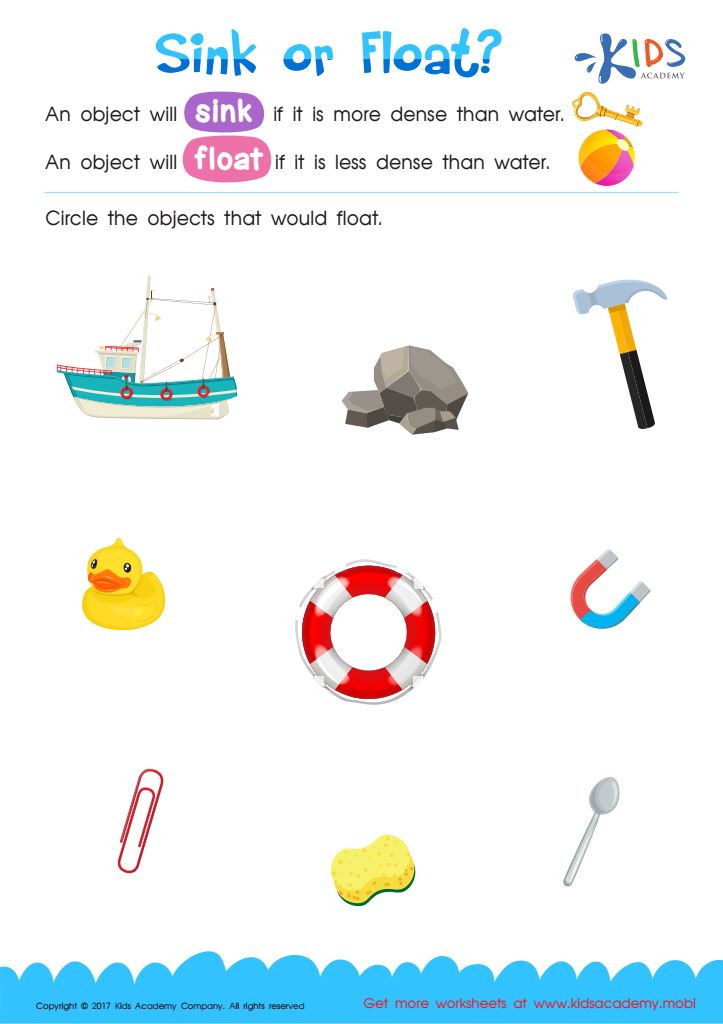
Sink or Float Printable
 Assign to My Students
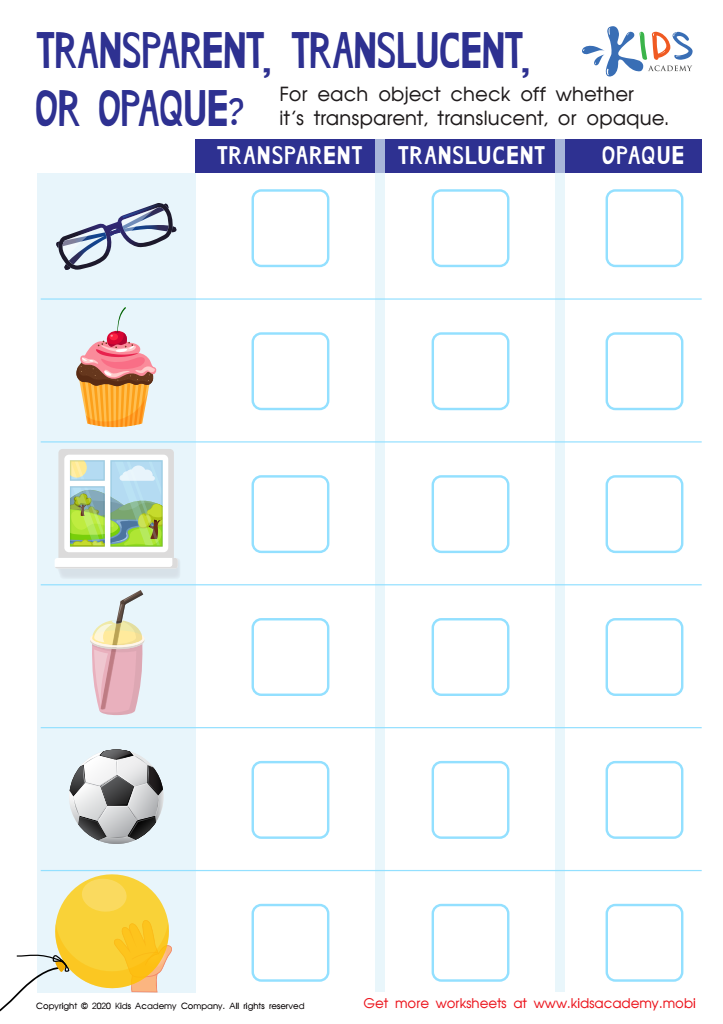
Transparent, Translucent, or Opaque Worksheet
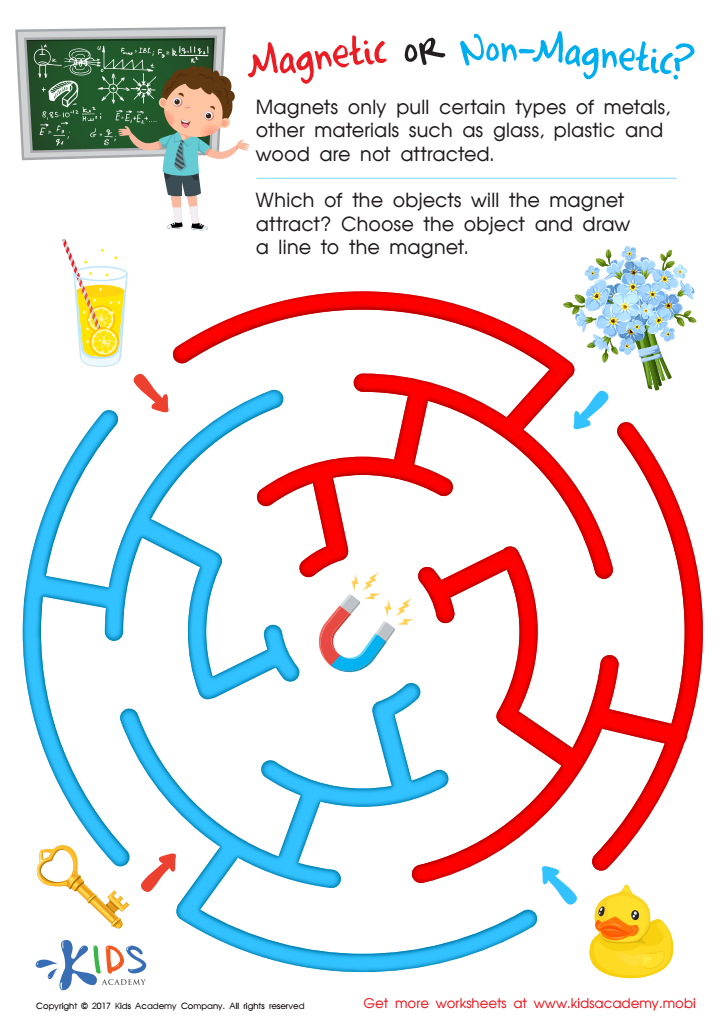
Magnetic or Non–Magnetic Worksheet
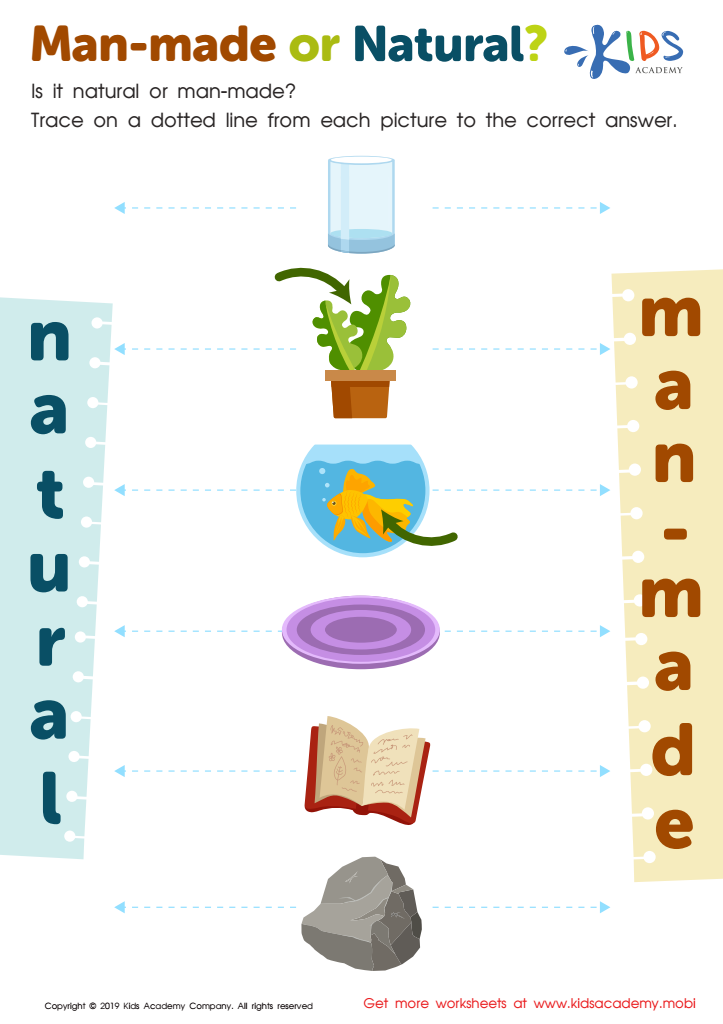
Man-Made or Natural? Worksheet


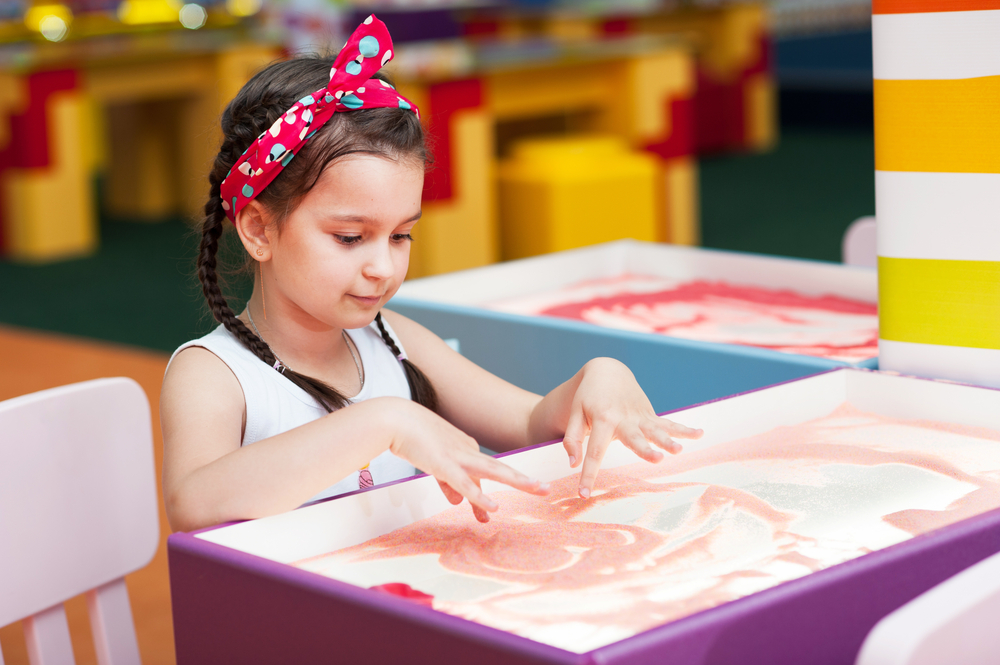




Categorizing objects is a fundamental skill that supports cognitive development, particularly for children aged 4-7. During this critical stage, children begin to make sense of the world around them by grouping objects based on shared characteristics—such as size, shape, color, or purpose. This process, often termed "normal science," is essential as it lays the groundwork for more complex cognitive tasks.
Parents and teachers should care about this skill because it enhances critical thinking, improves problem-solving abilities, and nurtures logical reasoning. By encouraging children to categorize, educators promote a deeper understanding of relationships and classifications, which is vital for subjects like science, math, and language arts.
Moreover, categorizing promotes vocabulary development and encourages discussions about attributes, prompting children to articulate their thoughts and ideas. This interaction fosters social skills and confidence.
Instilling the habit of observing and sorting creates a foundation for data analysis and scientific inquiry, essential skills in today’s data-driven world. Ultimately, recognizing and assisting children in their categorization efforts extends beyond just academic achievements; it enriches their developmental experiences, ensuring they grow into insightful, analytical individuals. Hence, nurturing this skill is beneficial for their overall growth and future preparedness.







