Enhancing observational skills Normal Science Worksheets for Ages 4-7
7 filtered results
-
From - To
Enhancing observational skills is crucial for young scientists aged 4-7. Our specially designed science worksheets aim to boost these critical skills through engaging and interactive activities. Each worksheet encourages children to closely examine their surroundings, make detailed observations, and draw thoughtful conclusions. By focusing on natural phenomena and everyday objects, these worksheets help kids develop a keen eye for detail and a deeper understanding of the world around them. Perfect for early learners, these exercises foster curiosity and lay a solid foundation for future scientific inquiry. Enhance your child's observational skills with our fun and educational science worksheets today!
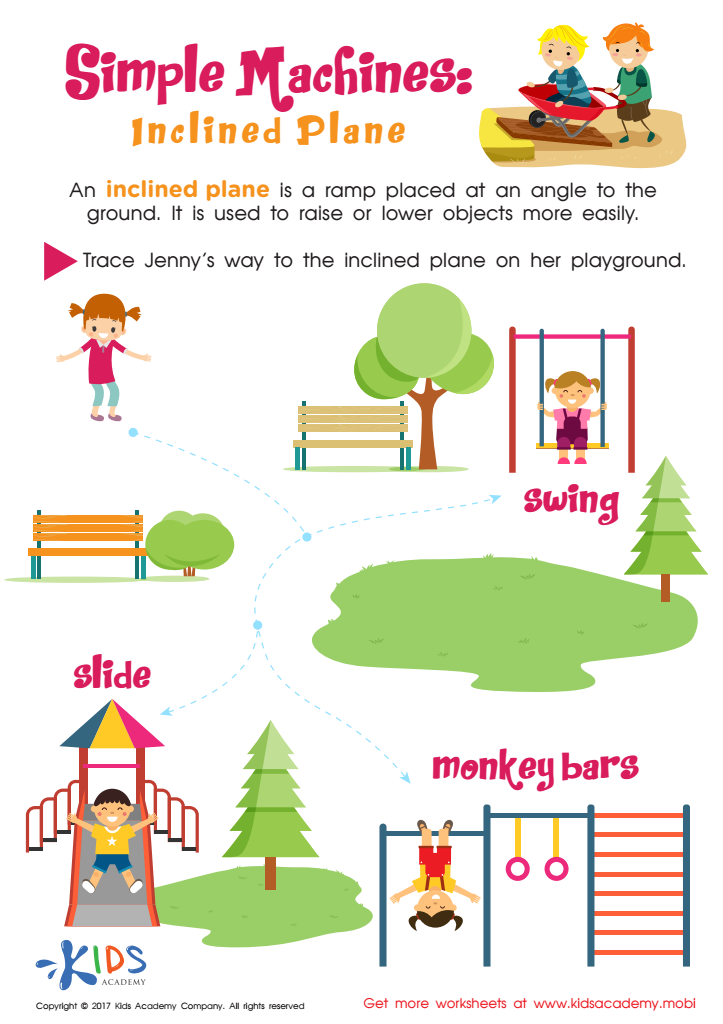
Simple Machines Inclined Plane Worksheet
 Assign to My Students
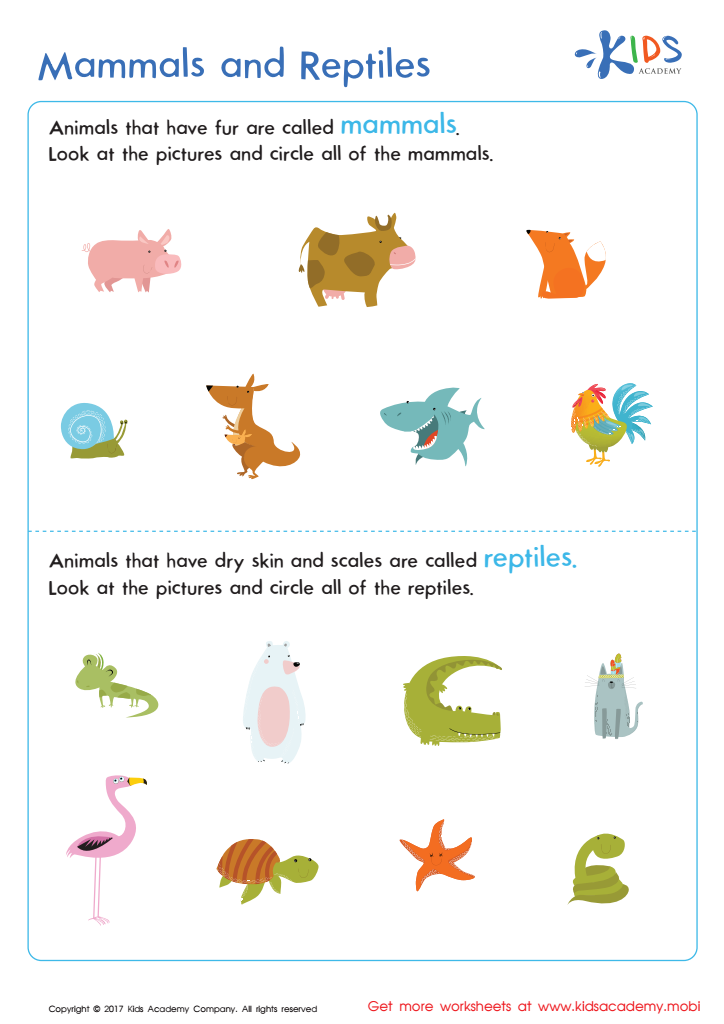
Mammals and Reptiles Worksheet
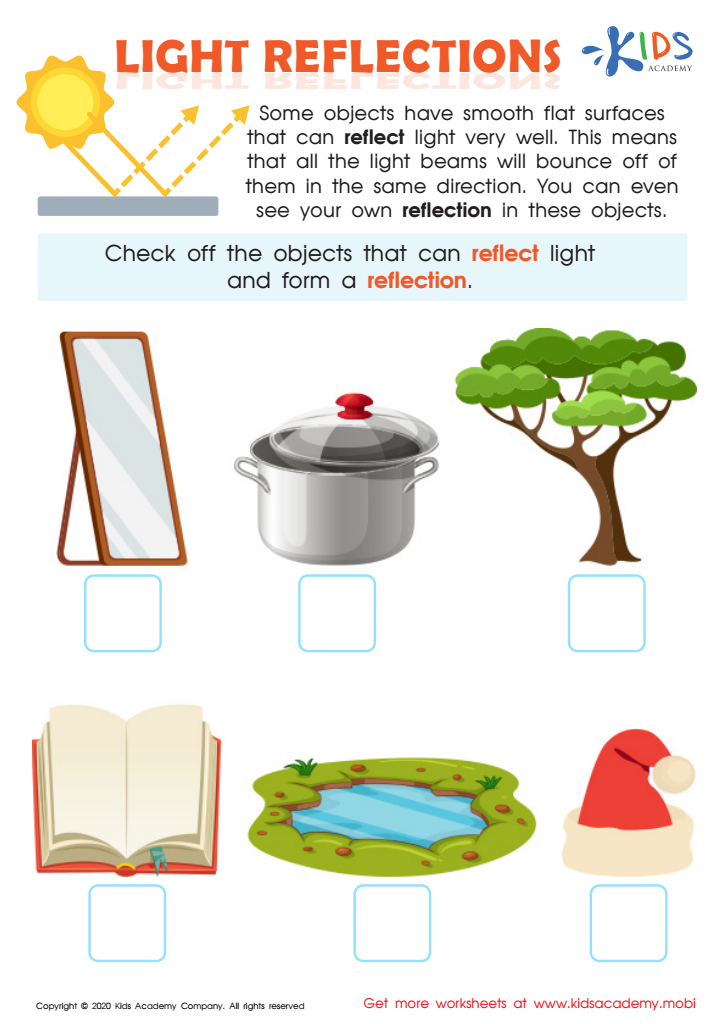
Light Reflections Worksheet
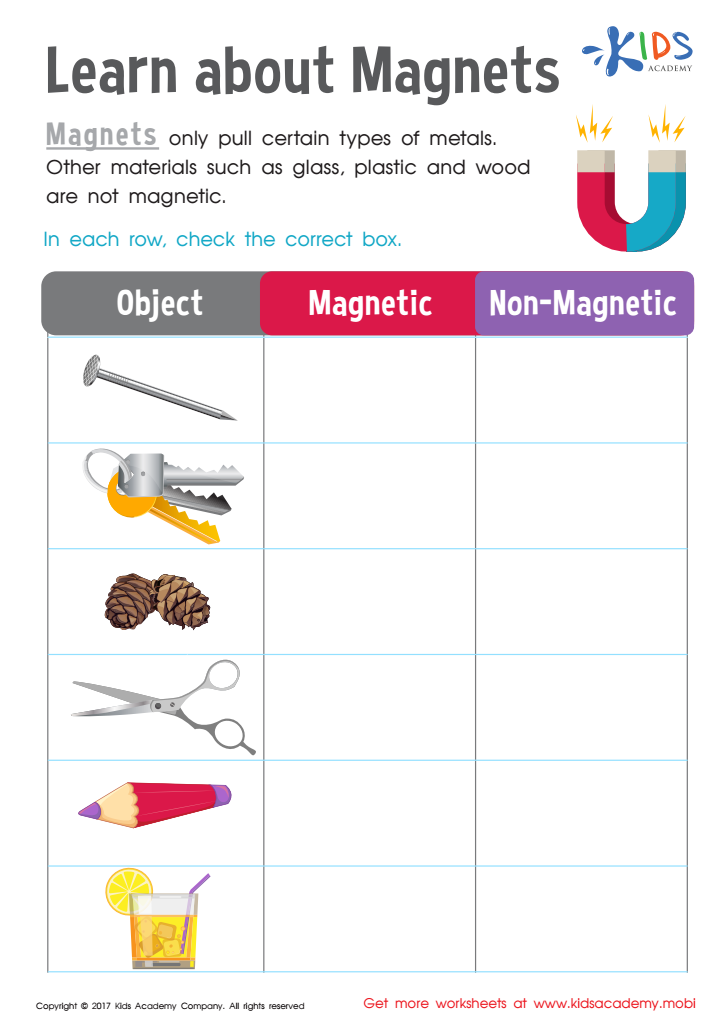
Magnetic Or Not Worksheet
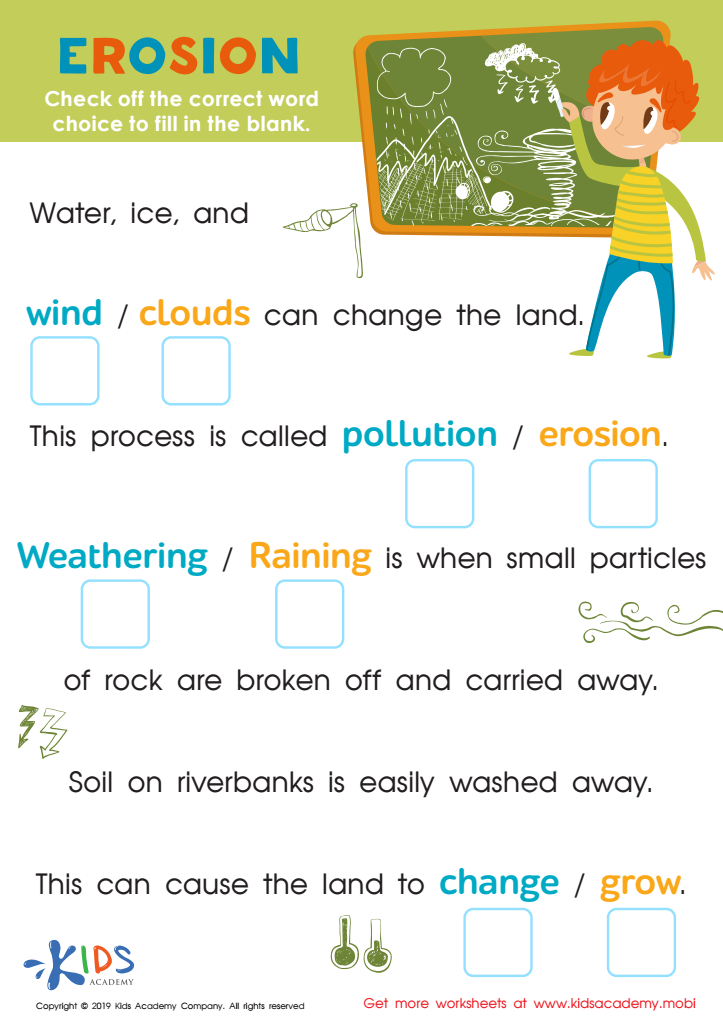
Erosion Worksheet
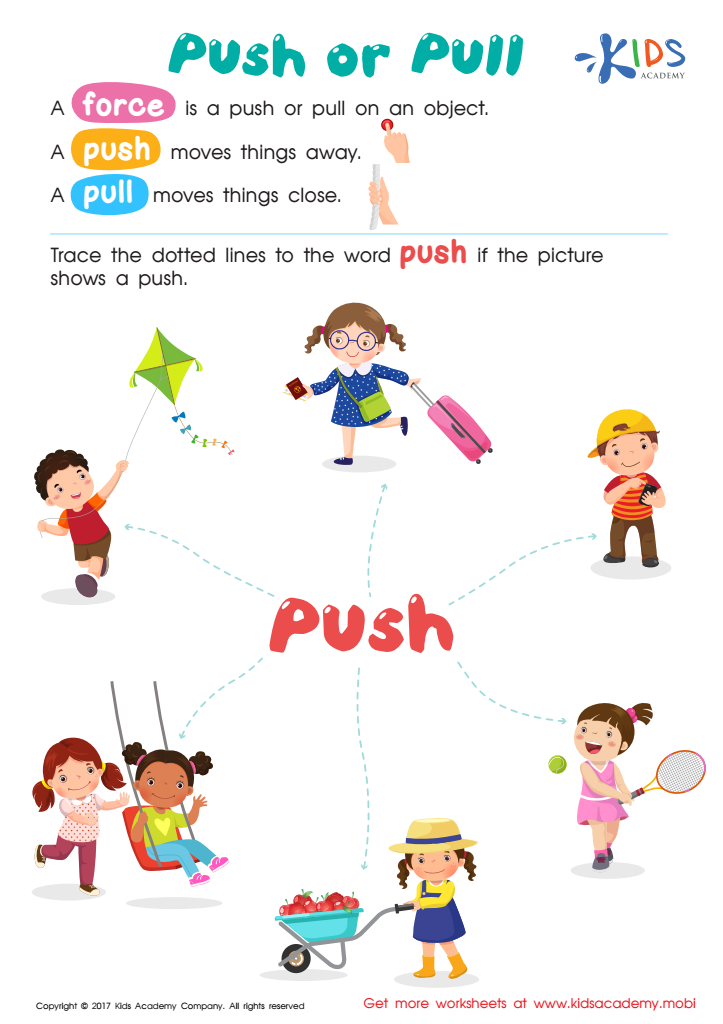
Push or Pull Worksheet
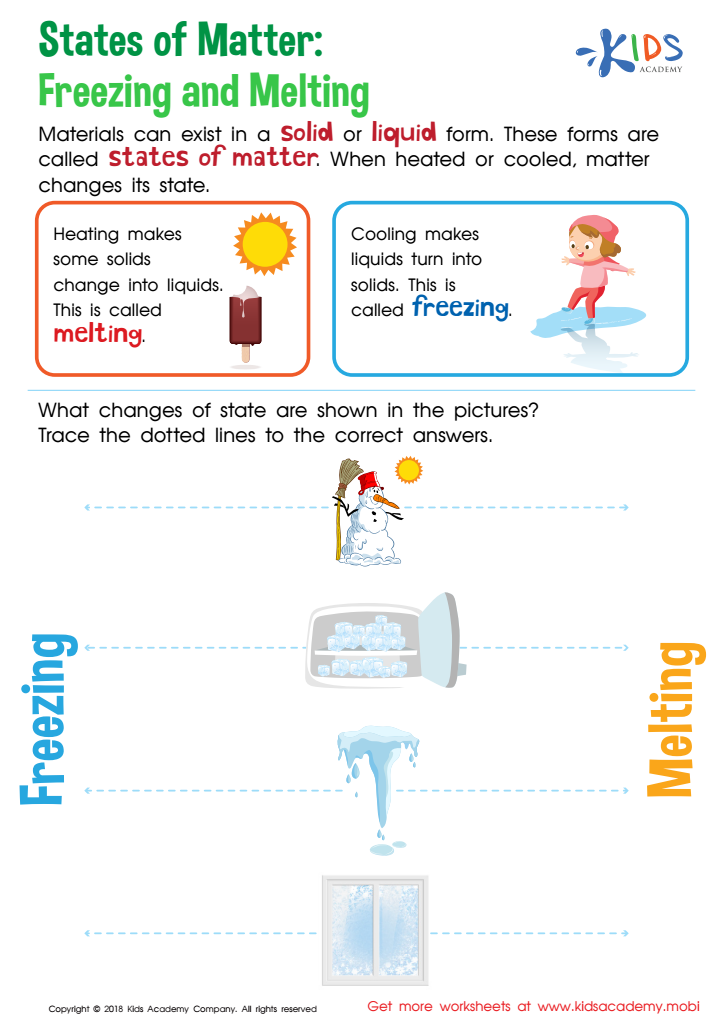
States of Matter: Freezing and Melting Worksheet




Enhancing observational skills in children aged 4-7 is crucial as it forms the foundation for critical thinking and problem-solving abilities. At this formative age, children's brains are extraordinarily receptive to learning about the world around them, and developing keen observational skills can deeply influence their cognitive growth and academic success. For parents and teachers, fostering these skills can transform everyday experiences into rich educational opportunities.
Encouraging children to observe carefully can spark curiosity and a love for learning. It also hones their ability to notice patterns, details, and differences, which are essential skills in subjects like science and math. For instance, observing how plants grow or how weather changes promotes a better understanding of natural sciences. These observational skills are also vital for literacy development as children learn to pay attention to visual cues in books and storytelling.
Moreover, nurturing observational skills helps improve social-emotional development. When children learn to observe others' facial expressions and body language, they become more empathetic and capable of better social interactions.
For parents and teachers, the magic lies in integrating observation into daily routines—whether through guided nature walks, simple scientific experiments, or even art projects. Ultimately, enhancing these skills not only prepares children academically but also cultivates a lifelong habit of mindful and engaged learning.







