Unlock your child's potential with our engaging Logical Reasoning Normal Science Worksheets for ages 4-7! Designed to foster critical thinking and problem-solving skills, these worksheets provide exciting activities that blend learning with fun. Perfectly curated for young minds, they cover various scientific concepts while encouraging kids to make connections, identify patterns, and develop their reasoning abilities. With colorful illustrations and age-appropriate challenges, children will enjoy exploring the world of science. Our worksheets are ideal for both classroom and home environments, ensuring a well-rounded education. Start nurturing your child's logical reasoning skills today and watch them thrive in their educational journey!

Check out this FREE Trial Lesson on Science for age 4-7!

Sorting Objects into 3 Categories

Favorites
With answer key
Interactive
  • 4-7
  • Logical Reasoning
  • Science
  • Normal
Sorting Animals in 3 Groups Worksheet

Sorting Animals in 3 Groups Worksheet

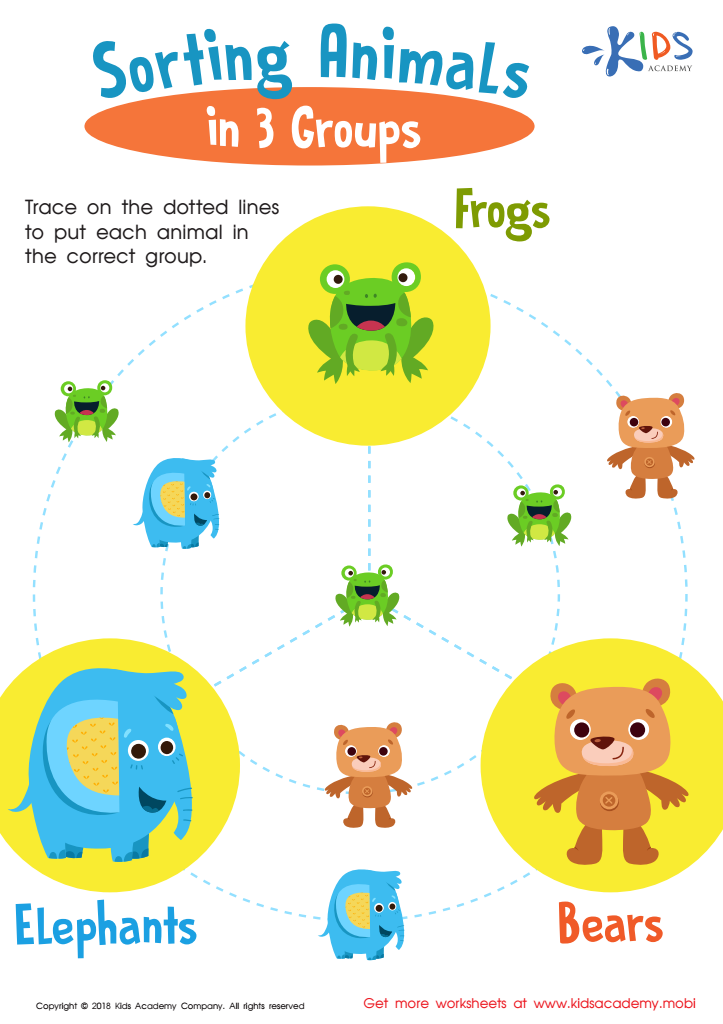
Let your kids practice and build skills for future Venn Diagrams with this PDF worksheet. They'll trace lines to match and group animals, and learn the differences and similarities of animals by categorizing with pictures and words. Plus, it's a great way to develop fine motor skills.
Sorting Animals in 3 Groups Worksheet
Worksheet
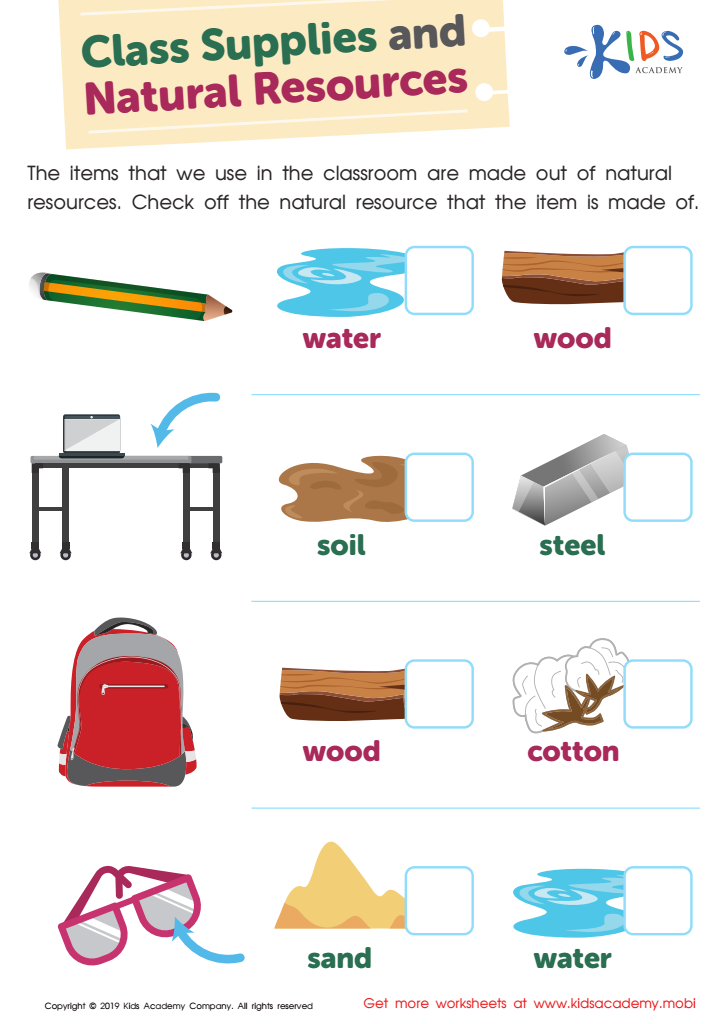
Class Supplies and Natural Resources Worksheet

Class Supplies and Natural Resources Worksheet

Look around the classroom with your students. Can they identify objects and name their natural resources? E.g. wood, cotton, steel. Ask your child to find an object made from wood. Then, look at this worksheet together. Ask your students to identify each object and check off the natural resource it's made from.
Class Supplies and Natural Resources Worksheet
Worksheet
Retelling the Details: What Can the Sun Melt? Worksheet

Retelling the Details: What Can the Sun Melt? Worksheet

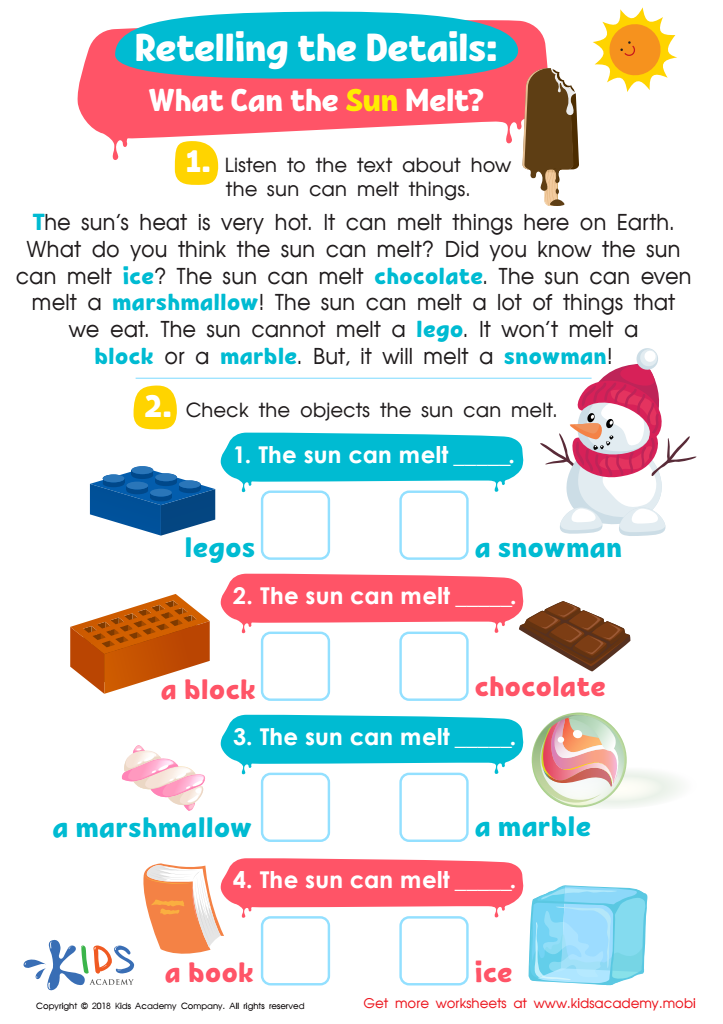
The sun is that hot yellow ball in the sky. Its intense heat can make us sweat and even melt things! Ask your kids what things the sun can melt. Read this short informative text and have them highlight the objects. Then, read the questions out loud and help them find the right answers.
Retelling the Details: What Can the Sun Melt? Worksheet
Worksheet
Plants and Sunlight: Part 2 Worksheet

Plants and Sunlight: Part 2 Worksheet

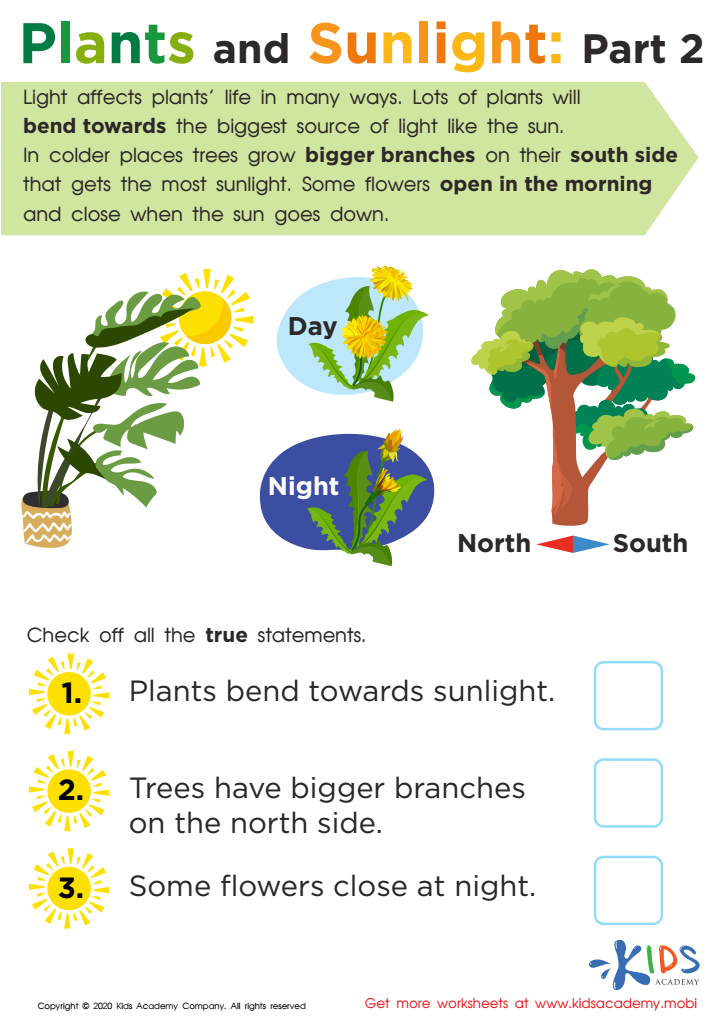
Place a houseplant near the window and observe how it bends to get more sunlight! The sun's effects on plants and trees are amazing - flowers opening and closing, trees growing stronger branches on the south side. Let your child learn with this free Kids Academy printable science worksheet!
Plants and Sunlight: Part 2 Worksheet
Worksheet
Siblings Quiz Worksheet

Siblings Quiz Worksheet

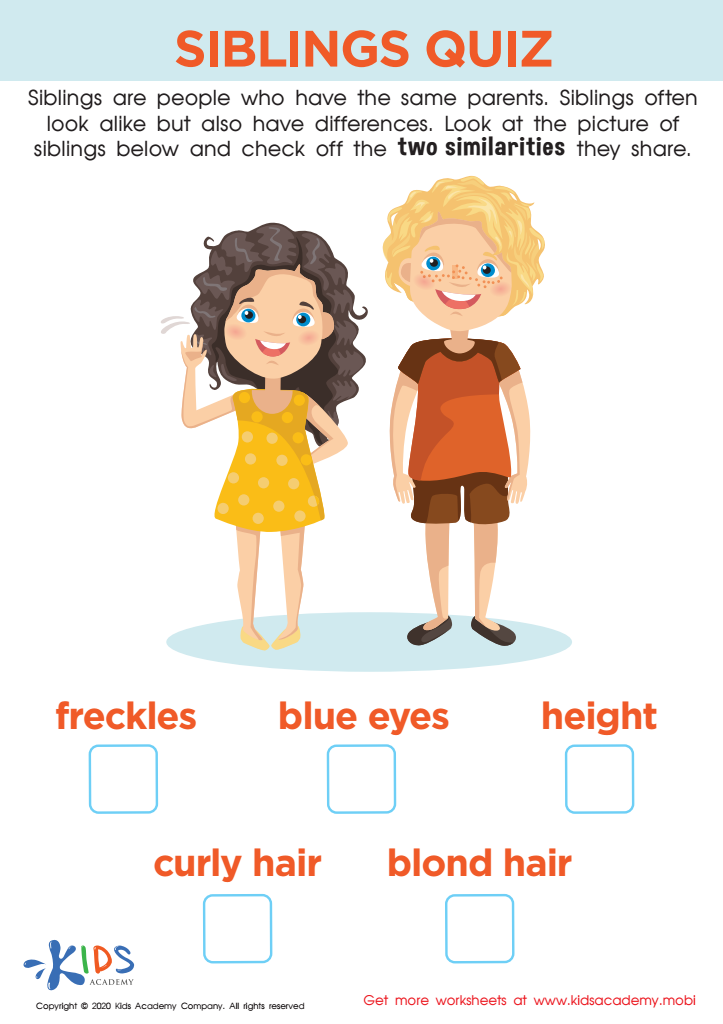
Your children may know a sibling is a sister or brother, but not realize what it means to be one. Siblings share the same parents, which means they share many genes. They are alike in many ways, but also have their own unique traits. Help your future scientist understand this early biology concept with this fun worksheet. They'll be tasked with finding similarities between two siblings on the page.
Siblings Quiz Worksheet
Worksheet
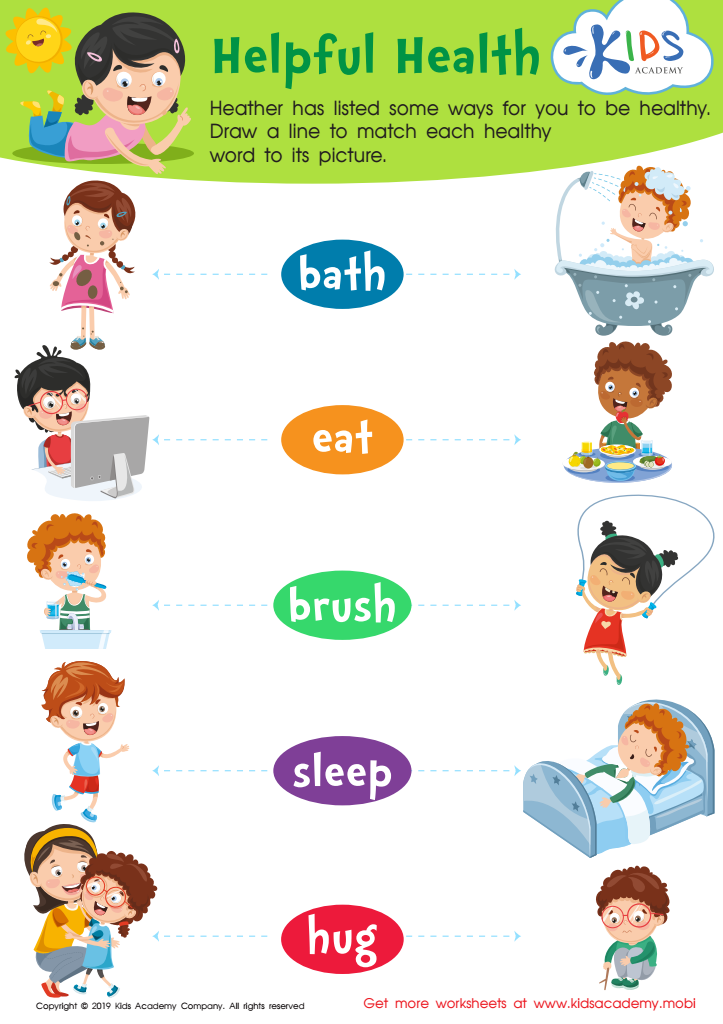
Helpful Health Worksheet

Helpful Health Worksheet

Kids can learn healthy habits with this free worksheet! With their pal Heather, they'll trace lines to connect health words with pictures like brushing teeth, hugging, and getting enough sleep. It's a great way to help young ones understand healthy activities.
Helpful Health Worksheet
Worksheet


Logical reasoning and an understanding of normal science are crucial skills for children aged 4-7, as they lay the foundation for critical thinking and cognitive development. At this age, children are naturally curious and eager to explore the world around them. Engaging them in logical reasoning helps to refine their ability to analyze situations, make choices, and draw conclusions based on evidence. By presenting them with age-appropriate scientific concepts, parents and teachers can nurture a sense of inquiry and problem-solving skills that are vital in everyday life.

Furthermore, learning about normal science—the systematic study of the natural world—promotes a strong knowledge base of fundamental scientific principles. It teaches children to question, hypothesize, and conduct simple experiments. Such early exposure fosters a positive attitude toward science, encourages exploration, and nurtures a growth mindset.

Additionally, incorporating logical reasoning within science activities helps develop language skills and enhances understanding of mathematics as children classify, compare, and categorize information. In doing so, we not only stimulate intellectual growth but also equip children with life-long skills necessary for navigating an increasingly complex world. By caring about these concepts, parents and teachers play a pivotal role in shaping curious, analytical, and engaged future learners.