Understanding ecosystems Normal Science Worksheets for Ages 4-7
5 filtered results
-
From - To
Explore the wonders of nature with our "Understanding Ecosystems Normal Science Worksheets" designed for ages 4-7! These engaging worksheets introduce young learners to the rich diversity of ecosystems and the interrelationships among plants, animals, and their environments. Through colorful illustrations and interactive activities, children will discover important concepts like habitats, food chains, and the role of different species. Ideal for parents and educators, these worksheets foster curiosity and critical thinking, making science fun and accessible. Encourage your child to observe the world around them while building a strong foundation in ecological awareness. Dive into the adventure of learning about ecosystems today!
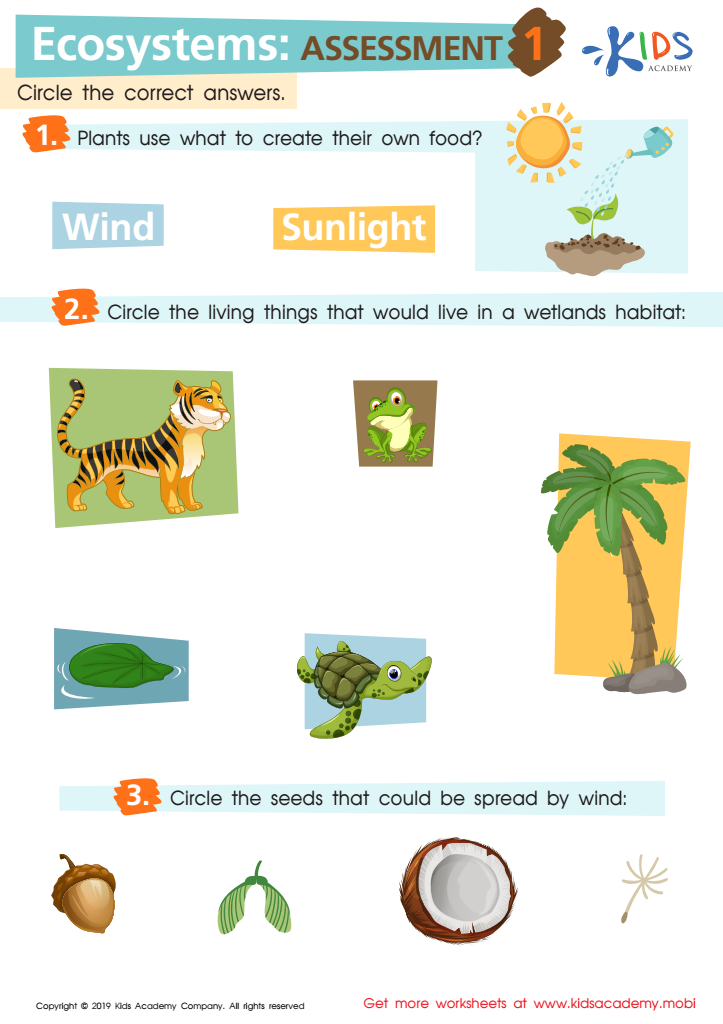
Ecosystems: Assessment 1 Worksheet
 Assign to My Students
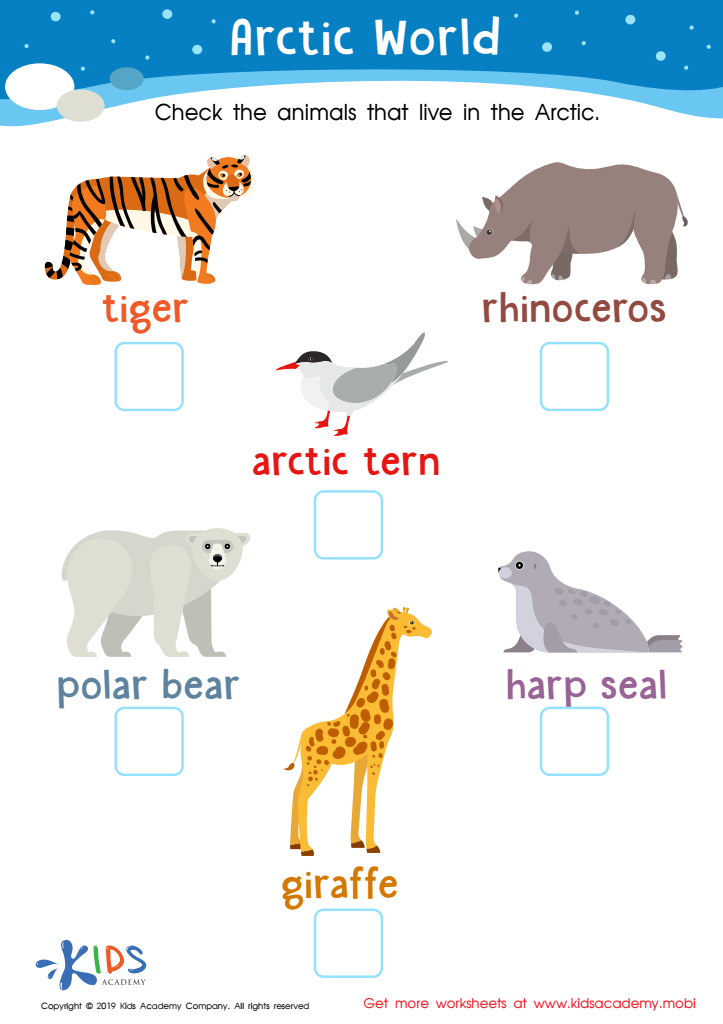
Arctic World Worksheet
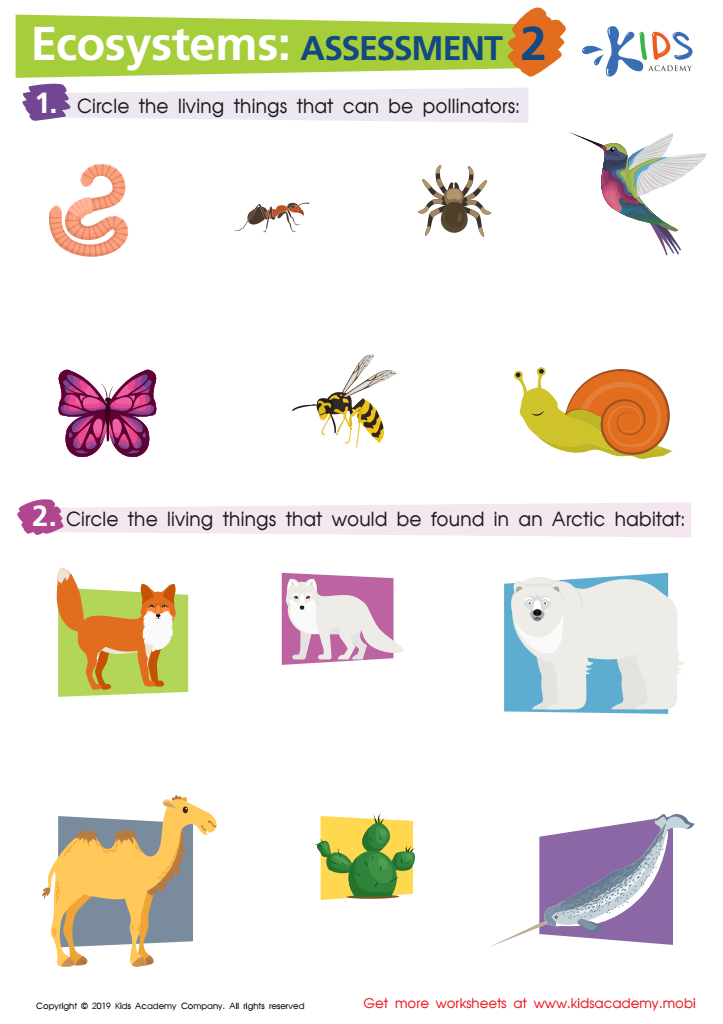
Ecosystems: Assessment 2 Worksheet
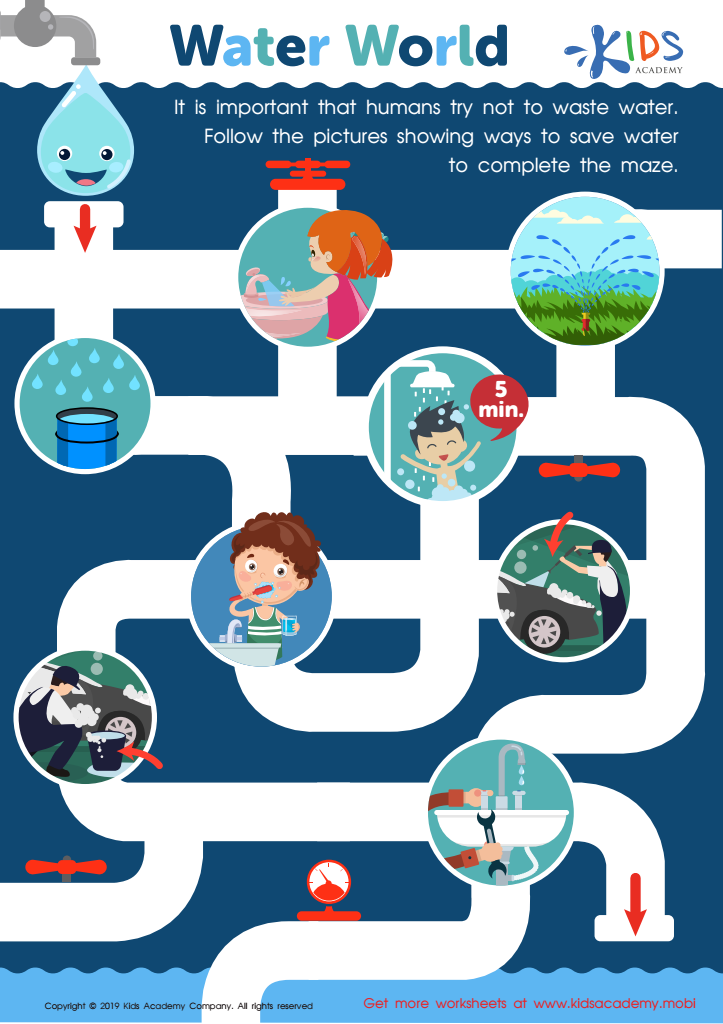
Water World Worksheet
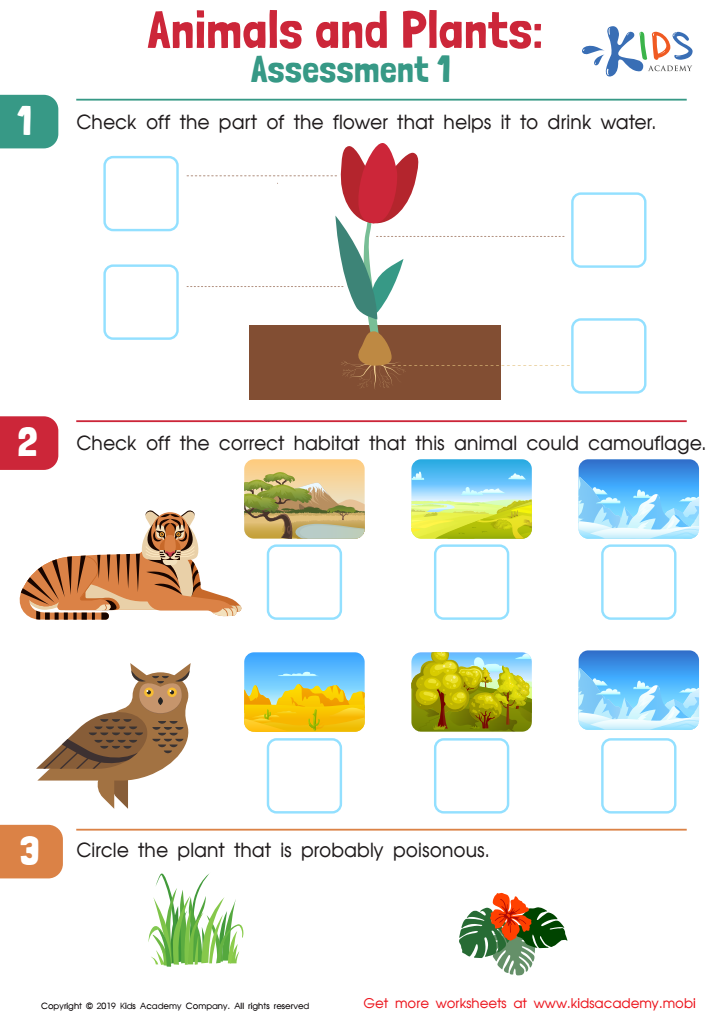
Animals and Plants: Assessment 1 Worksheet





Understanding ecosystems is vital for children aged 4-7 as it fosters an appreciation for nature and interconnectedness. At this young age, children are naturally curious, and exploring ecosystems helps satisfy their innate wonder about the world. Engaging with topics like plants, animals, and their habitats not only encourages critical thinking but also lays the foundation for environmental stewardship.
Parents and teachers play a crucial role in this learning journey. By introducing children to the concepts of balance and biodiversity, they cultivate a sense of responsibility towards the environment. Understanding how living things depend on each other makes kids more compassionate and empathetic toward all life forms.
Moreover, these early lessons in ecosystems can enhance literacy and numeracy skills. For example, counting animals or categorizing plants integrates maths into ecological learning. Furthermore, storytelling about different ecosystems can boost language skills and storytelling creativity.
In summary, instilling awareness of ecosystems in young children nurtures curiosity, sparks environmental responsibility, and integrates multiple learning domains. By caring about this aspect of education, parents and teachers help shape responsible, informed, and enthusiastic future stewards of the planet.







