Counting skills Normal Plants and Animals Worksheets for Ages 4-7
5 filtered results
-
From - To
Introduce your young learners to the wonders of nature with our "Counting Skills: Normal Plants and Animals Worksheets" designed for ages 4-7. These engaging worksheets combine the joy of counting with the exploration of various plants and animals, promoting both numerical skills and scientific awareness. Each activity encourages children to recognize and count different species, fostering curiosity about the environment. Perfect for home or classroom use, these worksheets support early math development while integrating fun, hands-on learning. Give your child the tools to enhance their counting skills through interactive and educational experiences with nature!

African Wildlife: Giraffe Worksheet
 Assign to My Students











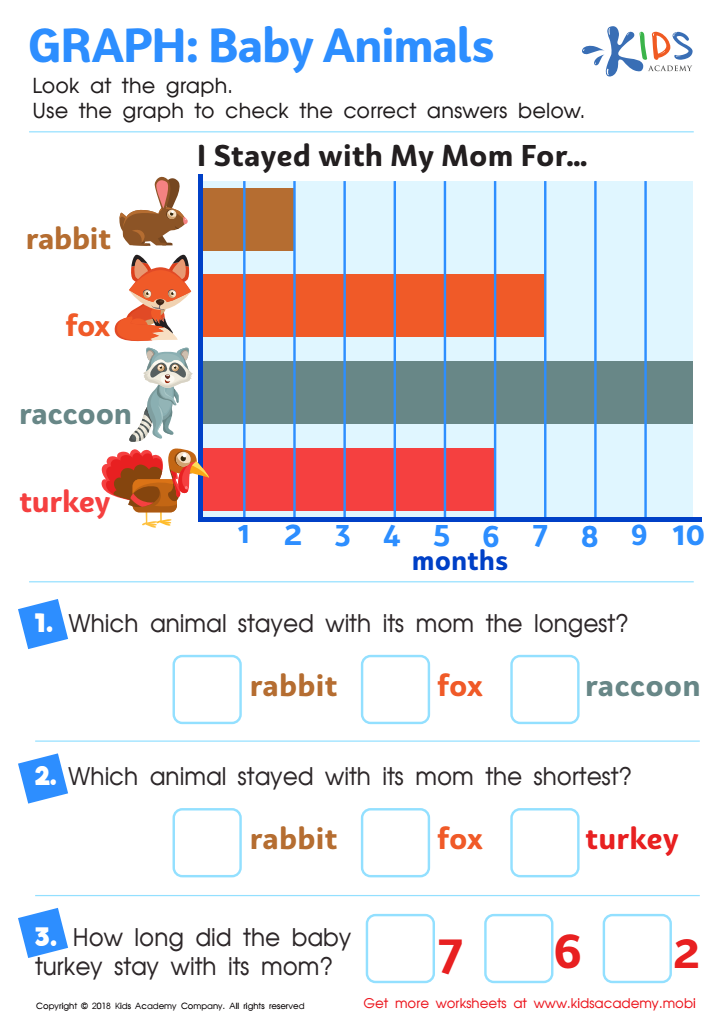
Graph: Baby Animals Worksheet
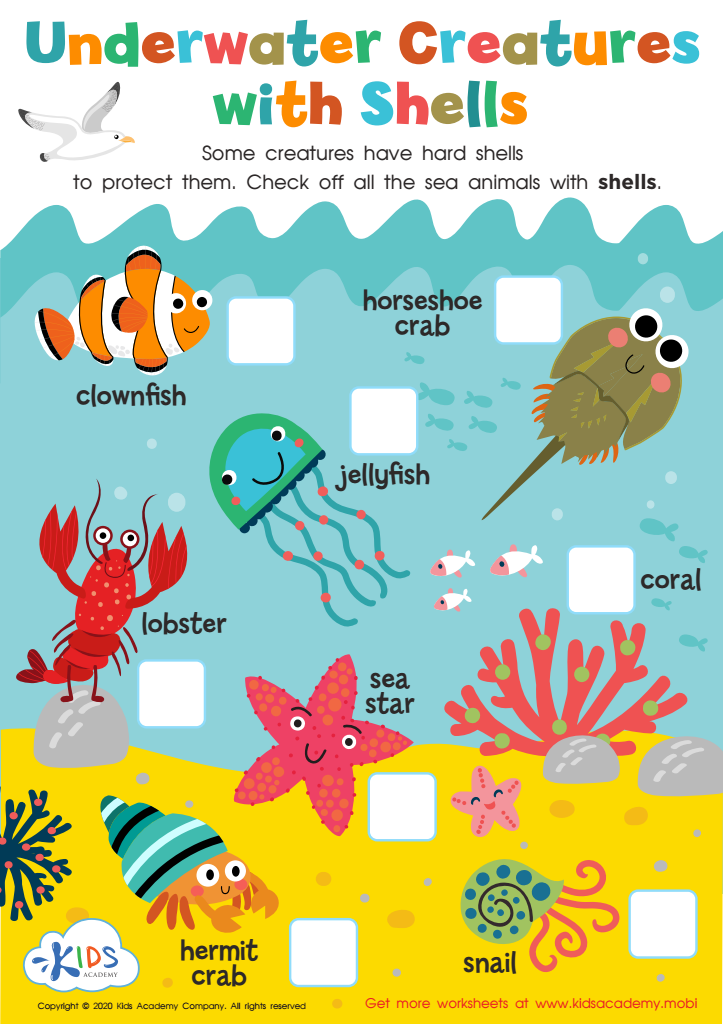
Underwater Creatures with Shells Worksheet
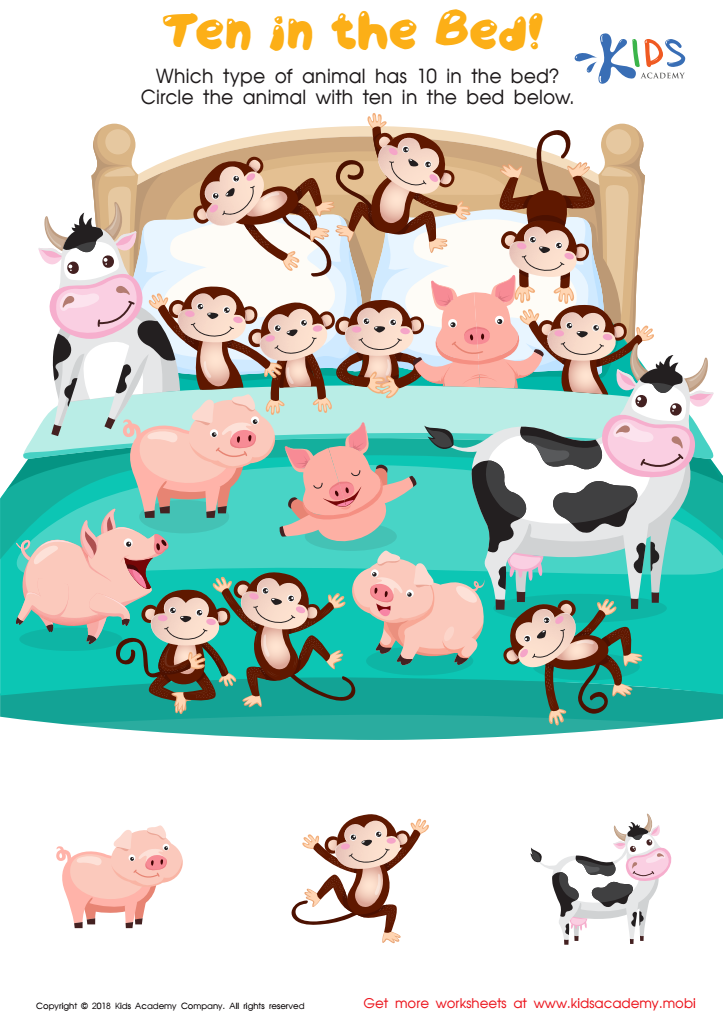
Ten in the Bed Worksheet
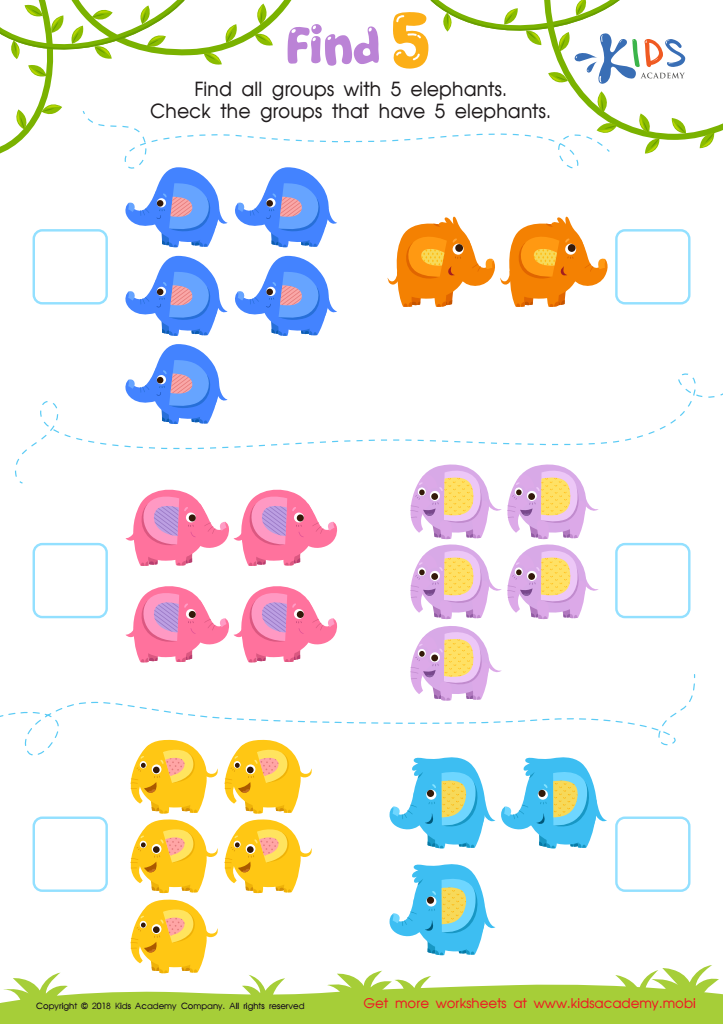
Find 5 Worksheet




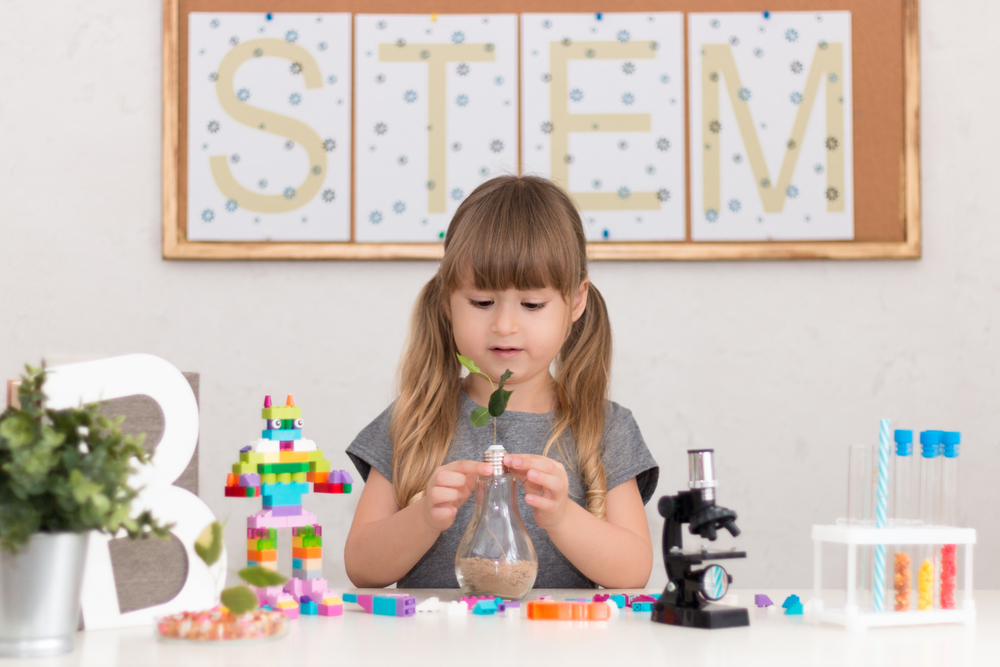



Counting skills play a crucial role in the early development of children aged 4-7, and they are particularly relevant when it comes to understanding normal plants and animals. Developing counting abilities fosters early numeracy, which lays the foundation for future math skills. By incorporating counting into lessons about plants and animals, parents and teachers can engage children in hands-on learning, making the process enjoyable and memorable.
Understanding the quantities of objects in natural settings, such as counting leaves, flowers, or animals, reinforces the connection between math and the environment. This approach not only makes learning fun but also encourages observation and critical thinking. Children learn to categorize and compare, developing their cognitive abilities and boosting creativity through exploration.
Moreover, issuing challenges like counting various species or plants during outdoor activities promotes teamwork, social skills, and communication while igniting a love for nature. As children master these foundational skills, they become confident learners equipped with the mathematical vocabulary necessary for future academic success.
Ultimately, nurturing counting skills in relation to normal plants and animals links classroom learning to the real world, fostering a holistic educational experience that benefits children greatly as they continue their journey in education.







