Visual recognition Normal Social Studies Worksheets for Ages 4-7
6 filtered results
-
From - To
Explore our engaging Visual Recognition Normal Social Studies Worksheets designed specifically for children ages 4-7. These worksheets foster essential skills in a fun and interactive way, helping young learners to identify, categorize, and understand various social studies concepts. With vibrant images and age-appropriate activities, children will enhance their visual recognition abilities while exploring topics such as community roles, cultural diversity, and geographic patterns. Perfect for classroom use or at-home learning, our worksheets encourage creativity and critical thinking. Download today to provide your child with a solid foundation in social studies, promoting curiosity and engagement in their surrounding world!
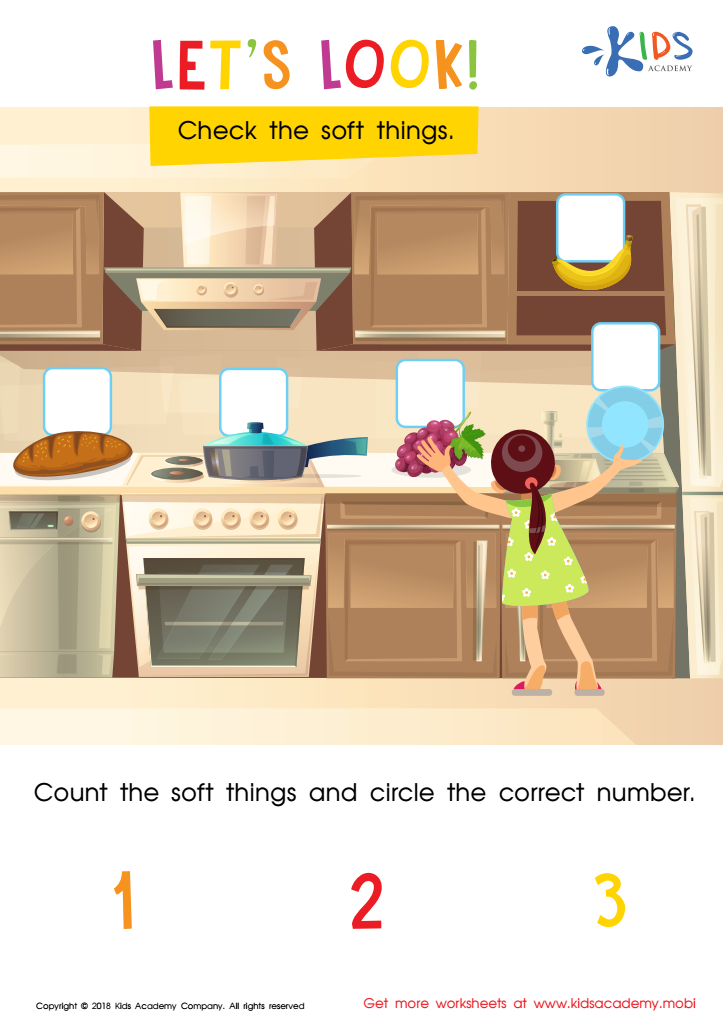
Let's Look! Assessment Worksheet
 Assign to My Students
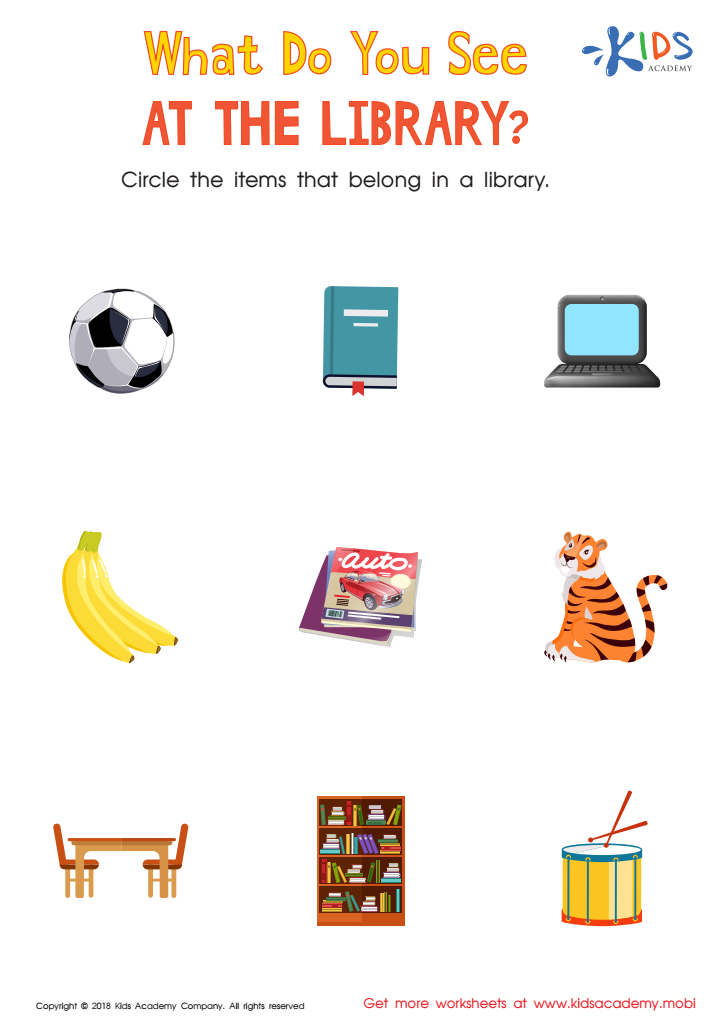
What Do you See at the Library? Worksheet
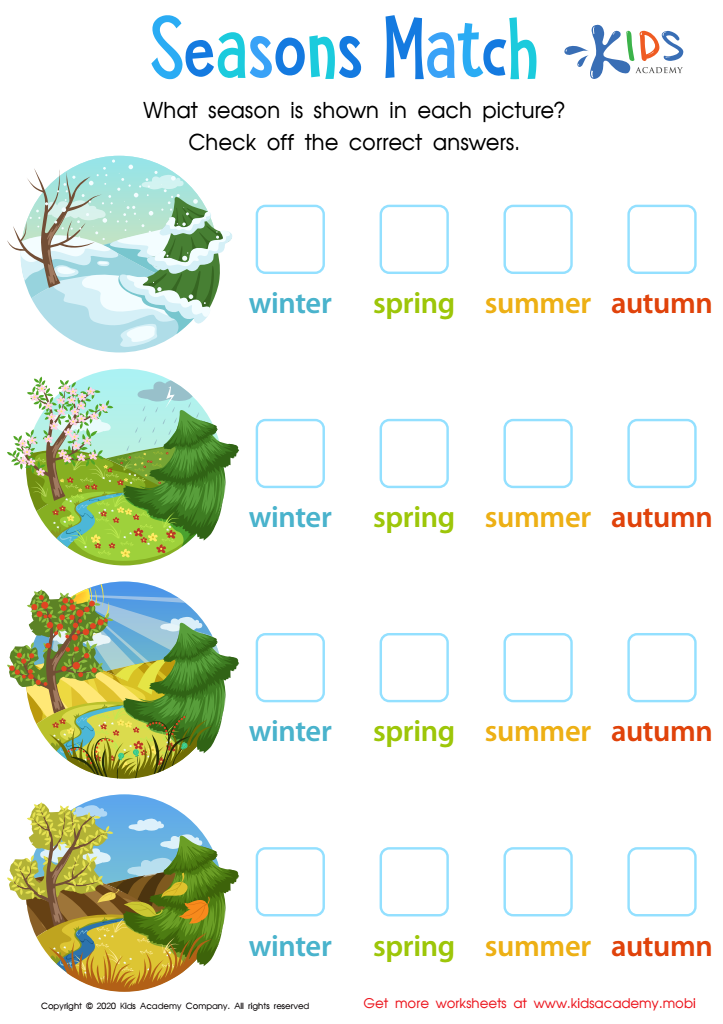
Seasons Match Worksheet
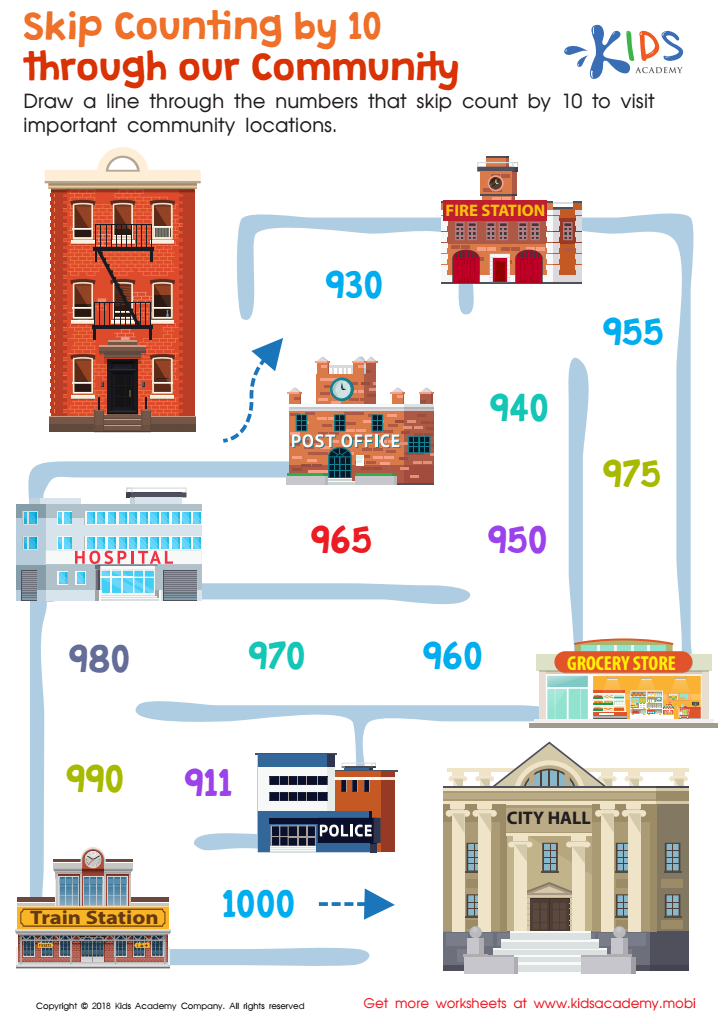
Skip Counting by 10 Through Our Community Worksheet
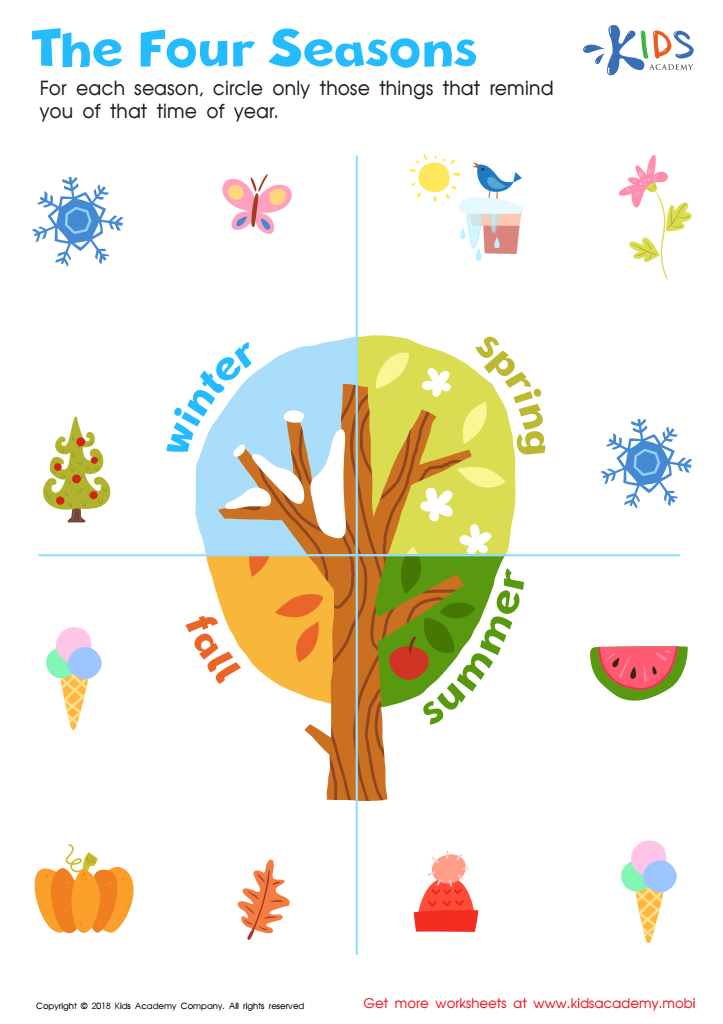
The Four Seasons Worksheet
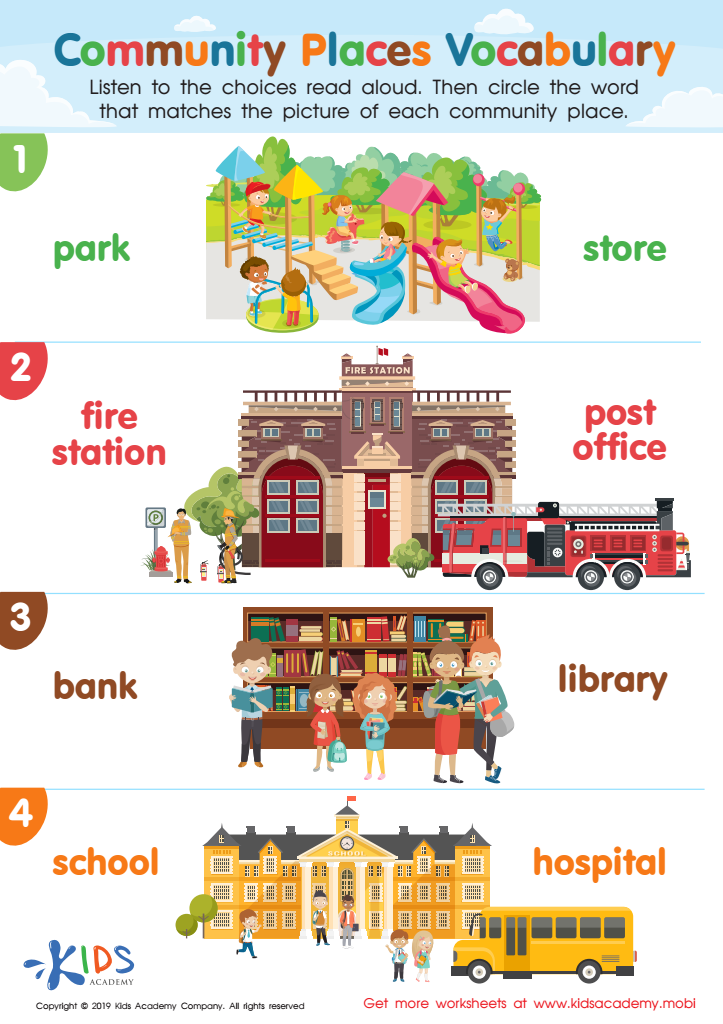
Community Places Vocabulary Worksheet








Visual recognition in social studies is crucial for children ages 4-7, as it lays the groundwork for their understanding of the world around them. At this developmental stage, children are naturally curious and eager to learn about their environment, cultures, and communities. By incorporating visual recognition into social studies, educators and parents can group visual cues like images, symbols, and maps to help kids identify and appreciate diverse cultural aspects.
Engaging with visual recognition allows children to connect with new concepts through meaningful imagery. This enhances their cognitive development, vocabulary acquisition, and comprehension skills. For instance, recognizing flags, landmarks, or traditional clothing fosters not only recognition but also sparks discussions around identity, values, and history.
Moreover, visual learning accommodates different learning styles, ensuring that visual learners thrive alongside their peers. Supporting children in these formative years cultivates empathy, awareness, and critical thinking—traits essential for responsible global citizens.
In essence, parents and teachers who prioritize visual recognition in social studies provide children with valuable skills to navigate and appreciate the complexities of our world, nurturing lifelong learners. This solid foundation empowers children, instilling curiosity and awareness that extends well beyond the classroom.








