Normal Physical Science Worksheets for Ages 4-7
3 filtered results
-
From - To
Discover engaging Normal Physical Science Worksheets designed for children ages 4-7! Our resources provide a fun and interactive way to introduce young learners to essential scientific concepts about the world around them. From exploring the properties of materials to understanding basic principles of motion, these worksheets encourage curiosity and critical thinking. Each activity is tailored to suit early learners, featuring colorful illustrations and straightforward instructions to promote independent learning. Ideal for both homeschooling and classroom settings, our worksheets seamlessly blend education with play, helping young minds grow while fostering a love for science. Explore, learn, and inspire with our printable worksheets today!
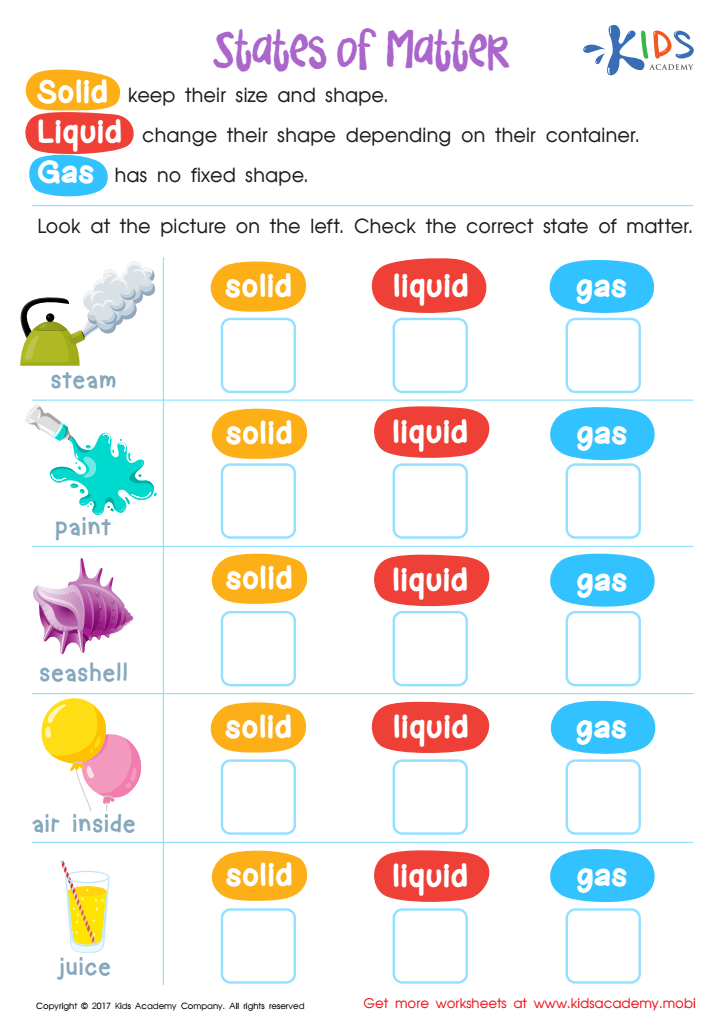
Physical Science: States of Matter Worksheet
 Assign to My Students
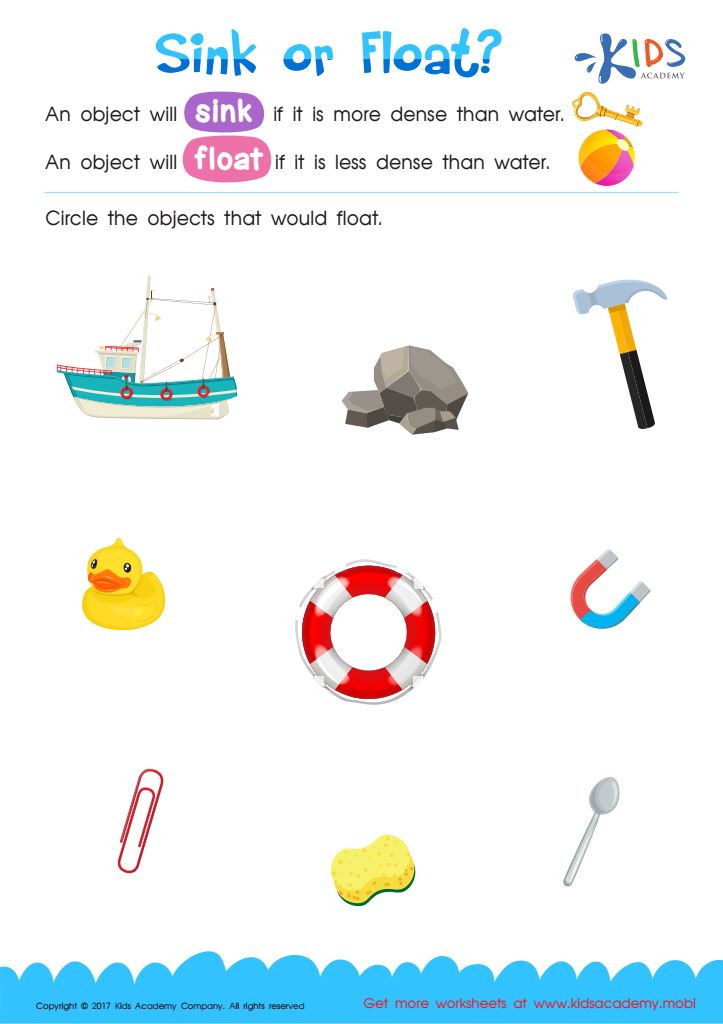
Sink or Float Printable
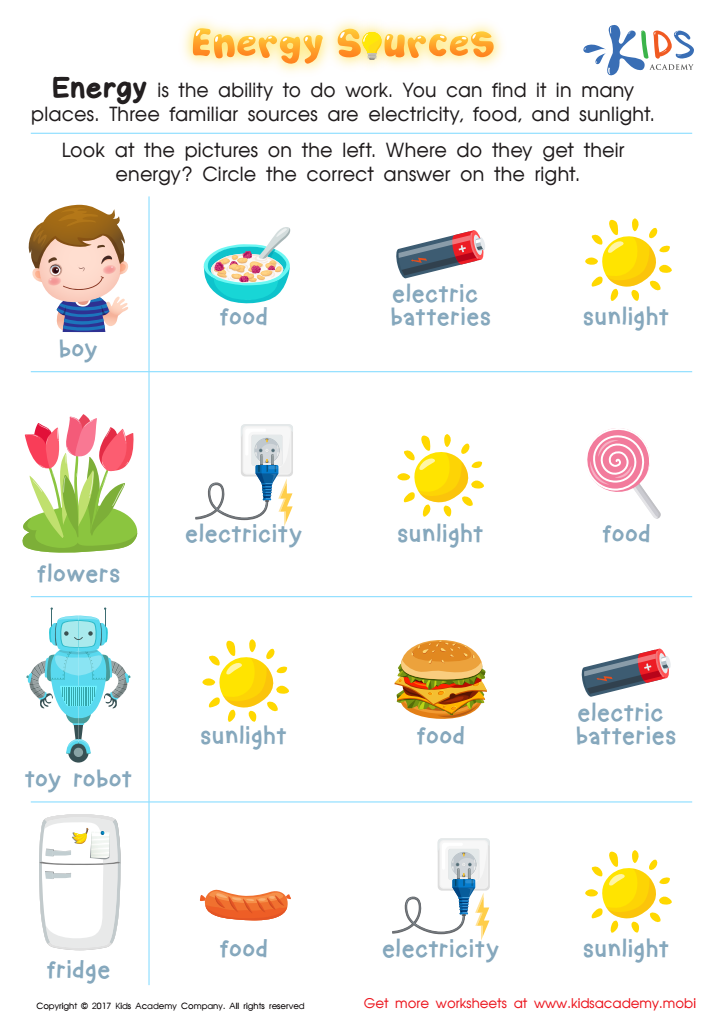
Energy Sources Printable


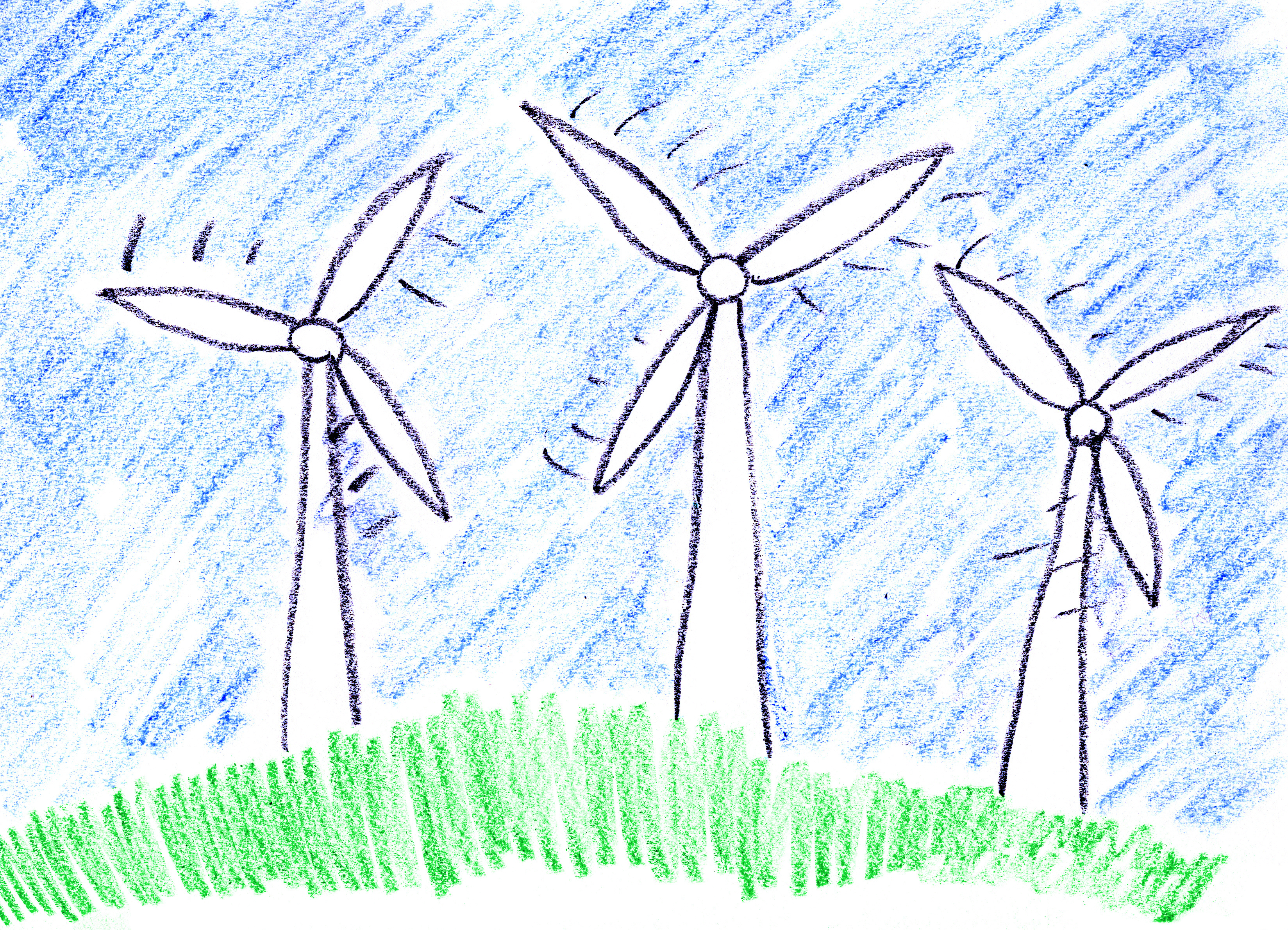





Normal Physical Science for ages 4-7 is crucial for early childhood development as it lays the foundation for critical thinking and curiosity about the world. At this young age, children are naturally inquisitive, making it the ideal time to introduce them to fundamental scientific concepts. Engaging with physical science encourages them to explore their surroundings, fostering a sense of wonder and encouraging them to ask questions.
Teachers and parents should care because these early lessons in science support cognitive development, helping children categorize, hypothesize, and understand cause-effect relationships. This builds problem-solving skills that are essential throughout life. Science also integrates other learning areas, such as math and language, when children calculate measurements or describe observations.
Additionally, exposing children to physical science nurtures a positive attitude toward learning and exploration. It promotes the idea that questioning and experimentation are valuable, fostering resilience and perseverance. Lastly, it prepares them for future education, as a solid grasp of early science concepts can ignite a passion for STEM fields and help combat the gender and socio-economic disparities prevalent in these areas. Encouraging children in Normal Physical Science can create a generation of informed, curious, and capable individuals.