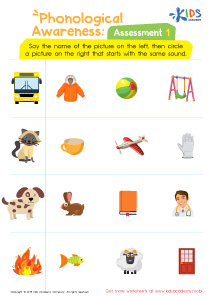
Phonics practice Normal Consonants Worksheets for Ages 4-8
5 filtered results
-
From - To
Discover engaging Phonics Practice Normal Consonants Worksheets designed for ages 4-8 at Kids Academy! Our expertly crafted worksheets help young learners build foundational skills in phonics by focusing on recognizing and pronouncing consonant sounds. Fun activities, such as matching games and tracing, make learning exciting and effective. Boost your child’s reading and writing confidence while fostering a love for learning. Perfect for homeschooling or supplementary classroom use, these resources will ensure your child’s phonics journey is both enjoyable and successful. Explore our collection today and give your child the tools they need to excel!
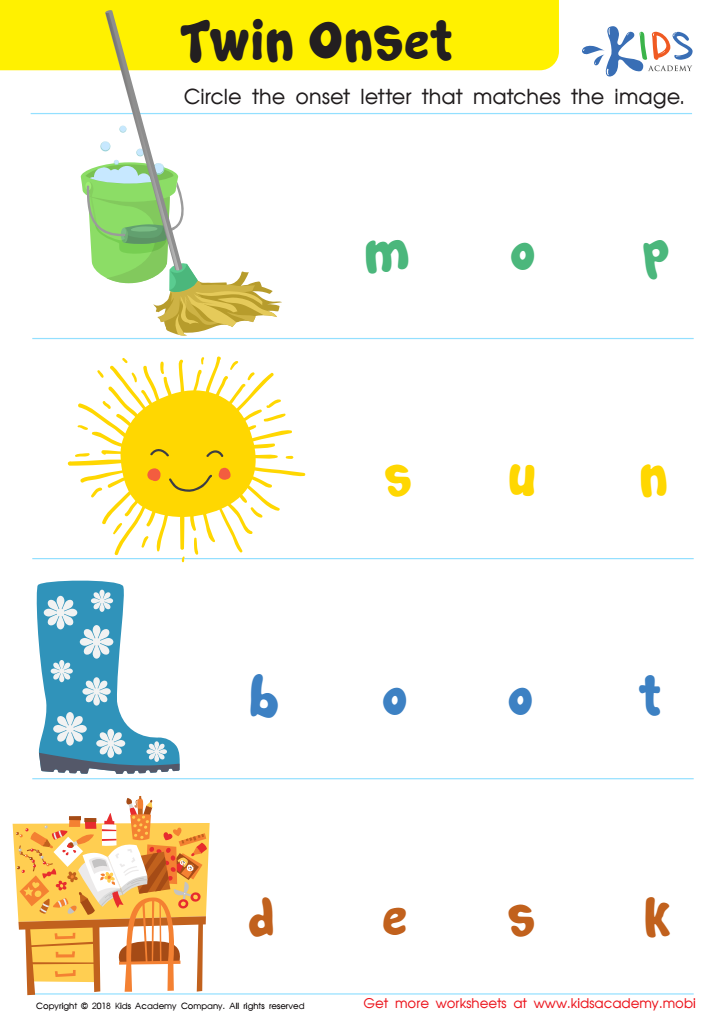
Twin Onset Worksheet
 Assign to My Students
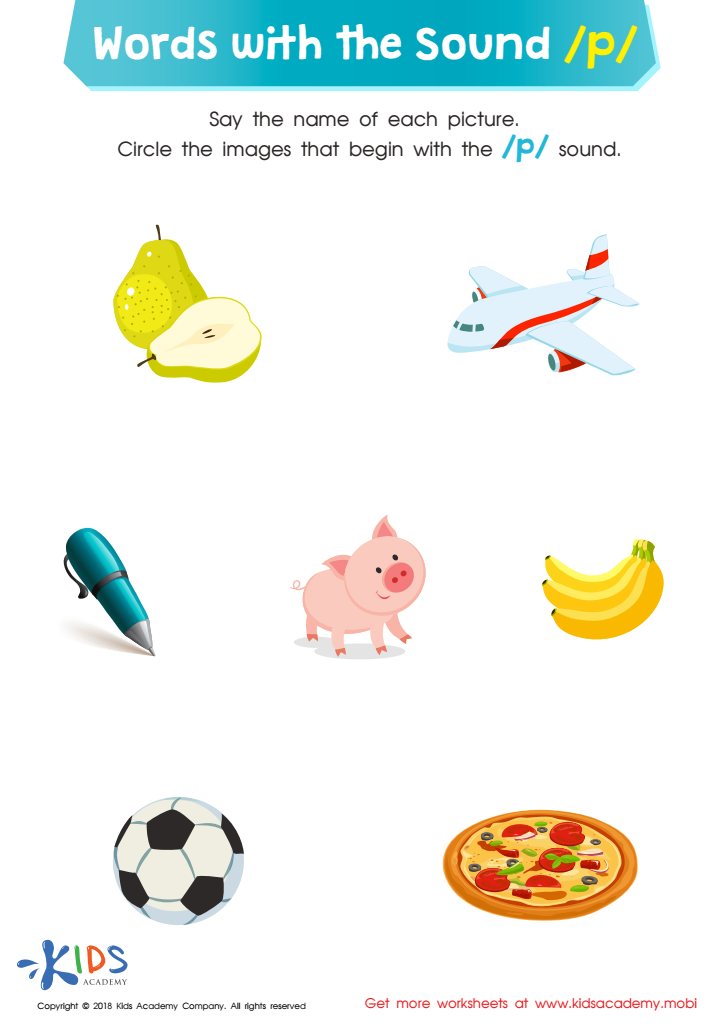
Words with sound p Reading Worksheet
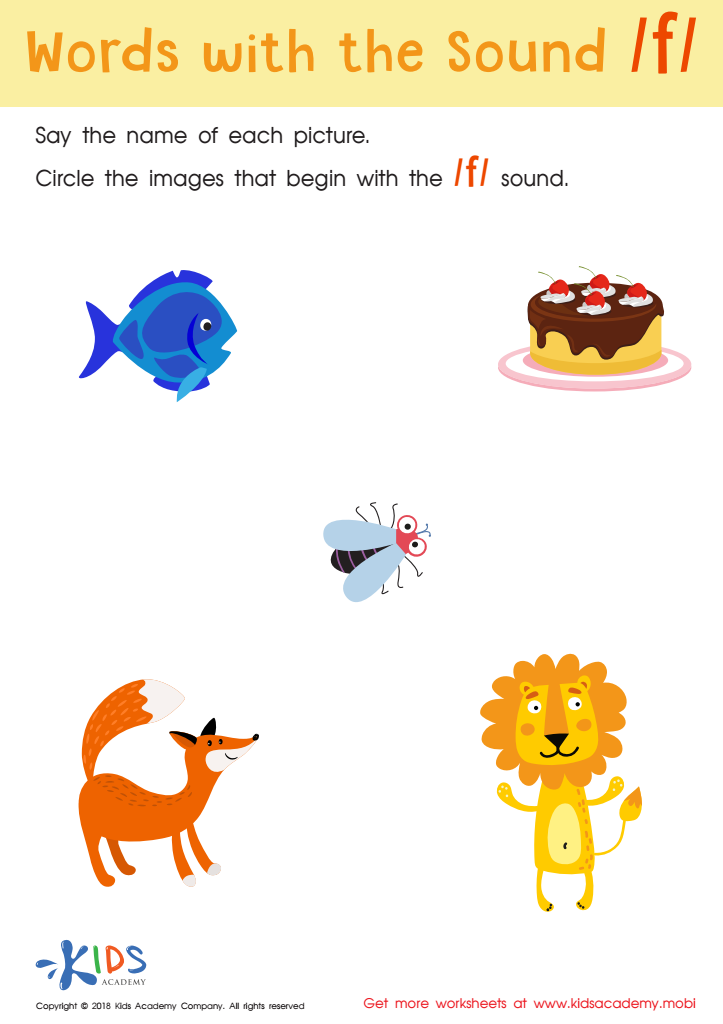
Words with sound f Reading Worksheet
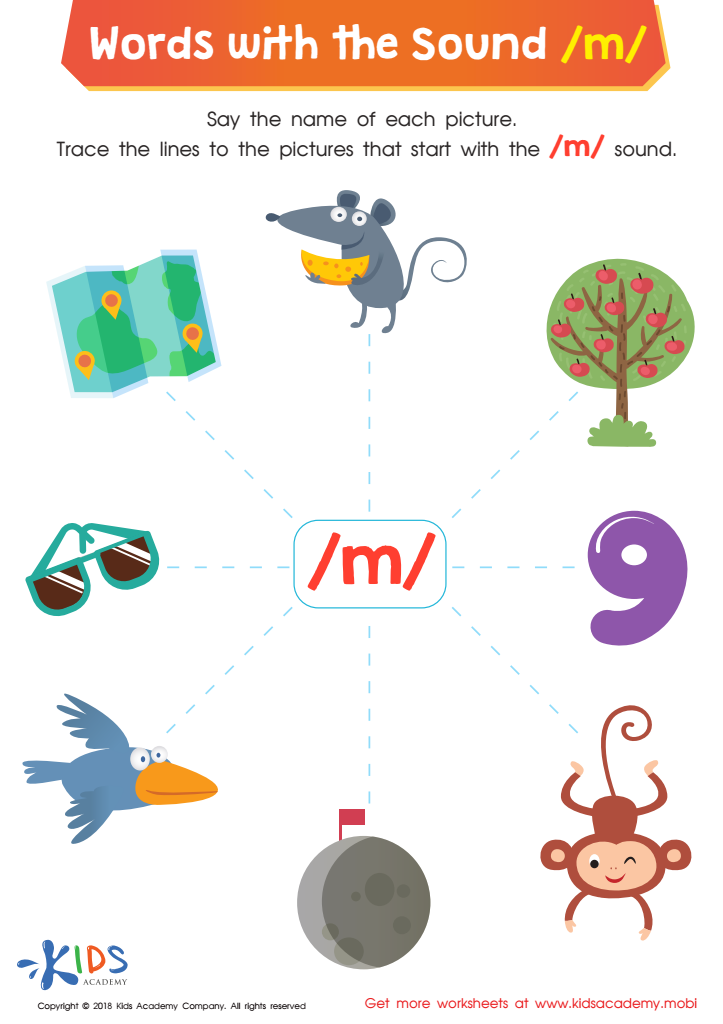
Words with Sound M Reading Worksheet
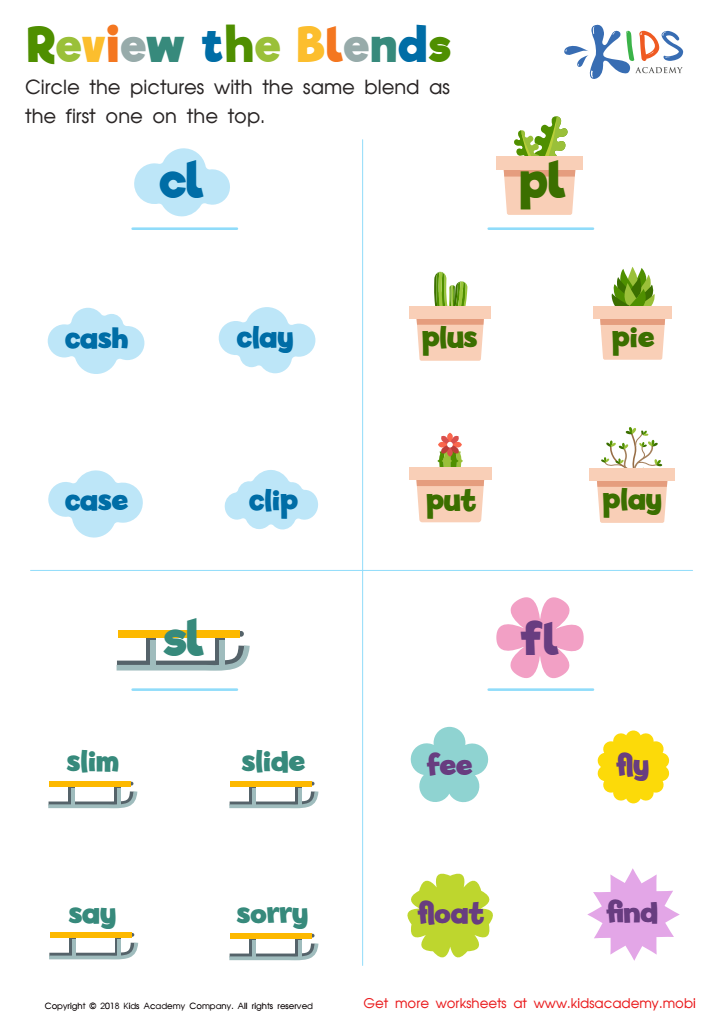
Review the Blends Worksheet



Phonics practice with normal consonants is crucial for children aged 4-8 because it lays a strong foundation for reading and writing skills. At this developmental stage, children are particularly receptive to learning the sounds that letters make, which is the essence of phonics. When children understand the sounds of normal consonants—that is, consonants that behave predictably in speech—they can begin to decode words more easily and read more fluently.
Parents and teachers should prioritize this practice because it enhances phonemic awareness, a key predictor of reading success. By recognizing the sounds of consonants like "b," "d," "m," and "s," children can blend these sounds with vowel sounds to form words. This skill is essential for word recognition and comprehension, enabling children to become independent readers.
Additionally, phonics practice helps in spelling and writing. When children can break down words into their constituent sounds, they can more accurately spell and write words. This practice also supports vocabulary development, as understanding how words are formed helps children deduce the meanings of new words.
In summary, phonics practice with normal consonants equips young children with essential reading and writing skills, fostering academic achievement and a lifelong love for learning.