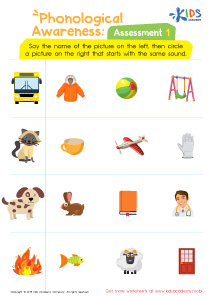
Vocabulary enhancement Normal Consonants Worksheets for Ages 4-8
5 filtered results
-
From - To
Enhance your child's vocabulary with our engaging Normal Consonants Worksheets designed for ages 4-8! These worksheets focus on developing essential language skills by introducing consonant sounds in a fun and interactive way. Children will explore various consonants through captivating activities, including matching, fill-in-the-blanks, and coloring. By working through these exercises, young learners will not only improve their phonics but also expand their word recognition and comprehension abilities. Ideal for both classroom and home use, our resources support early literacy development while keeping learning enjoyable. Empower your child’s language journey today with our thoughtfully crafted consonants worksheets!
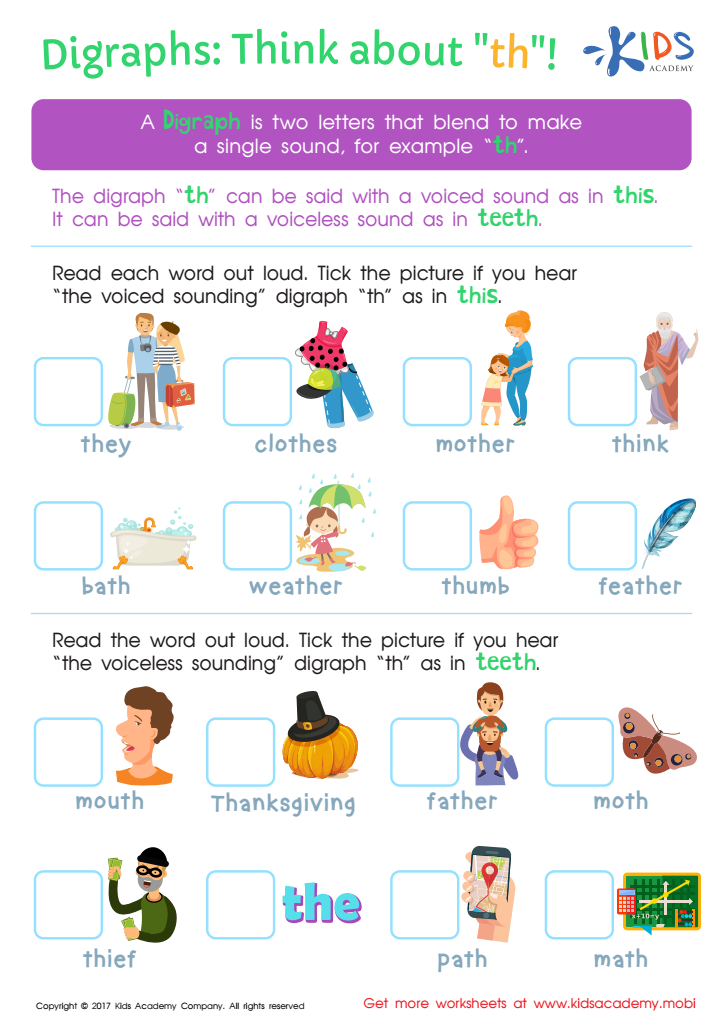
Digraphs: Think About "th" Worksheet
 Assign to My Students
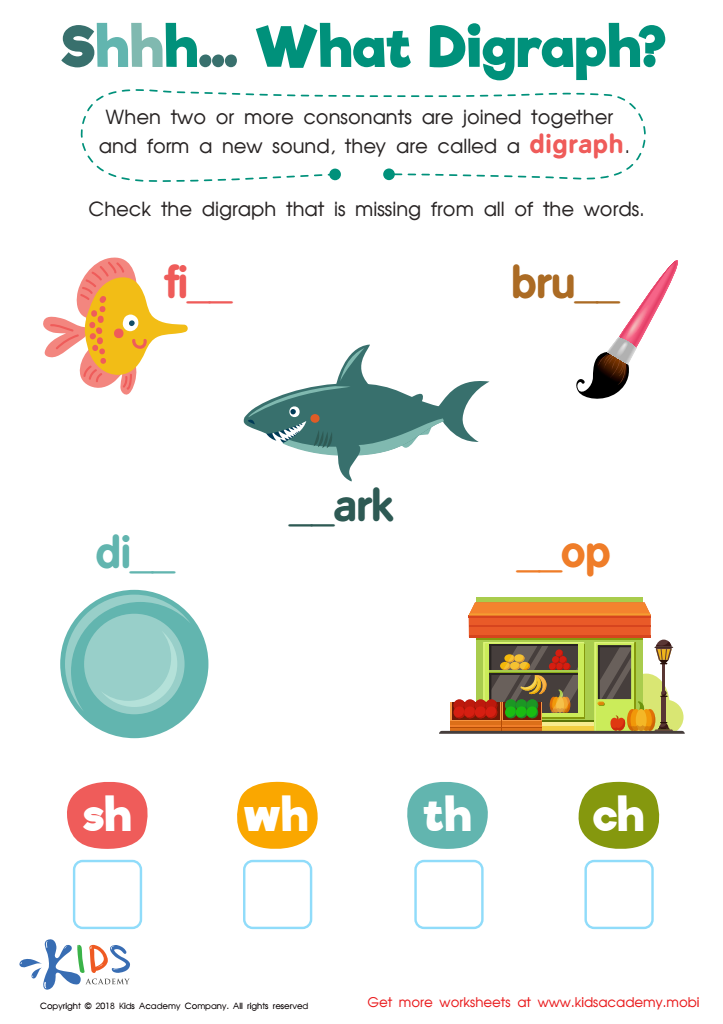
Shhh... What Digraph? Worksheet
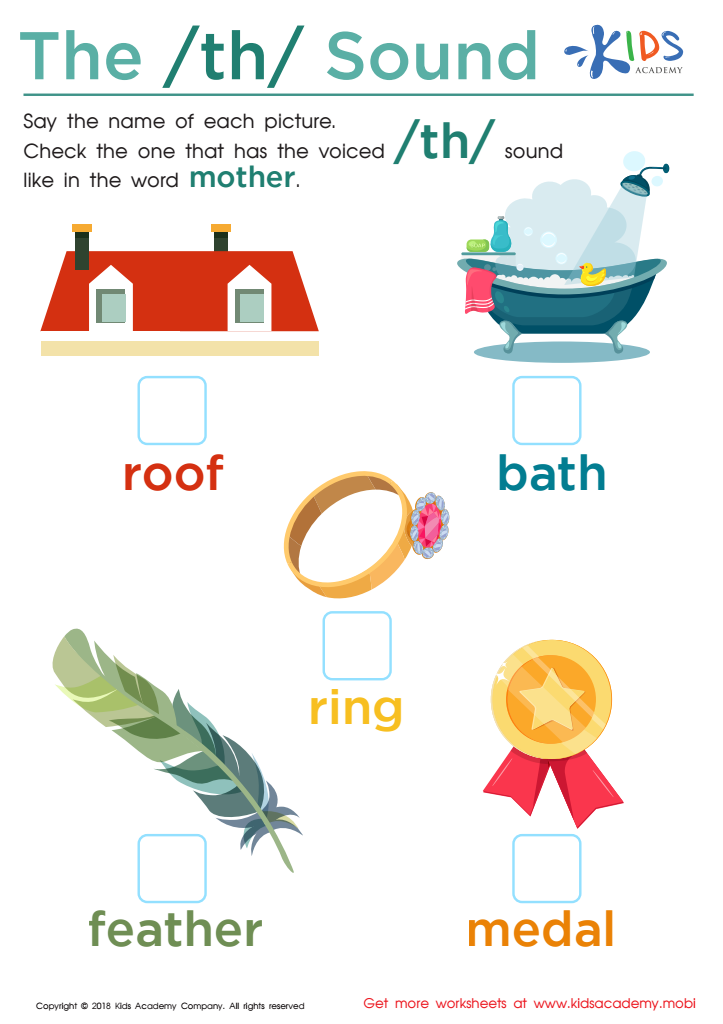
The /th/ Sound Worksheet
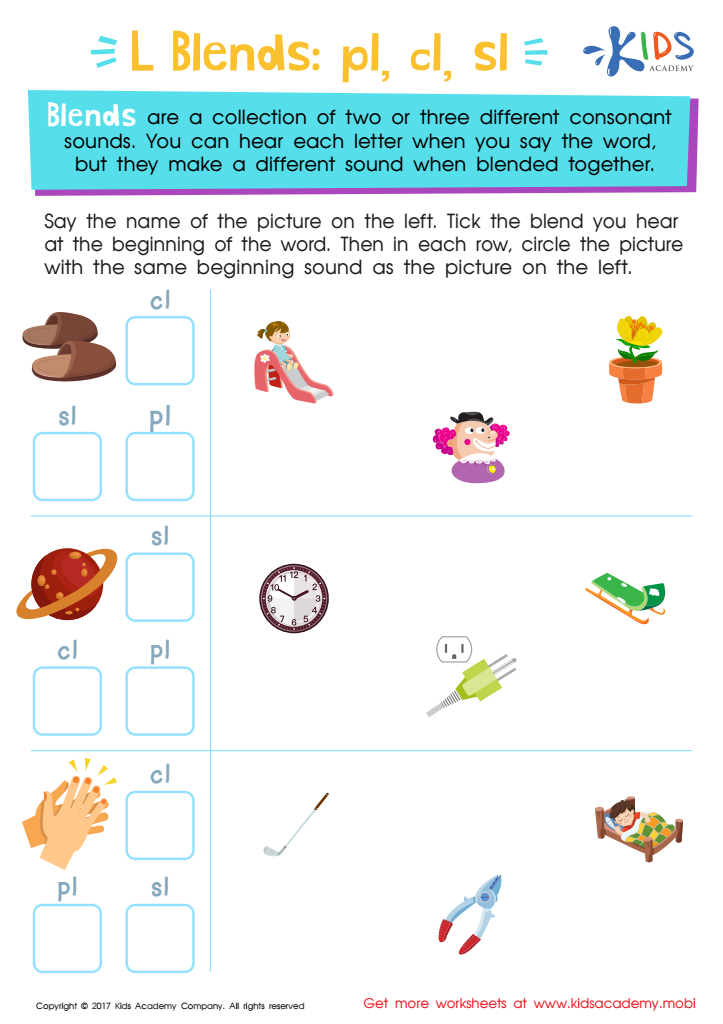
L Blends: "Pl", "Cl" and "Sl" Printable
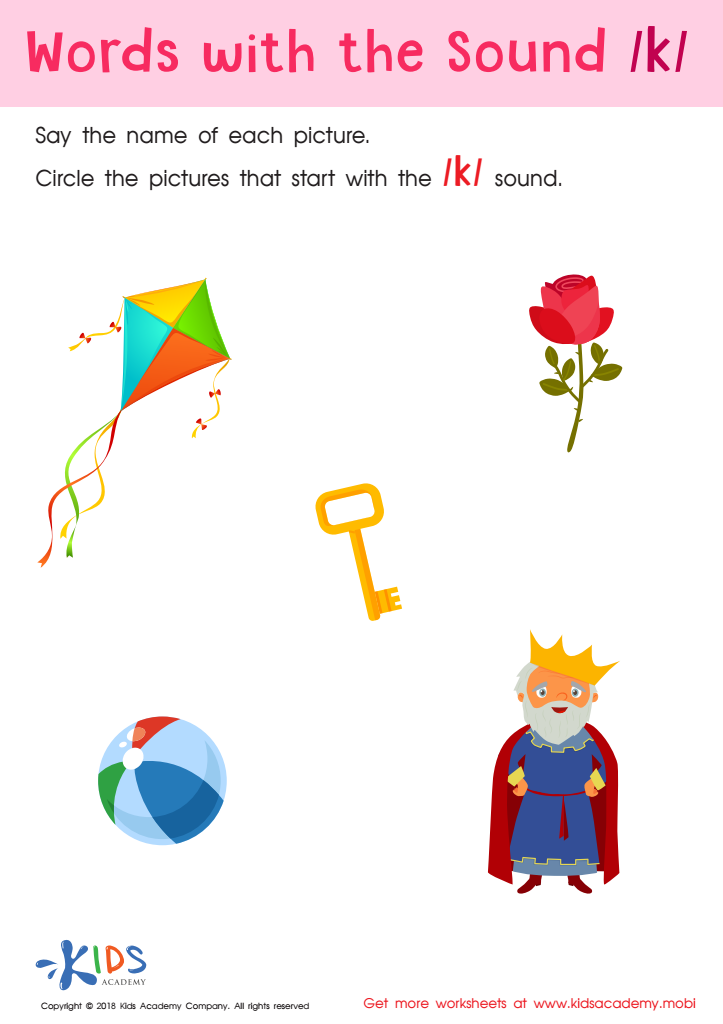
Words with sound k Reading Worksheet



Vocabulary enhancement, particularly focusing on normal consonants, is vital for children ages 4-8 as it lays a foundational element for effective communication and literacy skills. During these early educational years, children are in a critical period of language development where they acquire vocabulary at an astonishing rate. By emphasizing vocabulary that incorporates normal consonants, parents and teachers can significantly improve phonemic awareness—the ability to hear, identify, and manipulate sounds. This understanding is crucial for decoding words as children learn to read.
Robust vocabulary skills also contribute to reading comprehension. When children possess a diverse and rich vocabulary, they can better understand text, participate in discussions, and express themselves clearly and confidently. Moreover, mastering consonants aids in proper pronunciation, reducing the frustration that can arise from miscommunication.
Additionally, enhanced vocabulary helps in cognitive development, promoting critical thinking and problem-solving abilities. Engaging children in activities that focus on consonants—like rhyming games, storytelling, and wordplay—not only makes learning enjoyable but also ensures that children are well-equipped for both academic and social success. Therefore, parents and teachers have a profound responsibility to nurture vocabulary development, fostering a love for language that will benefit children throughout their lives.