Handwriting practice Normal Alphabet Worksheets for Ages 4-8 - Page 2
37 filtered results
-
From - To
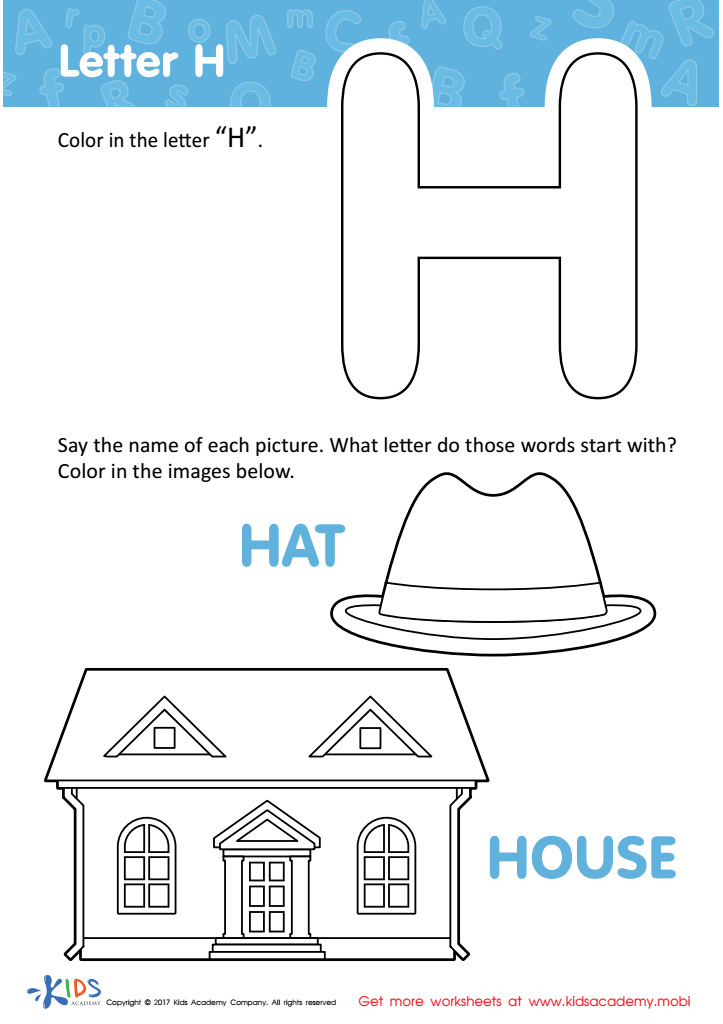
Letter H Coloring Sheet
 Assign to My Students
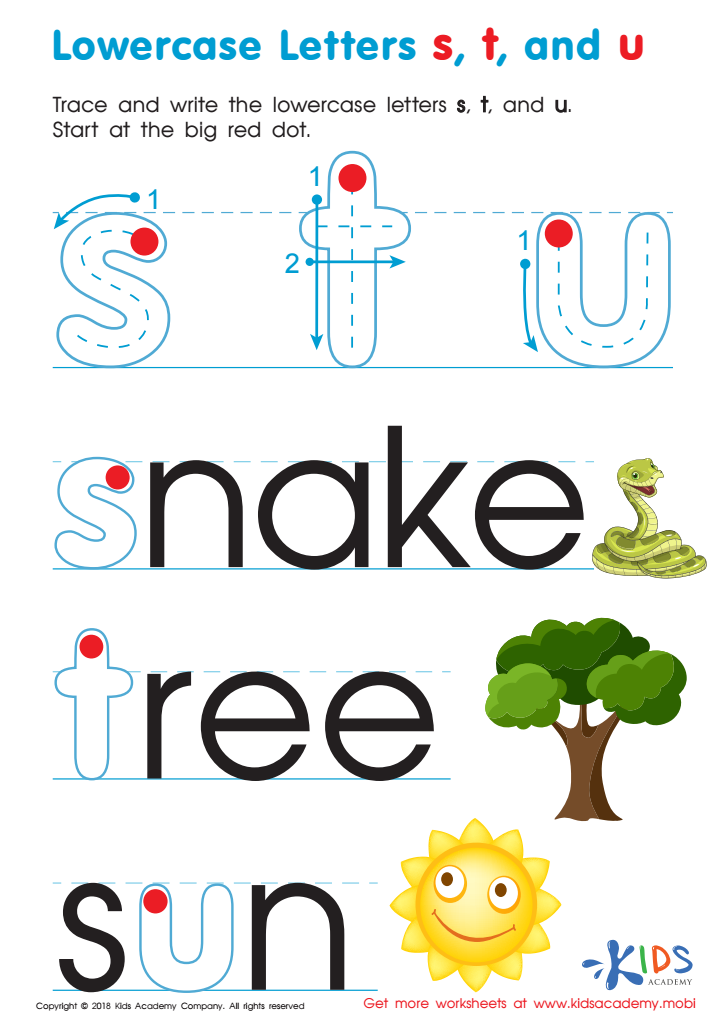
Lowercase Letters s t u Worksheet
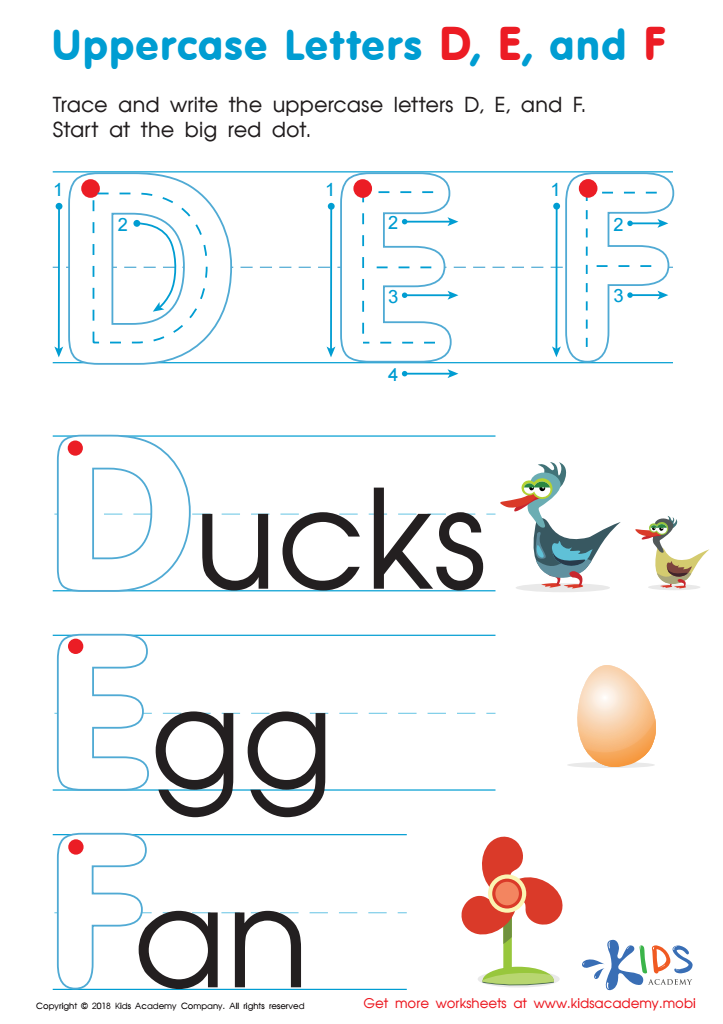
Uppercase Letters D, E, and F Worksheet
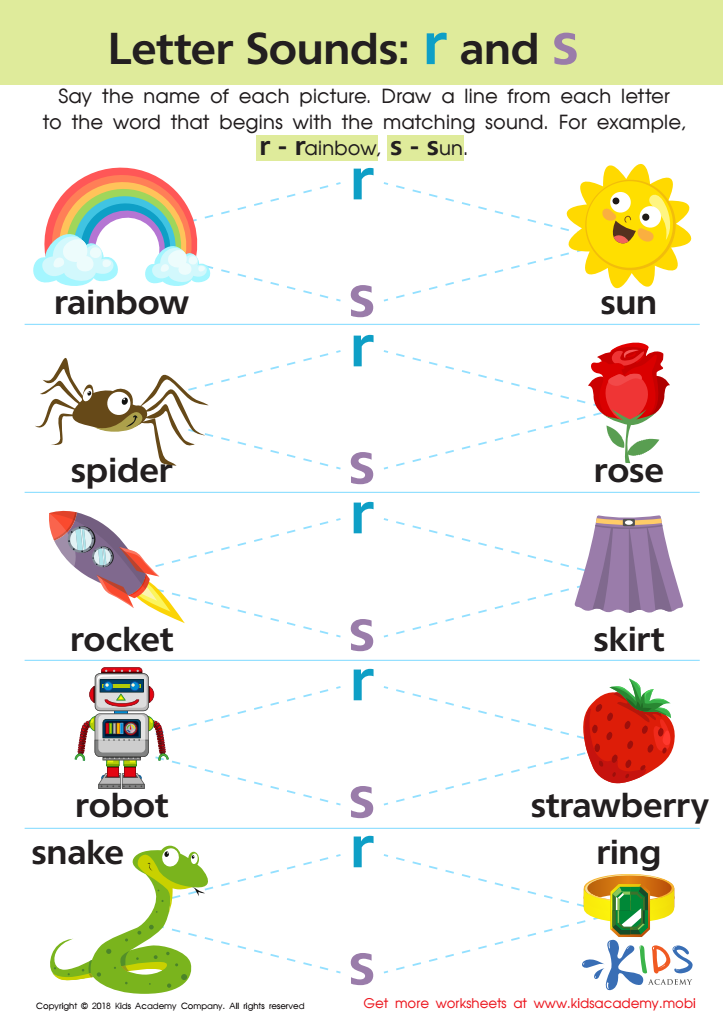
Letter R and S Sounds Worksheet
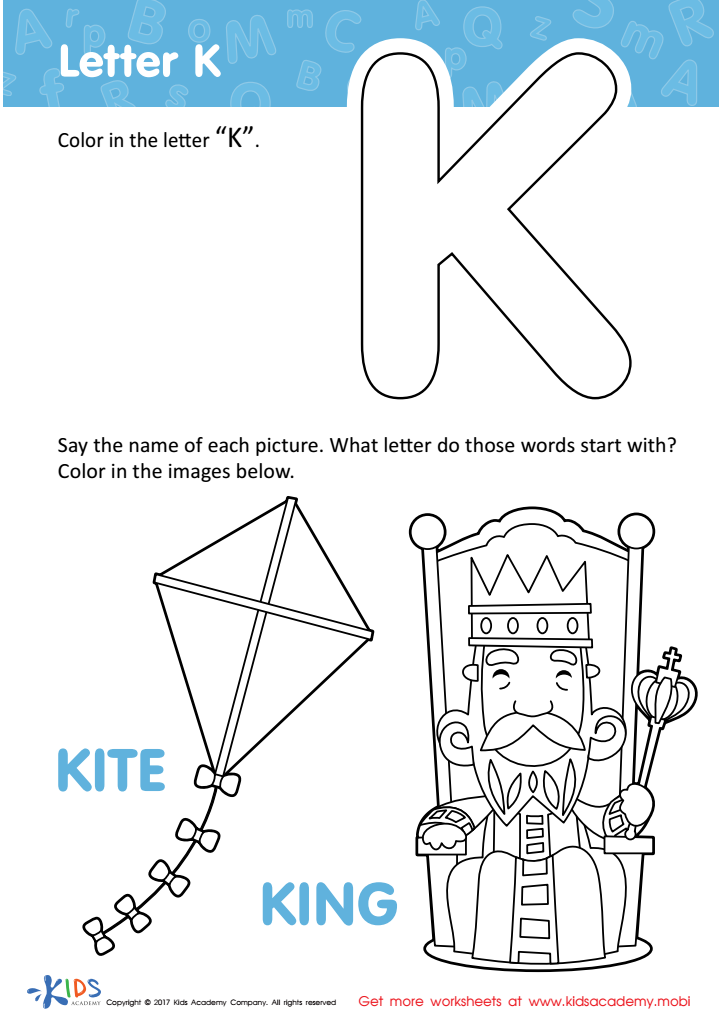
Letter K Coloring Sheet
Assign to My Students
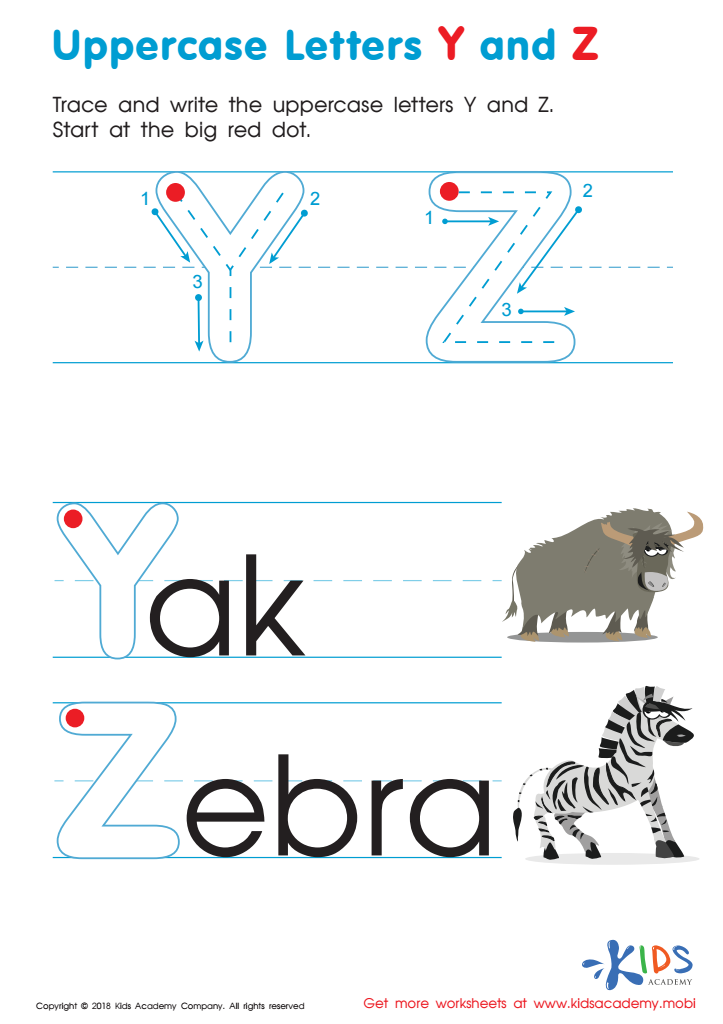
Uppercase Letters Y Z Worksheet
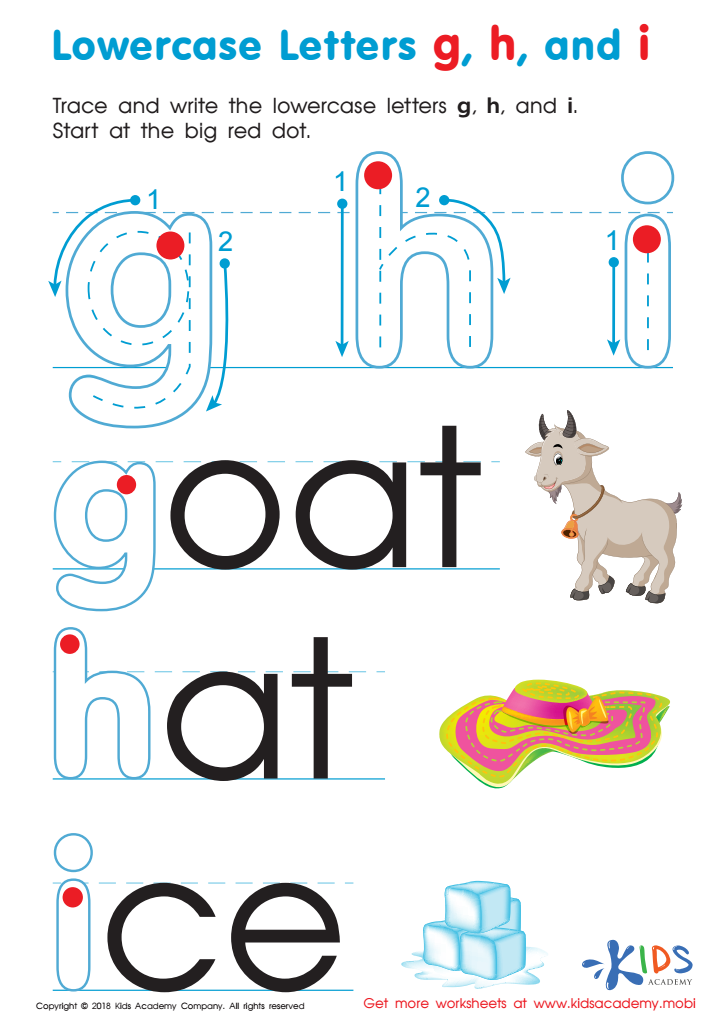
Lowercase Letters g h i Worksheet
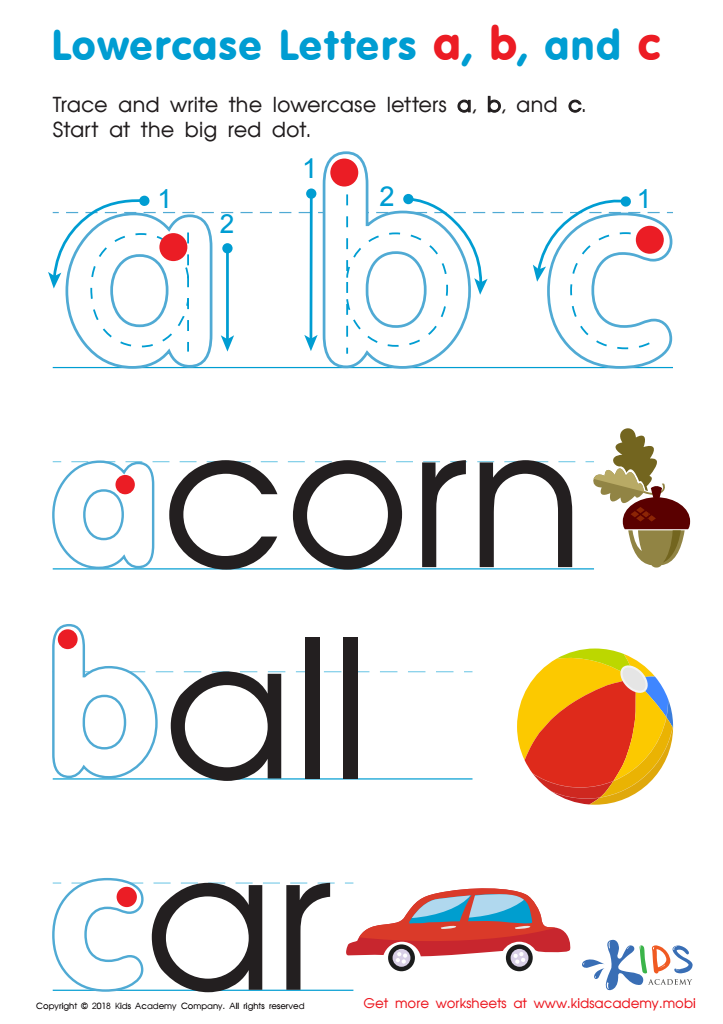
Lowercase Letters a b c Worksheet
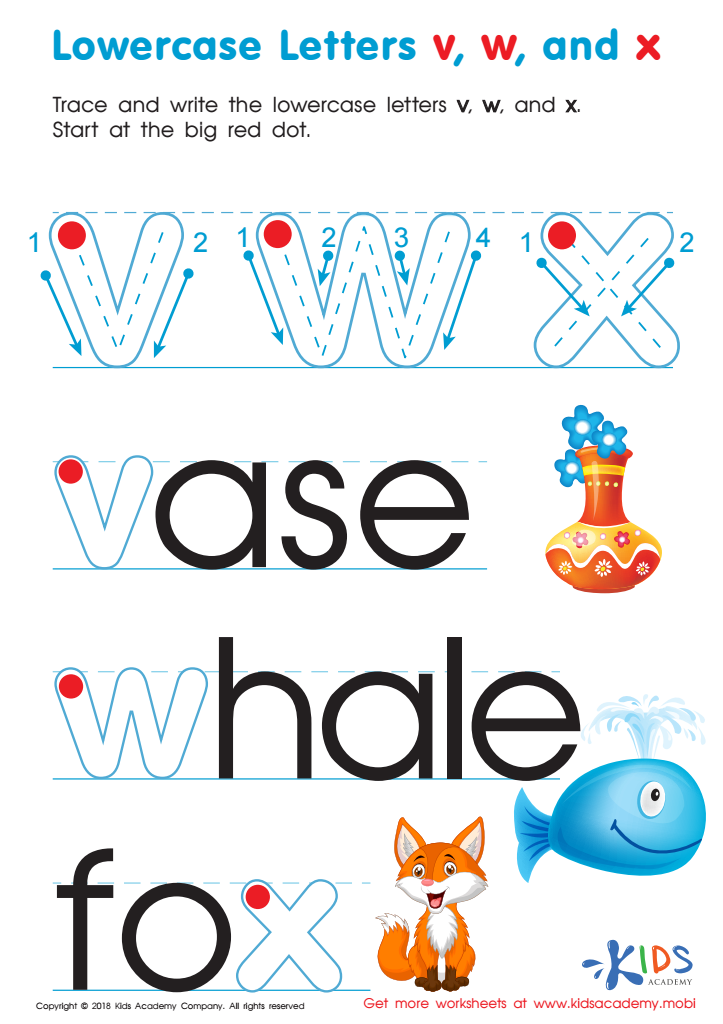
Lowercase Letters v w x Worksheet

Letter N Coloring Sheet
Assign to My Students
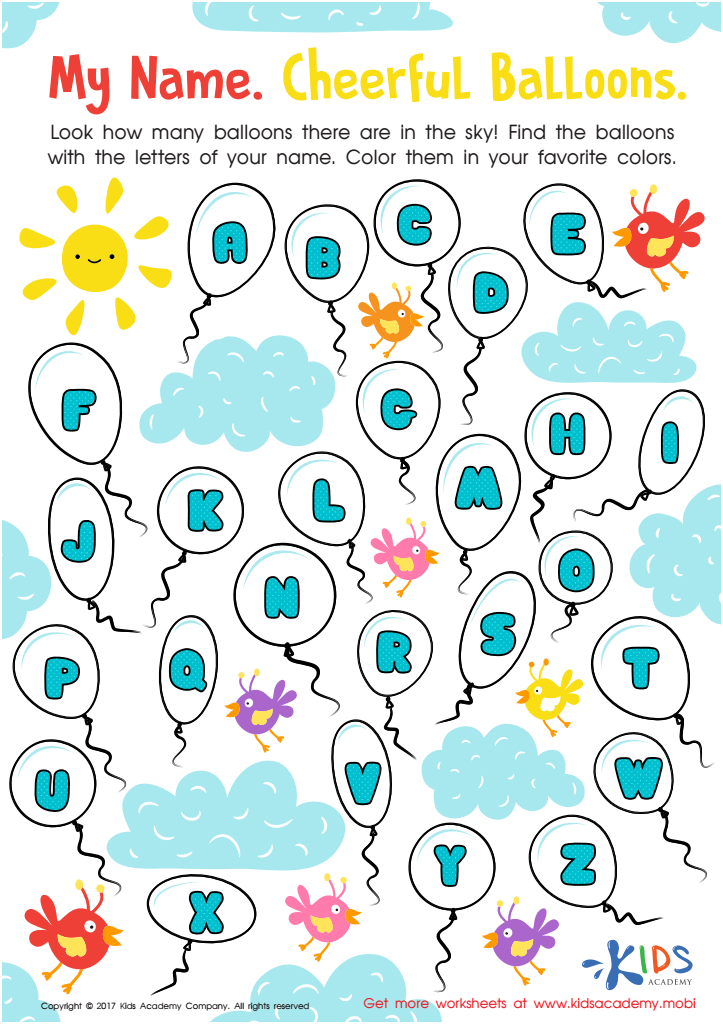
My Name: Cheerful Balloons Worksheet
Assign to My Students
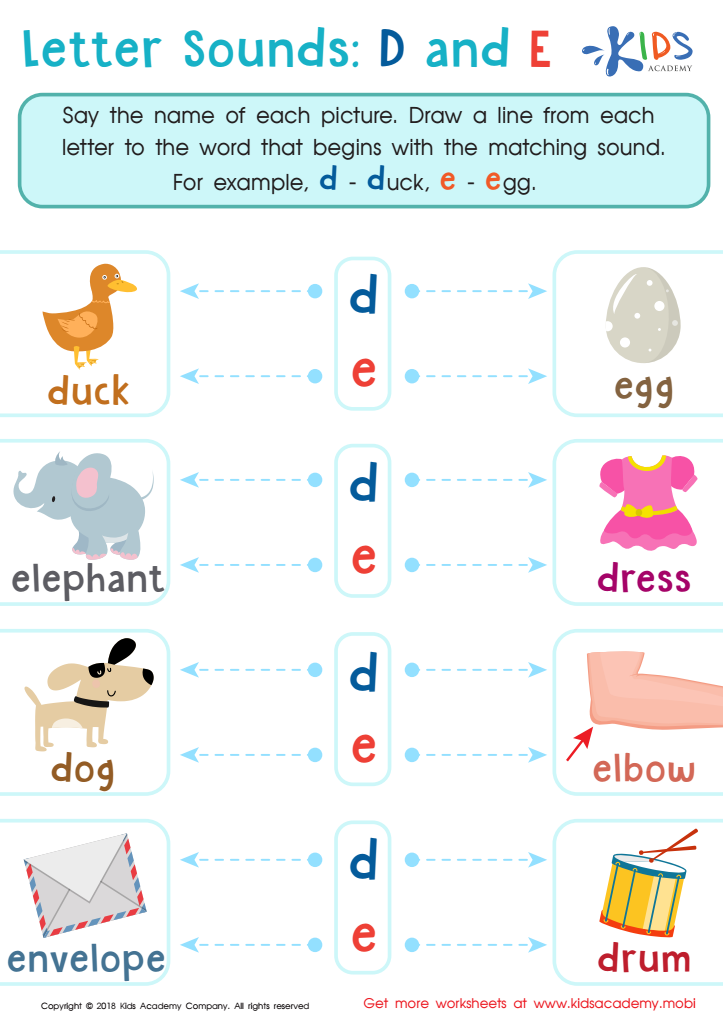
Letter D and E Sounds Worksheet
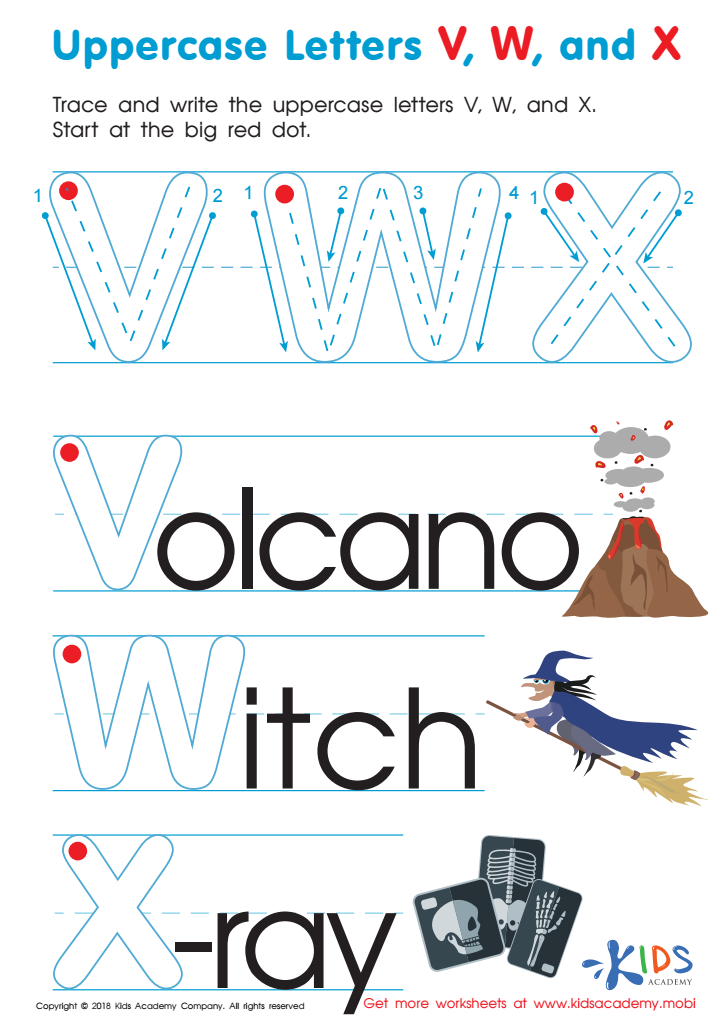
Uppercase Letters V, W, and X Worksheet






Handwriting practice for children aged 4-8 is essential for several key reasons. Firstly, learning to write the standard alphabet helps in developing fine motor skills. The act of forming letters enhances hand-eye coordination and finger strength, which are foundational for other tasks like buttoning shirts or tying shoelaces. Secondly, handwriting practice reinforces alphabetic knowledge and literacy. When children write letters, they simultaneously solidify their letter recognition and phonemic awareness, making reading a smoother process.
Furthermore, handwriting has been linked to cognitive development. For example, it encourages memory retention and can aid in better understanding and internalizing language concepts. This organic process cannot be replicated simply by typing on a keyboard. It helps children with spatial awareness and understanding the structure of written language, which subsequently supports successful learning in subjects beyond reading and writing.
Emphasizing handwriting also nurtures a child's sense of achievement. Seeing their progress on paper boosts self-esteem and fosters a growth mindset, encouraging resilience and a love for learning. Altogether, handwriting practice integrates essential motor, cognitive, and emotional developmental milestones, making it a critical component in early childhood education that parents and teachers should keenly support.







