Word Recognition Normal Alphabet Worksheets for Ages 4-8 - Page 2
26 filtered results
-
From - To
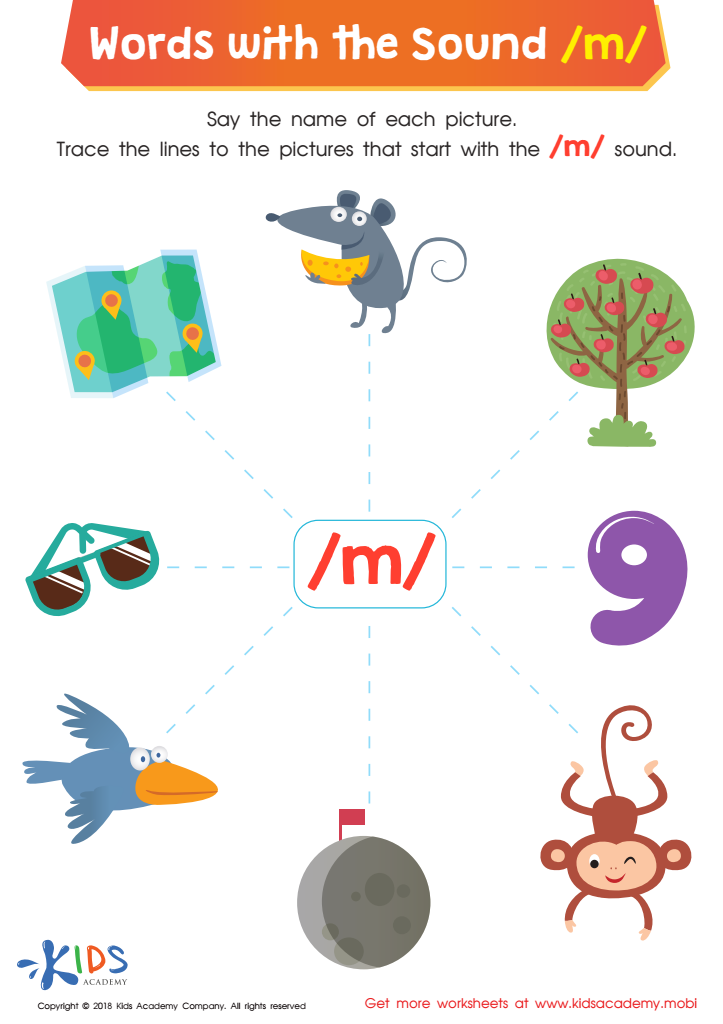
Words with Sound M Reading Worksheet
 Assign to My Students
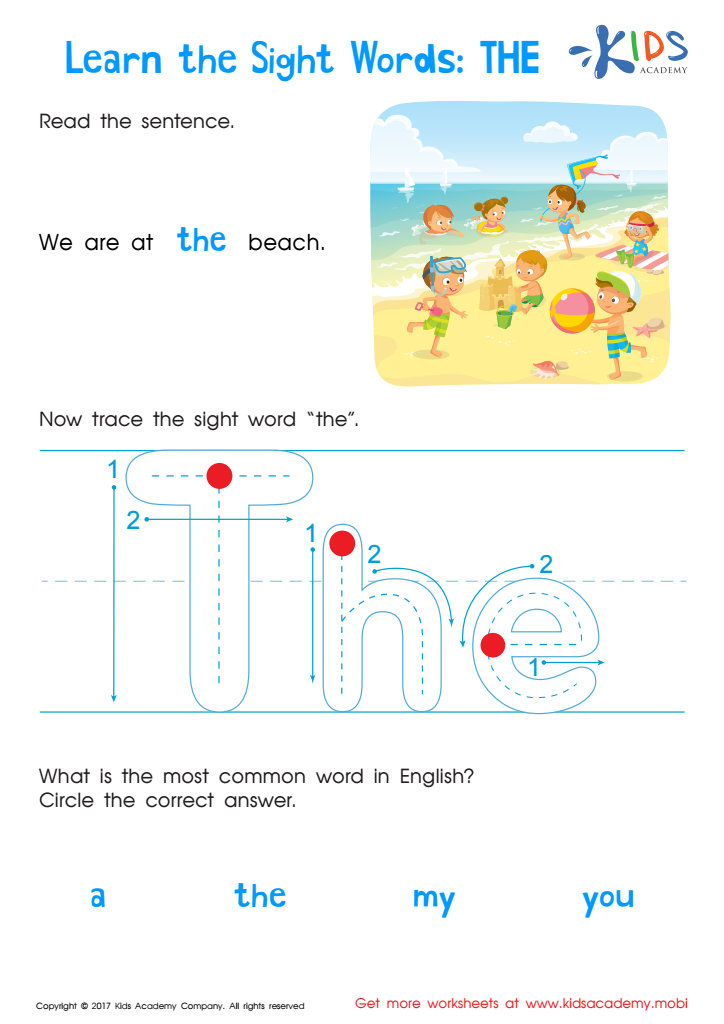
Sight Words: The Worksheet








Word recognition is a crucial skill for children aged 4-8, forming the foundation for their reading development. For parents and teachers, understanding the significance of the Normal Alphabet and promoting word recognition in early literacy is vital. Children in this age range are experiencing rapid language growth and learning how to decode words. Mastery of word recognition enables them to read fluently, increasing their comprehension and overall enjoyment of reading.
When children recognize words quickly and accurately, they transition from learning to read to reading to learn. This seamless shift fosters critical thinking and enhances their ability to engage with diverse texts, including stories, informational books, and academic materials. Furthermore, a strong foundation in word recognition is linked to higher academic achievement later in life, as proficient readers tend to perform better in all subjects.
Encouraging an environment that prioritizes word recognition—through reading routines, play-based learning, and interactive activities—empowers children to thrive. Additionally, when teachers and parents collaborate to support literacy development, they create a cohesive learning experience that nurtures a child's confidence and curiosity, paving the way for lifelong learning and successful communication skills. Investing in early literacy, specifically word recognition, is a critical step in ensuring children's future academic prosperity.







